Ray Jefferson - Böcker
Visar alla böcker från författaren Ray Jefferson. Handla med fri frakt och snabb leverans.
4 produkter
4 produkter
178 kr
Skickas
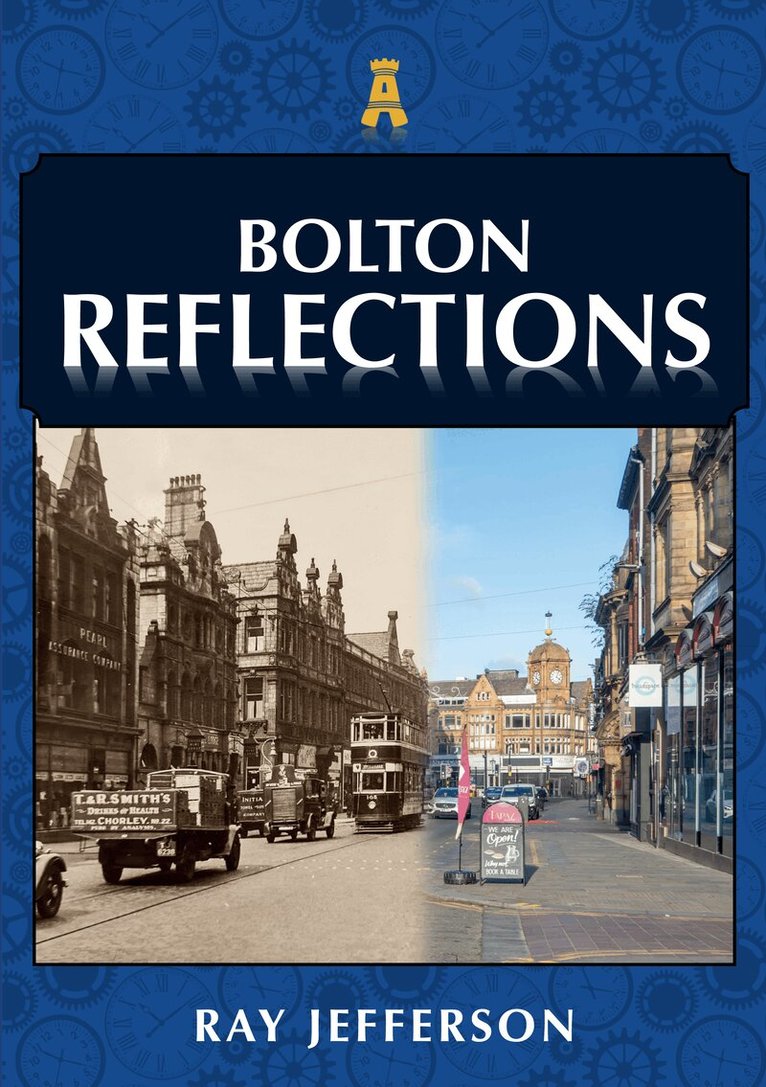
Bolton has long been an important town in Lancashire. It was a centre for wool and cotton weaving in the Middle Ages and during the Industrial Revolution became a leading textile producer worldwide. The town grew rapidly in the nineteenth and early twentieth centuries and its population experienced both prosperity and privation, but the era left a legacy of grand civic buildings and cotton mills. As the cotton industry has declined in the twentieth century, with the last mills closing in the 1980s, modern Bolton has changed. Today’s town is greener, with much of its traditional industries replaced by service industries and redeveloped shopping centres and new retail parks.Bolton Reflections features an exciting collection of historic and modern pictures that are individually merged to reveal how the area has changed over the decades. Each of the 180 pictures in this book combines a recent colour view of Bolton with the matching sepia archive scene. Through the split-image effect, readers can see how streets, buildings and everyday life have transformed with the passing of time. Local author Ray Jefferson presents this fascinating visual chronicle that ingeniously reflects past and present glimpses of Bolton.
178 kr
Skickas
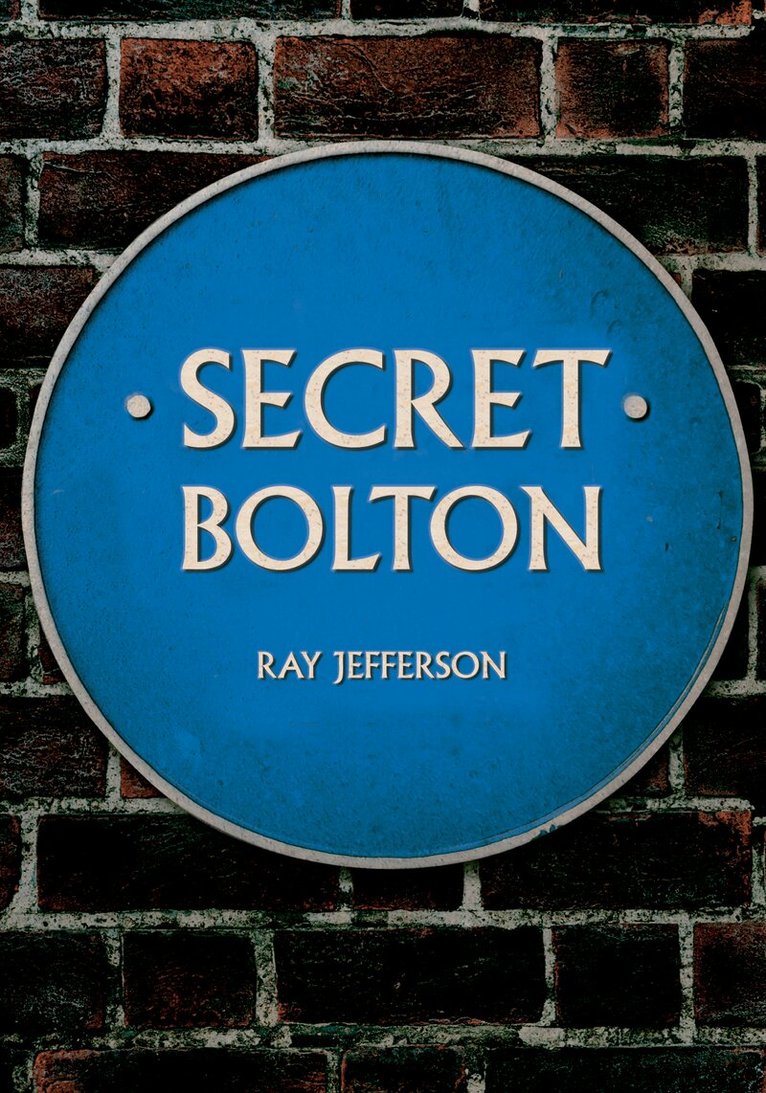
Bolton has its roots in Lancashire where it was established as a textile town from the Middle Ages, but it was during the Industrial Revolution that it grew to become one of the major cotton manufacturing centres of the world. Engineering, paper making, bleaching, and dyeing followed, with thousands employed in the manufacture of textile machinery, steam engines, boilers, other heavy machinery, and tools in addition to the thousands employed in the spinning mills. As that heavy industry and textile manufacturing declined during the twentieth century, other more modern activities took their place and alongside the town’s surviving historic and industrial buildings a modern town has developed. Colourful stories lie behind the face of today’s Bolton, some of which are well known, although other events are well worth investigation. How exactly did the borough obtain a plentiful supply of clean drinking water during the period of its rapid expansion in the nineteenth century? What birth pangs accompanied the move towards local democracy after 1792? How is one street linked to two aviation tragedies? How did an American geologist come to make his mark and remain in Bolton for ever?With tales of remarkable characters, unusual events and surprising locations, Secret Bolton will appeal to all those with an interest in the history of this town in Greater Manchester.
168 kr
Tillfälligt slut
Bolton was the centre of the Lancashire cotton industry, and experienced rapid expansion and population growth in the nineteenth century. The twentieth century saw the town coming to terms with this growth and the inevitable changes. Today it is less industrialised and hard-edged; an altogether much greener and cleaner place.Local photographers Ray Jefferson and Jeff Layer know Bolton’s ginnels, streets and squares, as well as its attractive moorland setting. Charged with capturing the essence of the town, they have turned their cameras on its inhabitants, the people who make Bolton what it is today. These are the people you’ll find in these pages – the shopkeepers, schoolteachers, businessmen and women, nurses, musicians, restuarant owners, politicians, theatre and sportspeople, all of them taking pleasure in being a part of this Lancashire town and sharing their stories.
173 kr
Skickas inom 11-20 vardagar
Bolton has a proud and distinctive identity. Flemish weavers settled in the area in the fourteenth century, introducing a wool- and cotton-weaving tradition, but it was the introduction of textile manufacture during the Industrial Revolution that prompted the town’s rapid urbanisation and development. Through the nineteenth and early twentieth centuries Bolton was a boomtown and one of the largest and most productive centres of cotton spinning in the world, but Britain’s cotton industry declined sharply after the First World War and by the 1980s cotton manufacture had virtually ceased in Bolton, forcing the town to come to terms with the inevitable further changes that followed.This extraordinary history is embodied in the many fine buildings that have shaped this former mill town and Bolton in 50 Buildings explores this history through a selection of its greatest architectural treasures. From the medieval finery of Smithills Hall and the imposing neoclassical Town Hall to more recent additions such as the University of Bolton Stadium, home of Bolton Wanderers, this unique study celebrates the town’s architectural heritage in a new and accessible way. Join Ray Jefferson and Jeff Layer as they guide the reader on a tour of Bolton’s historic buildings and modern architectural marvels.