Ray Takeyh – författare
Visar alla böcker från författaren Ray Takeyh. Handla med fri frakt och snabb leverans.
10 produkter
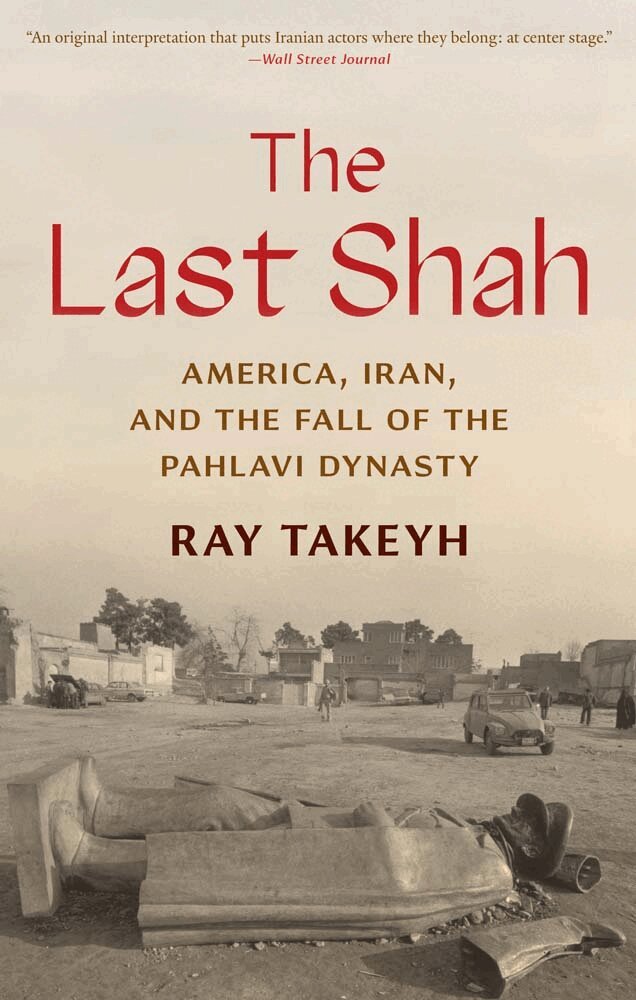
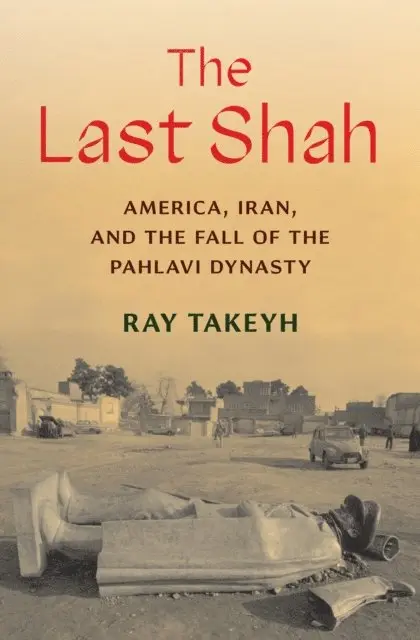
Last Shah
America, Iran, and the Fall of the Pahlavi Dynasty
Av Ray Takeyh
Häftad, 2022
190 kr
Lägg i varukorg
The surprising story of Iran’s transformation from America’s ally in the Middle East into one of its staunchest adversaries"An original interpretation that puts Iranian actors where they belong: at center stage."—Michael Doran, Wall Street Journal“An extraordinary account. . . . Deeply nuanced and …
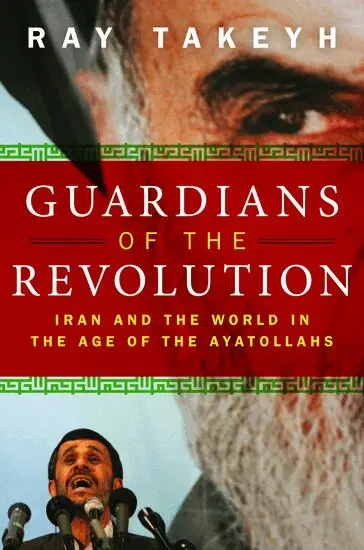
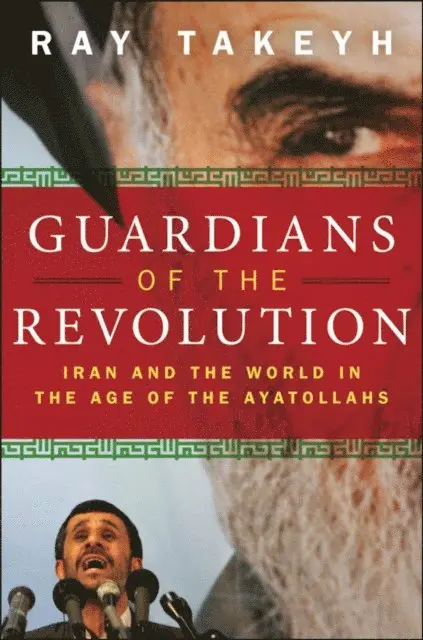
Guardians of the Revolution
Iran and the World in the Age of the Ayatollahs
Av Ray Takeyh
Inbunden, 2009
622 kr
Lägg i varukorg
For over a quarter century, Iran has been one of America's chief nemeses. Ever since Ayatollah Khomeini overthrew the Shah in 1979, the relationship between the two nations has been antagonistic: revolutionary guards chanting against the Great Satan, Bush fulminating against the Axis of Evil, …
Guardians of the Revolution
Iran and the World in the Age of the Ayatollahs
Av Ray Takeyh
E-bok, 2009
151 kr
Lägg i varukorg
For over a quarter century, Iran has been one of America''s chief nemeses. Ever since Ayatollah Khomeini overthrew the Shah in 1979, the relationship between the two nations has been antagonistic: revolutionary guards chanting against the Great Satan, Bush fulminating against the Axis of Evil, …
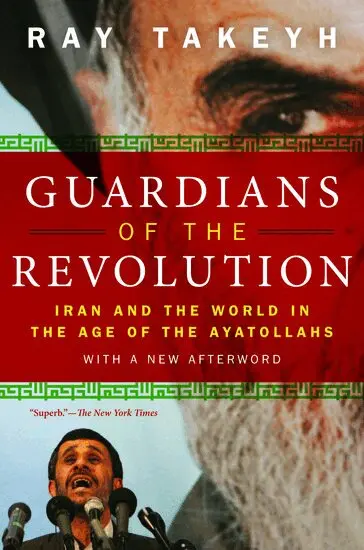
Guardians of the Revolution
Iran and the World in the Age of the Ayatollahs
Av Ray Takeyh
Häftad, 2011
285 kr
Lägg i varukorg
Revolutionary guards chanting against the Great Satan, Bush fulminating against the Axis of Evil, Iranian support for Hezbollah, and President Ahmadinejad blaming the U.S. for the world's ills--the unending war of words suggests an intractable divide between Iran and the West. But as Ray Takeyh …
Guardians of the Revolution
Iran and the World in the Age of the Ayatollahs
Av Ray Takeyh
E-bok, 2009
151 kr
Lägg i varukorg
For over a quarter century, Iran has been one of America''s chief nemeses. Ever since Ayatollah Khomeini overthrew the Shah in 1979, the relationship between the two nations has been antagonistic: revolutionary guards chanting against the Great Satan, Bush fulminating against the Axis of Evil, …
Last Shah
America, Iran, and the Fall of the Pahlavi Dynasty
Av Ray Takeyh
E-bok, 2021
150 kr
Lägg i varukorg
The surprising story of Iran''s transformation from America''s ally in the Middle East into one of its staunchest adversariesOffering a new view of one of America''s most important, infamously strained, and widely misunderstood relationships of the postwar era, this book tells the history of …
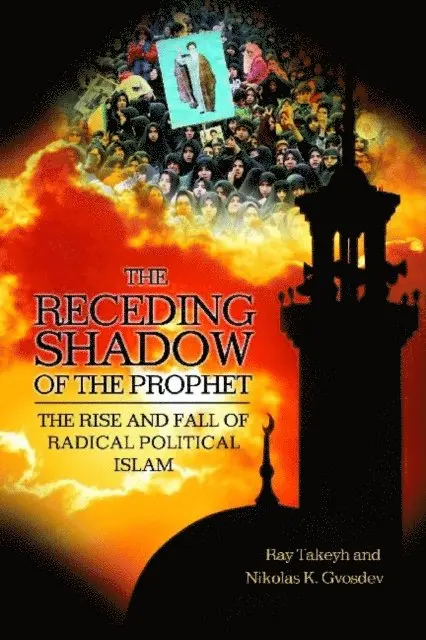
Receding Shadow of the Prophet
The Rise and Fall of Radical Political Islam
Av Ray Takeyh, Nikolas K. Gvosdev
E-bok, 2004
412 kr
Lägg i varukorg
The tragic events of September 11, 2001, in the United States renewed fears of an Islamist wave destabilizing the countries of the Muslim world. Yet the alarm raised over a previous wave of Islamism in the early 1990s, which threatened to overwhelm Egypt and Algeria and spill into the Balkans and …
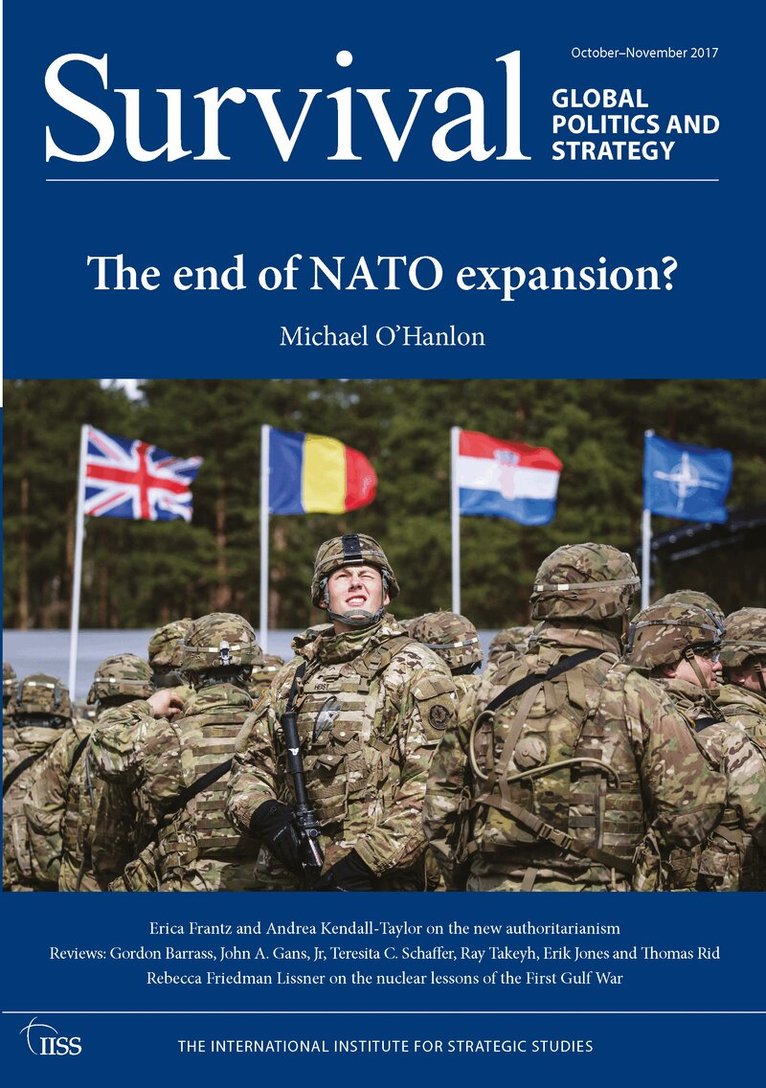
Survival 59.5
Av Michael O'Hanlon, Erica Frantz m. fl.
Häftad, 2017
361 kr
Lägg i varukorg
Survival, the bi-monthly publication from The International Institute for Strategic Studies, is a leading forum for analysis and debate of international and strategic affairs. With a diverse range of authors, thoughtful reviews and review essays, Survival is scholarly in depth while vivid, …
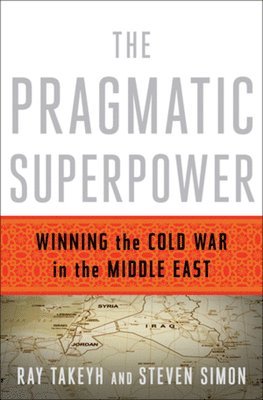
Pragmatic Superpower
Winning the Cold War in the Middle East
Inbunden, 2016
222 kr
Tillfälligt slut
The Arab Spring, Iran’s nuclear ambitions, the Iraq war, and the Syrian civil war—these contemporary conflicts have deep roots in the Middle East’s postwar emergence from colonialism.In The Pragmatic Superpower, foreign policy experts Ray Takeyh and Steven Simon reframe the legacy of U.S. …