Raymond J. McKoski - Böcker
Visar alla böcker från författaren Raymond J. McKoski. Handla med fri frakt och snabb leverans.
3 produkter
3 produkter
583 kr
Skickas
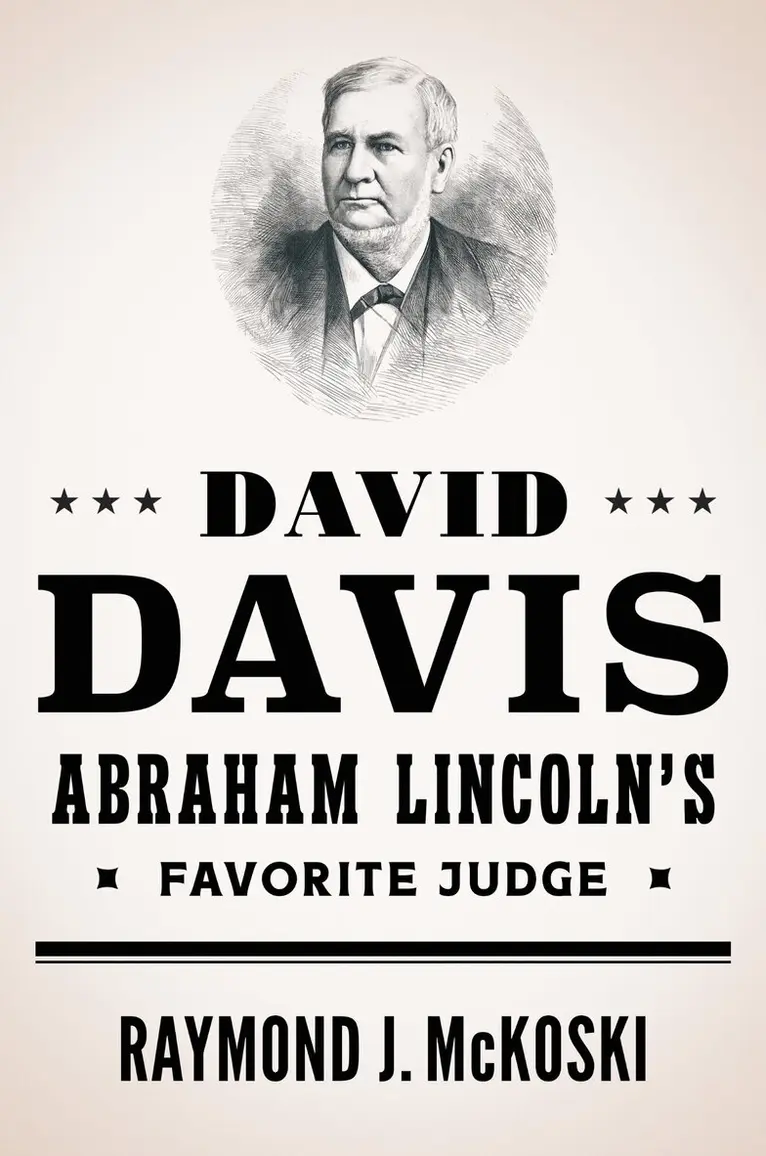
One of Abraham Lincoln’s staunchest and most effective allies, Judge David Davis masterminded the floor fight that gave Lincoln the presidential nomination at the 1860 Republican National Convention. This history-changing event emerged from a long friendship between the two men. It also altered the course of Davis’s career, as Lincoln named him to the U.S. Supreme Court in 1862. Raymond J. McKoski offers a biography of Davis’s public life, his impact on the presidency and judiciary, and his personal, professional, and political relationships with Lincoln. Davis lent his vast network of connections, organizational and leadership abilities, and personal persuasiveness to help Lincoln’s political rise. When Davis became a judge, he honed an ability to hear each case with complete impartiality, a practice that endeared him to Lincoln but one day put him at odds with the president over important Civil War–era rulings. McKoski details these cases while providing an in-depth account of Davis’s role in Lincoln’s two unsuccessful campaigns for U.S. Senate and the fateful run for the presidency.
1 476 kr
Skickas inom 10-15 vardagar
To maintain public confidence in the judiciary, judges are governed by the strictest of ethical codes. Codes of conduct not only circumscribe a judge’s official conduct but also restrict every aspect of a judge’s off-bench life. Judges in Street Clothes: Acting Ethically Off-the-Bench provides an in-depth analysis of the rules limiting the charitable, educational, religious, fraternal, civic, and law-related extrajudicial activities of state and federal judges. This comprehensive, heavily footnoted resource examines: (1) the historical development of the American Bar Association’s four model judicial codes with an emphasis on the rules regulating the charitable, educational, religious, fraternal, civic, and law-related activities of judges; (2) the State’s interests in restricting the extrajudicial activities of judges; (3) the strengths and weaknesses of rules governing a judge’s off-bench activities; (4) how state and federal courts, judicial disciplinary commissions, and judicial ethics advisory committees have interpreted judicial conduct rules; (5) best practices for judges; and (6) the constitutionality of the restrictions on a judge’s charitable, educational, religious, fraternal, civic, and law-related undertakings.From both a theoretical and practical standpoint, this book addresses the ethical implications of the everyday activities of judges. How far may a judge go in expressing personal opinions about social and legal issues? What are the limits on a judge’s use of social media? Is it permissible for a judge to receive an award from a victim advocacy group? Do the rules permit a judge to speak at a church or bar association’s fund-raising dinner? May judges teach prosecutors and law enforcement officials how to improve their job performance? May a judge appear in an informational video for the judge’s alma mater? Former judge Raymond J. McKoski discusses these and a host of other everyday situations judges face in their attempts to remain involved community members while promoting public confidence in the independence, integrity, and impartiality of the judiciary.
541 kr
Skickas inom 10-15 vardagar
To maintain public confidence in the judiciary, judges are governed by the strictest of ethical codes. Codes of conduct not only circumscribe a judge’s official conduct but also restrict every aspect of a judge’s off-bench life. Judges in Street Clothes: Acting Ethically Off-the-Bench provides an in-depth analysis of the rules limiting the charitable, educational, religious, fraternal, civic, and law-related extrajudicial activities of state and federal judges. This comprehensive, heavily footnoted resource examines: (1) the historical development of the American Bar Association’s four model judicial codes with an emphasis on the rules regulating the charitable, educational, religious, fraternal, civic, and law-related activities of judges; (2) the State’s interests in restricting the extrajudicial activities of judges; (3) the strengths and weaknesses of rules governing a judge’s off-bench activities; (4) how state and federal courts, judicial disciplinary commissions, and judicial ethics advisory committees have interpreted judicial conduct rules; (5) best practices for judges; and (6) the constitutionality of the restrictions on a judge’s charitable, educational, religious, fraternal, civic, and law-related undertakings.From both a theoretical and practical standpoint, this book addresses the ethical implications of the everyday activities of judges. How far may a judge go in expressing personal opinions about social and legal issues? What are the limits on a judge’s use of social media? Is it permissible for a judge to receive an award from a victim advocacy group? Do the rules permit a judge to speak at a church or bar association’s fund-raising dinner? May judges teach prosecutors and law enforcement officials how to improve their job performance? May a judge appear in an informational video for the judge’s alma mater? Former judge Raymond J. McKoski discusses these and a host of other everyday situations judges face in their attempts to remain involved community members while promoting public confidence in the independence, integrity, and impartiality of the judiciary.