Raymond L. Garthoff - Böcker
Visar alla böcker från författaren Raymond L. Garthoff. Handla med fri frakt och snabb leverans.
9 produkter
9 produkter
2 578 kr
Skickas inom 10-15 vardagar
This book, first published in 1954, is a key analysis of the guiding policies, basic assumptions, fundamental principles and methods of the Red Army, in many respects the most powerful force in the Cold War. This analysis examines the strategy and tactics, weapons systems, training, discipline and political doctrine of the Red Army, as well as focusing on the political control of the USSR and its satellite states.
697 kr
Skickas inom 10-15 vardagar
This book, first published in 1954, is a key analysis of the guiding policies, basic assumptions, fundamental principles and methods of the Red Army, in many respects the most powerful force in the Cold War. This analysis examines the strategy and tactics, weapons systems, training, discipline and political doctrine of the Red Army, as well as focusing on the political control of the USSR and its satellite states.
330 kr
Skickas inom 10-15 vardagar
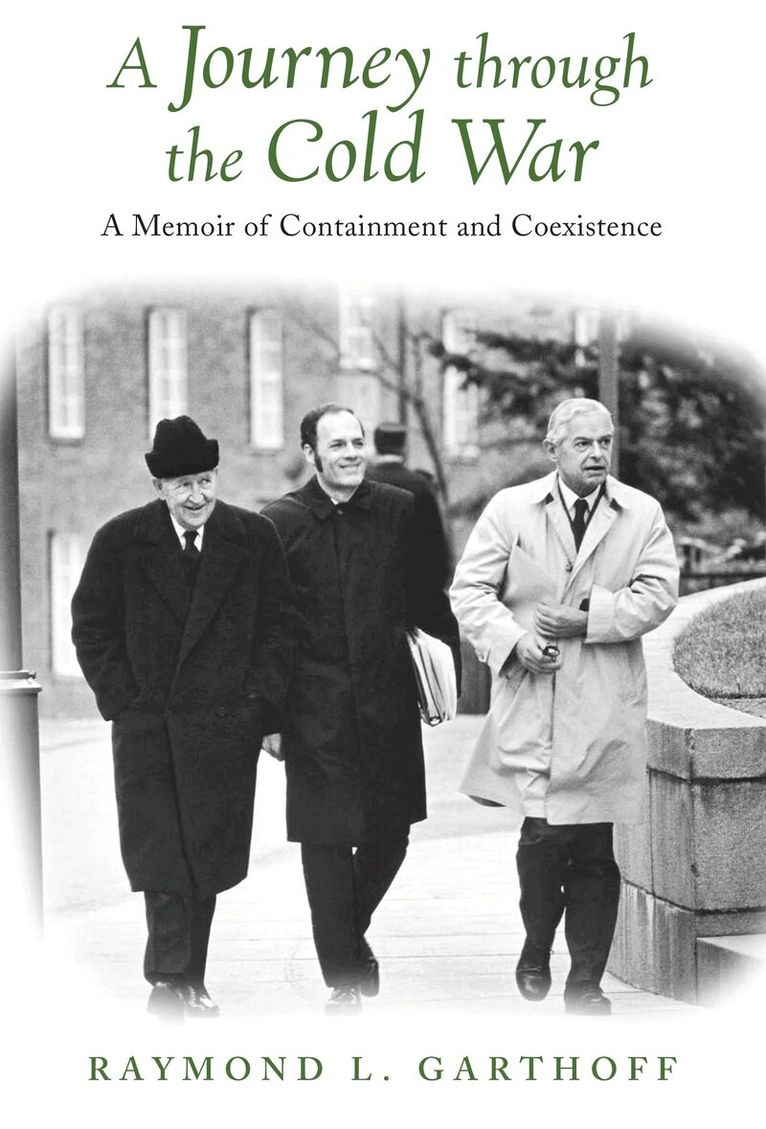
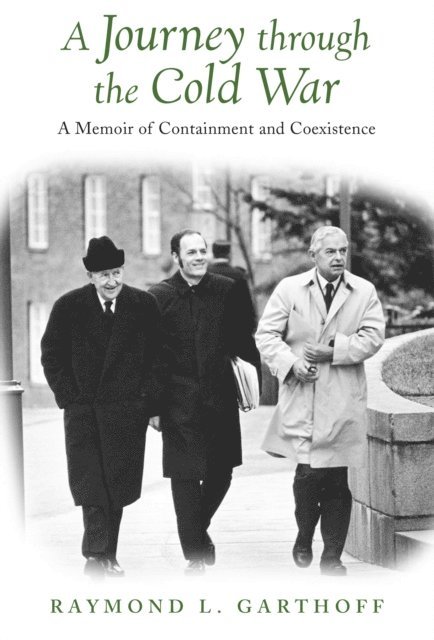
In this memoir, Ambassador Ray Garthoff paints a dynamic diplomatic history of the cold war, tracing the life of the conflict from the vantage points of an observant insider. His intellectually formative years coincided with the earliest days of the cold war, and during his forty-year career, Garthoff participated in some of the most important policymaking of the twentieth century: In the late 1950s he carried out pioneering research on Soviet military affairs at the Rand Corporation. During his four-year tenure at the CIA (1957-61), in addition to drafting national intellingence estimates, Garthoff made trips to the Soviet Union with Vice President Richard Nixon and as an interpreter for a delegation from the Atomic Energy Commission. As a special assistant in the State Department, Garthoff worked with Secretary Dean Rusk., and he was directly involved in the Cuban missile crisis of 1962. Later he served as executive officer and senior State Department adviser for the strategic arms limitation talks (SALT) delegation. In the 1970s he served as a senior Foreign Service inspector, leading missions to a number of countries around the globe. As U.S. Ambassador to Bulgaria (1977-79), Garthoff gained first-hand knowledge of the workings of a communist state and of the Soviet bloc. In the 1980s, Garthoff wrote two major studies of American-Soviet relations. He traveled to the Soviet Union nearly a dozen times in the final decade of the cold war, and in the early 1990s he had access to the former Soviet Communist Party archives in Moscow. Garthoff¡'s journey through the Cold War informs the views, positions, and actions of the past. His anecdotes and observations will be of great value to those anticipating the challenges of reevaluating American post-cold war security policy.
274 kr
Skickas inom 10-15 vardagar
Dramatic changes under way in the Soviet union and the world have significant implications for American security policy. Soviet expert Raymond L. Garthoff makes use of unique, newly available materialincluding a complete file of the confidential Soviet General Staff journalto illuminate the development of Soviet military thinking. In this groundbreaking study, Garthoff explains that the Soviets regard nuclear deterrence only as a necessary interim safeguard, not a solution to the quest for security. He examines the implications of the ""remarkable recasting of the Soviet concept of security"" for U.S. policy and global security.
675 kr
Skickas inom 10-15 vardagar
364 kr
Skickas inom 5-8 vardagar
210 kr
Skickas inom 5-8 vardagar
Soviet Leaders and Intelligence
Assessing the American Adversary during the Cold War
Inbunden, Engelska, 2015
1 044 kr
Skickas inom 7-10 vardagar
During the Cold War, the political leadership of the Soviet Union avidly sought intelligence about its main adversary, the United States. Although effective on an operational level, Soviet leaders and their intelligence chiefs fell short when it came to analyzing intelligence. Soviet leaders were often not receptive to intelligence that conflicted with their existing beliefs, and analysts were reluctant to put forward assessments that challenged ideological orthodoxy. There were, however, important changes over time. Ultimately the views of an enlightened Soviet leader, Gorbachev, trumped the ideological blinders of his predecessors and the intelligence service's dedication to an endless duel with their ideologically spawned "main adversary," making it possible to end the Cold War. Raymond Garthoff draws on over five decades of personal contact with Soviet diplomats, intelligence officers, military leaders, and scholars during his remarkable career as an analyst, senior diplomat, and historian. He also builds on previous scholarship and examines documents from Soviet and Western archives.Soviet Leaders and Intelligence offers an informed and highly readable assessment of how the Soviets understood-and misunderstood-the intentions and objectives of their Cold War adversary.
Soviet Leaders and Intelligence
Assessing the American Adversary during the Cold War
Häftad, Engelska, 2015
351 kr
Skickas inom 7-10 vardagar
During the Cold War, the political leadership of the Soviet Union avidly sought intelligence about its main adversary, the United States. Although effective on an operational level, Soviet leaders and their intelligence chiefs fell short when it came to analyzing intelligence. Soviet leaders were often not receptive to intelligence that conflicted with their existing beliefs, and analysts were reluctant to put forward assessments that challenged ideological orthodoxy. There were, however, important changes over time. Ultimately the views of an enlightened Soviet leader, Gorbachev, trumped the ideological blinders of his predecessors and the intelligence service's dedication to an endless duel with their ideologically spawned "main adversary," making it possible to end the Cold War. Raymond Garthoff draws on over five decades of personal contact with Soviet diplomats, intelligence officers, military leaders, and scholars during his remarkable career as an analyst, senior diplomat, and historian. He also builds on previous scholarship and examines documents from Soviet and Western archives.Soviet Leaders and Intelligence offers an informed and highly readable assessment of how the Soviets understood-and misunderstood-the intentions and objectives of their Cold War adversary.