Raymond Martin – författare
Visar alla böcker från författaren Raymond Martin. Handla med fri frakt och snabb leverans.
21 produkter
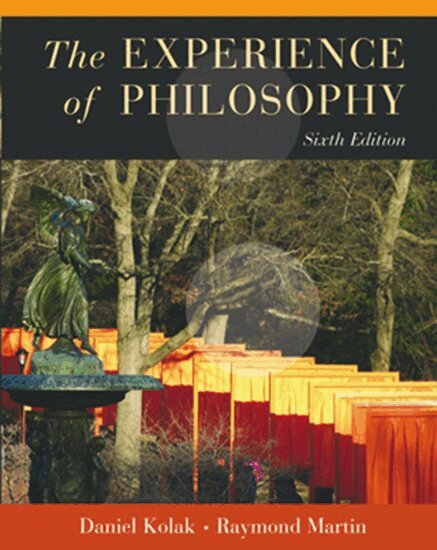
The Experience of Philosophy
Av Daniel Kolak, Raymond Martin
Häftad, 2026
2344 kr
Lägg i varukorg
This exceptional anthology immerses students in such powerful ideas that they will find themselves not just reading about, but actually participating in, the kind of philosophical thinking that can change the way they look at their lives and the world around them.Now in a new edition, The …
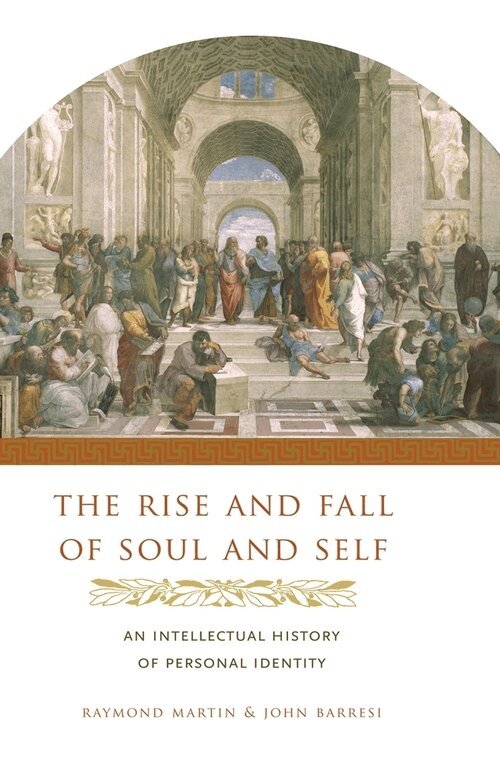
Rise and Fall of Soul and Self
An Intellectual History of Personal Identity
Av Raymond Martin, John Barresi
Inbunden, 2006
1381 kr
Lägg i varukorg
This book traces the development of theories of the self and personal identity from the ancient Greeks to the present day. From Plato and Aristotle to Freud and Foucault, Raymond Martin and John Barresi explore the works of a wide range of thinkers and reveal the larger intellectual trends, …
Rise and Fall of Soul and Self
An Intellectual History of Personal Identity
Av Raymond Martin, John Barresi
Häftad, 2008
350 kr
Lägg i varukorg
This book traces the development of theories of the self and personal identity from the ancient Greeks to the present day. From Plato and Aristotle to Freud and Foucault, Raymond Martin and John Barresi explore the works of a wide range of thinkers and reveal the larger intellectual trends, …
Rise and Fall of Soul and Self
An Intellectual History of Personal Identity
Av Raymond Martin, John Barresi
E-bok, 2006
530 kr
Lägg i varukorg
This book traces the development of theories of the self and personal identity from the ancient Greeks to the present day. From Plato and Aristotle to Freud and Foucault, Raymond Martin and John Barresi explore the works of a wide range of thinkers and reveal the larger intellectual trends, …
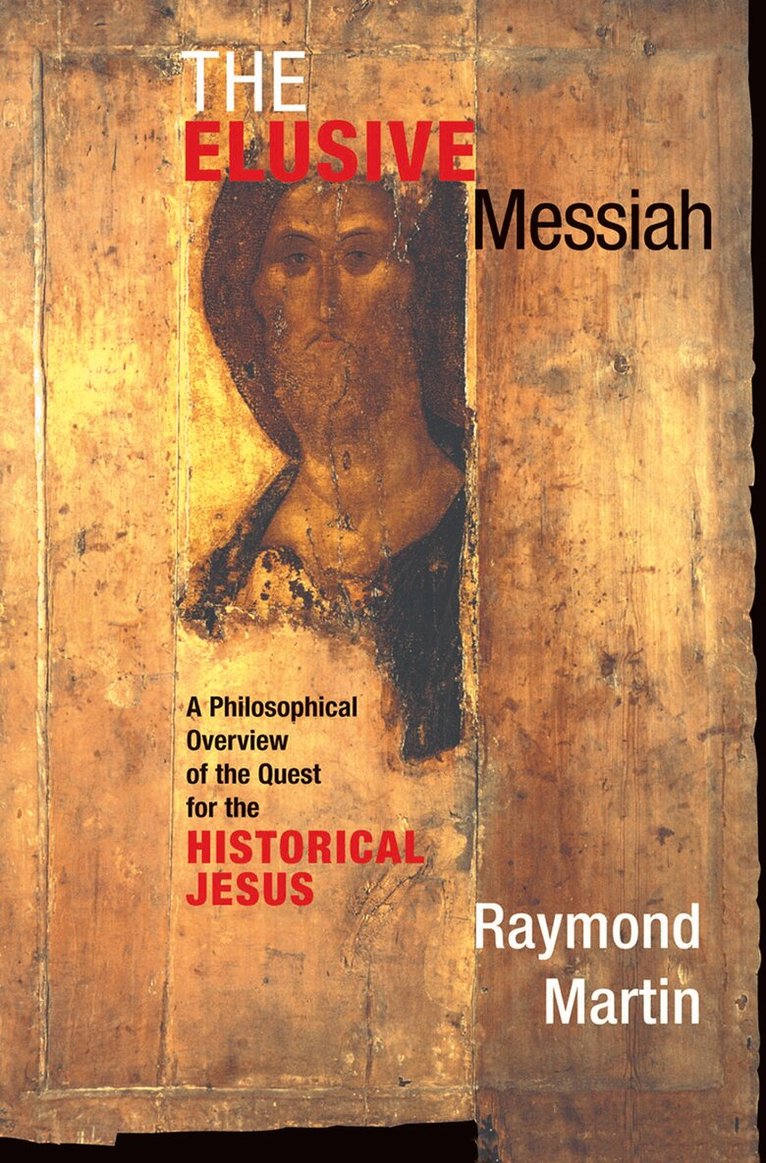
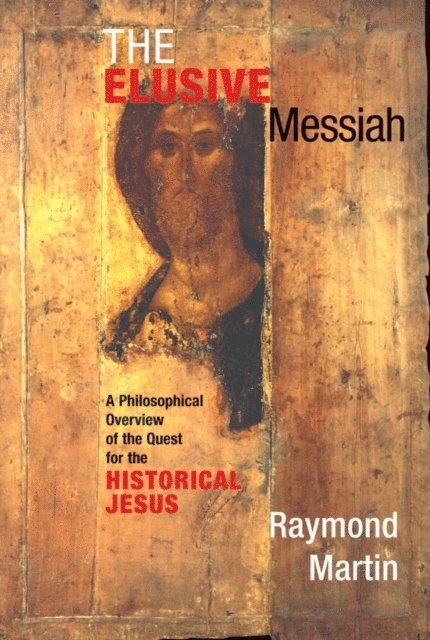
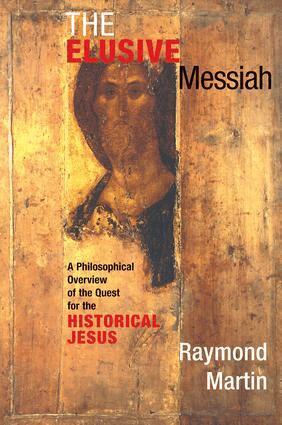
Elusive Messiah
A Philosophical Overview Of The Quest For The Historical Jesus
Inbunden, 2019
2512 kr
Lägg i varukorg
What might the findings of researchers engaged in the quest for the historical Jesus mean to Christians? In posing this question and others, The Elusive Messiah opens a window for looking anew at the age old problem of faith vs. reason.To fully understand the implications of the historical search, …
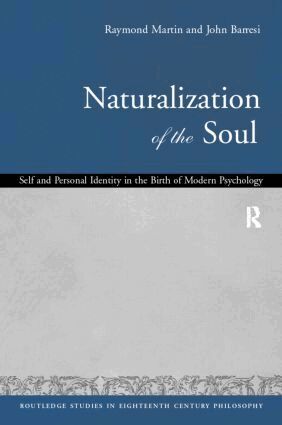
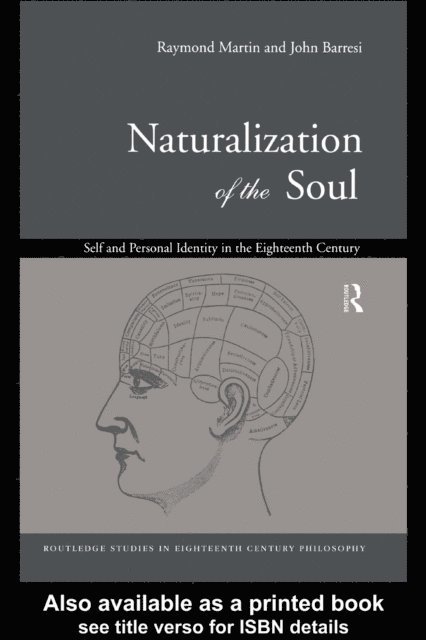
Naturalization of the Soul
Self and Personal Identity in the Eighteenth Century
Av John Barresi, Raymond Martin
Inbunden, 1999
2512 kr
Lägg i varukorg
Naturalization of the Soul charts the development of the concepts of soul and self in Western thought, from Plato to the present. It fills an important gap in intellectual history by being the first book to emphasize the enormous intellectual transformation in the eighteenth century, when the …
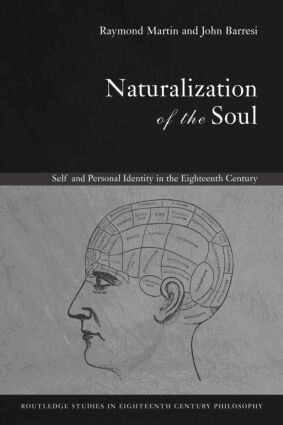
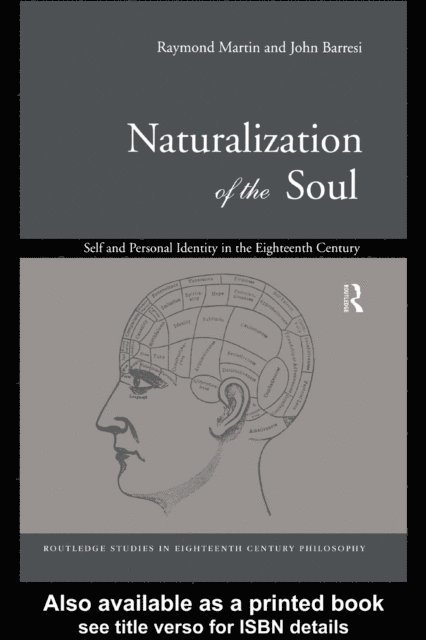
Naturalization of the Soul
Self and Personal Identity in the Eighteenth Century
Av John Barresi, Raymond Martin
Häftad, 2004
822 kr
Lägg i varukorg
Naturalization of the Soul charts the development of the concepts of soul and self in Western thought, from Plato to the present. It fills an important gap in intellectual history by being the first book to emphasize the enormous intellectual transformation in the eighteenth century, when the …
Elusive Messiah
A Philosophical Overview Of The Quest For The Historical Jesus
E-bok, 2018
762 kr
Lägg i varukorg
What might the findings of researchers engaged in the quest for the historical Jesus mean to Christians? In posing this question and others, The Elusive Messiah opens a window for looking anew at the age old problem of faith vs. reason.To fully understand the implications of the historical search, …
Elusive Messiah
A Philosophical Overview Of The Quest For The Historical Jesus
E-bok, 2018
762 kr
Lägg i varukorg
What might the findings of researchers engaged in the quest for the historical Jesus mean to Christians? In posing this question and others, The Elusive Messiah opens a window for looking anew at the age old problem of faith vs. reason.To fully understand the implications of the historical search, …
Self-Concern
An Experiential Approach to What Matters in Survival
Häftad, 2008
557 kr
Lägg i varukorg
This book is a major contribution to the philosophical literature on the nature of the self, personal identity and survival. Its distinctive methodology is one that is phenomenologically descriptive rather than metaphysical and normative. On the basis of this approach Raymond Martin shows that the …
Self-Concern
An Experiential Approach to What Matters in Survival
Av Raymond Martin, Ernest Sosa
Inbunden, 1997
1609 kr
Lägg i varukorg
This book is a major contribution to the philosophical literature on the nature of the self, personal identity and survival. Its distinctive methodology is one that is phenomenologically descriptive rather than metaphysical and normative. On the basis of this approach Raymond Martin shows that the …
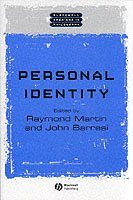
Personal Identity
Inbunden, 2002
1597 kr
Lägg i varukorg
Personal Identity brings together the most important readings on personal identity theory. Brings together 13 of the most important readings on personal identity theory.Includes a detailed introductory historical essay, tracing the origins of personal identity theory.Features essays by David Lewis, …
Personal Identity
Häftad, 2002
496 kr
Lägg i varukorg
Personal Identity brings together the most important readings on personal identity theory. Brings together 13 of the most important readings on personal identity theory.Includes a detailed introductory historical essay, tracing the origins of personal identity theory.Features essays by David Lewis, …
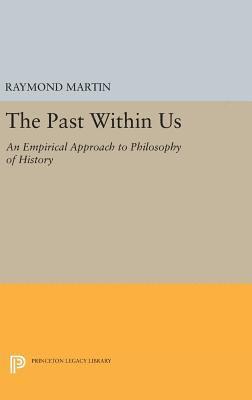
Past Within Us
An Empirical Approach to Philosophy of History
Häftad, 2014
370 kr
Lägg i varukorg
Why do we interpret the past as we do, rather than in some other way or not at all? What is the significance of the fact that we interpret the past? What are historical interpretations? Raymond Martin's approach to these questions transcends both the positivist and humanistic perspectives that have …
Past Within Us
An Empirical Approach to Philosophy of History
Inbunden, 2016
1465 kr
Lägg i varukorg
Why do we interpret the past as we do, rather than in some other way or not at all? What is the significance of the fact that we interpret the past? What are historical interpretations? Raymond Martin's approach to these questions transcends both the positivist and humanistic perspectives that have …
Elusive Messiah
A Philosophical Overview Of The Quest For The Historical Jesus
Häftad, 2000
650 kr
Lägg i varukorg
What might the findings of researchers engaged in the quest for the historical Jesus mean to Christians? In posing this question and others, The Elusive Messiah opens a window for looking anew at the age old problem of faith vs. reason.To fully understand the implications of the historical search, …
Naturalization of the Soul
Self and Personal Identity in the Eighteenth Century
Av Raymond Martin, John Barresi
E-bok, 2012
970 kr
Lägg i varukorg
Naturalization of the Soul charts the development of the concepts of soul and self in Western thought, from Plato to the present. It fills an important gap in intellectual history by being the first book to emphasize the enormous intellectual transformation in the eighteenth century, when the …
Naturalization of the Soul
Self and Personal Identity in the Eighteenth Century
Av Raymond Martin, John Barresi
E-bok, 2012
949 kr
Lägg i varukorg
Naturalization of the Soul charts the development of the concepts of soul and self in Western thought, from Plato to the present. It fills an important gap in intellectual history by being the first book to emphasize the enormous intellectual transformation in the eighteenth century, when the …
Past Within Us
An Empirical Approach to Philosophy of History
E-bok, 2014
500 kr
Lägg i varukorg
Why do we interpret the past as we do, rather than in some other way or not at all? What is the significance of the fact that we interpret the past? What are historical interpretations? Raymond Martin's approach to these questions transcends both the positivist and humanistic perspectives that have …