Rebecca I. Denova - Böcker
Visar alla böcker från författaren Rebecca I. Denova. Handla med fri frakt och snabb leverans.
6 produkter
6 produkter
1 055 kr
Skickas inom 7-10 vardagar
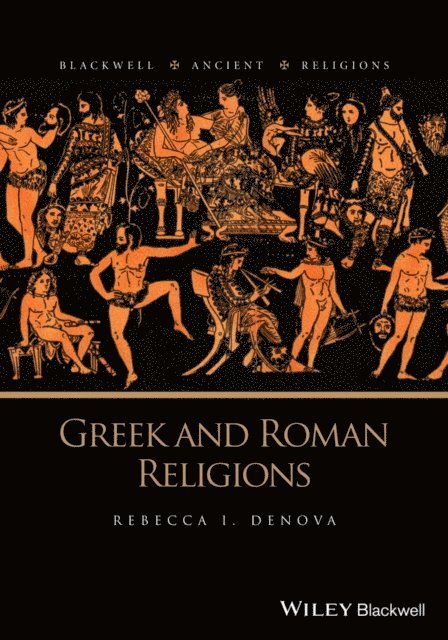
Offers an introduction to the basic beliefs, practices, and major deities of Greek and Roman religionsA volume in the Blackwell Ancient Religions, Greek and Roman Religions offers an authoritative overview of the region’s ancient religious practices. The author—a noted expert in the field—explores the presence of divinity in all aspects of ancient life and highlights the origins of myth, religious authority, institutions, beliefs, rituals, sacred texts, and ethics. Comprehensive in scope, the text focuses on myriad aspects that constitute Greco-Roman culture such as economic class, honor and shame, and slavery as well as the religious role of each member of the family. The integration of ethnic and community identity with divine elements are highlighted in descriptions of religious festivals.Greek and Roman Religions presents the evolution of ideas concerning death and the afterlife and the relation of death to concepts of ultimate justice. The author also offers insight into the elements of ancient religions that remain important in our contemporary quest for meaning. This vital text: Offers a comprehensive review of ancient Greek and Roman religions and their institutions, beliefs, rituals, and moreExamines how the Roman culture and religions borrowed from the Greek traditionsExplores the ancient civilizations of the Mediterranean BasinContains suggestions at the end of each chapter for further reading that include both traditional studies and more recent examinations of topical issuesWritten for students of ancient religions and religious studies, this important resource provides an overview of the ancient culture and history of the general region as well as the basic background of Greek and Roman civilizations.
521 kr
Skickas inom 7-10 vardagar
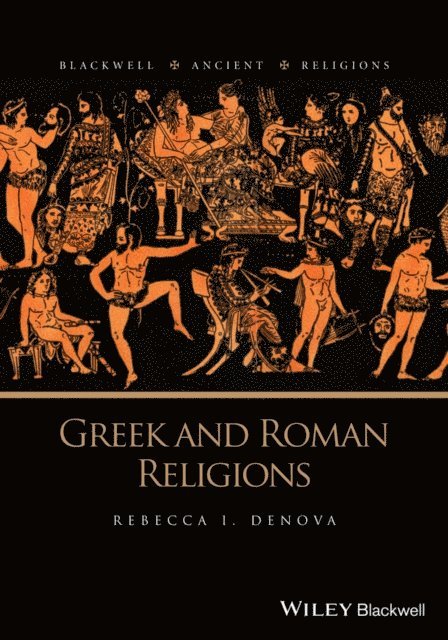
Offers an introduction to the basic beliefs, practices, and major deities of Greek and Roman religionsA volume in the Blackwell Ancient Religions, Greek and Roman Religions offers an authoritative overview of the region’s ancient religious practices. The author—a noted expert in the field—explores the presence of divinity in all aspects of ancient life and highlights the origins of myth, religious authority, institutions, beliefs, rituals, sacred texts, and ethics. Comprehensive in scope, the text focuses on myriad aspects that constitute Greco-Roman culture such as economic class, honor and shame, and slavery as well as the religious role of each member of the family. The integration of ethnic and community identity with divine elements are highlighted in descriptions of religious festivals.Greek and Roman Religions presents the evolution of ideas concerning death and the afterlife and the relation of death to concepts of ultimate justice. The author also offers insight into the elements of ancient religions that remain important in our contemporary quest for meaning. This vital text: Offers a comprehensive review of ancient Greek and Roman religions and their institutions, beliefs, rituals, and moreExamines how the Roman culture and religions borrowed from the Greek traditionsExplores the ancient civilizations of the Mediterranean BasinContains suggestions at the end of each chapter for further reading that include both traditional studies and more recent examinations of topical issuesWritten for students of ancient religions and religious studies, this important resource provides an overview of the ancient culture and history of the general region as well as the basic background of Greek and Roman civilizations.
560 kr
Skickas inom 7-10 vardagar
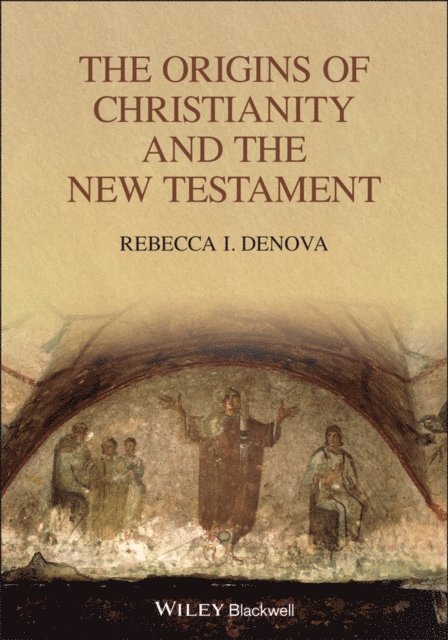
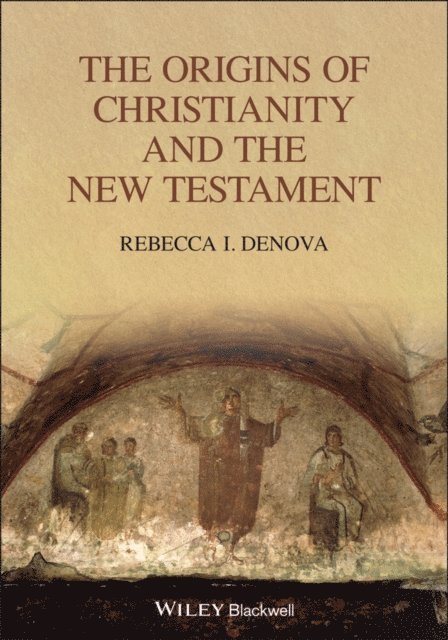
In The Origins of Christianity and the New Testament, distinguished scholar Rebecca I. Denova explores how the first followers of Jesus arrived at their faith, the way their sacred texts developed into the New Testament, and how their movement eventually became the religion of Christianity. This accessible volume examines the concepts, beliefs, issues, and events that gave rise to institutional Christianity—providing readers with the historical context of the gospels of Mark, Matthew, Luke, and John, the Acts of the Apostles, the Book of Revelation, the letters of Paul, and other foundational New Testament documents.Approaching the subject from the multidisciplinary perspective of Religious Studies, the author addresses topics including the ethnic and religious background of “Jesus the Jew,” the New Testament’s different portraits of Jesus, the genesis of Christian concepts such as the divine incarnation and “second coming” of Jesus, Paul the Apostle’s contributions to Christian dogma, how ancient Judaism, Greco-Roman culture, and early philosophy was incorporated into the Christian tradition, and more.Containing maps, timelines, figures of archaeological sites, a brief history of ancient Judaism, and a wealth of pedagogical features, The Origins of Christianity and the New Testament is an excellent textbook for all undergraduate and graduate courses in the study of ancient Christianity, as well as lay readers with interest in tracing the roots of the Christian faith.
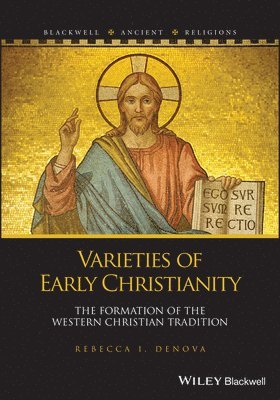
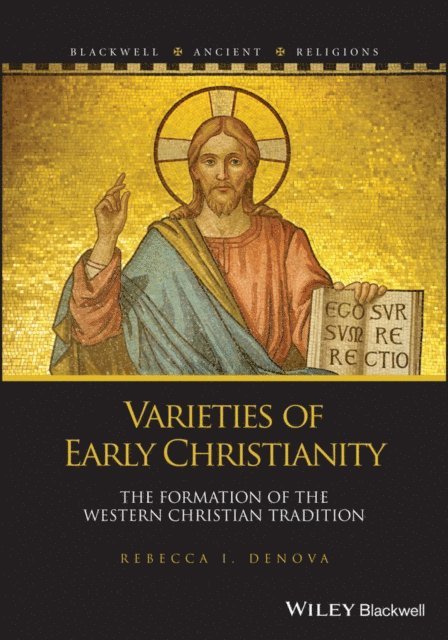
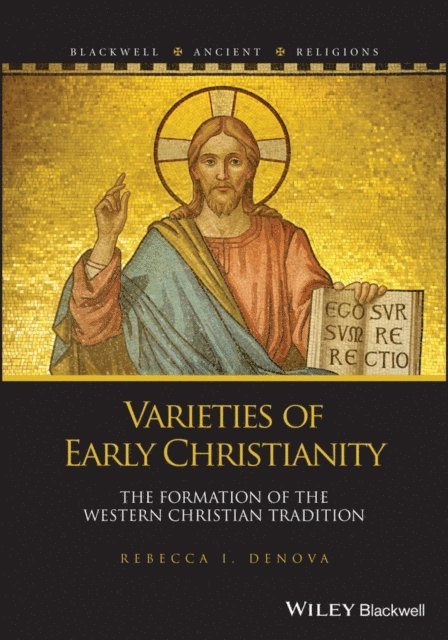
Varieties of Early Christianity
The Formation of the Western Christian Tradition
Häftad, Engelska, 2023
453 kr
Skickas inom 7-10 vardagar
Provides a broad and balanced understanding of how Christianity originated in the first five centuries Varieties of Early Christianity: The Formation of the Western Christian Tradition traces the origins and evolution of Christian concepts from the first through the sixth century CE, exploring the events, issues, and individuals that helped shape the beliefs and practices of Christianity. With a multidisciplinary Religious Studies approach, this reader-friendly textbook places the early sources of Christian teaching within their historical and cultural contexts to highlight what gave rise to the beliefs and rituals that Christians follow in the present day. Chronologically organized chapters analyse the ways in which Christians absorbed and adapted ancient concepts from Judaism and Greco-Roman religion and culture from the first through the sixth centuries. Combining both traditions, early bishops, Church Fathers, and theologians added innovations that contributed to the establishment of a unique systematic theology (dogma) that became “Christianity.” Throughout the text, readers are encouraged to consider how the ways early Christians integrated their worldviews, politics, and daily lives can help articulate their own “systems of meaning” in the modern world. Helps readers navigate the vast amount of Christian literature produced in the early centuries of the ChurchProvides the religious and cultural background of Judaism and Greco-Roman religion and culture, the two major contributors to Christian thought Describes the methodology used to analyze the gospels in relation to ancient literatureExplores topics such as Christian martyrs in the Roman Empire, the role of women in Mediterranean society, Gnostic Christians, the Christianization of the Roman Empire, the work of Saint Augustine, and the Council of ChalcedonIncludes excerpts from primary documents, definitions of words and concepts, further readings, and numerous figures, timelines, and mapsFeaturing concise analyses of key scholarly and archaeological research, Varieties of Early Christianity: The Formation of the Western Christian Tradition is an excellent textbook for secondary school classes and college undergraduate courses on the history of Christianity, as well as a valuable resource for general readers interested in examining the history of Christian ideas in their historical context.
463 kr
Skickas inom 7-10 vardagar
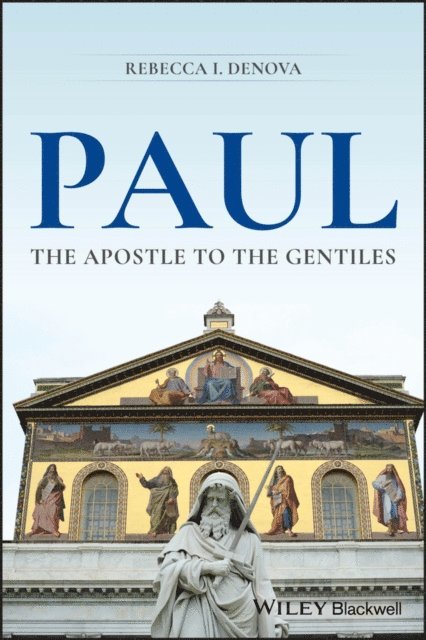
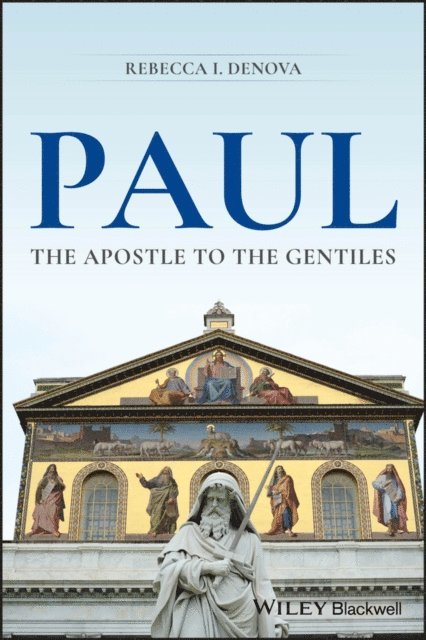
A detailed exploration of both Paul the Apostle and his world, providing an understanding of how the Christian faith originated in the first centuries Paul the Apostle is often acclaimed as “the true founder of Christianity,” but many Christians are unaware of Paul's teachings in their historical context. Paul: Apostle to the Gentiles explores both Paul and his world in the first century, investigating how he integrated his values, politics, and daily life through his teachings on the nature of God, how humans relate to God, and how to live God's commandments. With a multidisciplinary Religious Studies approach and methodology, Rebecca I. Denova sheds light on the origin and evolution of the creation of a Christian “systematic theology” that became the basis for the establishment of Orthodox Christianity, the Catholic Church, and the Protestant Reformation. Accessible chapters provide the background and history of Judaism, analyze the Pauline epistles, and explore Paul's background as a Jewish Pharisee who became a believer in Christ within the context of the cities of the Eastern Roman Empire. Throughout the text, Denova offers insights into how Paul's engagement with the ancient world can help us understand the ways today's Christians articulate their own systems of meaning. Helping readers fully understand the development of Paul's theology and its importance over the centuries, Paul: Apostle to the Gentiles: Offers analyses of the Pastoral Epistles, I and II Corinthians, I Thessalonians, the Apocryphal Acts of Paul, Romans, and other key textsExplores the ways Paul's letters established Christian hierarchy, set rules for Christian assemblies, and were used to both include and separate Christianity from JudaismDiscusses the shared concepts between Judaism and Greco-Roman religion, philosophy, and cultureIncludes “Excurses” between chapters, detailed examinations and summaries of important topics and different perspectivesContains numerous pedagogical tools, including historical timelines, maps and illustrations, definitions of concepts and terminology, references to traditional studies and recent scholarship, excerpts of ancient literature, and schematics of archaeological sitesCovering both the world of ancient Christianity and the scholarly methods used in analyses of Paul's letters, Paul: Apostle to the Gentiles is an excellent textbook for undergraduate students taking courses on the origins and history of Christianity, as well as general readers interested in Paul's life and letters.
453 kr
Skickas inom 7-10 vardagar
Explores the evolution of martyrdom across Judaism, Christianity, and Islam Martyrdom has long been a defining concept in religious traditions, shaping the identities of faith communities and influencing theological thought across centuries. Death in the Name of God: Martyrs and Martyrdom traces the historical development of this powerful idea within Judaism, Christianity, and Islam, examining how cultural, social, and political contexts have influenced evolving interpretations of martyrdom. Through a multidisciplinary lens, noted scholar Rebecca I. Denova provides a comprehensive analysis of how each tradition adapted and redefined martyrdom in response to changing historical circumstances. By offering historical depth and critical examination, the author helps readers understand how martyrdom has been utilized to define faith, legitimacy, and religious authority in different eras. An accessible yet rigorous study of the roots and transformations of martyrdom, Death in the Name of God features detailed historical context, primary source discussions, and thematic analyses. The book's three-tiered methodological framework—descriptive, comparative, and critical—guides readers through the role of martyrdom in shaping religious belief systems, including its origins in ancient traditions, its role in theological and political developments, and its continued significance in modern religious and social discourse. An essential resource for understanding the enduring impact of martyrdom in Western religious thought, Death in the Name of God: Provides a multidisciplinary analysis of martyrdom through history, incorporating anthropology, sociology, philosophy, and religious studiesExplores how martyrdom developed in response to shifting historical and cultural contextsFeatures sections that offer deeper insight into key topics such as the evolution of Satan and distinctions in martyrdom between Sunni and Shi′a IslamExamines how martyrdom transitioned from an act of deliberate sacrifice to a modern concept of victimhood and social struggleIncludes timelines, figures, and archaeological findings to provide visual and historical contextOffering a non-theological, academic perspective that fosters objective discussion on a historically and politically charged topic, Death in the Name of God: Martyrs and Martyrdom is perfect for courses in Religious Studies, History, Theology, and Middle Eastern Studies. It is particularly well-suited for degree programs in the liberal arts and social sciences, offering foundational knowledge for courses on the history of Judaism, Christianity, and Islam, as well as broader discussions on religious violence and martyrdom in contemporary society.