Rebecca Janzen - Böcker
Visar alla böcker från författaren Rebecca Janzen. Handla med fri frakt och snabb leverans.
8 produkter
8 produkter
578 kr
Skickas inom 5-8 vardagar
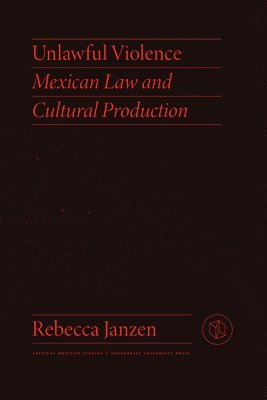
Violence has only increased in Mexico since 2000: 23,000 murders were recorded in 2016, and 29,168 in 2017.The abundance of laws and constitutional amendments that have cropped up in response are mirrored in Mexico's fragmented cultural production of the same period. Contemporary Mexican literature grapples with this splintered reality through non-linear stories from multiple perspectives, often told through shifts in time. The novels, such as Jorge Volpi's Una novela criminal [A Novel Crime] (2018) and JuliÁn Herbert's La casa del dolor ajeno [The House of the Pain of Others] (2015) take multiple perspectives and follow non-linear plotlines; other examples, such as the very short stories in ¡Basta! 100 mujeres contra la violencia de gÉnero [Enough! 100 Women against Gender-Based Violence] (2013), also present multiple perspectives.Few scholars compare cultural production and legal texts in situations like Mexico, where extreme violence coexists with a high number of human rights laws. Unlawful Violence measures fictional accounts of human rights against new laws that include constitutional amendments to reform legal proceedings, laws that protect children, laws that condemn violence against women, and laws that protect migrants and indigenous peoples. It also explores debates about these laws in the Mexican house of representatives and senate, as well as interactions between the law and the Mexican public.
1 620 kr
Skickas inom 5-8 vardagar
Violence has only increased in Mexico since 2000: 23,000 murders were recorded in 2016, and 29,168 in 2017.The abundance of laws and constitutional amendments that have cropped up in response are mirrored in Mexico's fragmented cultural production of the same period. Contemporary Mexican literature grapples with this splintered reality through non-linear stories from multiple perspectives, often told through shifts in time. The novels, such as Jorge Volpi's Una novela criminal [A Novel Crime] (2018) and JuliÁn Herbert's La casa del dolor ajeno [The House of the Pain of Others] (2015) take multiple perspectives and follow non-linear plotlines; other examples, such as the very short stories in ¡Basta! 100 mujeres contra la violencia de gÉnero [Enough! 100 Women against Gender-Based Violence] (2013), also present multiple perspectives.Few scholars compare cultural production and legal texts in situations like Mexico, where extreme violence coexists with a high number of human rights laws. Unlawful Violence measures fictional accounts of human rights against new laws that include constitutional amendments to reform legal proceedings, laws that protect children, laws that condemn violence against women, and laws that protect migrants and indigenous peoples. It also explores debates about these laws in the Mexican house of representatives and senate, as well as interactions between the law and the Mexican public.
National Body in Mexican Literature
Collective Challenges to Biopolitical Control
Inbunden, Engelska, 2015
616 kr
Skickas inom 10-15 vardagar
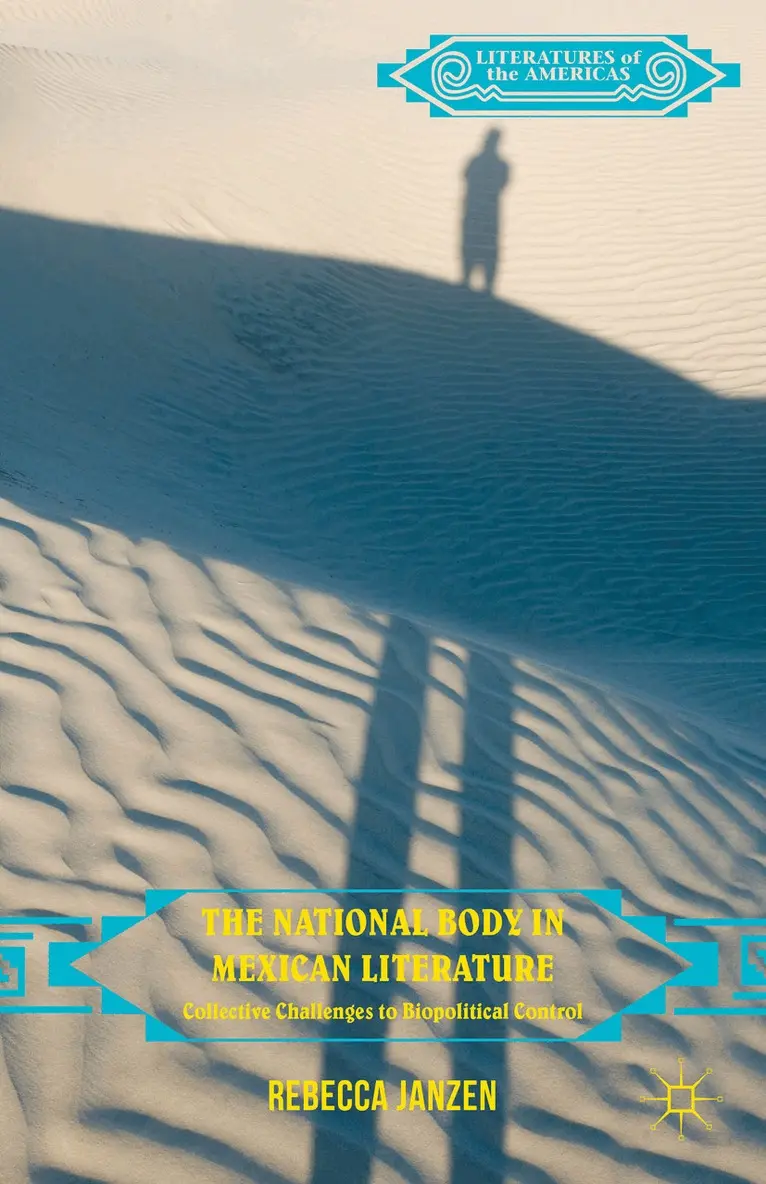
The National Body in Mexican Literature presents a revisionist reading of the Mexican canon that challenges assumptions of State hegemony and national identity. It analyzes the representation of sick, disabled, and miraculously healed bodies in Mexican literature from 1940 to 1980 in narrative fiction by Vicente Leñero, Juan Rulfo, among others.
National Body in Mexican Literature
Collective Challenges to Biopolitical Control
Häftad, Engelska, 2016
616 kr
Skickas inom 10-15 vardagar
The National Body in Mexican Literature presents a revisionist reading of the Mexican canon that challenges assumptions of State hegemony and national identity. It analyzes the representation of sick, disabled, and miraculously healed bodies in Mexican literature from 1940 to 1980 in narrative fiction by Vicente Leñero, Juan Rulfo, among others.
566 kr
Skickas inom 3-6 vardagar
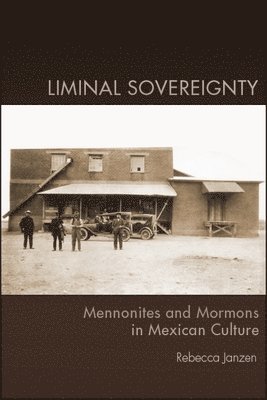
Uses cultural representations to investigate how two religious minority communities came to be incorporated into the Mexican nation.Liminal Sovereignty examines the lives of two religious minority communities in Mexico, Mennonites and Mormons, as seen as seen through Mexican culture. Mennonites emigrated from Canada to Mexico from the 1920s to the 1940s, and Mormons emigrated from the United States in the 1880s, left in 1912, and returned in the 1920s. Rebecca Janzen focuses on representations of these groups in film, television, online comics, photography, and legal documents. Janzen argues that perceptions of Mennonites and Mormons-groups on the margins and borders of Mexican society-illustrate broader trends in Mexican history. The government granted both communities significant exceptions to national laws to encourage them to immigrate; she argues that these foreshadow what is today called the Mexican state of exception. The groups' inclusion into the Mexican nation shows that post-Revolutionary Mexico was flexible with its central tenets of land reform and building a mestizo race. Janzen uses minority communities at the periphery to give us a new understanding of the Mexican nation.
1 456 kr
Skickas inom 3-6 vardagar
Uses cultural representations to investigate how two religious minority communities came to be incorporated into the Mexican nation.Liminal Sovereignty examines the lives of two religious minority communities in Mexico, Mennonites and Mormons, as seen as seen through Mexican culture. Mennonites emigrated from Canada to Mexico from the 1920s to the 1940s, and Mormons emigrated from the United States in the 1880s, left in 1912, and returned in the 1920s. Rebecca Janzen focuses on representations of these groups in film, television, online comics, photography, and legal documents. Janzen argues that perceptions of Mennonites and Mormons-groups on the margins and borders of Mexican society-illustrate broader trends in Mexican history. The government granted both communities significant exceptions to national laws to encourage them to immigrate; she argues that these foreshadow what is today called the Mexican state of exception. The groups' inclusion into the Mexican nation shows that post-Revolutionary Mexico was flexible with its central tenets of land reform and building a mestizo race. Janzen uses minority communities at the periphery to give us a new understanding of the Mexican nation.
635 kr
Skickas inom 3-6 vardagar
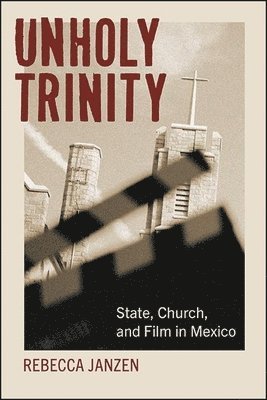
Examines representations of religion in Mexican film from the Golden Age to the early twenty-first century.Rebecca Janzen brings a unique applied understanding of religion to bear on analysis of Mexican cinema from the Golden Age of the 1930s onward. Unholy Trinity first examines canonical films like Emilio Fernández's María Candelaria and Río Escondido that mythologize Mexico's past, suggesting that religious imagery and symbols are used to negotiate the place of religion in a modernizing society. It next studies films of the 1970s, which use motifs of corruption and illicit sexuality to critique both church and state. Finally, an examination of films from the 1990s and 2000s, including Guita Schyfter's Novia que te vea, a film that portrays Mexico City's Ashkenazi and Sephardic Jewish communities in the twentieth century, and Carlos Carrera's controversial 2002 film El crimen del padre Amaro, argues that religious imagery-related to the Catholic Church, people's interpretations of Catholicism, and representations of Jewish communities in Mexico-allows the films to critically engage with Mexican politics, identity, and social issues.
1 406 kr
Skickas inom 5-8 vardagar
Examines representations of religion in Mexican film from the Golden Age to the early twenty-first century.Rebecca Janzen brings a unique applied understanding of religion to bear on analysis of Mexican cinema from the Golden Age of the 1930s onward. Unholy Trinity first examines canonical films like Emilio Fernández's María Candelaria and Río Escondido that mythologize Mexico's past, suggesting that religious imagery and symbols are used to negotiate the place of religion in a modernizing society. It next studies films of the 1970s, which use motifs of corruption and illicit sexuality to critique both church and state. Finally, an examination of films from the 1990s and 2000s, including Guita Schyfter's Novia que te vea, a film that portrays Mexico City's Ashkenazi and Sephardic Jewish communities in the twentieth century, and Carlos Carrera's controversial 2002 film El crimen del padre Amaro, argues that religious imagery-related to the Catholic Church, people's interpretations of Catholicism, and representations of Jewish communities in Mexico-allows the films to critically engage with Mexican politics, identity, and social issues.