Rebecca Joubin - Böcker
Visar alla böcker från författaren Rebecca Joubin. Handla med fri frakt och snabb leverans.
5 produkter
5 produkter
1 271 kr
Skickas inom 5-8 vardagar
808 kr
Skickas inom 10-15 vardagar
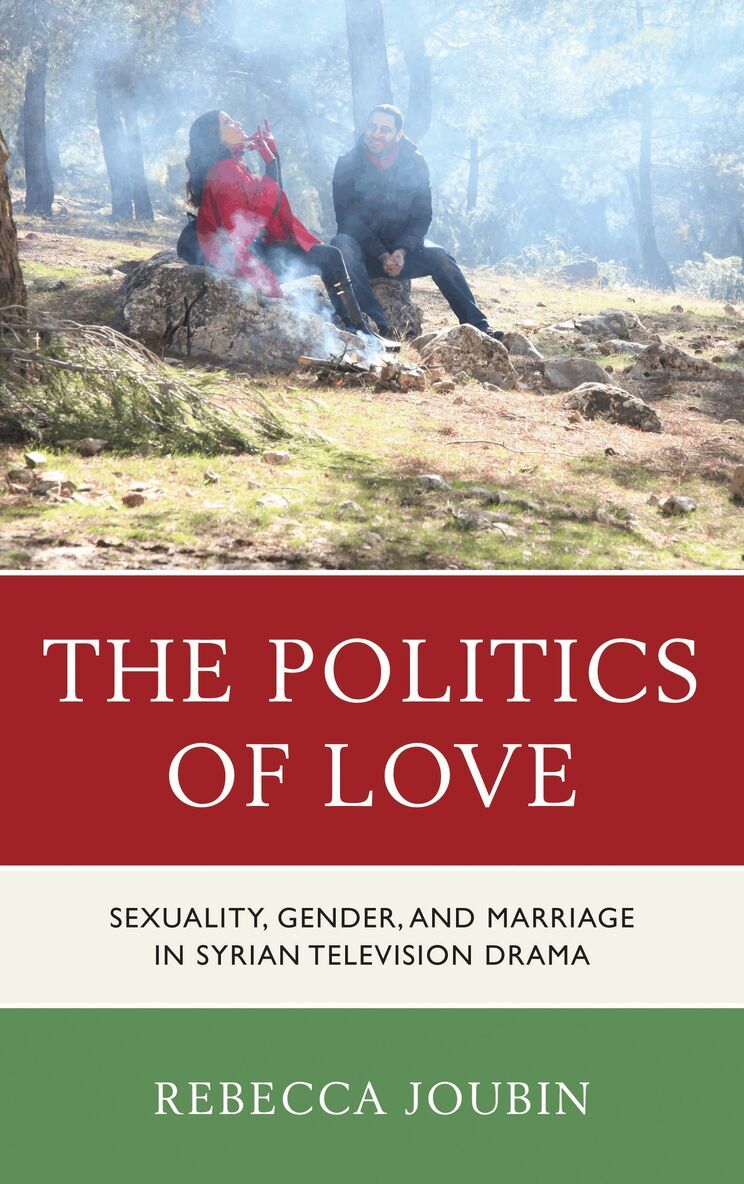
Dramatic miniseries are the primary arena for the expression of postcolonial Syrian culture and artistic talent, an arena that unites diverse aspects of artisanship in a struggle over visions of the past, present, and future of the nation. As the tour de force of the television medium, blossoming amidst persisting authoritarianism, these miniseries serve as a crucial and complex artistic avenue through which political and social opposition manifests. Scholars have tried to come to terms with a highly critical culture produced within attempted state co-optation, and argue that politically critical culture operates as a “safety valve” to release frustrations so that dissenters are less likely to mobilize against the government. Through research fueled by a viewing of over two hundred and fifty miniseries ranging from the 1960s to the present—as well as an examination of hundreds of press reports, Facebook pages, and extensive interviews with drama creators—this book turns away from the dominant paradigm that focuses on regime intent. When turning attention instead to the drama creators themselves we witness the polyphony of voices employing love and marriage metaphors and gender (de)constructions to explore larger issues of nationalism, self-identity, and political critique. At the heart of constructions of femininity are the complications that arise with the symbiosis of pure femininity with authentic national identity. Deconstructing masculinity as political critique has been less complicated since it is not implicated in Western identity issues; on the contrary, illustrations of subservient masculinity serve to subtly denounce government corruption and oppression. Miniseries from the 1960s demonstrate that the focus of the qabaday (tough man) on female sexuality comes from his own political alienation vis-à-vis the state, and is part of a vicious cycle of state violence vis-à-vis the citizen. In recent years, and in particular after the uprising, we can see the emerging definition of the true qabaday as one who does not suppress a woman’s sexuality, thereby allowing for full equality in relationships as the basis of a truly free society.
329 kr
Skickas inom 5-8 vardagar
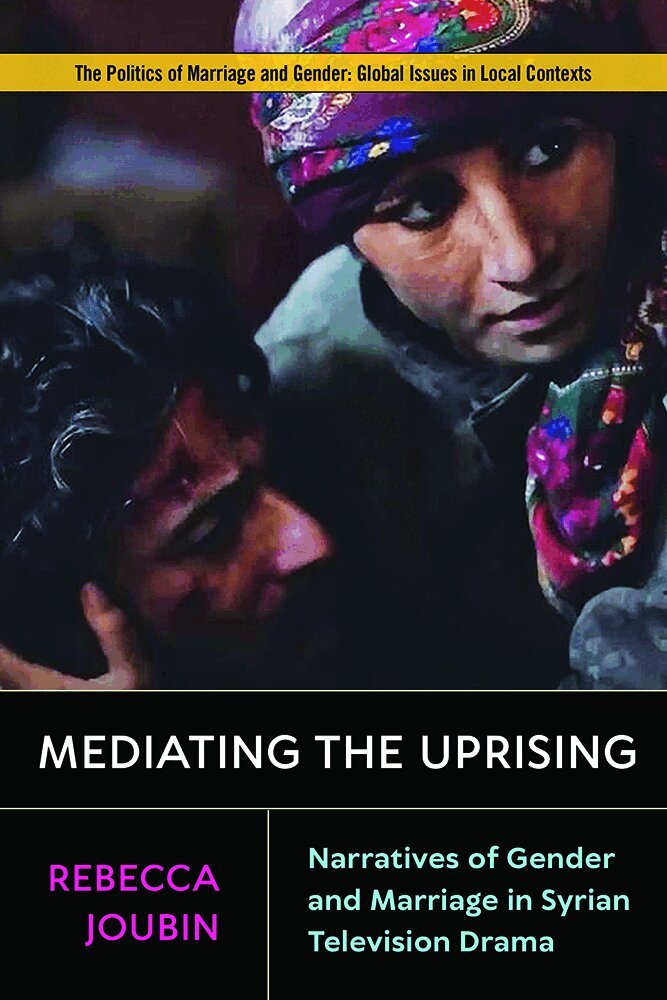
Mediating the Uprising
Narratives of Gender and Marriage in Syrian Television Drama
Häftad, Engelska, 2020
530 kr
Skickas inom 7-10 vardagar
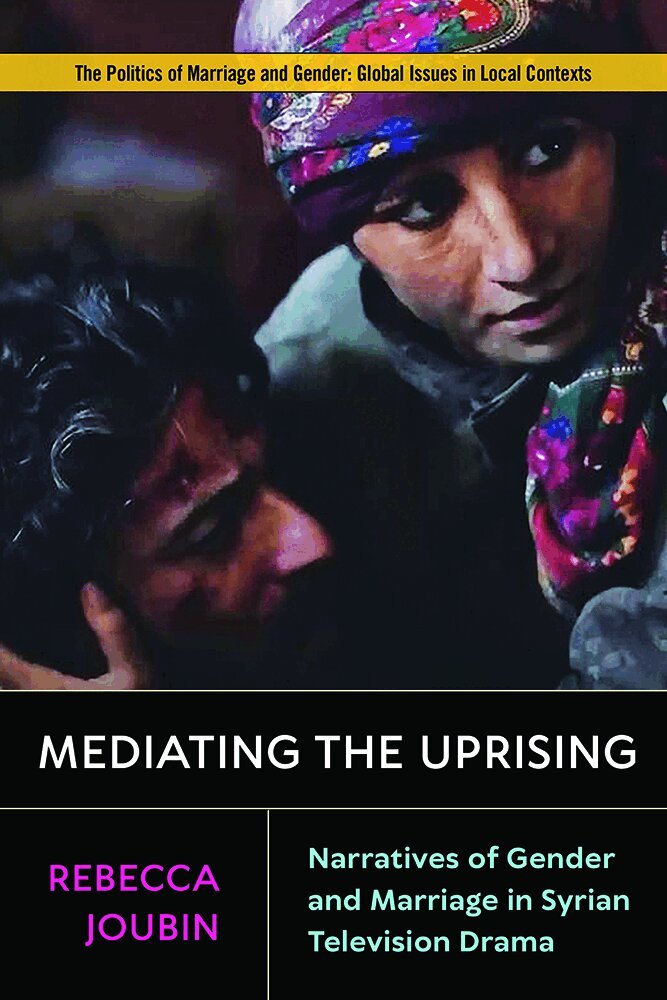
Mediating the Uprising: Narratives of Gender and Marriage in Syrian Television Drama shows how gender and marriage metaphors inform post-uprising Syrian drama for various forms of cultural and political critique. These narratives have become complicated since the uprising due to the Syrian regime's effort to control the revolutionary discourse. As Syria's uprising spawned more terrorist groups, some drama creators became nostalgic for pre-war days. While for some screenwriters a return to pre-2011 life would be welcome after so much bloodshed, others advocated profound cultural and social transformation, instead. They employed marriage and gender metaphors in the stories they wrote to engage in political critique, even at the risk of creating marketing difficulties for the shows or they created escapist stories such as transnational adaptations and Old Damascus tales. Serving as heritage preservation, Mediating the Uprising underscores that television drama creators in Syria have many ways of engaging in protest, with gender and marriage at the heart of the polemic.
Mediating the Uprising
Narratives of Gender and Marriage in Syrian Television Drama
Inbunden, Engelska, 2020
1 576 kr
Skickas inom 7-10 vardagar
Mediating the Uprising: Narratives of Gender and Marriage in Syrian Television Drama shows how gender and marriage metaphors inform post-uprising Syrian drama for various forms of cultural and political critique. These narratives have become complicated since the uprising due to the Syrian regime's effort to control the revolutionary discourse. As Syria's uprising spawned more terrorist groups, some drama creators became nostalgic for pre-war days. While for some screenwriters a return to pre-2011 life would be welcome after so much bloodshed, others advocated profound cultural and social transformation, instead. They employed marriage and gender metaphors in the stories they wrote to engage in political critique, even at the risk of creating marketing difficulties for the shows or they created escapist stories such as transnational adaptations and Old Damascus tales. Serving as heritage preservation, Mediating the Uprising underscores that television drama creators in Syria have many ways of engaging in protest, with gender and marriage at the heart of the polemic.