Rehnuma Sazzad – författare
Visar alla böcker från författaren Rehnuma Sazzad. Handla med fri frakt och snabb leverans.
4 produkter
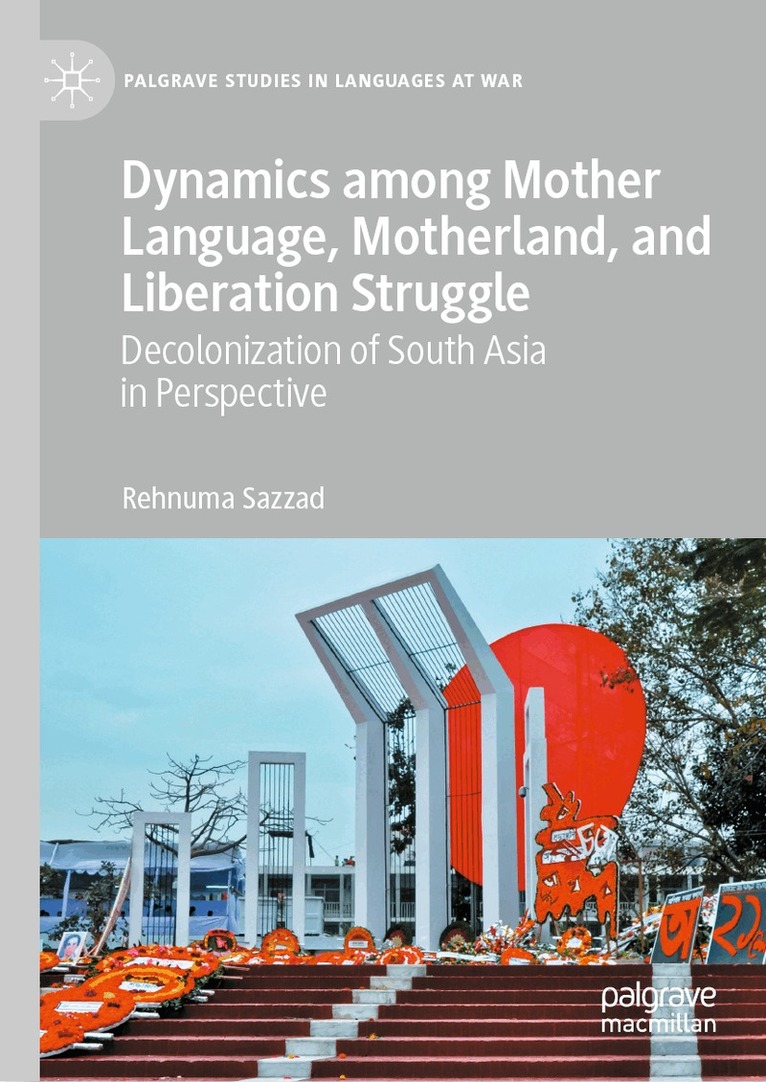
Dynamics among Mother Language, Motherland, and Liberation Struggle
Decolonization of South Asia in Perspective
Inbunden, 2026
1553 kr
Kommande
This book offers a comparative study of how language movements shaped divergent paths of nation-building in postcolonial South Asia. Focusing on East Pakistan (now Bangladesh) and Tamil-speaking regions of Sri Lanka, it examines why two linguistic struggles—both rooted in cultural rights—produced …
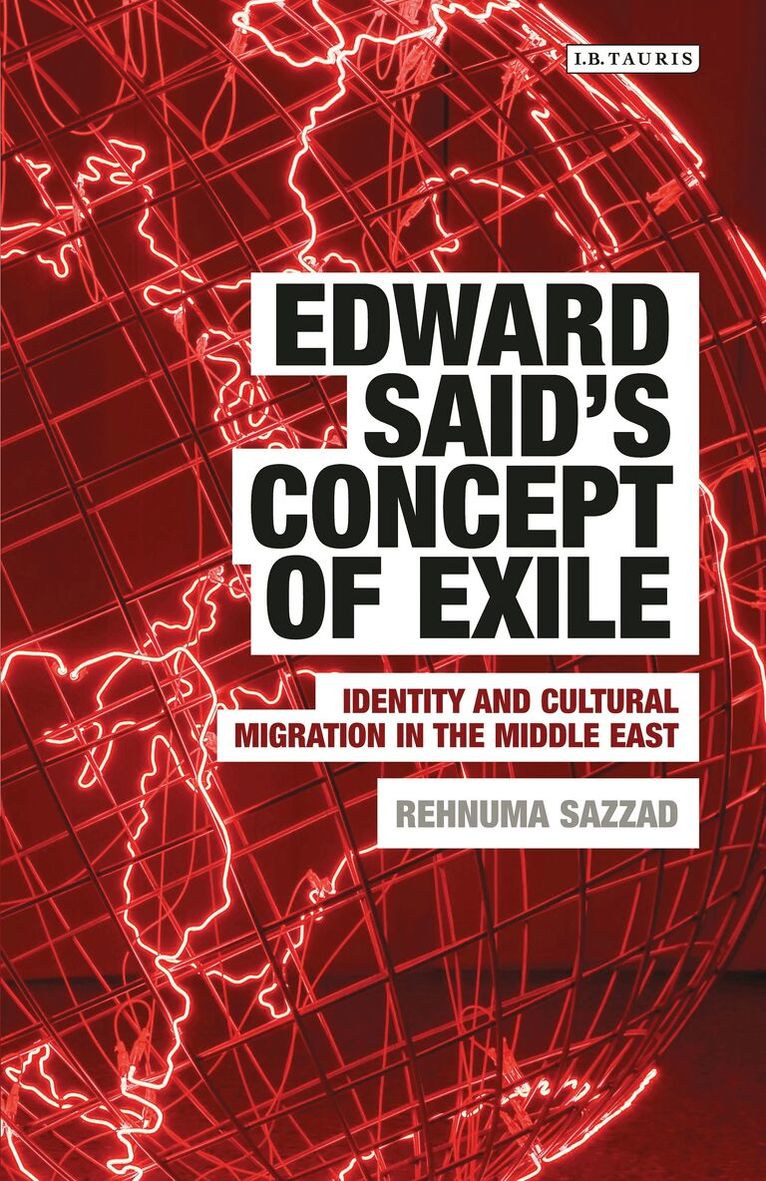
Edward Said's Concept of Exile
Identity and Cultural Migration in the Middle East
Inbunden, 2017
2113 kr
Lägg i varukorg
Edward Said was an exiled individual - the 'out of place' Palestinian in the USA. He saw the consequences of the 1948 dismantling of Palestine and the establishment of Israel through his parents' experiences and through the collective statelessness imposed on the Palestinians. His own personal …
Edward Said's Concept of Exile
Identity and Cultural Migration in the Middle East
E-bok, 2017
2330 kr
Lägg i varukorg
Edward Said was an exiled individual – the 'out of place' Palestinian in the USA. He saw the consequences of the 1948 dismantling of Palestine and the establishment of Israel through his parents' experiences and through the collective statelessness imposed on the Palestinians. His own personal …
Edward Said's Concept of Exile
Identity and Cultural Migration in the Middle East
E-bok, 2017
2280 kr
Lägg i varukorg
Edward Said was an exiled individual - the 'out of place' Palestinian in the USA. He saw the consequences of the 1948 dismantling of Palestine and the establishment of Israel through his parents' experiences and through the collective statelessness imposed on the Palestinians. His own personal …