Rémi Brague – författare
Visar alla böcker från författaren Rémi Brague. Handla med fri frakt och snabb leverans.
35 produkter
Legitimacy of the Human
Inbunden, 2017
229 kr
Lägg i varukorg
The Legitimacy of the Human presents itself as a satellite work to a more voluminous effort by Rémi Brague, The Kingdom of Man. The larger book argues the thesis of the increasingly visible failure of the modern project, founded upon a view of man as thoroughly emancipated and autonomous, his own …
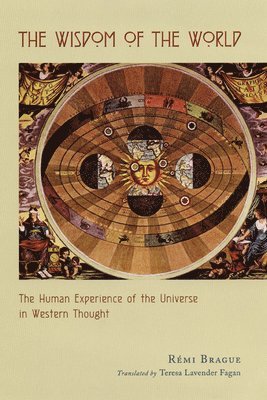
Wisdom of the World
The Human Experience of the Universe in Western Thought
Av Remi Brague
Häftad, 2004
316 kr
Lägg i varukorg
When the ancient Greeks looked up into the heavens, they saw not just sun and moon, stars and planets, but a complete, coherent universe, a model of the Good that could serve as a guide to a better life. How this view of the world came to be, and how we lost it (or turned away from it) on the way …
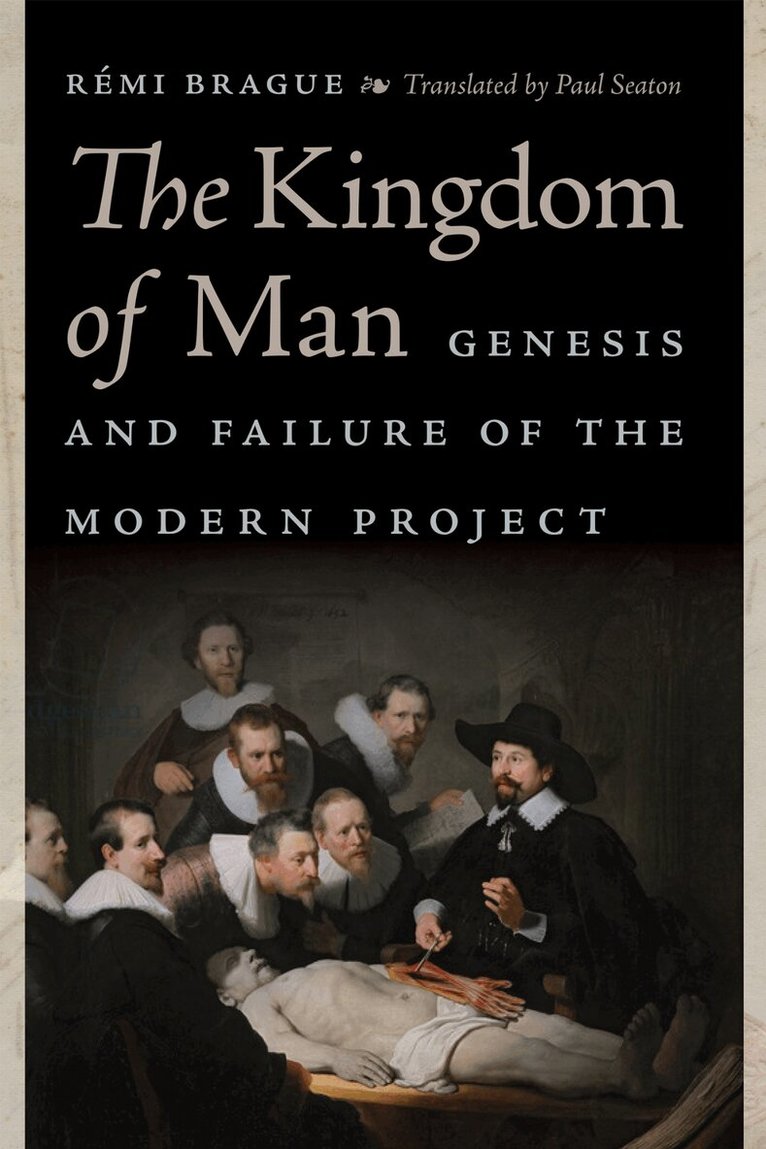
Kingdom of Man
Genesis and Failure of the Modern Project
Av Rémi Brague
Häftad, 2021
402 kr
Lägg i varukorg
Was humanity created, or do humans create themselves? In this eagerly awaited English translation of Le Règne de l'homme, the last volume of Rémi Brague's trilogy on the philosophical development of anthropology in the West, Brague argues that, with the dawn of the Enlightenment, Western societies …
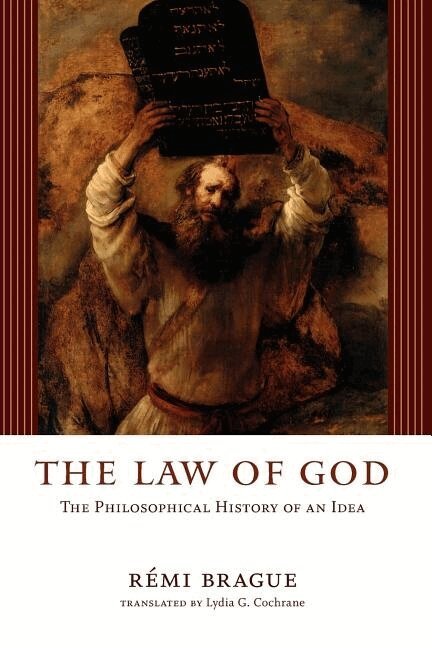
Law of God
The Philosophical History of an Idea
Av Remi Brague
Häftad, 2008
325 kr
Lägg i varukorg
The law of God: these words conjure an image of Moses breaking the tablets at Mount Sinai, but the history of the alliance between law and divinity is so much longer, and its scope so much broader, than a single Judeo-Christian scene can possibly suggest. In his stunningly ambitious history, Remi …
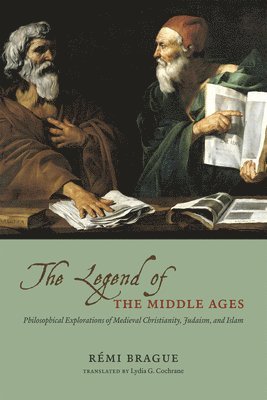
Legend of the Middle Ages
Philosophical Explorations of Medieval Christianity, Judaism, and Islam
Av Remi Brague
Häftad, 2011
282 kr
Lägg i varukorg
Through a penetrating interview and sixteen essays, this volume explores key intersections of medieval religion and philosophy. With characteristic erudition and insight, Remi Brague focuses less on individual Christian, Jewish, and Muslim thinkers than on their relationships with one another. …
LEGEND OF THE MIDDLE AGES - PHILOSOPHICALEXPLORATIONS OF MEDIEVAL CHRISTIANITY, JUDAISM,AND ISLAM
Av Remi Brague
Inbunden, 2009
857 kr
Lägg i varukorg
Through a penetrating interview and sixteen essays, this volume explores key intersections of medieval religion and philosophy. With characteristic erudition and insight, Remi Brague focuses less on individual Christian, Jewish, and Muslim thinkers than on their relationships with one another. …
Legend of the Middle Ages
Philosophical Explorations of Medieval Christianity, Judaism, and Islam
Av Remi Brague
E-bok, 2020
606 kr
Lägg i varukorg
This volume presents a penetrating interview and sixteen essays that explore key intersections of medieval religion and philosophy. With characteristic erudition and insight, RémiBrague focuses less on individual Christian, Jewish, and Muslim thinkers than on their relationships with one another. …
Kingdom of Man
Genesis and Failure of the Modern Project
Av Rémi Brague
Inbunden, 2018
563 kr
Lägg i varukorg
Was humanity created, or do humans create themselves? In this eagerly awaited English translation of Le Règne de l'homme, the last volume of Rémi Brague's trilogy on the philosophical development of anthropology in the West, Brague argues that, with the dawn of the Enlightenment, Western societies …
Curing Mad Truths
Medieval Wisdom for the Modern Age
Av Rémi Brague
Inbunden, 2019
565 kr
Lägg i varukorg
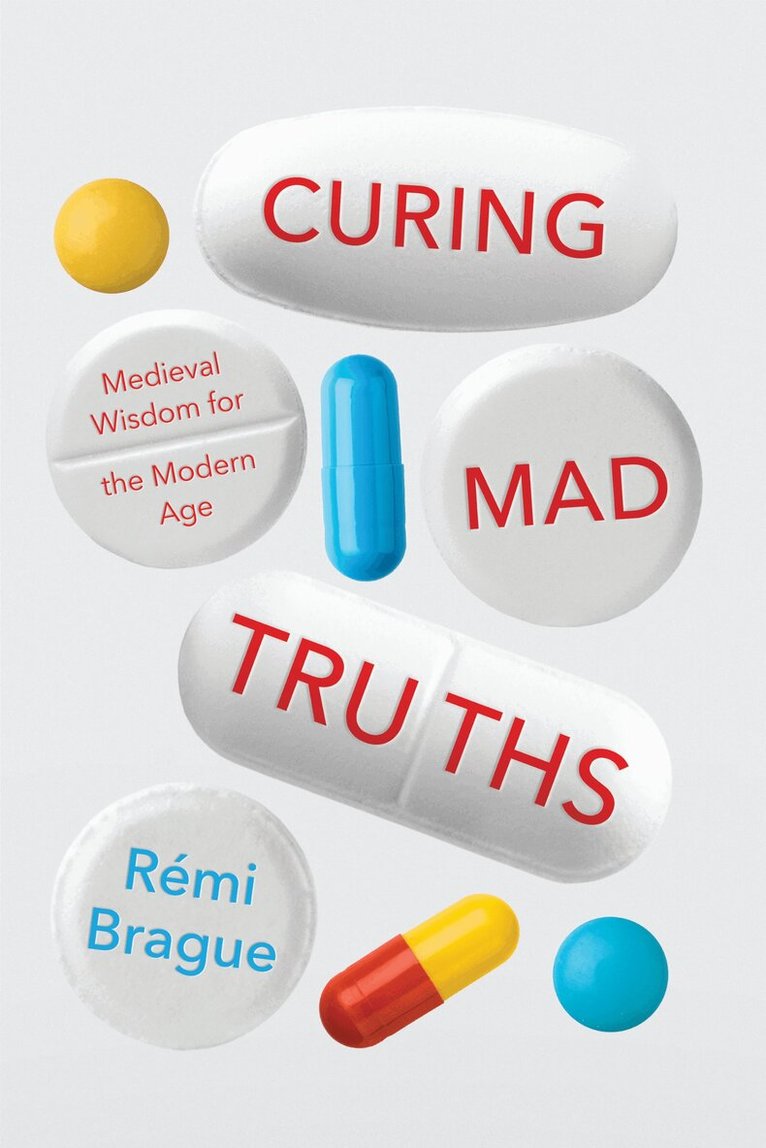
In his first book composed in English, Rémi Brague maintains that there is a fundamental problem with modernity: we no longer consider the created world and humanity as intrinsically valuable. Curing Mad Truths, based on a number of Brague's lectures to English-speaking audiences, explores the idea …
Curing Mad Truths
Medieval Wisdom for the Modern Age
Av Rémi Brague
Häftad, 2022
402 kr
Lägg i varukorg
In his first book composed in English, Rémi Brague maintains that there is a fundamental problem with modernity: we no longer consider the created world and humanity as intrinsically valuable. Curing Mad Truths , based on a number of Brague's lectures to English-speaking audiences, explores the …
Moderately Modern
Inbunden, 2019
264 kr
Lägg i varukorg
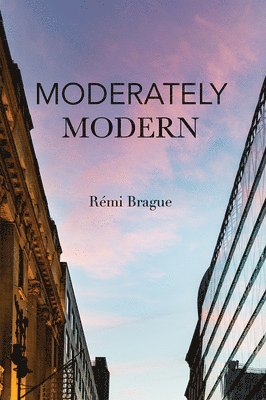
Moderately Modern wears its thesis on its sleeve. Modern men and women, those thoroughly imbued with modernity’s ideas, hopes, and projects, need to moderate themselves. They need to rein themselves in, they need to think and act beyond their comfort zone. Implicit in this claim, of course, is a …
La sagesse du monde: Histoire de l'expérience humaine de l'univers
Av Rémi Brague
Häftad, 2018
709 kr
Lägg i varukorg
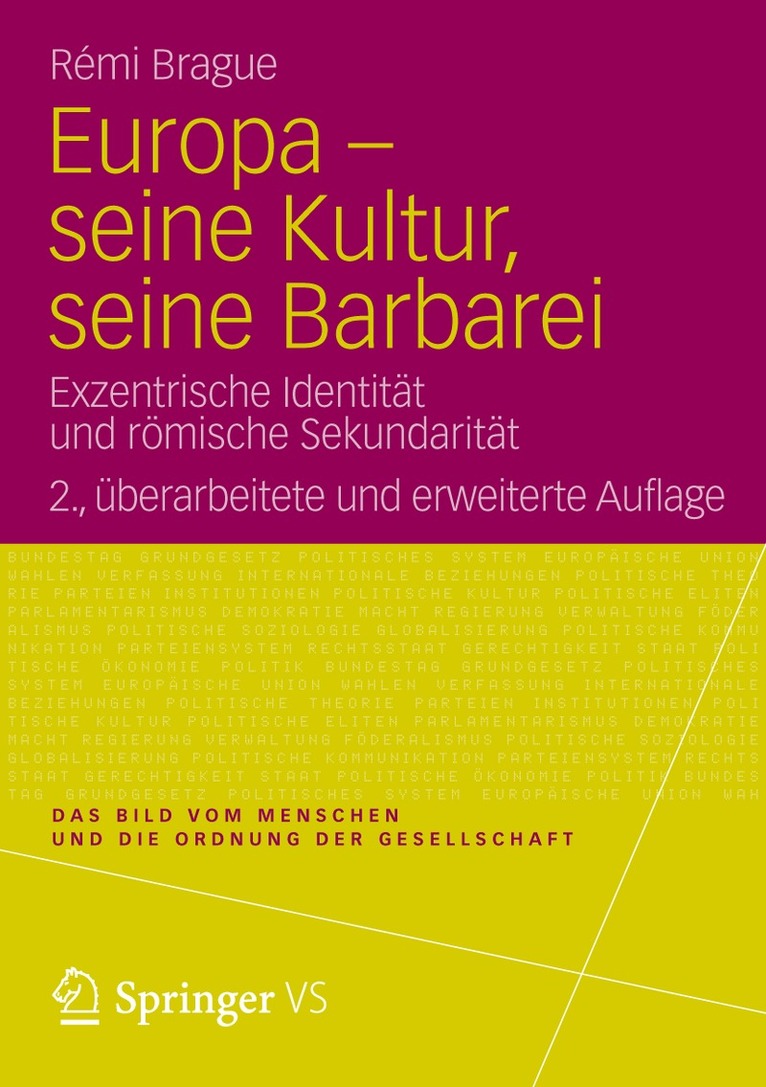
Europa - seine Kultur, seine Barbarei
Exzentrische Identität und römische Sekundarität
Av Rémi Brague
Inbunden, 2012
922 kr
Lägg i varukorg
Europa besitzt keine Identität im Sinne eines kulturellen oder religiösen Erbes, sondern definiert sich durch seine Spannung zwischen einer Klassik der Anderen, die es anzueignen, und einer Barbarei im Inneren, die es zu überwinden gilt. Das Besondere der europäischen Identität liegt in ihrer …
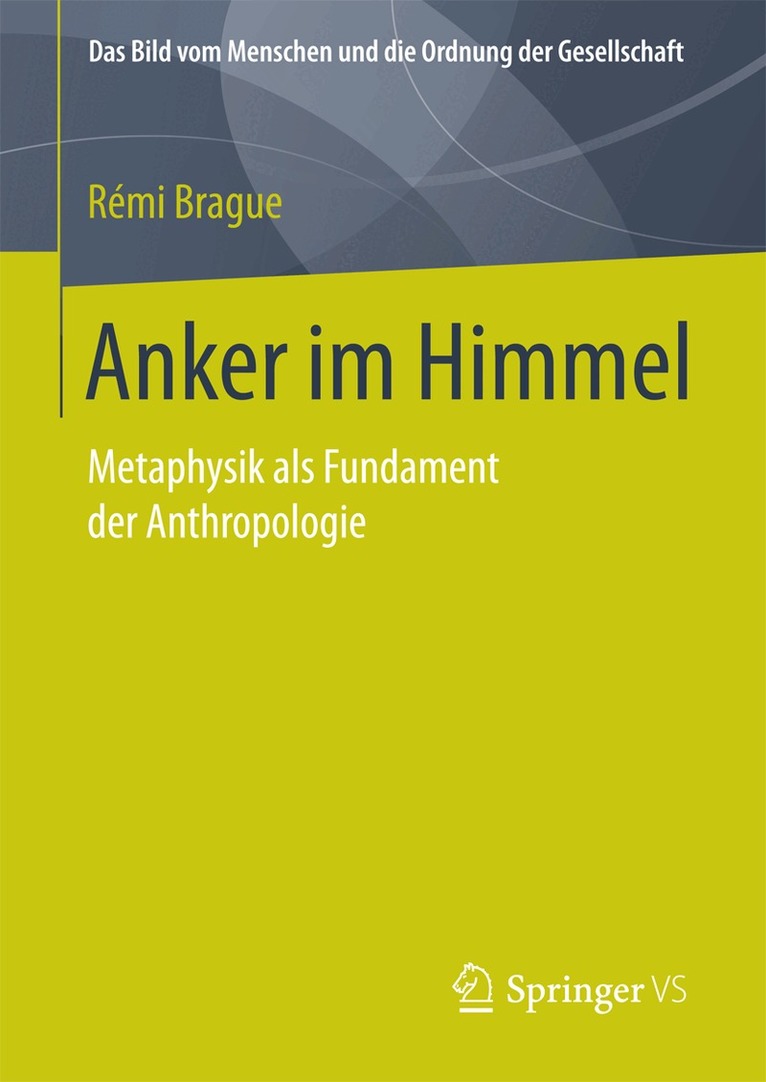
Anker im Himmel
Metaphysik als Fundament der Anthropologie
Av Rémi Brague
Inbunden, 2018
515 kr
Lägg i varukorg
Metaphysik ist kein Phantom. Sie bewohnt kein Wolkenschloss, sondern hat ihren Platz mitten im Alltag der Menschen und ist zu einer unverzichtbaren Lebensnotwendigkeit geworden. Denn nachdem der Mensch das Projekt der Moderne in die Tat umgesetzt und sein Geschick selbst in die Hand genommen hat, …
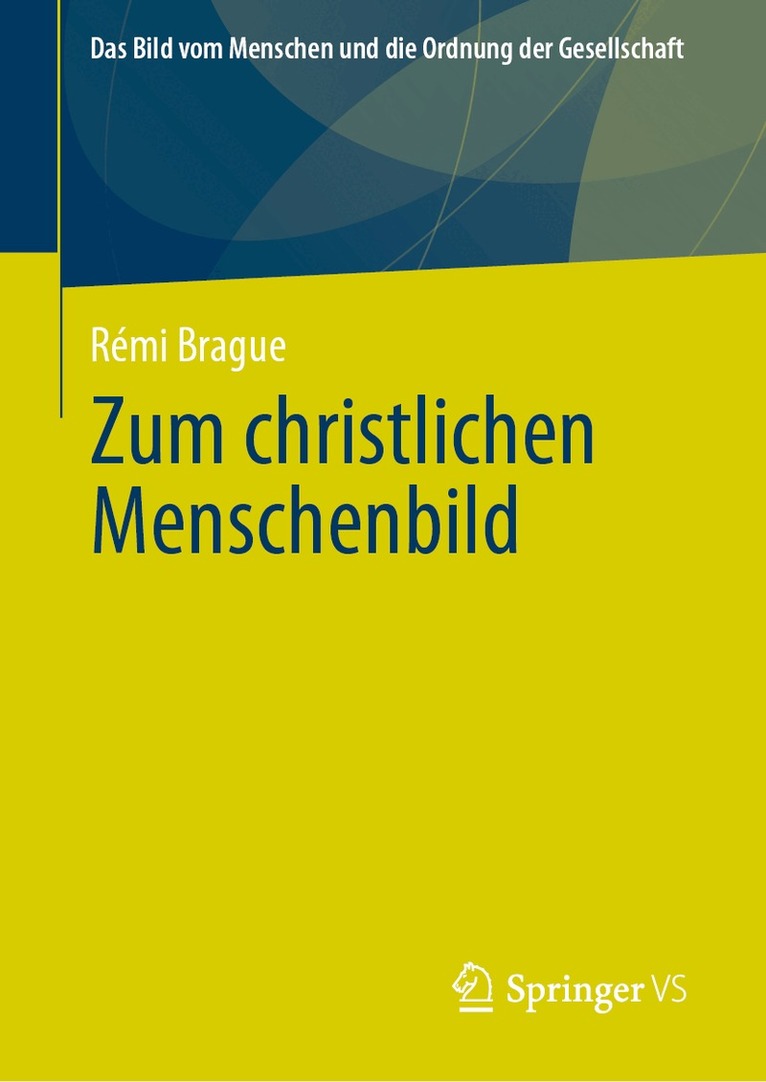
Zum christlichen Menschenbild
Av Rémi Brague
Inbunden, 2021
670 kr
Lägg i varukorg
Dieses Buch entfaltet das christliche Menschenbild in seinen Umrissen. Die Frage nach dem Menschen verdient es nämlich, wieder neu gestellt zu werden, weil heute der ‚Humanismus‘ von einem zerstörerischen ‚Antihumanismus‘ bedroht ist.Warum besitzt der Mensch eine Würde und mithin Rechte? Die …
Zum christlichen Menschenbild
Av Remi Brague
E-bok, 2021
717 kr
Lägg i varukorg
Dieses Buch entfaltet das christliche Menschenbild in seinen Umrissen. Die Frage nach dem Menschen verdient es nämlich, wieder neu gestellt zu werden, weil heute der ‚Humanismus‘ von einem zerstörerischen ‚Antihumanismus‘ bedroht ist. Warum besitzt der Mensch eine Würde und mithin Rechte? Die …
Manicomio de verdades
Remedios medievales para la era moderna
Av Remi Brague
E-bok, 2021
113 kr
Lägg i varukorg
En este nuevo libro, el filósofo francés Rémi Brague señala cuál es el problema fundamental de la modernidad: ha dejado de considerar el mundo creado y la humanidad como intrínsecamente valiosos.En vista de ello, el autor explora en Manicomio de verdades la idea de que la humanidad debe regresar a …
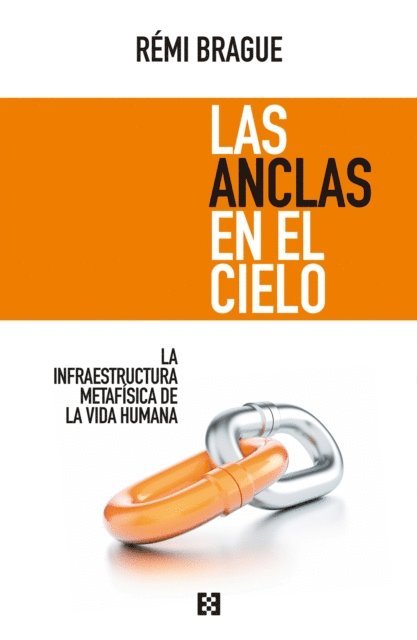
Las anclas en el cielo
La infraestructura metafísica de la vida humana
Av Remi Brague
E-bok, 2022
113 kr
Lägg i varukorg
El problema de la vida, dice Rémi Brague, es fundamentalmente metafísico.Es probable que la mención a la «metafísica» provoque una sonrisa irónica o un encogimiento de hombros en la actual sociedad bienpensante. Es más, si visitamos una librería en la que alguna de sus estanterías lleve el rótulo …
Europa, la vía romana
Av Remi Brague
E-bok, 2023
113 kr
Lägg i varukorg
A la hora de definir su identidad, Europa se refirió muy pronto a su doble origen griego y judío. En los escritos de los historiadores de la Ilustración y los románticos del siglo XIX, se trataba de la famosa oposición entre Atenas y Jerusalén. Rémi Brague aborda de nuevo la cuestión de la …
Sobre el Islam
Av Remi Brague
E-bok, 2024
113 kr
Lägg i varukorg
El Islam es objeto de interminables controversias y mucha confusión. Pero, ¿qué es el Islam? ¿Una forma de relacionarse con Dios? ¿Una religión con sus propios dogmas y normas? ¿Una civilización? En el centro de esta realidad plural se encuentra la cuestión de los fines: ¿qué quiere conseguir el …
A cada uno según sus necesidades
Pequeño tratado de economía divina
Av Remi Brague
E-bok, 2025
109 kr
Lägg i varukorg
Si haces puenting sin comprobar que la cuerda elástica está bien sujeta, ¿crees que de la nada aparecerá un colchón debajo? Así es como mucha gente se imagina que funciona la Providencia: hago cualquier cosa y «todo saldrá bien».Este «pequeño tratado» es la continuación de los estudios emblemáticos …
Manicomio de verdades
Remedios medievales para la era moderna
Av Remi Brague
E-bok, 2021
113 kr
Lägg i varukorg
En este nuevo libro, el filósofo francés Rémi Brague señala cuál es el problema fundamental de la modernidad: ha dejado de considerar el mundo creado y la humanidad como intrínsecamente valiosos.En vista de ello, el autor explora en Manicomio de verdades la idea de que la humanidad debe regresar a …
Las anclas en el cielo
La infraestructura metafísica de la vida humana
Av Remi Brague
E-bok, 2022
113 kr
Lägg i varukorg
El problema de la vida, dice Rémi Brague, es fundamentalmente metafísico.Es probable que la mención a la «metafísica» provoque una sonrisa irónica o un encogimiento de hombros en la actual sociedad bienpensante. Es más, si visitamos una librería en la que alguna de sus estanterías lleve el rótulo …
Europa, la vía romana
Av Remi Brague
E-bok, 2023
113 kr
Lägg i varukorg
A la hora de definir su identidad, Europa se refirió muy pronto a su doble origen griego y judío. En los escritos de los historiadores de la Ilustración y los románticos del siglo XIX, se trataba de la famosa oposición entre Atenas y Jerusalén. Rémi Brague aborda de nuevo la cuestión de la …
Sobre el Islam
Av Remi Brague
E-bok, 2024
113 kr
Lägg i varukorg
El Islam es objeto de interminables controversias y mucha confusión. Pero, ¿qué es el Islam? ¿Una forma de relacionarse con Dios? ¿Una religión con sus propios dogmas y normas? ¿Una civilización? En el centro de esta realidad plural se encuentra la cuestión de los fines: ¿qué quiere conseguir el …
A cada uno según sus necesidades
Pequeño tratado de economía divina
Av Remi Brague
E-bok, 2025
109 kr
Lägg i varukorg
Si haces puenting sin comprobar que la cuerda elástica está bien sujeta, ¿crees que de la nada aparecerá un colchón debajo? Así es como mucha gente se imagina que funciona la Providencia: hago cualquier cosa y «todo saldrá bien».Este «pequeño tratado» es la continuación de los estudios emblemáticos …
Tras el humanismo
La imagen cristiana del hombre
Av Remi Brague
E-bok, 2024
105 kr
Lägg i varukorg
Atravesamos una crisis del humanismo. El término está casi obsoleto. Su dificultad para respirar no proviene de discursos despectivos hacia el hombre, no nos equivoquemos. Es a través de la compasión como este nuevo humanismo, vaciado ya de sustancia, se extiende como un cáncer. Al querer ser mejor …
¿A dónde va la historia?
Dilemas y esperanzas
Av Remi Brague
E-bok, 2017
79 kr
Lägg i varukorg
En este libro-entrevista Rémi Brague, uno de los pensadores más originales y sorprendentemente desconocidos de nuestro tiempo, realiza una interesante reflexión sobre cuál es el sentido de la historia para el hombre "posmoderno", quien considera ingenuo todo intento de buscar en ella el reflejo de …
El reino del hombre
Génesis y fracaso del proyecto moderno
Av Remi Brague
E-bok, 2017
113 kr
Lägg i varukorg
En la época moderna el hombre ha llegado a la convicción de ser el creador de su propia humanidad, dando por superado cualquier tiempo pasado y pretendiendo convertirse en el artífice único de su futuro. Se habría llegado por fin al "reino del hombre", eslogan confesado o implícito de los tiempos …