Remi Clignet - Böcker
Visar alla böcker från författaren Remi Clignet. Handla med fri frakt och snabb leverans.
5 produkter
5 produkter
952 kr
Tillfälligt slut
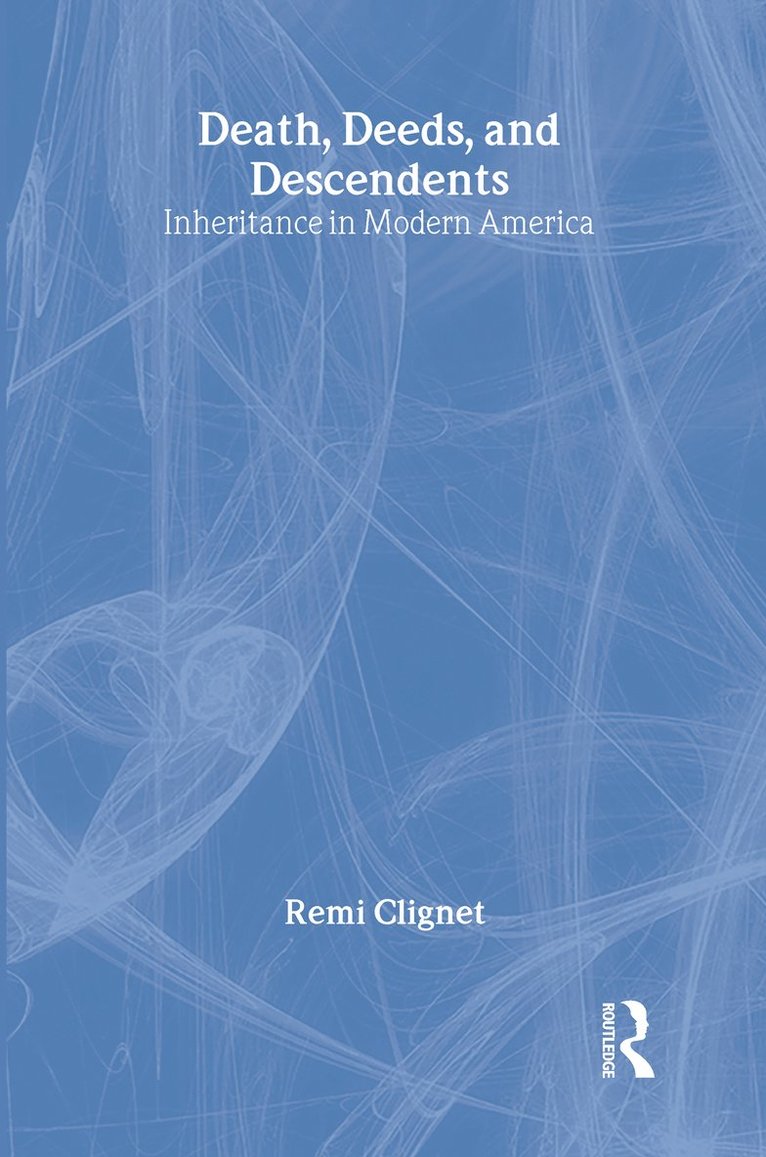
Clignet's analysis of inheritance patterns in modern America is the first sustained treatment of the subject by a sociologist. Clignet shows that even today inheritance serves to perpetuate both familial wealth and familial relations. He examines what leads decedents to chose particular legal instruments (wills, trusts, insurance policies, gifts inter vivos) and how, in turn, the instrument chosen helps explain the extent and the form of inequalities in bequests, of a result of the gender or matrimonial status of the beneficiaries. The author's major is to identify and explain the most significant sources of variations in the amount and the direction of transfers of wealth after death in the United States. He uses two kinds of primary data: estate tax returns filed by a sample of male and female beneficiaries to estates in 1920 and 1944, representing two successive generations of estate transfers, and publicly recorded legal instruments such as wills and trusts. In addition, Clignet draws widely on secondary sources in the fields of anthropology, economics, and history. His findings reflect substantive and methodological concerns. The analysis underlines the need to rethink the sociology of generational bonds, as it is informed by age and gender. Death, Deeds, and Descendants underscores the variety of forms of inequality that bequests take and highlights the complexity of interrelations between the cultures of the decedents' nationalities and issues like occupation and gender. Inheritance is viewed as a way of illuminating the subtle tensions between continuity and change in American society. This book is an important contribution to the study of the relationship between sociology of the family and sociology of social stratification.
622 kr
Skickas inom 10-15 vardagar
Clignet's analysis of inheritance patterns in modern America is the first sustained treatment of the subject by a sociologist. Clignet shows that even today inheritance serves to perpetuate both familial wealth and familial relations. He examines what leads decedents to chose particular legal instruments (wills, trusts, insurance policies, gifts inter vivos) and how, in turn, the instrument chosen helps explain the extent and the form of inequalities in bequests, of a result of the gender or matrimonial status of the beneficiaries. The author's major is to identify and explain the most significant sources of variations in the amount and the direction of transfers of wealth after death in the United States. He uses two kinds of primary data: estate tax returns filed by a sample of male and female beneficiaries to estates in 1920 and 1944, representing two successive generations of estate transfers, and publicly recorded legal instruments such as wills and trusts. In addition, Clignet draws widely on secondary sources in the fields of anthropology, economics, and history. His findings reflect substantive and methodological concerns. The analysis underlines the need to rethink the sociology of generational bonds, as it is informed by age and gender. Death, Deeds, and Descendants underscores the variety of forms of inequality that bequests take and highlights the complexity of interrelations between the cultures of the decedents' nationalities and issues like occupation and gender. Inheritance is viewed as a way of illuminating the subtle tensions between continuity and change in American society. This book is an important contribution to the study of the relationship between sociology of the family and sociology of social stratification.
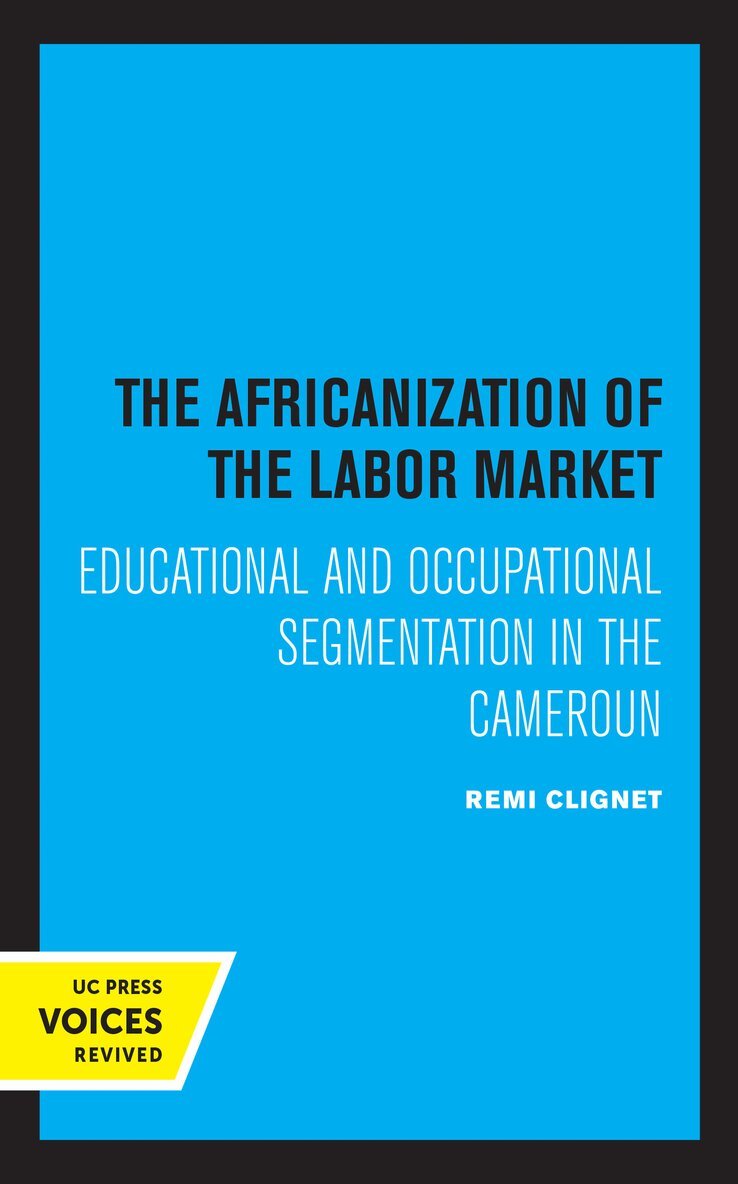
Africanization of the Labor Market
Educational and Occupational Segmentations in the Cameroun
Häftad, Engelska, 2021
327 kr
Skickas inom 7-10 vardagar
This book offers a detailed analysis of the labor market segmentation in Cameroon, examining the social, educational, and occupational divides that influence labor market access and mobility. The author’s primary focus is on how these divisions, rooted in colonial history and ethnic fragmentation, shape the participation of different groups within the modern industrial workforce. Cameroon’s rapid urbanization, high population growth, and limited agricultural productivity have driven a migration of workers into urban centers, thereby expanding both industrial and service sectors. The study highlights the “late development” phenomenon in Cameroon, where educational advancement preceded the rise of large-scale industry, creating a labor force often more educated than the jobs available, and sparking shifts in hiring and promotion policies.The research addresses the differential treatment of manual and non-manual workers, arguing that the former face more barriers tied to ethnic and residential backgrounds, while the latter benefit from educational achievements that help transcend these limitations. This educational advantage allows non-manual workers, particularly those in white-collar roles, greater mobility and access to higher-paying positions. Chapter by chapter, the author explores how firm-specific factors such as size, age, and legal status affect employment practices and, ultimately, wage disparities. The study identifies employer strategies that segment the labor market, noting that while some firms adopt more universalistic policies, others continue discriminatory practices based on social or regional biases.In conclusion, the book situates Cameroon’s experience within broader theories of industrialization and development, weighing gradualist strategies, which emphasize incremental change and agricultural support, against transformative strategies focused on rapid industrial growth. The study underscores the challenges of Africanization policies and the pressures on Cameroonian employers and policymakers to balance educational expansion with meaningful industrial and occupational opportunities. This work provides insight into the broader implications of late development for African labor markets and the struggle to create equitable, achievement-based occupational hierarchies in post-colonial settings.This title is part of UC Press's Voices Revived program, which commemorates University of California Press’s mission to seek out and cultivate the brightest minds and give them voice, reach, and impact. Drawing on a backlist dating to 1893, Voices Revived makes high-quality, peer-reviewed scholarship accessible once again using print-on-demand technology. This title was originally published in 1976.
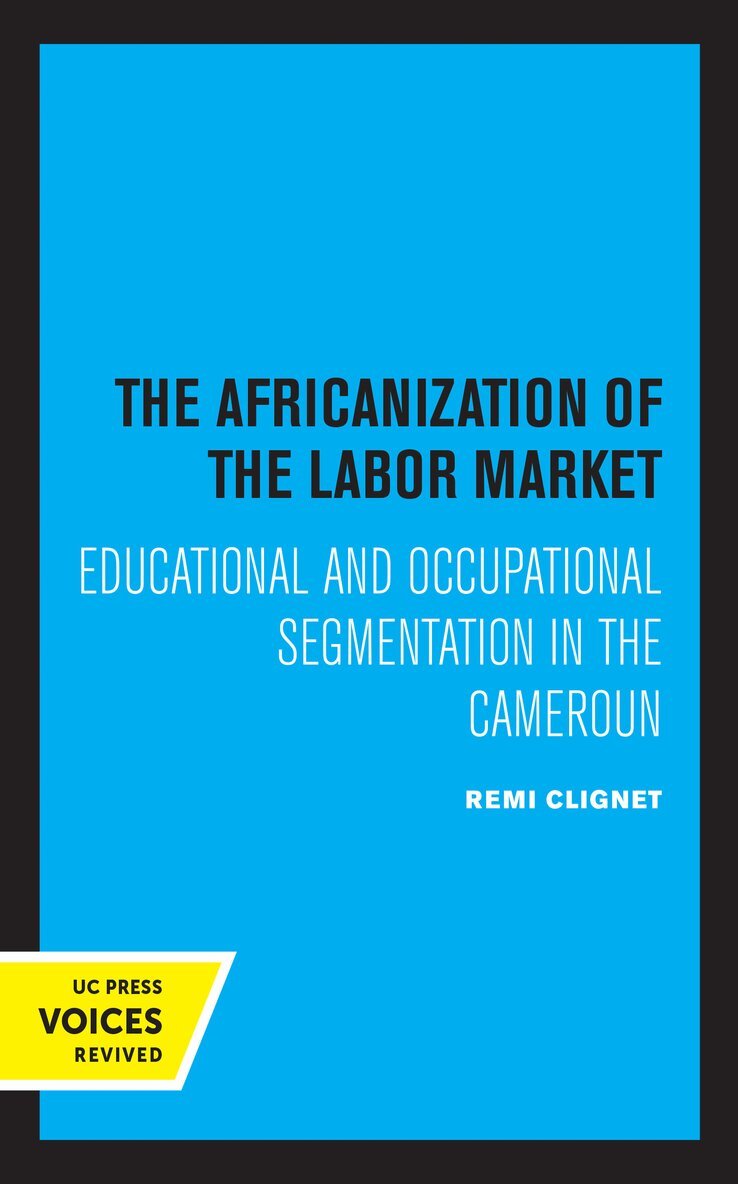
Africanization of the Labor Market
Educational and Occupational Segmentations in the Cameroun
Inbunden, Engelska, 2021
767 kr
Skickas inom 7-10 vardagar
This book offers a detailed analysis of the labor market segmentation in Cameroon, examining the social, educational, and occupational divides that influence labor market access and mobility. The author’s primary focus is on how these divisions, rooted in colonial history and ethnic fragmentation, shape the participation of different groups within the modern industrial workforce. Cameroon’s rapid urbanization, high population growth, and limited agricultural productivity have driven a migration of workers into urban centers, thereby expanding both industrial and service sectors. The study highlights the “late development” phenomenon in Cameroon, where educational advancement preceded the rise of large-scale industry, creating a labor force often more educated than the jobs available, and sparking shifts in hiring and promotion policies.The research addresses the differential treatment of manual and non-manual workers, arguing that the former face more barriers tied to ethnic and residential backgrounds, while the latter benefit from educational achievements that help transcend these limitations. This educational advantage allows non-manual workers, particularly those in white-collar roles, greater mobility and access to higher-paying positions. Chapter by chapter, the author explores how firm-specific factors such as size, age, and legal status affect employment practices and, ultimately, wage disparities. The study identifies employer strategies that segment the labor market, noting that while some firms adopt more universalistic policies, others continue discriminatory practices based on social or regional biases.In conclusion, the book situates Cameroon’s experience within broader theories of industrialization and development, weighing gradualist strategies, which emphasize incremental change and agricultural support, against transformative strategies focused on rapid industrial growth. The study underscores the challenges of Africanization policies and the pressures on Cameroonian employers and policymakers to balance educational expansion with meaningful industrial and occupational opportunities. This work provides insight into the broader implications of late development for African labor markets and the struggle to create equitable, achievement-based occupational hierarchies in post-colonial settings.This title is part of UC Press's Voices Revived program, which commemorates University of California Press’s mission to seek out and cultivate the brightest minds and give them voice, reach, and impact. Drawing on a backlist dating to 1893, Voices Revived makes high-quality, peer-reviewed scholarship accessible once again using print-on-demand technology. This title was originally published in 1976.
1 059 kr
Skickas inom 10-15 vardagar
This book is a volume in the Penn Press Anniversary Collection. To mark its 125th anniversary in 2015, the University of Pennsylvania Press rereleased more than 1,100 titles from Penn Press's distinguished backlist from 1899-1999 that had fallen out of print. Spanning an entire century, the Anniversary Collection offers peer-reviewed scholarship in a wide range of subject areas.