Renu Khanna – författare
Visar alla böcker från författaren Renu Khanna. Handla med fri frakt och snabb leverans.
3 produkter
3 produkter
922 kr
Skickas inom 11-20 vardagar
Negotiating Sexual and Reproductive Justice: Voices from the Margins makes a significant contribution to the sparse evidence on the sexual and reproductive health and rights of women from marginalized population groups in India, told from their vantage point. An initiative of members of CommonHealth, a Coalition for Reproductive Health and Safe Abortion in India, the book contains the stories of 15 women from diverse age groups and five different social and geographic locations, describing their lived experiences and voicing their health and other concerns rooted in their economic exploitation, social exclusion, and cultural subordination. In contrast to the event-specific silos in which evidence is typically presented, the book illustrates how women’s economic, social, and interpersonal realities are intricately intertwined with their experiences of sexual and reproductive health, and their cumulative embodiment significantly impacts their physical and mental well-being. In doing so, it highlights the centrality of the concept of ‘sexual and reproductive justice’ when addressing the sexual and reproductive health concerns of marginalized women.This book represents an epistemic creation from below, aiming to generate knowledge that will contribute to consciousness-raising, and advocates for activism that transform these conditions.
414 kr
Skickas inom 5-8 vardagar
674 kr
Skickas inom 7-10 vardagar
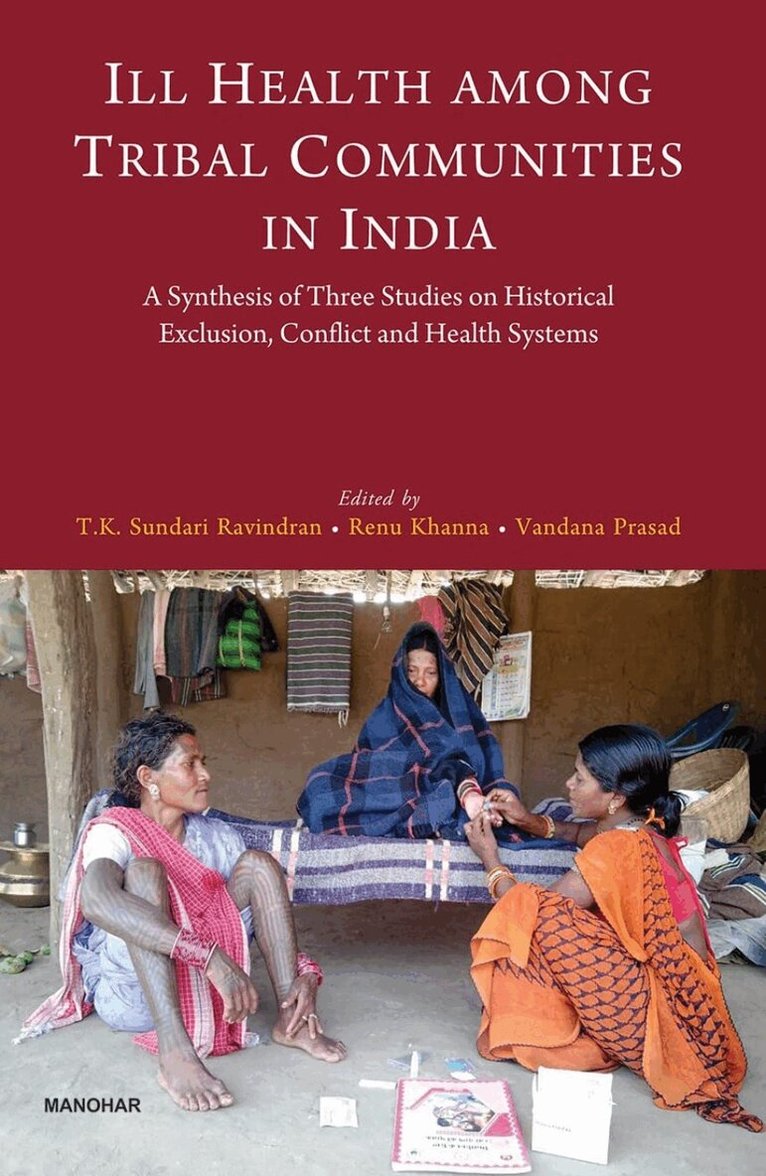
This book brings together the findings from three studies across four sites: Assam, Chhattisgarh, Jharkhand, and Kerala. It aims to understand and explain the diverse nature of health inequities along with processes and historical contexts which create, configure, and sustain health inequities among tribal populations in India. The book reveals that beneath the oft-repeated storyline of the poor health of tribal communities lies a more nuanced reality of varied experiences across different tribal communities; and within-group differentials among the same community. The book also forcefully brings home the inadequacy of commonly used health indicators such as morbidity and mortality to describe the multiple dimensions of lack of well-being experienced by the tribal communities.