Reto Hofmann – författare
Visar alla böcker från författaren Reto Hofmann. Handla med fri frakt och snabb leverans.
6 produkter
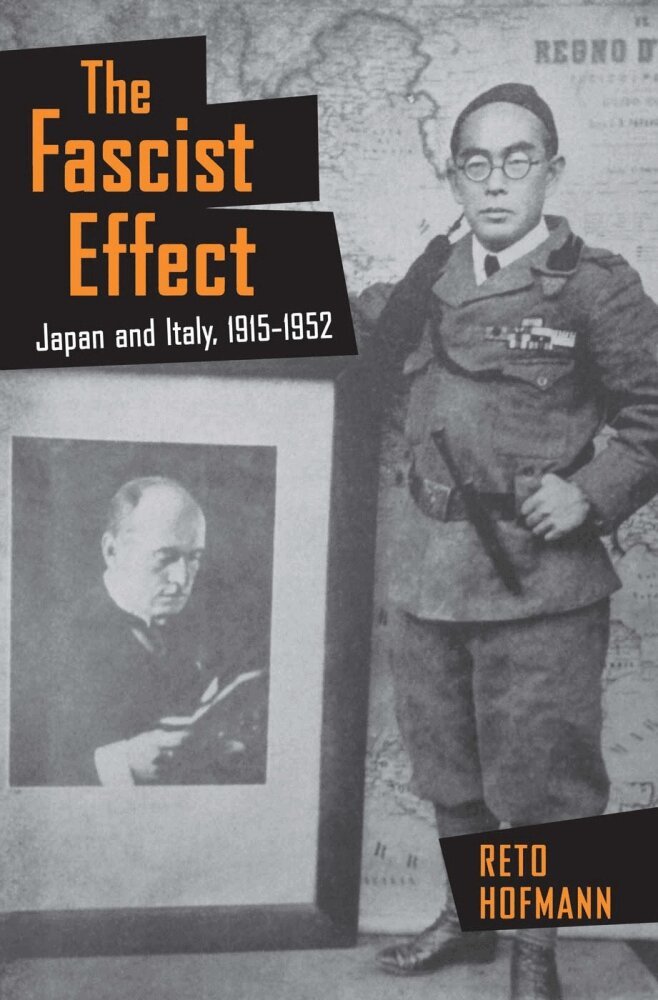
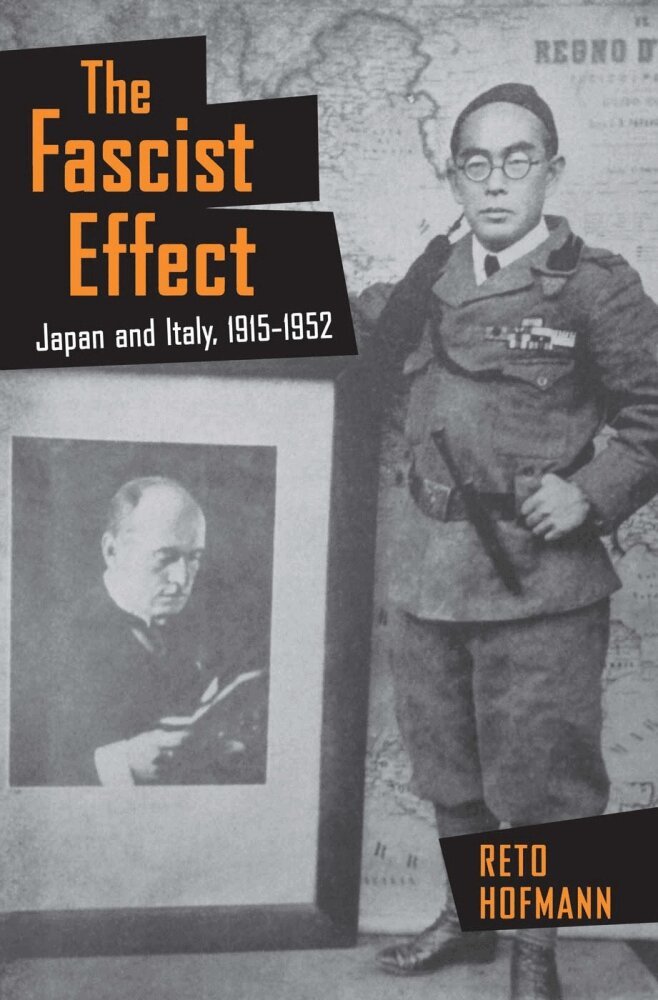
Fascist Effect
Japan and Italy, 1915–1952
Av Reto Hofmann
Inbunden, 2015
539 kr
Lägg i varukorg
In The Fascist Effect, Reto Hofmann uncovers the ideological links that tied Japan to Italy, drawing on extensive materials from Japanese and Italian archives to shed light on the formation of fascist history and practice in Japan and beyond. Moving between personal experiences, diplomatic and …
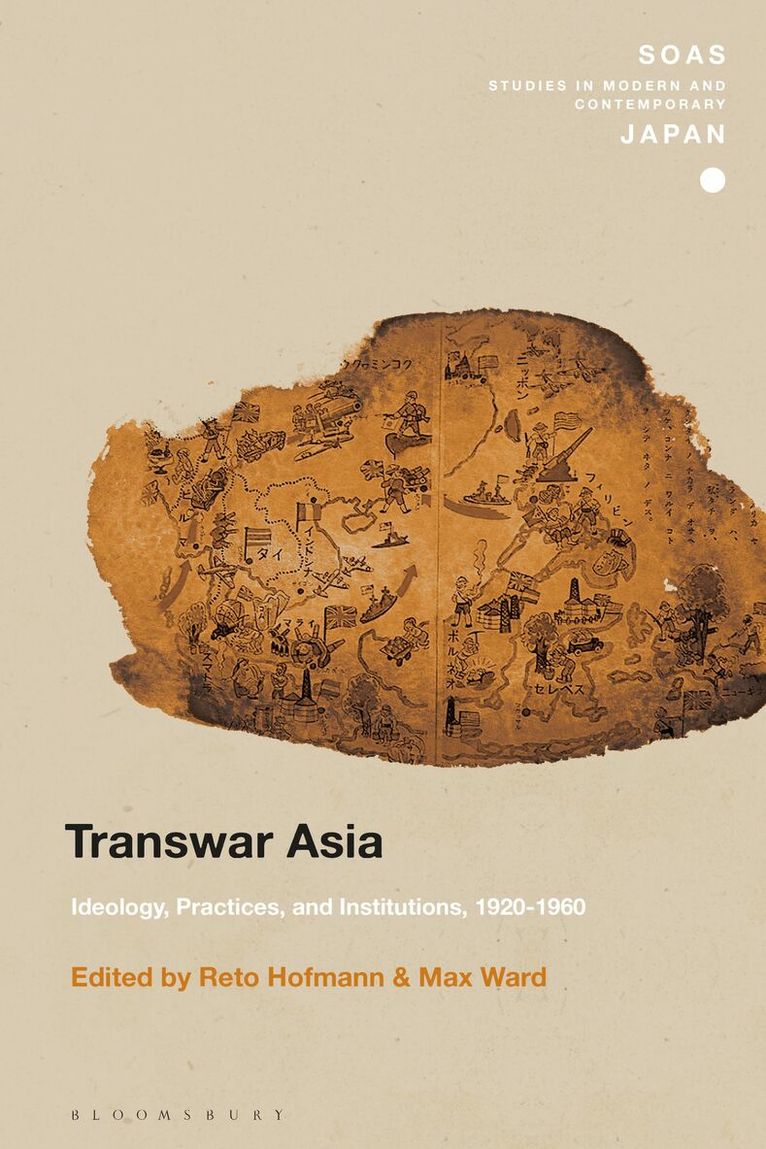
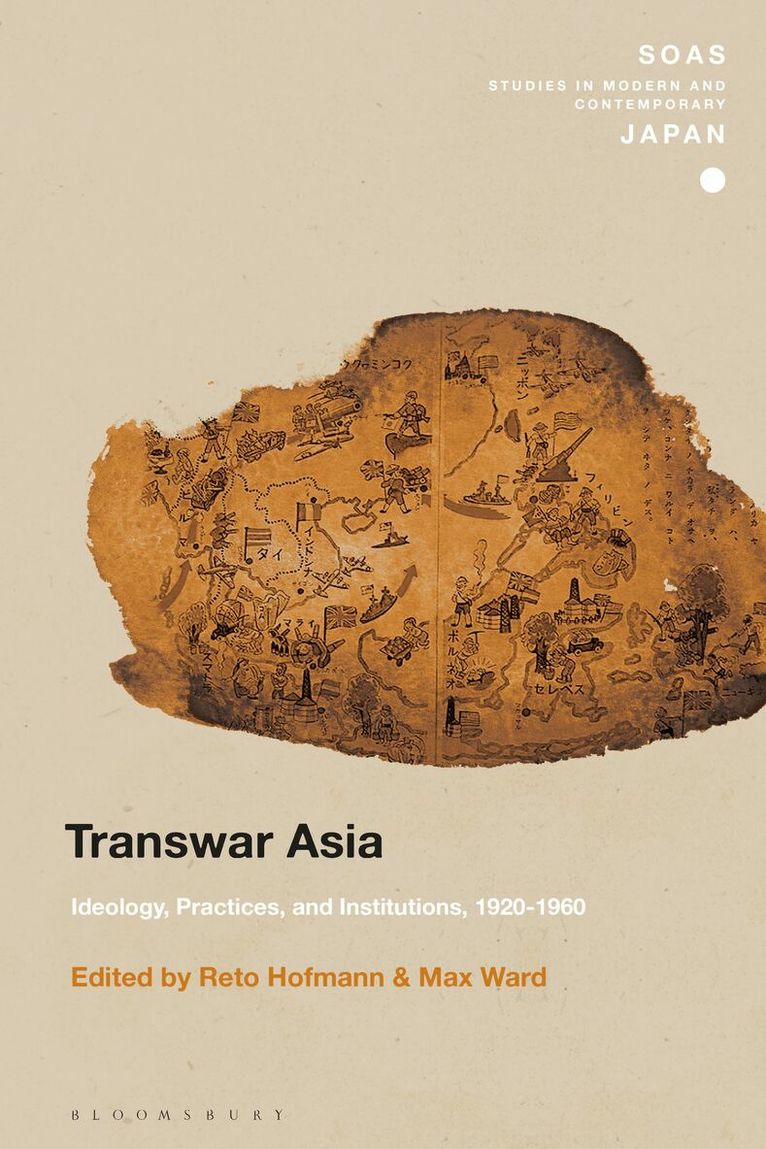
Transwar Asia
Ideology, Practices, and Institutions, 1920-1960
Av Reto Hofmann, Max Ward
Inbunden, 2022
1385 kr
Lägg i varukorg
This volume considers the possibilities of the term ‘transwar’ to understand the history of Asia from the 1920s to the 1960s. Recently, scholars have challenged earlier studies that suggested a neat division between the pre- and postwar or colonial/postcolonial periods in the national histories of …
Transwar Asia
Ideology, Practices, and Institutions, 1920-1960
Av Reto Hofmann, Max Ward
E-bok, 2021
468 kr
Lägg i varukorg
This volume considers the possibilities of the term ''transwar'' to understand the history of Asia from the 1920s to the 1960s. Recently, scholars have challenged earlier studies that suggested a neat division between the pre- and postwar or colonial/postcolonial periods in the national histories …
Transwar Asia
Ideology, Practices, and Institutions, 1920-1960
Av Reto Hofmann, Max Ward
E-bok, 2021
482 kr
Lägg i varukorg
This volume considers the possibilities of the term ''transwar'' to understand the history of Asia from the 1920s to the 1960s. Recently, scholars have challenged earlier studies that suggested a neat division between the pre- and postwar or colonial/postcolonial periods in the national histories …
Transwar Asia
Ideology, Practices, and Institutions, 1920-1960
Av Reto Hofmann, Max Ward
Häftad, 2023
442 kr
Lägg i varukorg
This volume considers the possibilities of the term ‘transwar’ to understand the history of Asia from the 1920s to the 1960s. Recently, scholars have challenged earlier studies that suggested a neat division between the pre- and postwar or colonial/postcolonial periods in the national histories of …
Fascist Effect
Japan and Italy, 1915–1952
Av Reto Hofmann
Häftad, 2020
326 kr
Lägg i varukorg
In The Fascist Effect, Reto Hofmann uncovers the ideological links that tied Japan to Italy, drawing on extensive materials from Japanese and Italian archives to shed light on the formation of fascist history and practice in Japan and beyond. Moving between personal experiences, diplomatic and …