Reuven Brenner – författare
Visar alla böcker från författaren Reuven Brenner. Handla med fri frakt och snabb leverans.
8 produkter
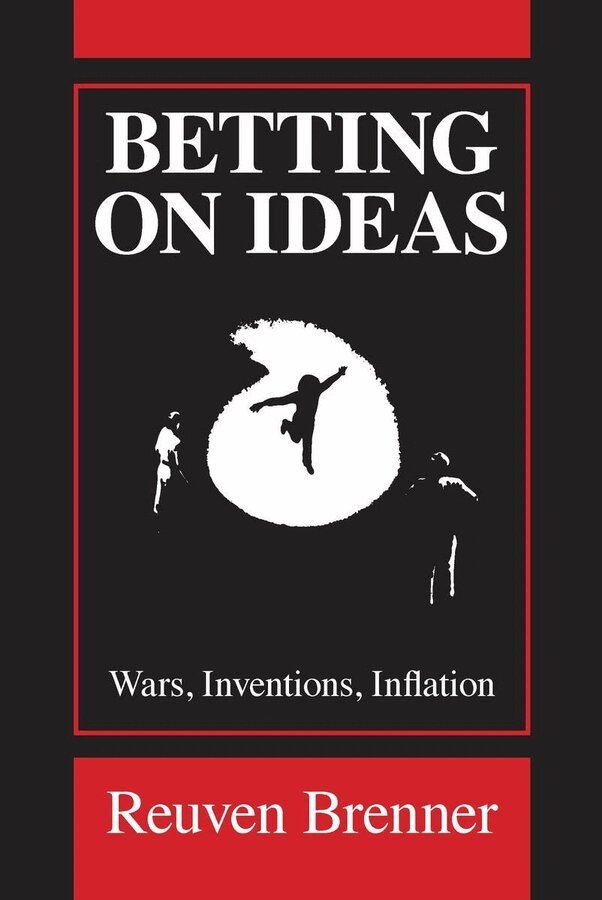
Betting on Ideas
Wars, Invention, Inflation
Häftad, 1989
325 kr
Lägg i varukorg
In this book, Reuven Brenner argues that people bet on new ideas and are more willing to take risks when they have been outdone by their fellows on local, national, or international scales. Such bets mean that people deviate from the beaten path and either gamble, commit crimes, or come up with new …
Educating Economists
Av David Colander, Reuven Brenner
Häftad, 1992
457 kr
Lägg i varukorg
What should economists learn in undergraduate and graduate programs? And how does this differ from what students are being taught? In a series of provocative essays, the contributors to Educating Economists cast a critical eye upon the profession and offer solutions to the serious problems they …
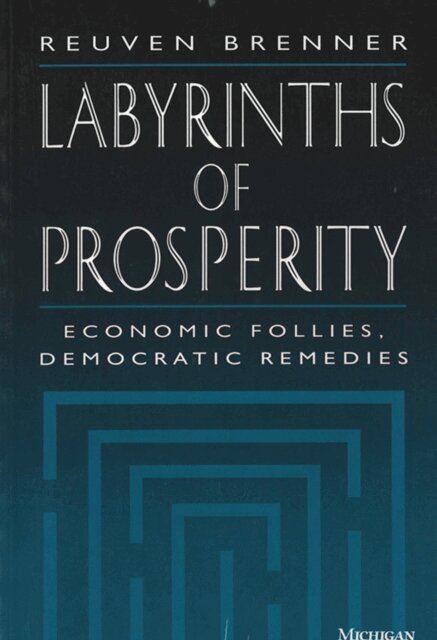
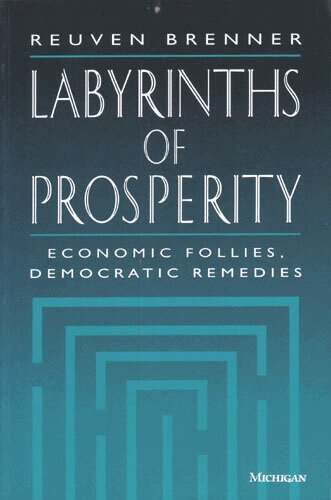
Labyrinths of Prosperity
Economic Follies, Democratic Remedies
E-bok, 2025
1078 kr
Lägg i varukorg
Labyrinths of Prosperity: Economic Follies, Democratic Remedies by Reuven Brenner explores the cyclical shifts in economic thought, specifically focusing on the myths of macroeconomics and their impact on policy-making and prosperity. Brenner questions the scientific legitimacy of macroeconomic …
Rivalry
In Business, Science, among Nations
Häftad, 1990
586 kr
Lägg i varukorg
Rivalry is an attempt to understand facets of entrepreneurial societies by integrating the economic analysis with historical, political and psychological considerations, customarily shunned by economists. The author argues that decisions to make new business ventures, and readiness to take risks …
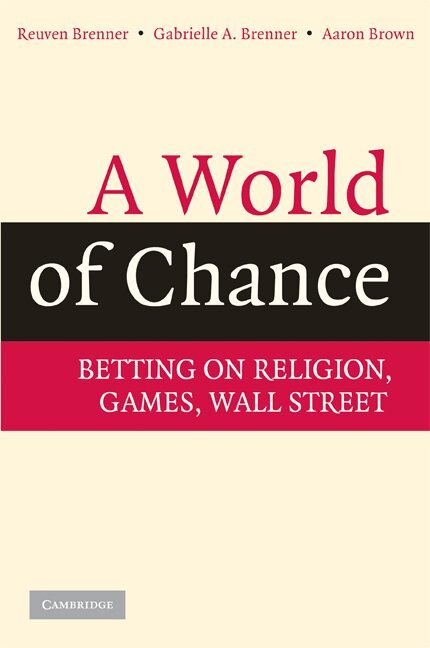
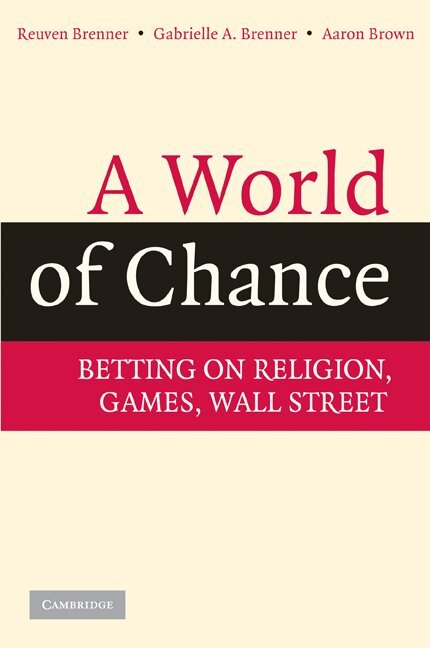
A World of Chance
Betting on Religion, Games, Wall Street
Av Reuven Brenner, Gabrielle A. Brenner m. fl.
Häftad, 2008
586 kr
Lägg i varukorg
Although financial markets often try to distance themselves from gambling, the two factors have far more in common than usually thought. When, historically, there were no financial institutions such as banks, lotteries constituted the ways by which expensive items were disposed of, and governments …
A World of Chance
Betting on Religion, Games, Wall Street
Av Reuven Brenner, Gabrielle A. Brenner m. fl.
Inbunden, 2008
1230 kr
Lägg i varukorg
Although financial markets often try to distance themselves from gambling, the two factors have far more in common than usually thought. When, historically, there were no financial institutions such as banks, lotteries constituted the ways by which expensive items were disposed of, and governments …
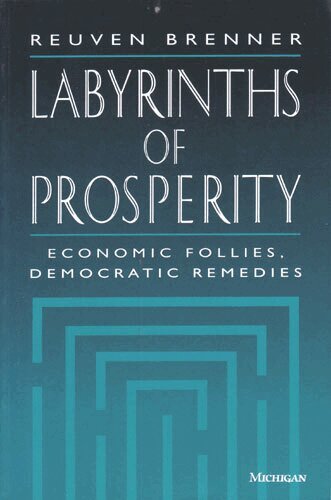
Labyrinths of Prosperity
Economic Follies, Democratic Remedies
Häftad, 1994
392 kr
Tillfälligt slut
Labyrinths of Prosperity: Economic Follies, Democratic Remedies by Reuven Brenner explores the cyclical shifts in economic thought, specifically focusing on the myths of macroeconomics and their impact on policy-making and prosperity. Brenner questions the scientific legitimacy of macroeconomic …
Labyrinths of Prosperity
Economic Follies, Democratic Remedies
Inbunden, 1994
1245 kr
Tillfälligt slut
Labyrinths of Prosperity: Economic Follies, Democratic Remedies by Reuven Brenner explores the cyclical shifts in economic thought, specifically focusing on the myths of macroeconomics and their impact on policy-making and prosperity. Brenner questions the scientific legitimacy of macroeconomic …