Rex Winsbury – författare
Visar alla böcker från författaren Rex Winsbury. Handla med fri frakt och snabb leverans.
8 produkter
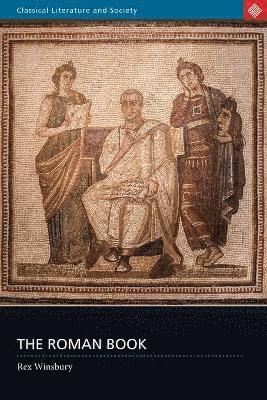
Roman Book
Av Rex Winsbury
Häftad, 2009
591 kr
Lägg i varukorg
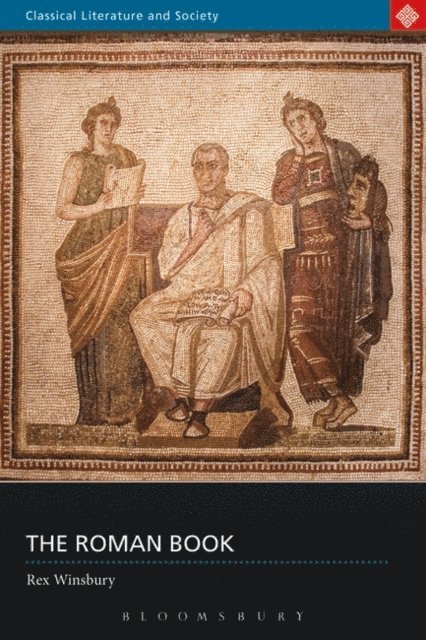
The publishing of Roman books has long and often been misrepresented by false analogies with modern publishing. This comprehensive new study examines, by appeal to what Roman authors themselves tell us, both the raw materials and aesthetic criteria of the Roman book (a papyrus scroll) and the …
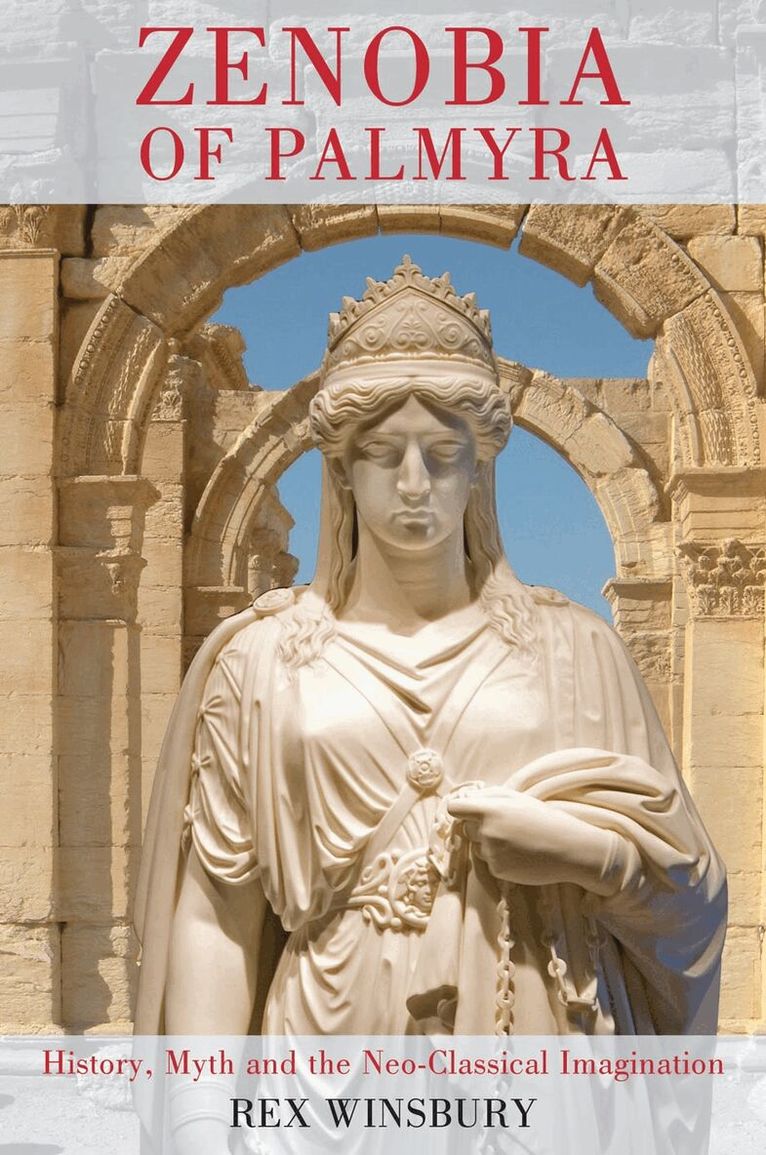
Zenobia of Palmyra
History, Myth and the Neo-Classical Imagination
Av Rex Winsbury
Häftad, 2010
500 kr
Lägg i varukorg
Queen Zenobia of Palmyra in Syria was one of the great women of classical antiquity, a romantic if tragic heroine both to Roman authors and to Chaucer, Gibbon and the neo-classical artists of the 19th century. But both the romantic image of her as a beautiful, intellectual but chaste Arab queen of …
Pliny the Younger
A Life in Roman Letters
Av Rex Winsbury
E-bok, 2013
626 kr
Lägg i varukorg
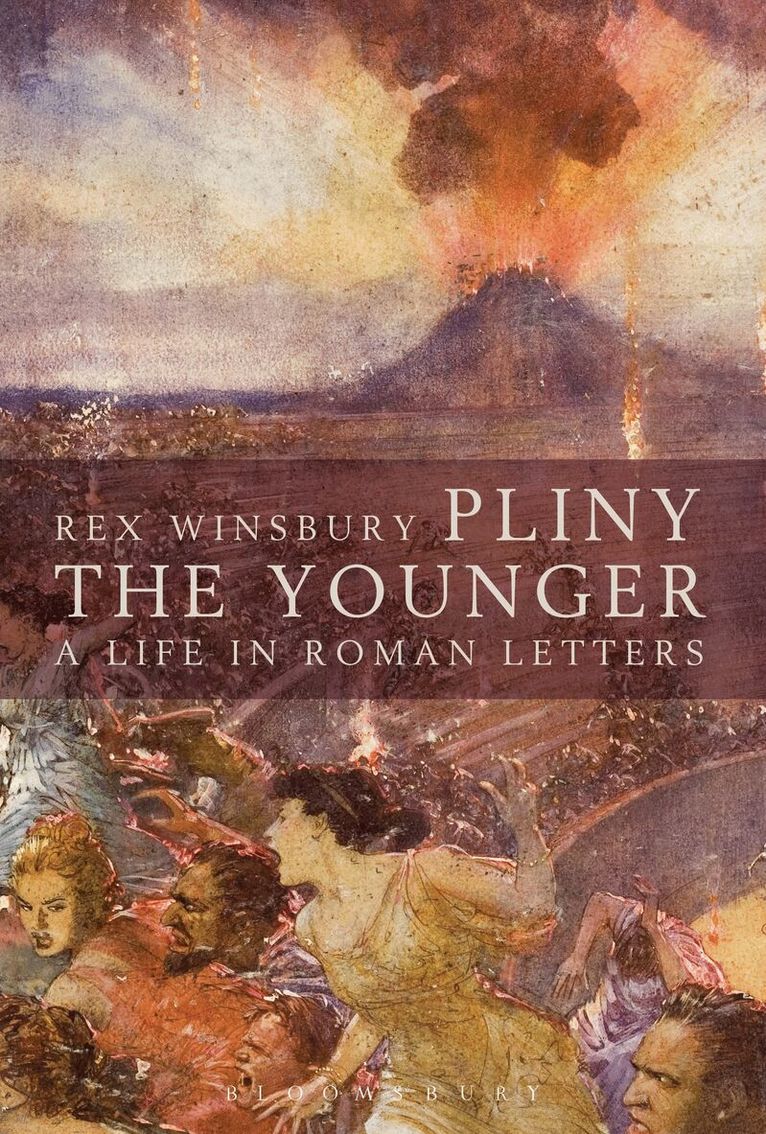
Pliny the Younger who lived c. 100 AD, left a large collection of letters, thanks to which we know him better than almost any other Roman. He is best known as witness to the eruption of Vesuvius in 79 that destroyed Pompeii, and for his dealings with the early Christians when a regional governor. …
Pliny the Younger
A Life in Roman Letters
Av Rex Winsbury
E-bok, 2013
626 kr
Lägg i varukorg
Pliny the Younger who lived c. 100 AD, left a large collection of letters, thanks to which we know him better than almost any other Roman. He is best known as witness to the eruption of Vesuvius in 79 that destroyed Pompeii, and for his dealings with the early Christians when a regional governor. …
Pliny the Younger
A Life in Roman Letters
Av Rex Winsbury
Inbunden, 2013
2275 kr
Lägg i varukorg
Pliny the Younger who lived c. 100 AD, left a large collection of letters, thanks to which we know him better than almost any other Roman. He is best known as witness to the eruption of Vesuvius in 79 that destroyed Pompeii, and for his dealings with the early Christians when a regional governor. …
Pliny the Younger
A Life in Roman Letters
Av Rex Winsbury
Häftad, 2015
573 kr
Lägg i varukorg
Pliny the Younger who lived c. 100 AD, left a large collection of letters, thanks to which we know him better than almost any other Roman. He is best known as witness to the eruption of Vesuvius in 79 that destroyed Pompeii, and for his dealings with the early Christians when a regional governor. …
Roman Book
Av Rex Winsbury
E-bok, 2014
645 kr
Lägg i varukorg
The publishing of Roman books has long and often been misrepresented by false analogies with modern publishing. This comprehensive new study examines, by appeal to what Roman authors themselves tell us, both the raw materials and aesthetic criteria of the Roman book (a papyrus scroll) and the …
Roman Book
Av Rex Winsbury
E-bok, 2013
645 kr
Lägg i varukorg
The publishing of Roman books has long and often been misrepresented by false analogies with modern publishing. This comprehensive new study examines, by appeal to what Roman authors themselves tell us, both the raw materials and aesthetic criteria of the Roman book (a papyrus scroll) and the …