Reyko Huang – Författare
Visar alla böcker från författaren Reyko Huang. Handla med fri frakt och snabb leverans.
4 produkter
4 produkter
685 kr
Skickas inom 7-10 vardagar
In many areas experiencing severe impacts from climate change, it is not the state, but rather rebel groups who wield authority over populations. Rebels are often engaged in responding and adapting to the risks and impacts of climate change as part of their local governance efforts; however, a systematic consideration of the activities and implications has been lacking. This Element looks at a set of behaviors we call "rebel environmental governance" (REG+). This refers to rebel actions aimed at protecting or managing the natural environment to affect civilian welfare amidst increasing pressures of climate change. A framework is advanced for understanding why rebels engage in environmental governance and the implications for security and climate governance. The Element brings rebel organizations into the conversation on climate change, highlighting their role in areas where state power is contested, weak, or absent. This title is also available as Open Access on Cambridge Core.
221 kr
Skickas inom 7-10 vardagar
In many areas experiencing severe impacts from climate change, it is not the state, but rather rebel groups who wield authority over populations. Rebels are often engaged in responding and adapting to the risks and impacts of climate change as part of their local governance efforts; however, a systematic consideration of the activities and implications has been lacking. This Element looks at a set of behaviors we call "rebel environmental governance" (REG+). This refers to rebel actions aimed at protecting or managing the natural environment to affect civilian welfare amidst increasing pressures of climate change. A framework is advanced for understanding why rebels engage in environmental governance and the implications for security and climate governance. The Element brings rebel organizations into the conversation on climate change, highlighting their role in areas where state power is contested, weak, or absent. This title is also available as Open Access on Cambridge Core.
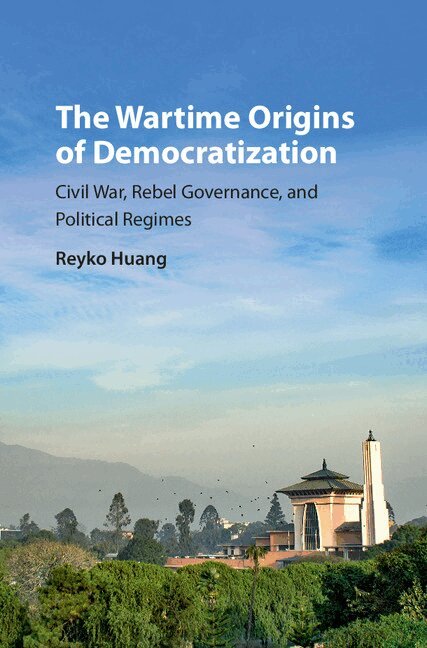
The Wartime Origins of Democratization
Civil War, Rebel Governance, and Political Regimes
Inbunden, Engelska, 2016
819 kr
Skickas inom 7-10 vardagar
Why do some countries emerge from civil war more democratic than when they entered into it, while others remain staunchly autocratic? Observers widely depict internal conflict as a pathway to autocracy or state failure, but in fact there is variation in post-civil war regimes. Conventional accounts focus on war outcomes and international peacebuilding, but Huang suggests that postwar regimes have wartime origins, notably in how rebel groups interact with ordinary people as part of war-making. War can have mobilizing effects when rebels engage extensively with civilian populations, catalyzing a bottom-up force for change toward greater political rights. Politics after civil war does not emerge from a blank slate, but reflects the war's institutional and social legacies. The Wartime Origins of Democratization explores these ideas through an original dataset of rebel governance and rigorous comparative case analysis. The findings have far-reaching implications for understanding wartime political orders, statebuilding, and international peacebuilding.
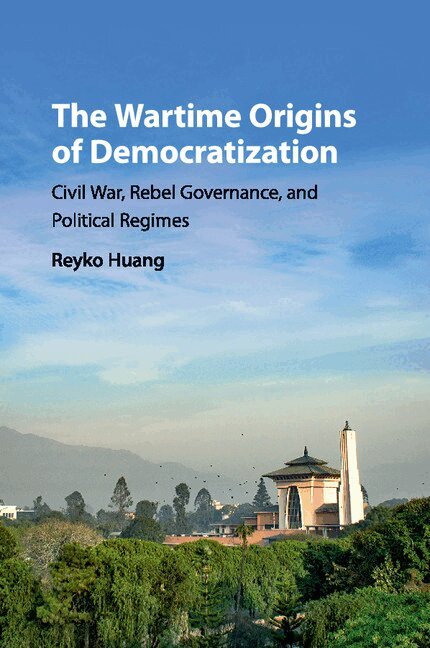
The Wartime Origins of Democratization
Civil War, Rebel Governance, and Political Regimes
Häftad, Engelska, 2017
441 kr
Skickas inom 7-10 vardagar
Why do some countries emerge from civil war more democratic than when they entered into it, while others remain staunchly autocratic? Observers widely depict internal conflict as a pathway to autocracy or state failure, but in fact there is variation in post-civil war regimes. Conventional accounts focus on war outcomes and international peacebuilding, but Huang suggests that postwar regimes have wartime origins, notably in how rebel groups interact with ordinary people as part of war-making. War can have mobilizing effects when rebels engage extensively with civilian populations, catalyzing a bottom-up force for change toward greater political rights. Politics after civil war does not emerge from a blank slate, but reflects the war's institutional and social legacies. The Wartime Origins of Democratization explores these ideas through an original dataset of rebel governance and rigorous comparative case analysis. The findings have far-reaching implications for understanding wartime political orders, statebuilding, and international peacebuilding.