Riaz Tejani – författare
Visar alla böcker från författaren Riaz Tejani. Handla med fri frakt och snabb leverans.
9 produkter
Law and Society Today
Av Riaz Tejani
Häftad, 2019
593 kr
Lägg i varukorg
Law and Society Today is a problem-oriented survey of sociolegal studies, with a unique emphasis on recent historical and political developments. Whereas other texts focus heavily on criminal procedure, this book foregrounds the significant changes of the 2000s and 2010s, including neoliberalism, …
Law and Society Today
Av Riaz Tejani
E-bok, 2019
982 kr
Lägg i varukorg
Law and Society Today is a problem-oriented survey of sociolegal studies, with a unique emphasis on recent historical and political developments. Whereas other texts focus heavily on criminal procedure, this book foregrounds the significant changes of the 2000s and 2010s, including neoliberalism, …
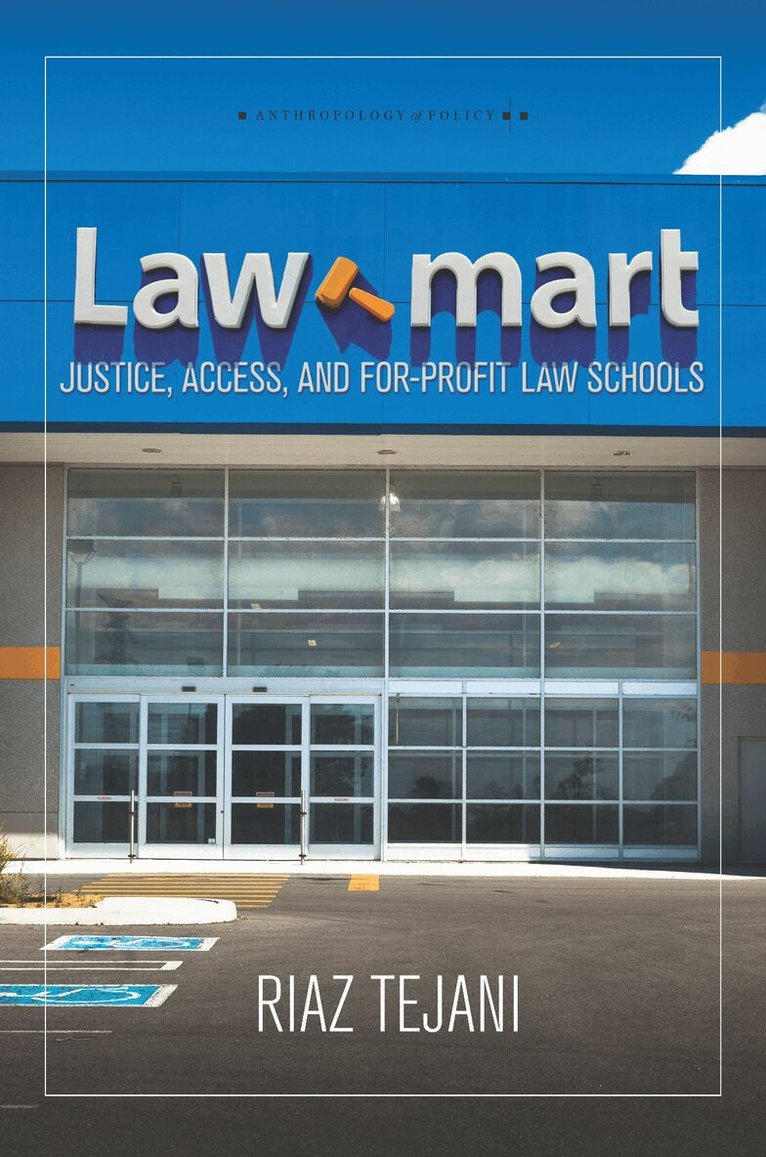
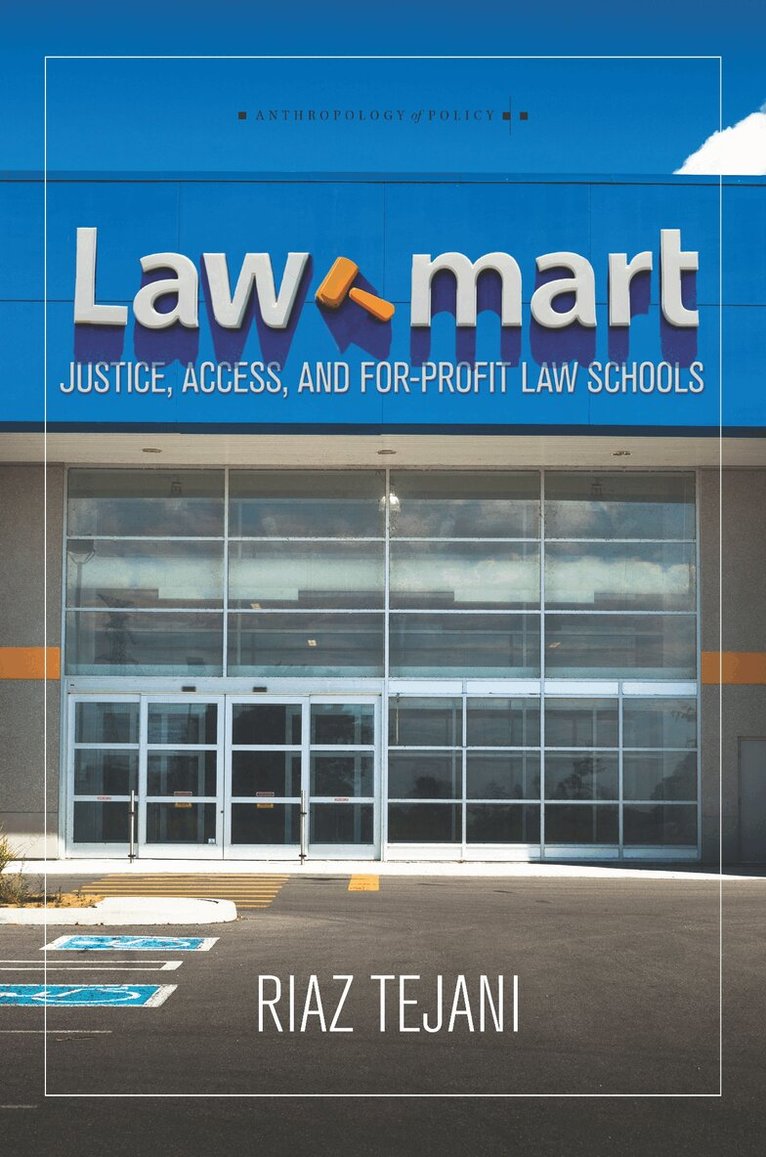
Law Mart
Justice, Access, and for-Profit Law Schools
Av Riaz Tejani
Inbunden, 2017
1139 kr
Lägg i varukorg
American law schools are in deep crisis. Enrollment is down, student loan debt is up, and the profession's supply of high-paying jobs is shrinking. Meanwhile, thousands of graduates remain underemployed while the legal needs of low-income communities go substantially unmet. Many blame …
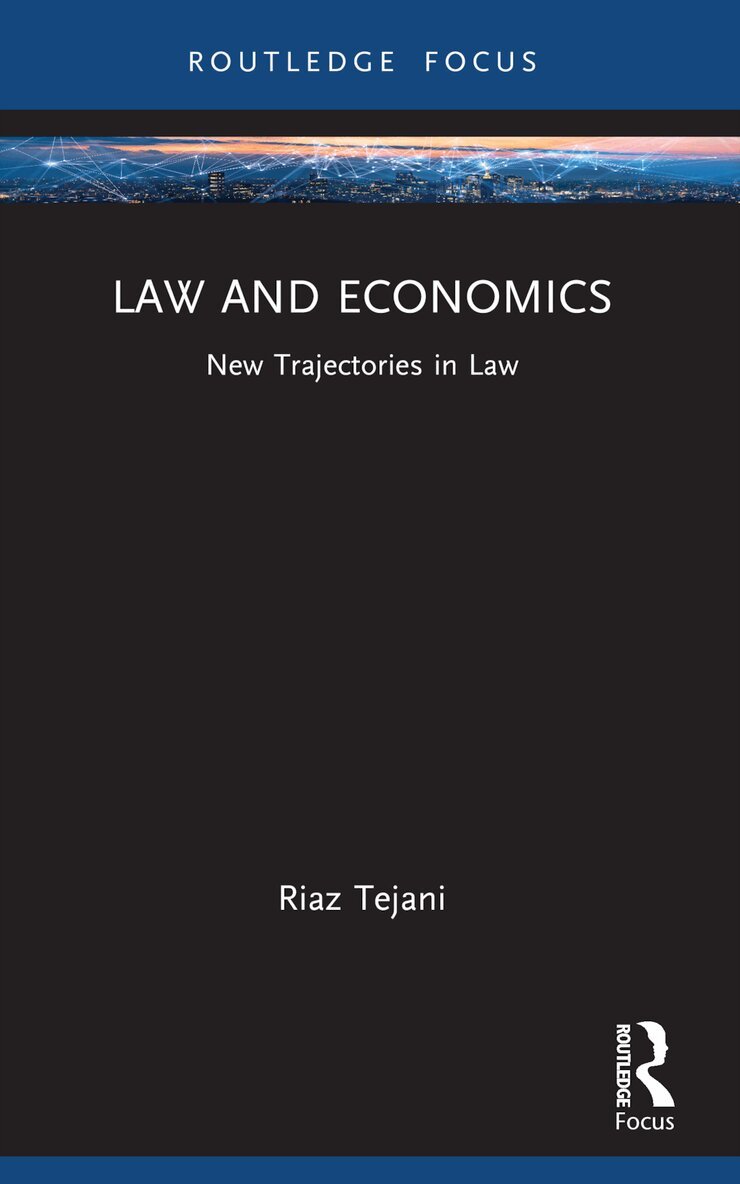
Law and Economics
New Trajectories in Law
Av Riaz Tejani
E-bok, 2023
351 kr
Lägg i varukorg
This book examines the contemporary significance of the Law and Economics movement. Drawing on anthropology, sociology, political economy, and ethics, the book traces the influence of lawyer-economists in developing and operationalizing key ideas—for instance human capital and structural …
Law and Economics
New Trajectories in Law
Av Riaz Tejani
E-bok, 2023
351 kr
Lägg i varukorg
This book examines the contemporary significance of the Law and Economics movement. Drawing on anthropology, sociology, political economy, and ethics, the book traces the influence of lawyer-economists in developing and operationalizing key ideas—for instance human capital and structural …
Law and Economics
New Trajectories in Law
Av Riaz Tejani
Inbunden, 2023
917 kr
Lägg i varukorg
This book examines the contemporary significance of the Law and Economics movement.Drawing on anthropology, sociology, political economy, and ethics, the book traces the influence of lawyer-economists in developing and operationalizing key ideas—for instance human capital and structural …
Law and Economics
New Trajectories in Law
Av Riaz Tejani
Häftad, 2024
301 kr
Lägg i varukorg
This book examines the contemporary significance of the Law and Economics movement.Drawing on anthropology, sociology, political economy, and ethics, the book traces the influence of lawyer-economists in developing and operationalizing key ideas—for instance human capital and structural …
Law Mart
Justice, Access, and for-Profit Law Schools
Av Riaz Tejani
Häftad, 2017
277 kr
Lägg i varukorg
American law schools are in deep crisis. Enrollment is down, student loan debt is up, and the profession's supply of high-paying jobs is shrinking. Meanwhile, thousands of graduates remain underemployed while the legal needs of low-income communities go substantially unmet. Many blame …
Law Mart
Justice, Access, and for-Profit Law Schools
Av Riaz Tejani
E-bok, 2017
335 kr
Lägg i varukorg
American law schools are in deep crisis. Enrollment is down, student loan debt is up, and the profession's supply of high-paying jobs is shrinking. Meanwhile, thousands of graduates remain underemployed while the legal needs of low-income communities go substantially unmet. Many blame …