Riccardo Baldissone – författare
Visar alla böcker från författaren Riccardo Baldissone. Handla med fri frakt och snabb leverans.
4 produkter
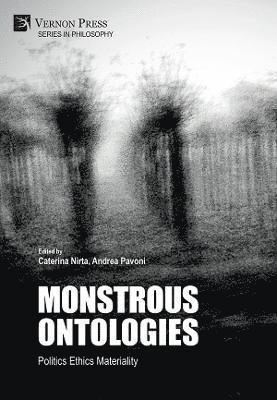
Monstrous Ontologies: Politics Ethics Materiality
Av Jack Boulton, Emanuele Prezioso m. fl.
Inbunden, 2021
912 kr
Lägg i varukorg
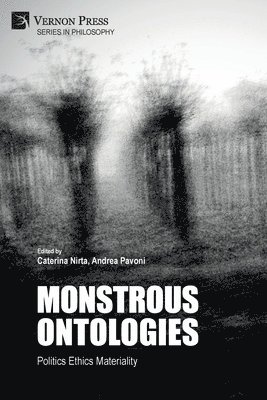
Monstrous Ontologies: Politics Ethics Materiality
Politics Ethics Materiality
Av Jack Boulton, Emanuele Prezioso m. fl.
Häftad, 2022
718 kr
Lägg i varukorg
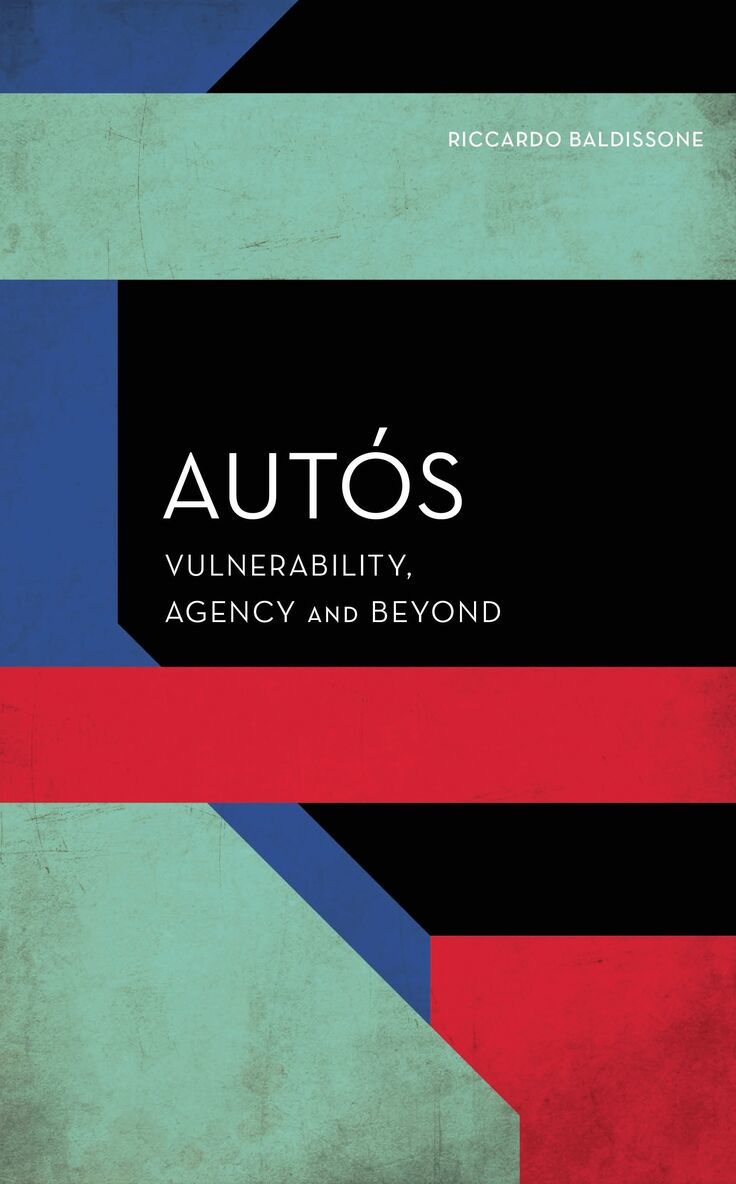
Autós
Individuation in the European Text
Inbunden, 2020
1560 kr
Lägg i varukorg
Are we doomed to construct reality with the language of being and individuality? Autós shows a different perspective by reconsidering the European textual production of individuals. Its narration progresses in reverse chronological order to escape teleology: it goes from the modern atomized and …
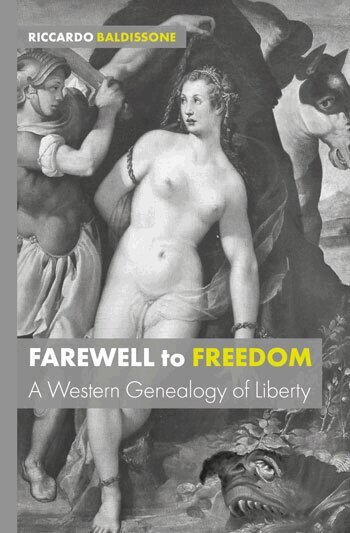
Farewell to Freedom
A Western Genealogy of Liberty
Av Ricardo Baldissone, Riccardo Baldissone
Häftad, 2018
368 kr
Lägg i varukorg
Understandings of freedom are often discussed in moral, theological, legal and political terms, but they are not often set in a historical perspective, and they are even more rarely considered within their specific language context. From Homeric poems to contemporary works, the author traces the …