Richard Arnold Davis – författare
Visar alla böcker från författaren Richard Arnold Davis. Handla med fri frakt och snabb leverans.
5 produkter
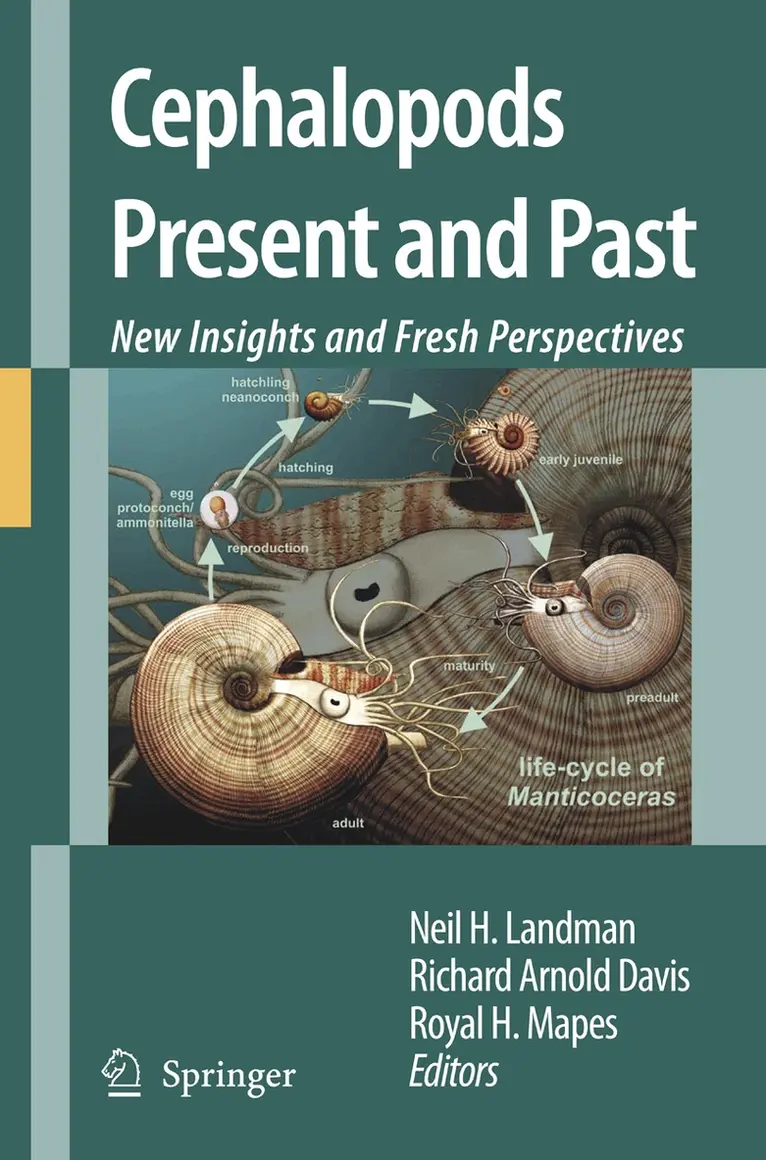
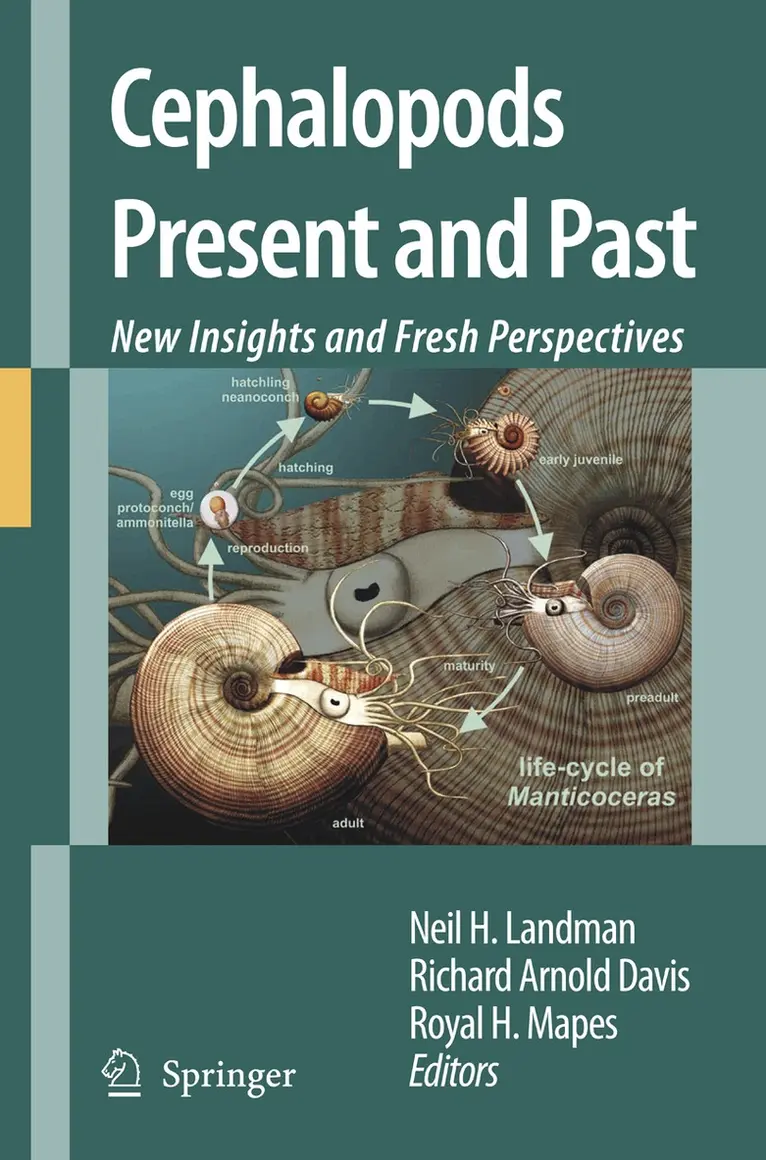
Cephalopods Present and Past: New Insights and Fresh Perspectives
Av Neil H. Landman, Richard Arnold Davis m. fl.
Inbunden, 2007
2179 kr
Lägg i varukorg
Cephalopods are diverse, highly developed molluscs capable of swimming and jet propulsion. These animals are an important component of present-day marine ecos- tems throughout the world and comprise approximately 900 species. They also have an extraordinary fossil record, extending back to the …
Cephalopods Present and Past: New Insights and Fresh Perspectives
Av Royal H. Mapes, Richard Arnold Davis m. fl.
E-bok, 2007
2925 kr
Lägg i varukorg
Cephalopods are diverse, highly developed molluscs capable of swimming and jet propulsion. These animals are an important component of present-day marine ecos- tems throughout the world and comprise approximately 900 species. They also have an extraordinary fossil record, extending back to the …
Ammonoid Paleobiology
Av Richard Arnold Davis, Kazushige Tanabe m. fl.
E-bok, 2013
3948 kr
Lägg i varukorg
Renowned researchers summarize the current knowledge on ammonoid paleobiology. The book begins with a description of the systematic position of the Ammonoidea within the Cephalopoda, providing the phylogenetic framework for the rest of the book. Following discussions include soft- and hard-part …
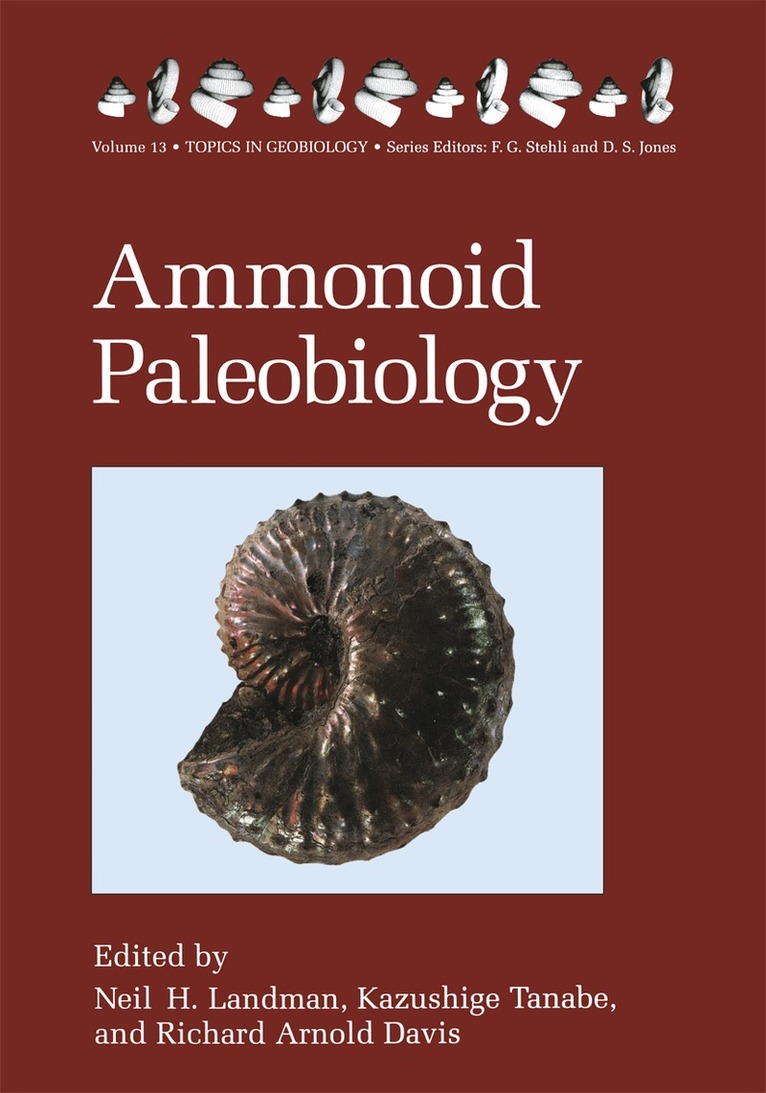
Ammonoid Paleobiology
Av Neil H. Landman, Kazushige Tanabe m. fl.
Häftad, 2013
3591 kr
Lägg i varukorg
Renowned researchers summarize the current knowledge on ammonoid paleobiology. The book begins with a description of the systematic position of the Ammonoidea within the Cephalopoda, providing the phylogenetic framework for the rest of the book. Following discussions include soft- and hard-part …
Cephalopods Present and Past: New Insights and Fresh Perspectives
Av Neil H. Landman, Richard Arnold Davis m. fl.
Häftad, 2014
2179 kr
Lägg i varukorg
Cephalopods are diverse, highly developed molluscs capable of swimming and jet propulsion. These animals are an important component of present-day marine ecos- tems throughout the world and comprise approximately 900 species. They also have an extraordinary fossil record, extending back to the …