
Richard Brent Turner - Böcker
Visar alla böcker från författaren Richard Brent Turner. Handla med fri frakt och snabb leverans.
5 produkter
5 produkter
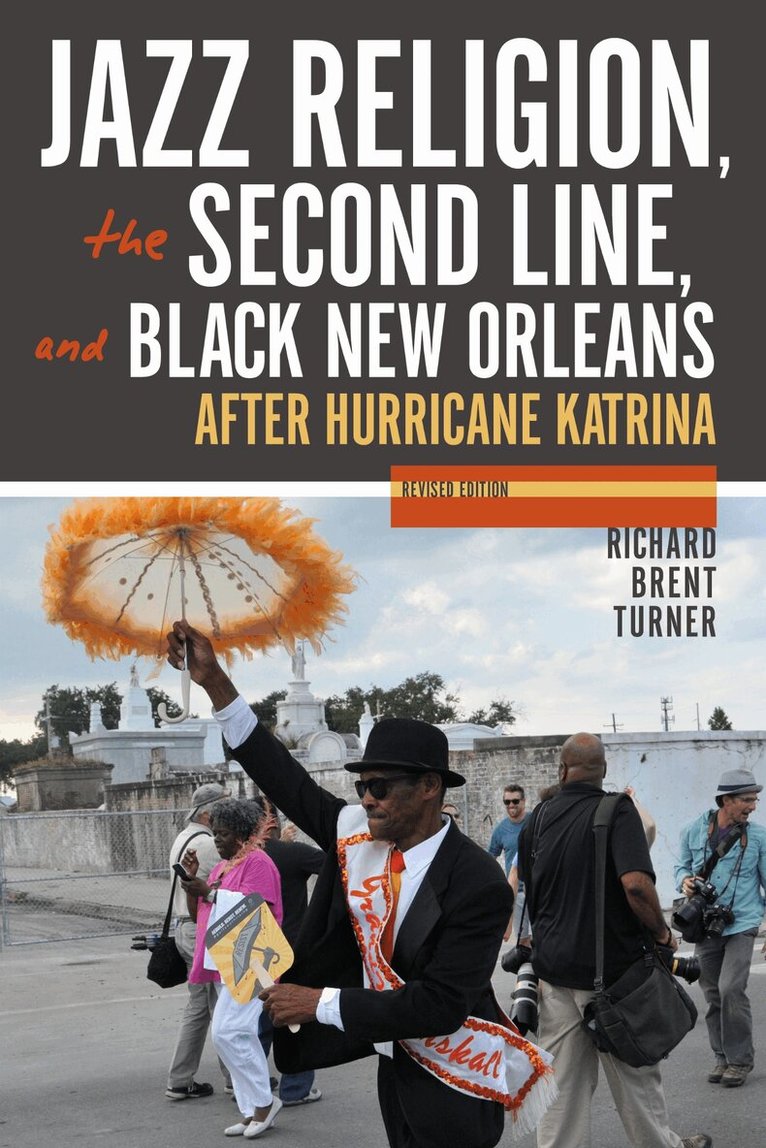
Jazz Religion, the Second Line, and Black New Orleans, New Edition
After Hurricane Katrina
Häftad, Engelska, 2016
261 kr
Skickas inom 10-15 vardagar
An examination of the musical, religious, and political landscape of black New Orleans before and after Hurricane Katrina, this revised edition looks at how these factors play out in a new millennium of global apartheid. Richard Brent Turner explores the history and contemporary significance of second lines—the group of dancers who follow the first procession of church and club members, brass bands, and grand marshals in black New Orleans's jazz street parades. Here music and religion interplay, and Turner's study reveals how these identities and traditions from Haiti and West and Central Africa are reinterpreted. He also describes how second line participants create their own social space and become proficient in the arts of political disguise, resistance, and performance.
248 kr
Skickas inom 10-15 vardagar
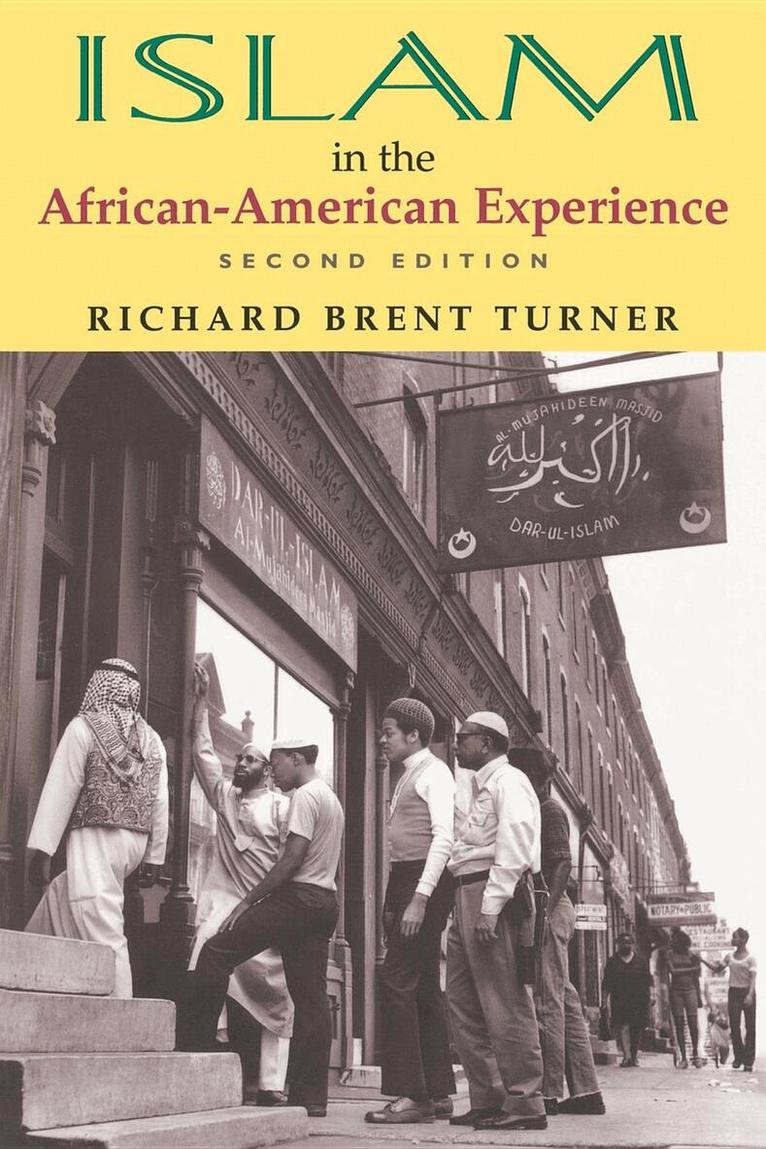
"[Sure to become] a classic in the field. Highly recommended." —Library Journal". . . full of surprises and intrigues and written in a beautiful style. . . . a breath of fresh air on the African-Islamic-American connection." —Journal of the American Academy of ReligionThe involvement of black Americans with Islam reaches back to the earliest days of the African presence in North America. Part I of the book explores these roots in the Middle East, West Africa, and antebellum America. Part II tells the story of the "Prophets of the City"—the leaders of the new urban-based African American Muslim movements in the 20th century. Turner places the study of Islam in the context of the racial, ethical, and political relations that influenced the reception of successive presentations of Islam, including the West African Islam of slaves, the Ahmadiyya Movement from India, the orthodox Sunni practice of later immigrants, and the Nation of Islam. This second edition features a new introduction, which discusses developments since the earlier edition, including Islam in a post-9/11 America.
234 kr
Skickas inom 10-15 vardagar
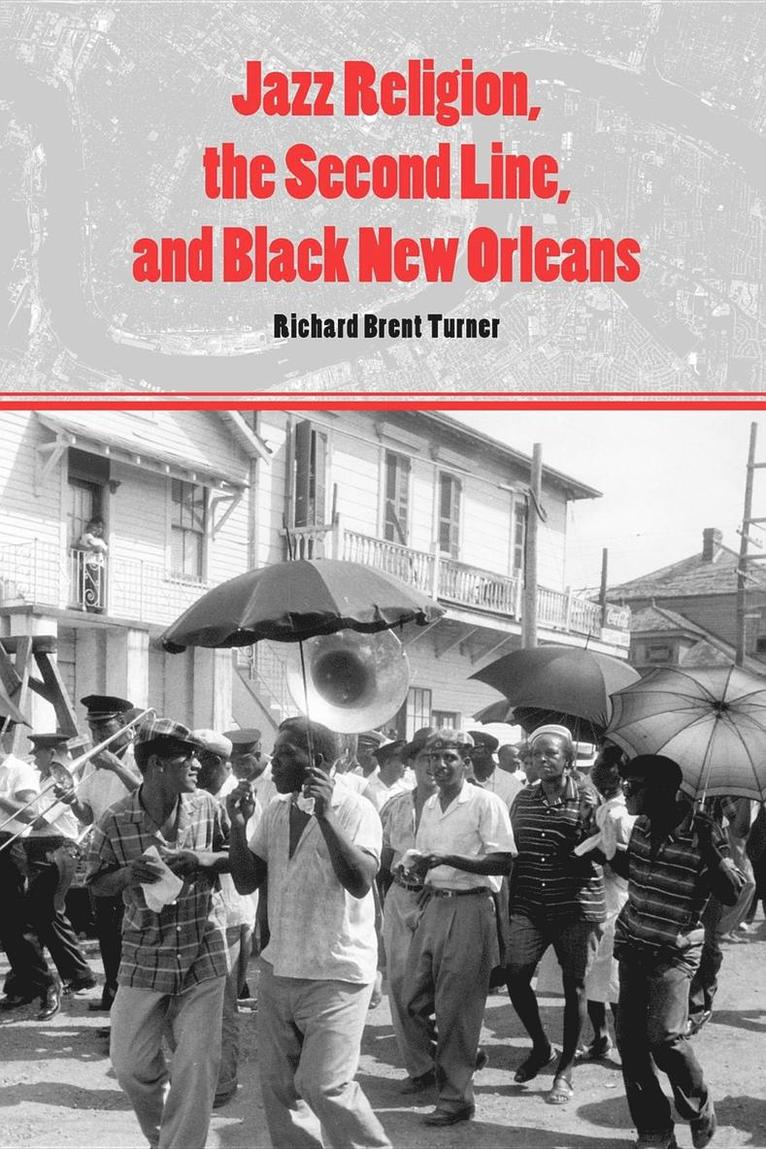
In his new book, Richard Brent Turner explores the history and contemporary significance of the popular religious traditions, identities, and performance forms celebrated in the second lines of the jazz street parades of black New Orleans. The second line is the group of dancers who follow the first procession of church and club members, brass bands, and grand marshals. Here musical and religious traditions interplay. Jazz Religion, the Second Line, and Black New Orleans examines the relationship of jazz to indigenous religion and spirituality. It explores how the African diasporist religious identities and musical traditions—from Haiti and West and Central Africa—are reinterpreted in New Orleans jazz and popular religious performances, while describing how the participants in the second line create their own social space and become proficient in the arts of political disguise, resistance, and performance.
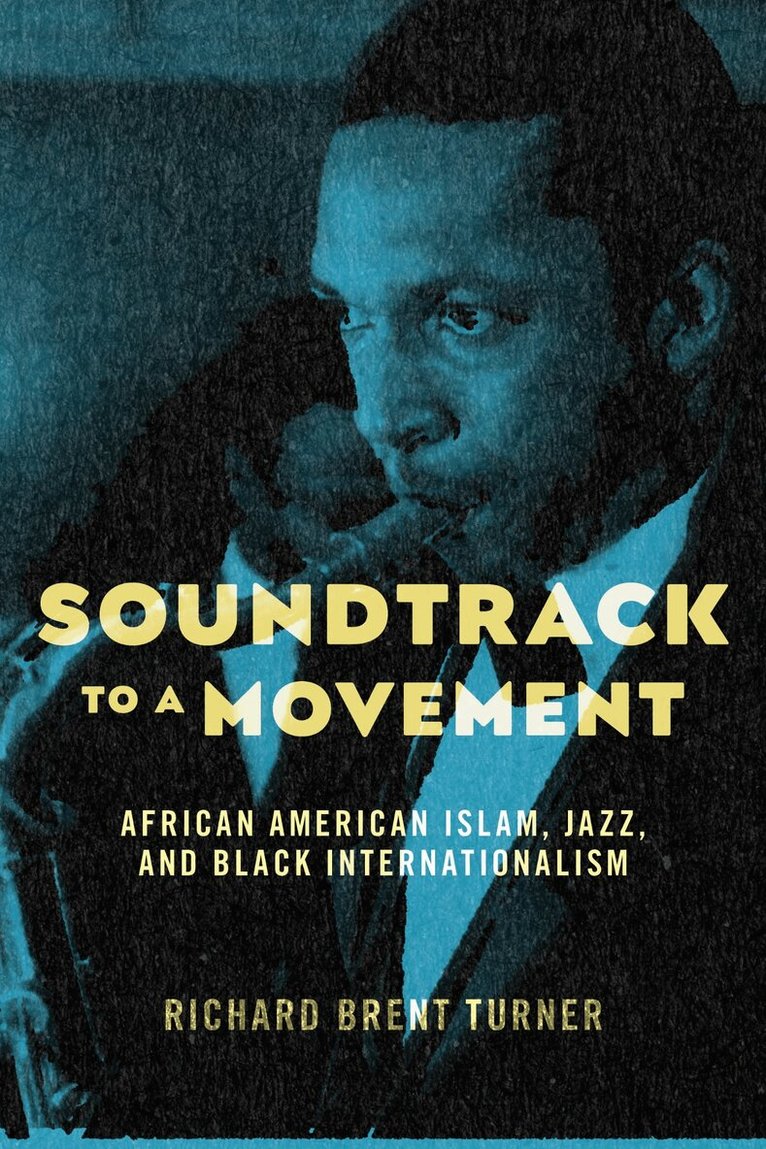
Soundtrack to a Movement
African American Islam, Jazz, and Black Internationalism
Häftad, Engelska, 2021
310 kr
Skickas inom 7-10 vardagar
**FINALIST for the 2022 PROSE Award in Music & the Performing Arts****Certificate of Merit, Best Historical Research on Recorded Jazz, given by the 2022 Association for Recorded Sounds Collection Awards for Excellence in Historical Sound Research** Explores how jazz helped propel the rise of African American Islam during the era of global Black liberationAmid the social change and liberation of the civil rights and Black Power movements, the tenor saxophonist Archie Shepp recorded a tribute to Malcolm X's emancipatory political consciousness. Shepp saw similarities between his revolutionary hero and John Coltrane, one of the most influential jazz musicians of the era. Later, the esteemed trumpeter Miles Davis echoed Shepp's sentiment, recognizing that Coltrane's music represented the very passion, rage, rebellion, and love that Malcolm X preached.Soundtrack to a Movement examines the link between the revolutionary Black Islam of the post-WWII generation and jazz music. It argues that from the late 1940s and '50s though the 1970s, Islam rose in prominence among African Americans in part because of the embrace of the religion among jazz musicians. The book demonstrates that the values that Islam and jazz shared—Black affirmation, freedom, and self-determination—were key to the growth of African American Islamic communities, and that it was jazz musicians who led the way in shaping encounters with Islam as they developed a Black Atlantic "cool" that shaped both Black religion and jazz styles.Soundtrack to a Movement demonstrates how by expressing their values through the rejection of systemic racism, the construction of Black notions of masculinity and femininity, and the development of an African American religious internationalism, both jazz musicians and Black Muslims engaged with a global Black consciousness and interconnected resistance movements in the African diaspora and Africa.
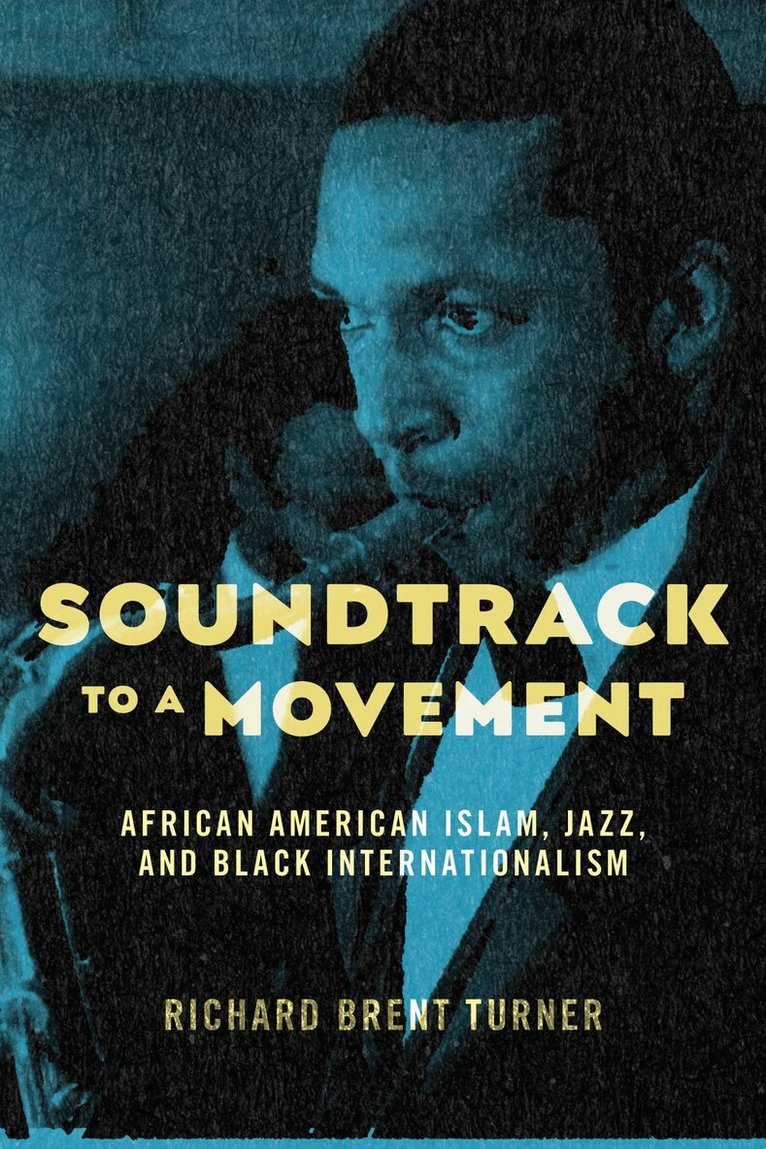
Soundtrack to a Movement
African American Islam, Jazz, and Black Internationalism
Inbunden, Engelska, 2021
1 010 kr
Skickas inom 10-15 vardagar
**FINALIST for the 2022 PROSE Award in Music & the Performing Arts****Certificate of Merit, Best Historical Research on Recorded Jazz, given by the 2022 Association for Recorded Sounds Collection Awards for Excellence in Historical Sound Research** Explores how jazz helped propel the rise of African American Islam during the era of global Black liberationAmid the social change and liberation of the civil rights and Black Power movements, the tenor saxophonist Archie Shepp recorded a tribute to Malcolm X's emancipatory political consciousness. Shepp saw similarities between his revolutionary hero and John Coltrane, one of the most influential jazz musicians of the era. Later, the esteemed trumpeter Miles Davis echoed Shepp's sentiment, recognizing that Coltrane's music represented the very passion, rage, rebellion, and love that Malcolm X preached.Soundtrack to a Movement examines the link between the revolutionary Black Islam of the post-WWII generation and jazz music. It argues that from the late 1940s and '50s though the 1970s, Islam rose in prominence among African Americans in part because of the embrace of the religion among jazz musicians. The book demonstrates that the values that Islam and jazz shared—Black affirmation, freedom, and self-determination—were key to the growth of African American Islamic communities, and that it was jazz musicians who led the way in shaping encounters with Islam as they developed a Black Atlantic "cool" that shaped both Black religion and jazz styles.Soundtrack to a Movement demonstrates how by expressing their values through the rejection of systemic racism, the construction of Black notions of masculinity and femininity, and the development of an African American religious internationalism, both jazz musicians and Black Muslims engaged with a global Black consciousness and interconnected resistance movements in the African diaspora and Africa.