Richard Brilliant – författare
Visar alla böcker från författaren Richard Brilliant. Handla med fri frakt och snabb leverans.
7 produkter
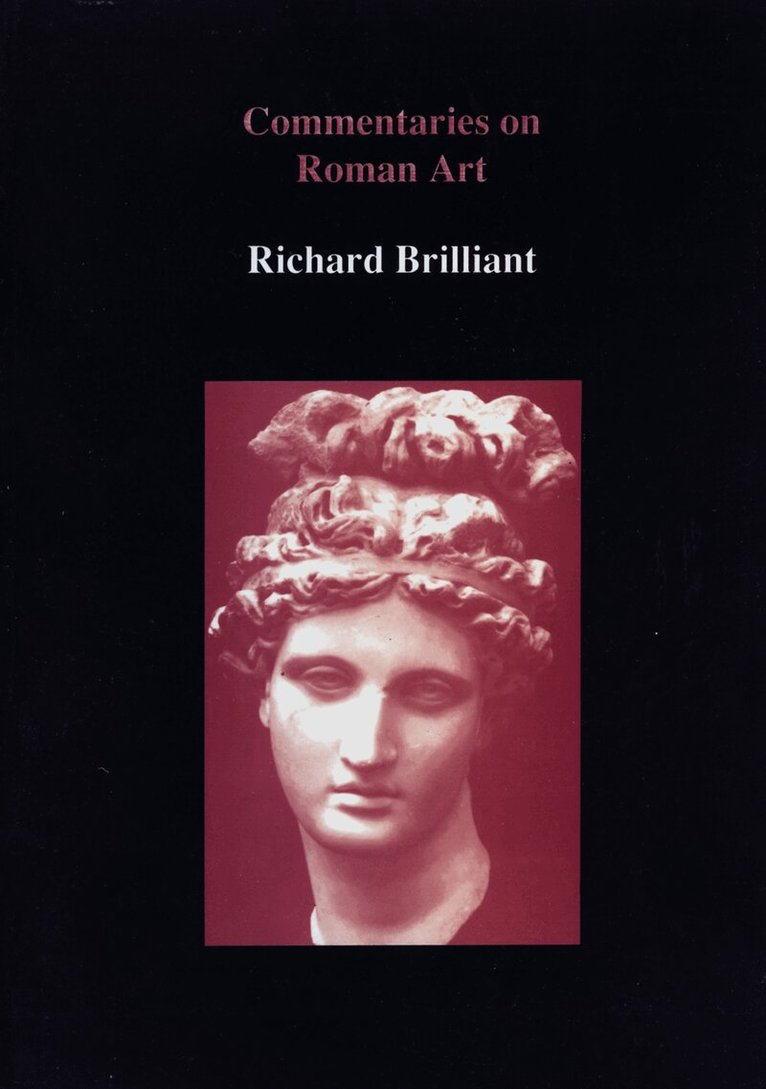
Commentaries on Roman Art
Selected Studies
Inbunden, 1994
949 kr
Lägg i varukorg
Professor Brilliant's work on Roman art over the last twenty-five years has changed many of the ways in which we look at the subject. The papers reprinted here document the development of the author's views on the art of the Roman world and its links with earlier phases of Greek art. There are …
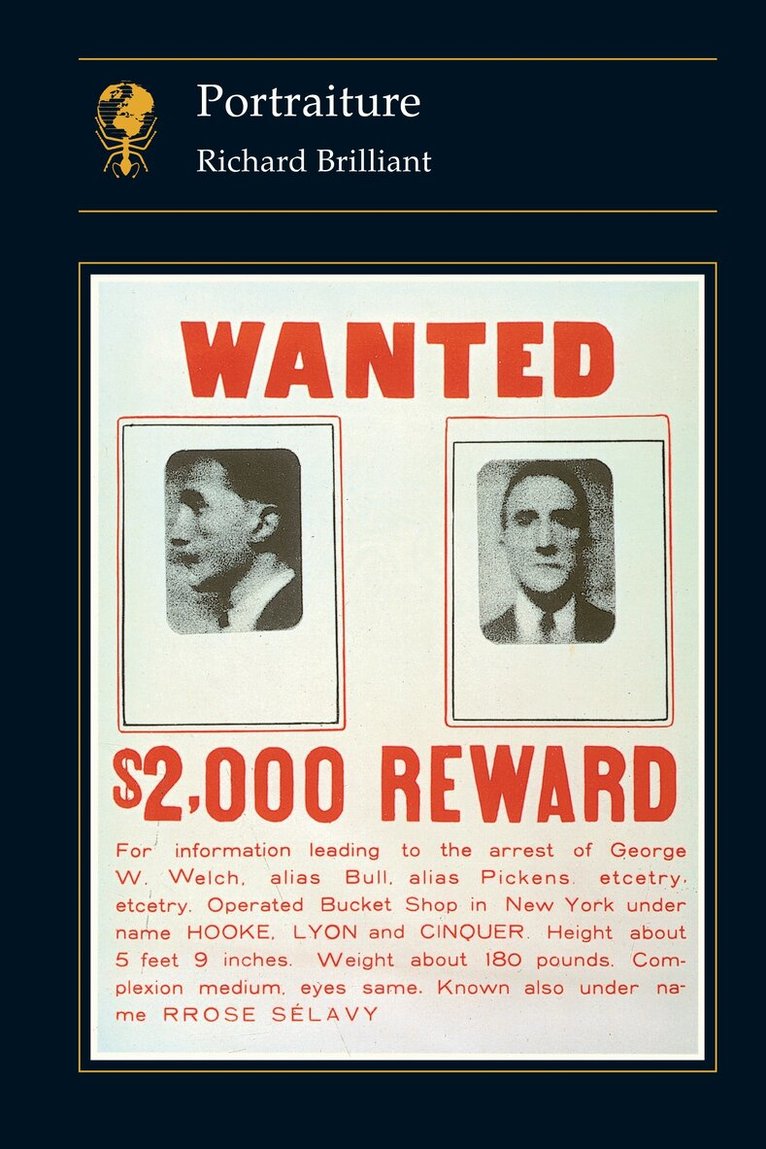
Portraiture
Häftad, 1991
371 kr
Lägg i varukorg
This is the first general and theoretical study devoted entirely to portraiture. Drawing on a broad range of images from Antiquity to the twentieth century, which includes paintings, sculptures, prints, cartoons, postage stamps, medals, documents and photographs, Richard Brilliant investigates the …
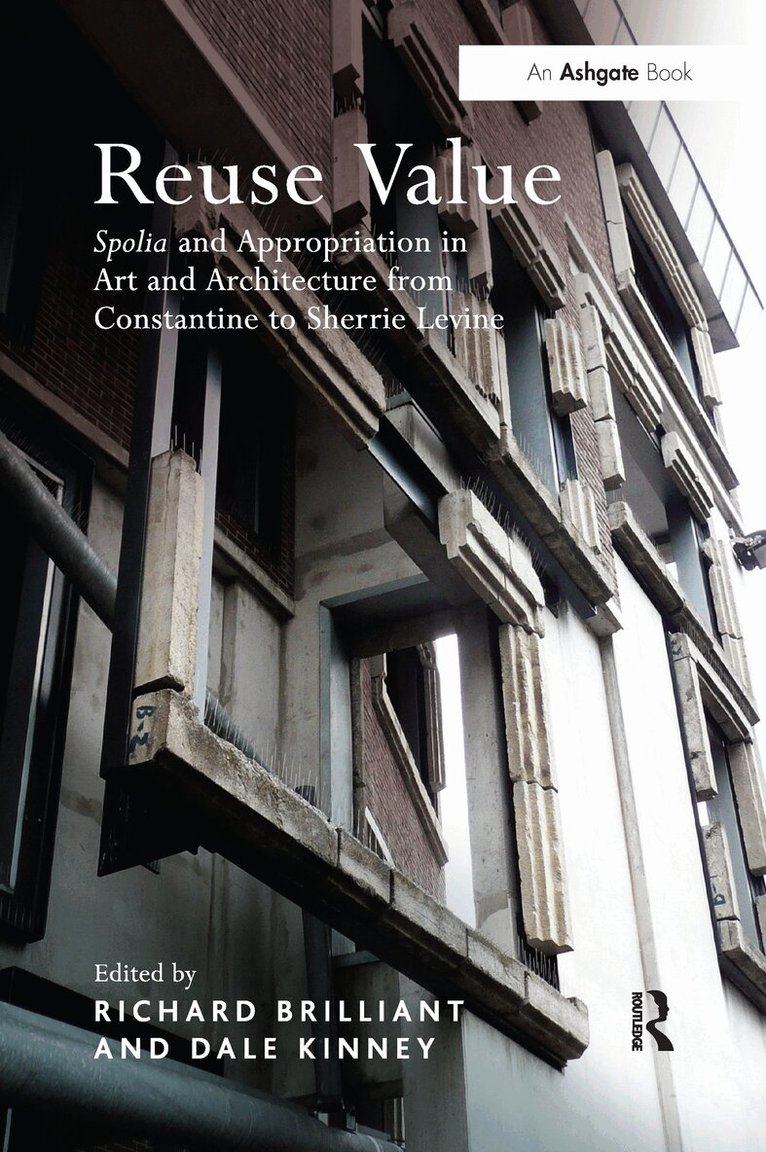
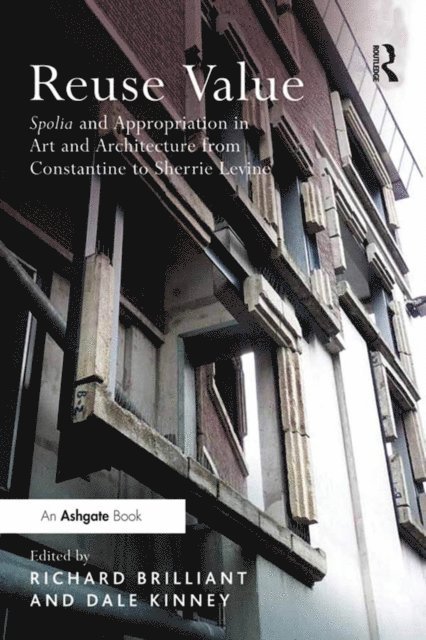
Reuse Value
Spolia and Appropriation in Art and Architecture from Constantine to Sherrie Levine
Av Richard Brilliant, Dale Kinney
Häftad, 2016
964 kr
Lägg i varukorg
This book offers a range of views on spolia and appropriation in art and architecture from fourth-century Rome to the late twentieth century. Using case studies from different historical moments and cultures, contributors test the limits of spolia as a critical category and seek to define its …
Reuse Value
Spolia and Appropriation in Art and Architecture from Constantine to Sherrie Levine
Av Dale Kinney, Richard Brilliant
E-bok, 2016
1141 kr
Lägg i varukorg
This book offers a range of views on spolia and appropriation in art and architecture from fourth-century Rome to the late twentieth century. Using case studies from different historical moments and cultures, contributors test the limits of spolia as a critical category and seek to define its …
Reuse Value
Spolia and Appropriation in Art and Architecture from Constantine to Sherrie Levine
Av Dale Kinney, Richard Brilliant
E-bok, 2016
1141 kr
Lägg i varukorg
This book offers a range of views on spolia and appropriation in art and architecture from fourth-century Rome to the late twentieth century. Using case studies from different historical moments and cultures, contributors test the limits of spolia as a critical category and seek to define its …
Reuse Value
Spolia and Appropriation in Art and Architecture from Constantine to Sherrie Levine
Av Richard Brilliant, Dale Kinney
Inbunden, 2011
2578 kr
Lägg i varukorg
This book offers a range of views on spolia and appropriation in art and architecture from fourth-century Rome to the late twentieth century. Using case studies from different historical moments and cultures, contributors test the limits of spolia as a critical category and seek to define its …
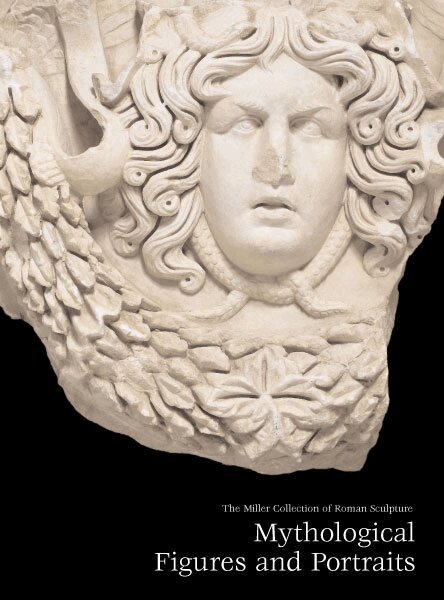
Miller Collection of Roman Sculpture
Mythological Figures and Portraits
Häftad, 2004
338 kr
Tillfälligt slut
The ancient Greeks presented a vision of man, rendered in stone, as an idealized, god-like individual. Romans took portraiture one step further, capturing for posterity the likeness of an actual person. Whether depicting statesmen, noblemen, or citizens-about-town, Roman sculptors made a …