Richard Butterwick – författare
Visar alla böcker från författaren Richard Butterwick. Handla med fri frakt och snabb leverans.
11 produkter
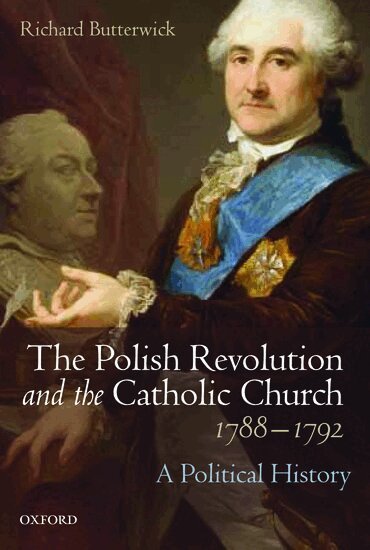
Polish Revolution and the Catholic Church, 1788-1792
A Political History
E-bok, 2011
1797 kr
Lägg i varukorg
The Polish Revolution cast off the Russian hegemony that had kept the Polish-Lithuanian Commonwealth impotent for most of the eighteenth century. Before being overthrown by the armies of Catherine the Great, the Four Years'' Parliament of 1788-92 passed wide-ranging reforms, culminating in …
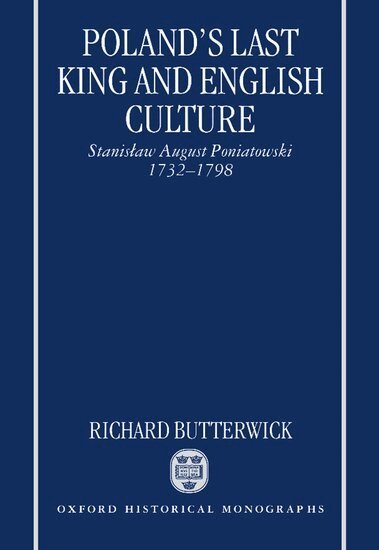
Poland's Last King and English Culture
Stanislaw August Poniatowski, 1732-1798
Inbunden, 1998
7067 kr
Lägg i varukorg
The attempt by Stanislaw August Poniatowski (1764-95) 'to create anew the Polish world' was one of the most audacious enterprises of reform undertaken by any enlightened monarch in the eighteenth century. None started in less promising circumstances. Politically the King was trapped between a …
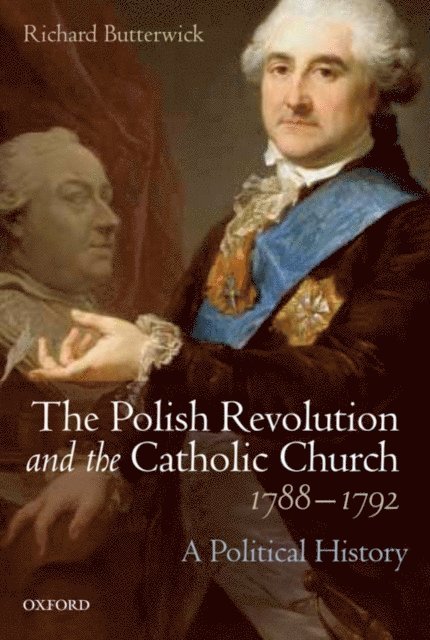
The Polish Revolution and the Catholic Church, 1788-1792
A Political History
Inbunden, 2011
2810 kr
Lägg i varukorg
The Polish Revolution cast off the Russian hegemony that had kept the Polish-Lithuanian Commonwealth impotent for most of the eighteenth century. Before being overthrown by the armies of Catherine the Great, the Four Years' Parliament of 1788-92 passed wide-ranging reforms, culminating in Europe's …
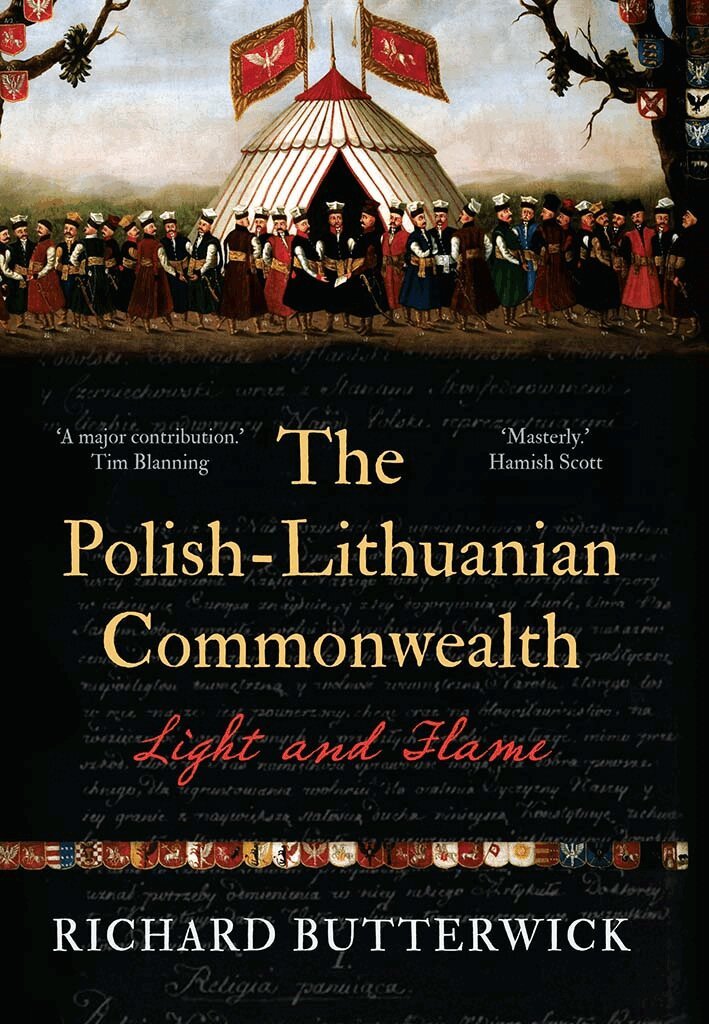
Polish-Lithuanian Commonwealth, 1733-1795
Light and Flame
Inbunden, 2020
406 kr
Lägg i varukorg
A major new assessment of the “vanished kingdom” of the Polish-Lithuanian Commonwealth—one which recognizes its achievements before its destruction Richard Butterwick tells the compelling story of the last decades of one of Europe’s largest and least understood polities: the Polish-Lithuanian …
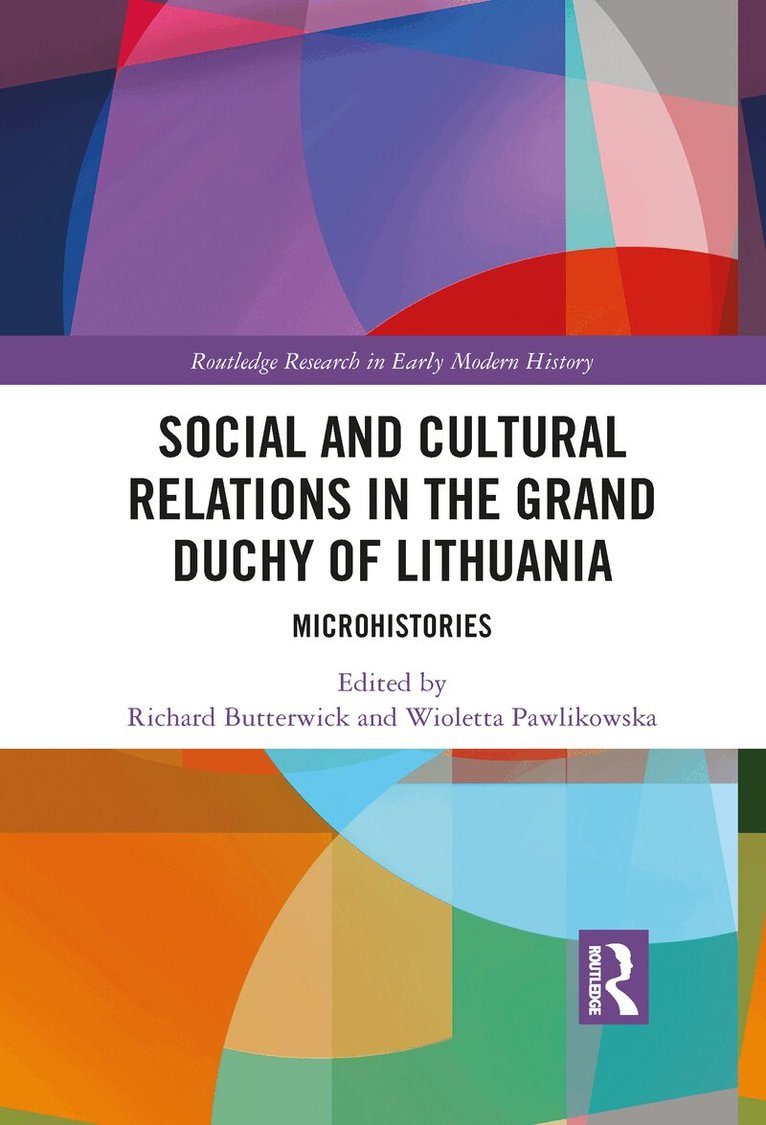
Social and Cultural Relations in the Grand Duchy of Lithuania
Microhistories
Av Richard Butterwick, Wioletta Pawlikowska
Inbunden, 2019
2586 kr
Lägg i varukorg
The Grand Duchy of Lithuania was one of the largest and most linguistically, ethnically and religiously diverse polities in late medieval and early modern Europe. In the mid-1380s the Grand Duchy of Lithuania entered into a long process of union with the Kingdom of Poland. Since the destruction of …
Social and Cultural Relations in the Grand Duchy of Lithuania
Microhistories
Av Wioletta Pawlikowska, Richard Butterwick
E-bok, 2019
838 kr
Lägg i varukorg
The Grand Duchy of Lithuania was one of the largest and most linguistically, ethnically and religiously diverse polities in late medieval and early modern Europe. In the mid-1380s the Grand Duchy of Lithuania entered into a long process of union with the Kingdom of Poland. Since the destruction of …
Social and Cultural Relations in the Grand Duchy of Lithuania
Microhistories
Av Wioletta Pawlikowska, Richard Butterwick
E-bok, 2019
838 kr
Lägg i varukorg
The Grand Duchy of Lithuania was one of the largest and most linguistically, ethnically and religiously diverse polities in late medieval and early modern Europe. In the mid-1380s the Grand Duchy of Lithuania entered into a long process of union with the Kingdom of Poland. Since the destruction of …
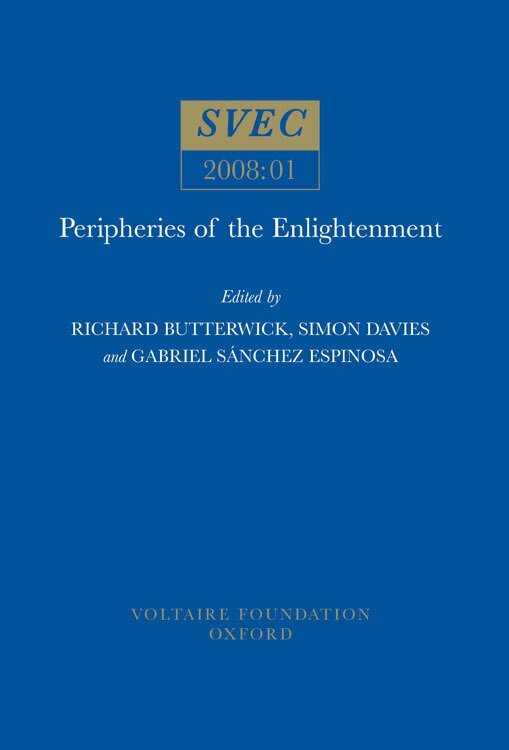
Peripheries of the Enlightenment
Av Richard Butterwick, Simon Davies m. fl.
Häftad, 2008
1654 kr
Lägg i varukorg
‘Enlightenment’ is a universal concept, but its meaning is most clearly revealed by seeing how it was engaged with, reconfigured or rejected, on a local level. Peripheries of the Enlightenment seeks to rethink the ‘centre/periphery’ model, and to consider the Enlightenment as a more widely spread …
Social and Cultural Relations in the Grand Duchy of Lithuania
Microhistories
Av Richard Butterwick, Wioletta Pawlikowska
Häftad, 2021
727 kr
Lägg i varukorg
The Grand Duchy of Lithuania was one of the largest and most linguistically, ethnically and religiously diverse polities in late medieval and early modern Europe. In the mid-1380s the Grand Duchy of Lithuania entered into a long process of union with the Kingdom of Poland. Since the destruction of …
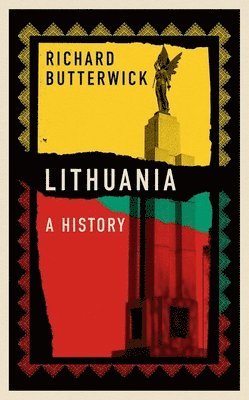
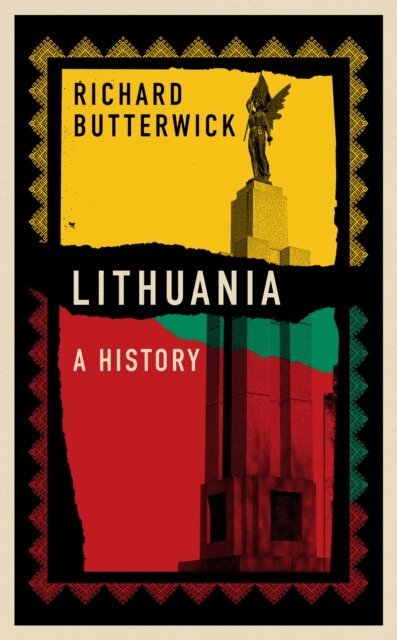
Lithuania
A Short History
E-bok, 2025
238 kr
Lägg i varukorg
Lithuania is often portrayed as a small nation- state that has survived against the odds of history: together with Estonia and Latvia, it won independence at the end of the First World War, lost it to the Soviet Union in 193940, regained it in 19901, and joined NATO and the EU in 2004, angering the …