Richard Cándida Smith – författare
Visar alla böcker från författaren Richard Cándida Smith. Handla med fri frakt och snabb leverans.
10 produkter
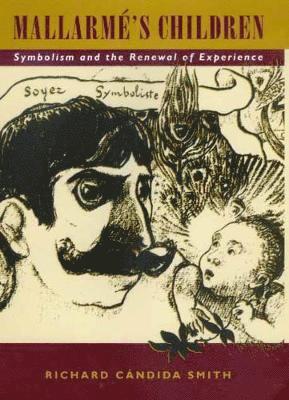
Mallarme's Children
Symbolism and the Renewal of Experience
Inbunden, 2000
886 kr
Lägg i varukorg
In a narrative gracefully combining intellectual and cultural history, Richard Candida Smith unfolds the legacy of Stephane Mallarme (1842-1898), the poet who fathered the symbolist movement in poetry and art. The symbolists found themselves in the midst of the transition to a world in which new …
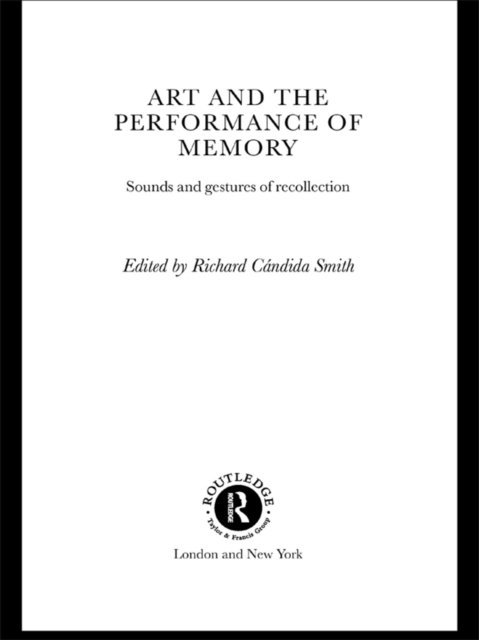
Art and the Performance of Memory
Sounds and Gestures of Recollection
Inbunden, 2002
2586 kr
Lägg i varukorg
This book investigates the role that the visual and performing arts play in our experience and understanding of the past. Expanding upon longstanding concerns in cultural history about the relation of text and image, the book highlights the distinction between enactive and cognitive memory and the …
Art and the Performance of Memory
Sounds and Gestures of Recollection
Häftad, 2011
937 kr
Lägg i varukorg
This book investigates the role that the visual and performing arts play in our experience and understanding of the past. Expanding upon longstanding concerns in cultural history about the relation of text and image, the book highlights the distinction between enactive and cognitive memory and the …
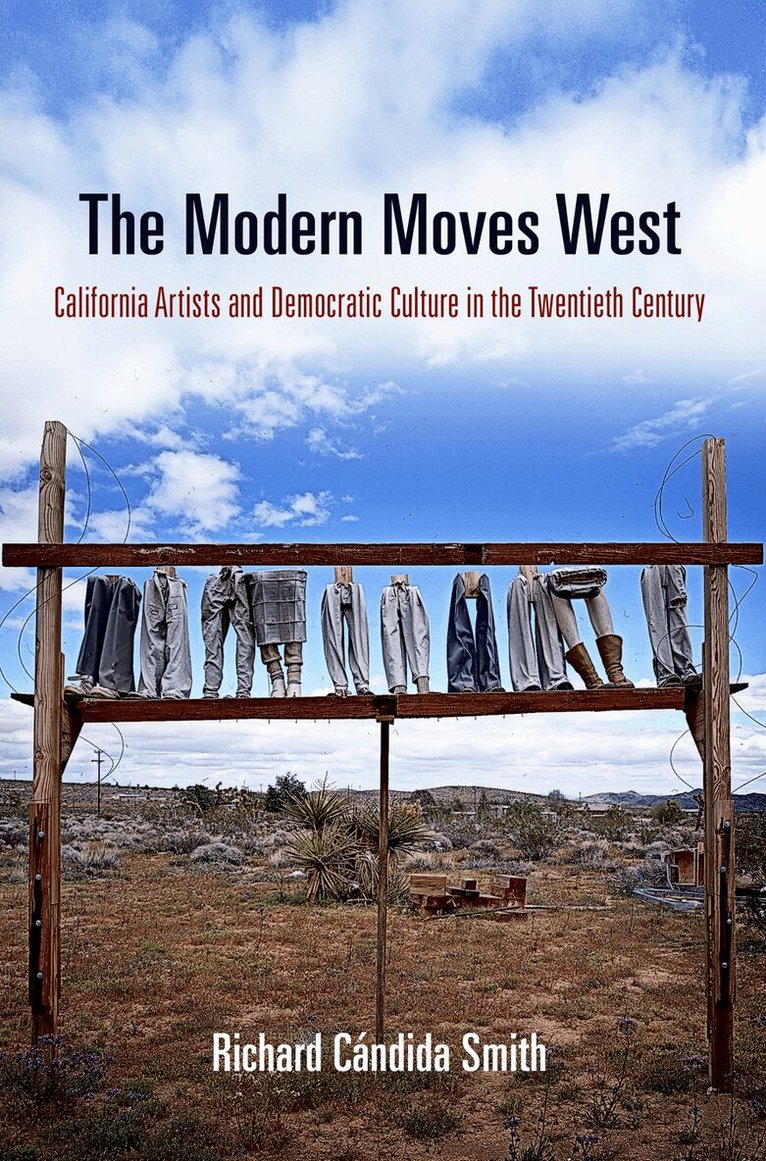
Modern Moves West
California Artists and Democratic Culture in the Twentieth Century
E-bok, 2012
437 kr
Lägg i varukorg
In 1921 Sam Rodia, an Italian laborer and tile setter, started work on an elaborate assemblage in the backyard of his home in Watts, California. The result was an iconic structure now known as the Watts Towers. Rodia created a work that was original, even though the resources available to support …
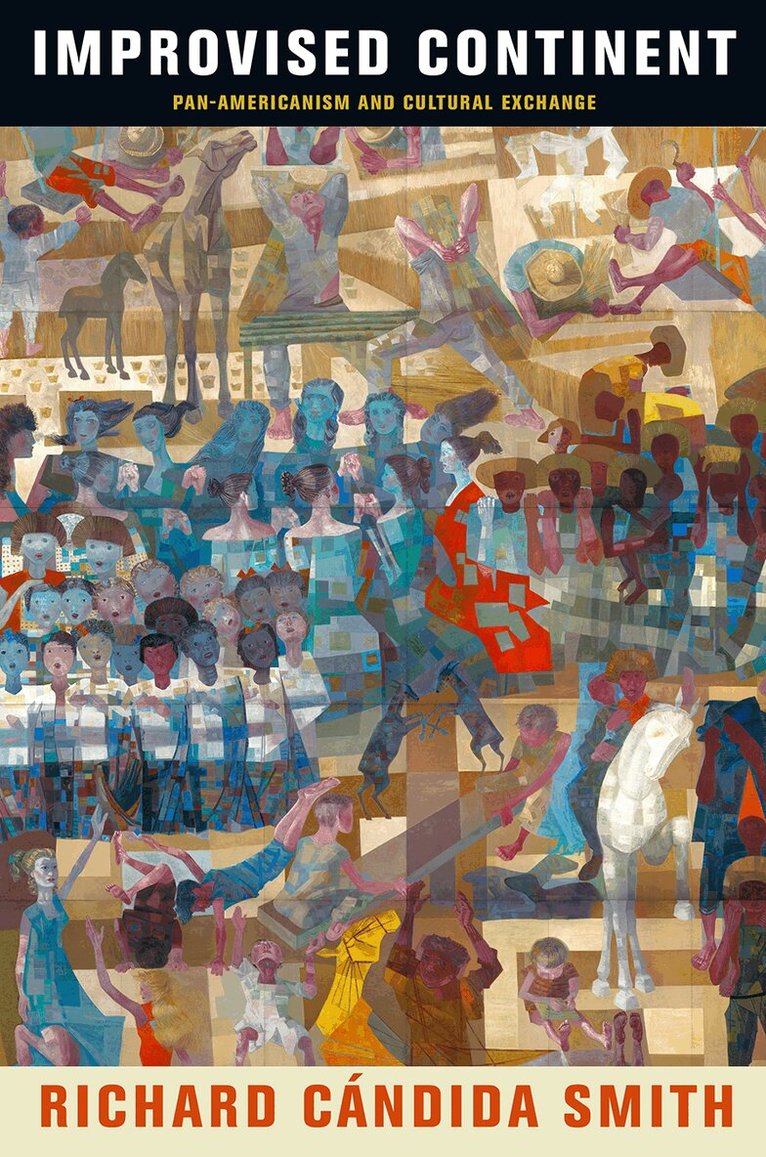
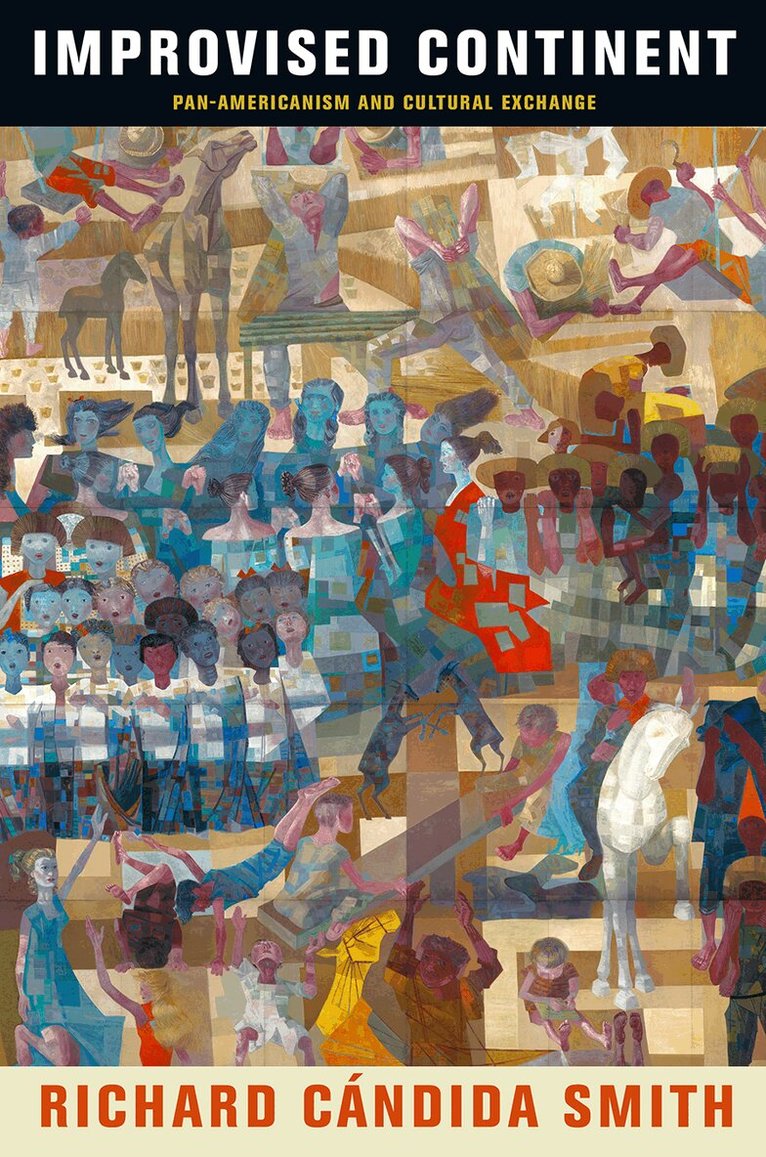
Improvised Continent
Pan-Americanism and Cultural Exchange
Inbunden, 2017
647 kr
Lägg i varukorg
How does a country in the process of becoming a world power prepare its citizens for the responsibilities of global leadership? In Improvised Continent, Richard CÁndida Smith answers this question by illuminating the forgotten story of how, over the course of the twentieth century, cultural …
Improvised Continent
Pan-Americanism and Cultural Exchange
E-bok, 2017
755 kr
Lägg i varukorg
How does a country in the process of becoming a world power prepare its citizens for the responsibilities of global leadership? In Improvised Continent, Richard CÁndida Smith answers this question by illuminating the forgotten story of how, over the course of the twentieth century, cultural …
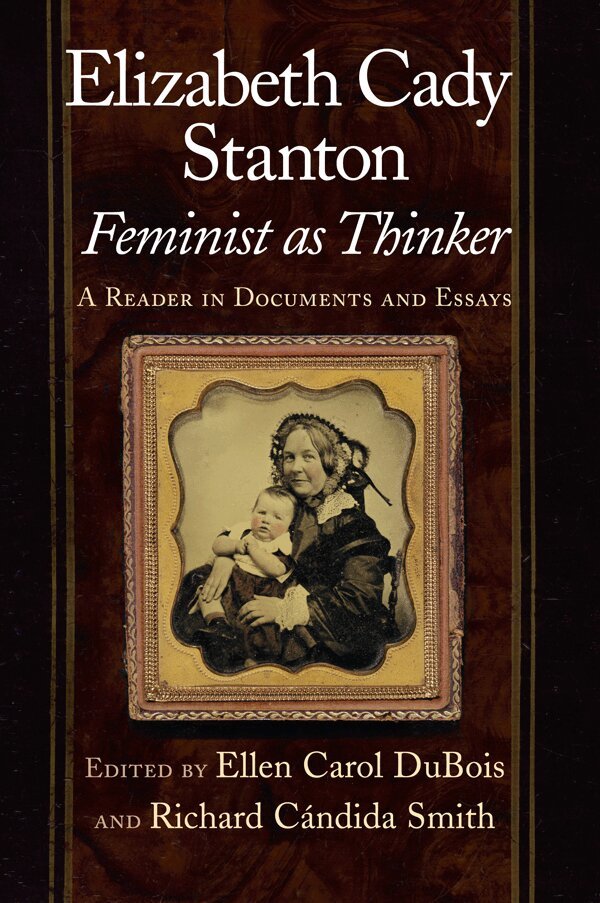
Elizabeth Cady Stanton, Feminist As Thinker
A Reader in Documents and Essays
Av Ellen Carol DuBois, Richard Cándida Smith
Inbunden, 2007
1010 kr
Lägg i varukorg
More than one hundred years after her death, Elizabeth Cady Stanton still stands—along with her close friend Susan B. Anthony—as the major icon of the struggle for women's suffrage. In spite of this celebrity, Stanton's intellectual contributions have been largely overshadowed by the focus on her …
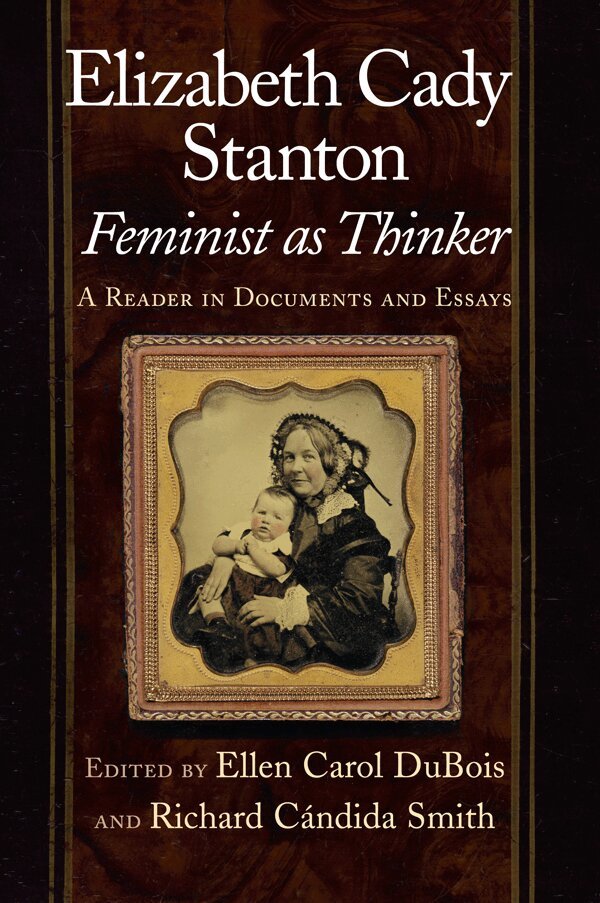
Elizabeth Cady Stanton, Feminist As Thinker
A Reader in Documents and Essays
Av Ellen Carol DuBois, Richard Cándida Smith
Häftad, 2007
427 kr
Lägg i varukorg
More than one hundred years after her death, Elizabeth Cady Stanton still stands—along with her close friend Susan B. Anthony—as the major icon of the struggle for women's suffrage. In spite of this celebrity, Stanton's intellectual contributions have been largely overshadowed by the focus on her …
Art and the Performance of Memory
Sounds and Gestures of Recollection
E-bok, 2003
1106 kr
Lägg i varukorg
This book investigates the role that the visual and performing arts play in our experience and understanding of the past. Expanding upon longstanding concerns in cultural history about the relation of text and image, the book highlights the distinction between enactive and cognitive memory and the …
Art and the Performance of Memory
Sounds and Gestures of Recollection
E-bok, 2003
1082 kr
Lägg i varukorg
This book investigates the role that the visual and performing arts play in our experience and understanding of the past. Expanding upon longstanding concerns in cultural history about the relation of text and image, the book highlights the distinction between enactive and cognitive memory and the …