Richard D. McBride II – författare
Visar alla böcker från författaren Richard D. McBride II. Handla med fri frakt och snabb leverans.
4 produkter
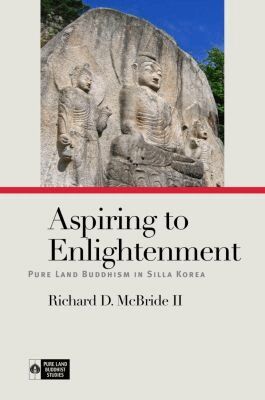
Aspiring to Enlightenment
Pure Land Buddhism in Silla Korea
Av Richard D. McBride II, Richard K. Payne m. fl.
Häftad, 2023
303 kr
Lägg i varukorg
Centered on the practice of seeking rebirth in the Pure Land paradise Sukhāvatī, the Amitābha cult has been the dominant form of Buddhism in Korea since the middle of the Silla period (ca. 300–935). In Aspiring to Enlightenment, Richard McBride combines analyses of scriptural, exegetical, …
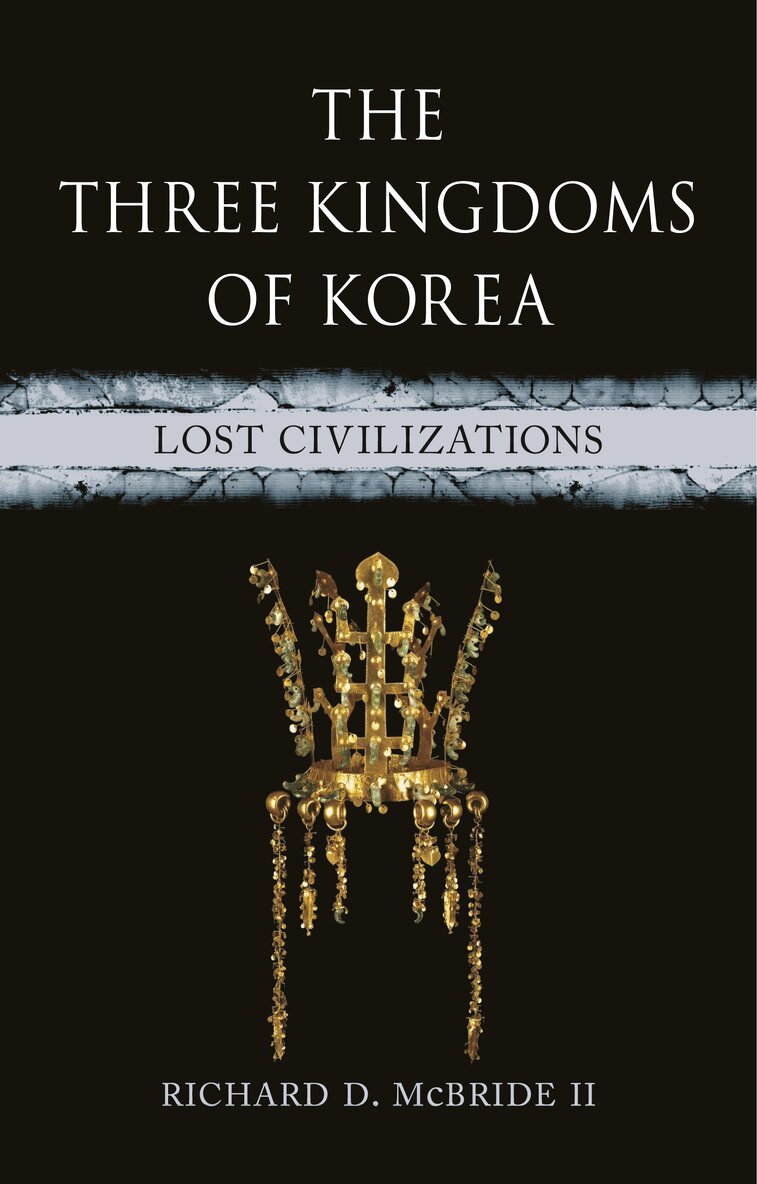
Three Kingdoms of Korea
Lost Civilizations
Inbunden, 2024
199 kr
Tillfälligt slut
Korea’s Three Kingdoms period is a genuine ‘lost civilization’, during which ancient realms vied for supremacy during the first millennium CE. Nobles from this period’s feuding states adopted and adapted Buddhism and Confucianism through interactions with early medieval Chinese dynasties. In the …
Aspiring to Enlightenment
Pure Land Buddhism in Silla Korea
Av Richard D. McBride II, Richard K. Payne m. fl.
Inbunden, 2020
781 kr
Tillfälligt slut
Centered on the practice of seeking rebirth in the Pure Land paradise Sukhāvatī, the Amitābha cult has been the dominant form of Buddhism in Korea since the middle of the Silla period (ca. 300–935). In Aspiring to Enlightenment, Richard McBride combines analyses of scriptural, exegetical, …
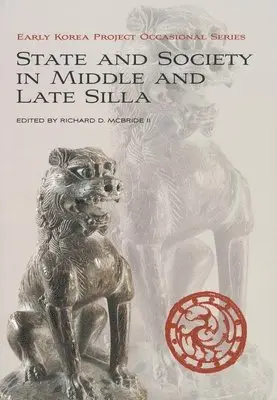
State and Society in Middle and Late Silla
Inbunden, 2011
702 kr
Tillfälligt slut
Volumes in the Early Korea Project Occasional Series focus on centralissues related to the study of early Korea history and archaeology. The present volume addresses several seminal questions associated with themiddle and late periods of the Silla kingdom (ca. 668-935): What was the composition of …