Richard K. Payne – författare
Visar alla böcker från författaren Richard K. Payne. Handla med fri frakt och snabb leverans.
54 produkter
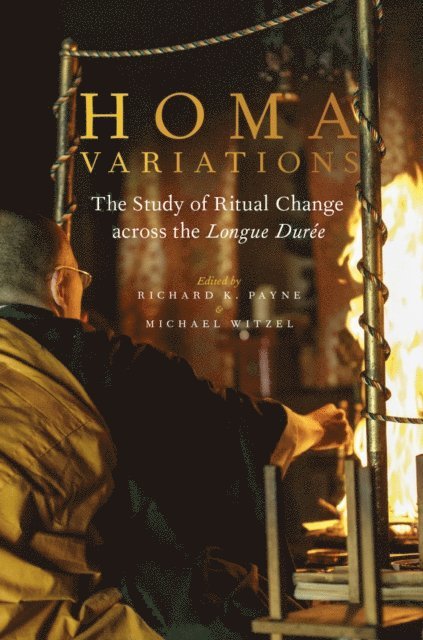
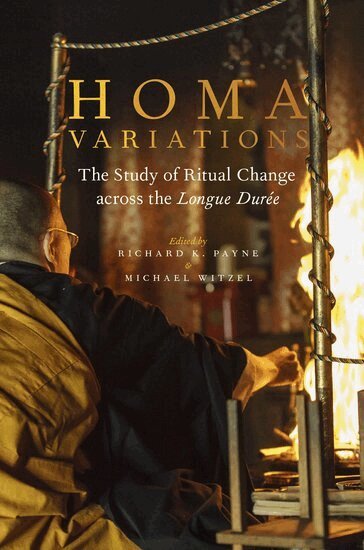
Homa Variations
The Study of Ritual Change across the Longue Duree
Av Michael Witzel, Richard K. Payne
E-bok, 2015
620 kr
Lägg i varukorg
Found in many different religious cultures, the practice of making votive offerings into fire dates back to the earliest periods of human history. Throughout the tantric world, this kind of ritual offering practice is known as the homa. With roots in Vedic and Zoroastrian rituals, the tantric homa …
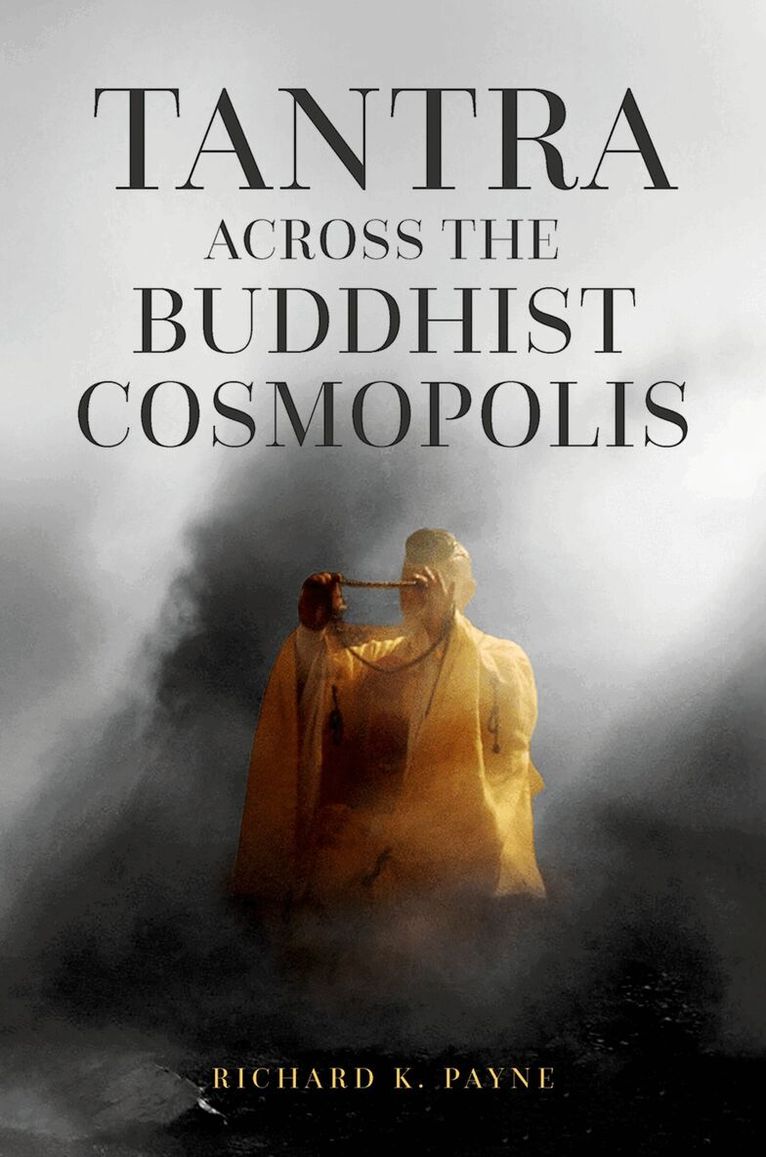
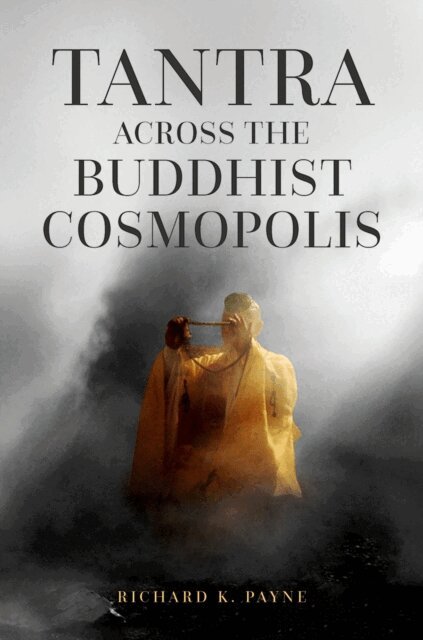
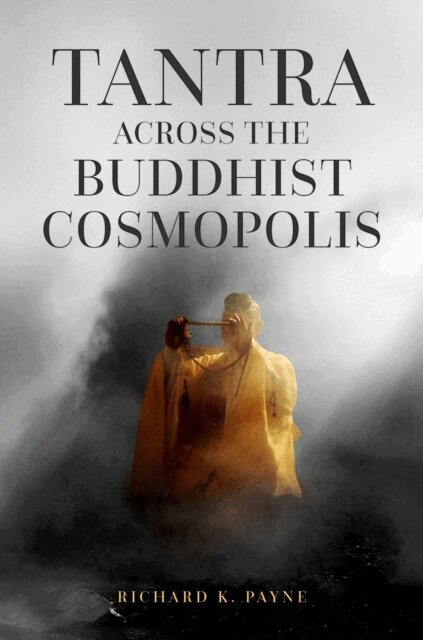
Tantra Across the Buddhist Cosmopolis
Häftad, 2026
381 kr
Lägg i varukorg
Tantra Across the Buddhist Cosmopolis examines key aspects of the tantric Buddhist movement from its beginnings in early medieval India to the present day. Across its centuries-long history, tantric Buddhism has spread throughout the global community of Buddhist practitioners and institutions--the …
Tantra Across the Buddhist Cosmopolis
Inbunden, 2026
1793 kr
Lägg i varukorg
Tantra Across the Buddhist Cosmopolis examines key aspects of the tantric Buddhist movement from its beginnings in early medieval India to the present day. Across its centuries-long history, tantric Buddhism has spread throughout the global community of Buddhist practitioners and institutions--the …
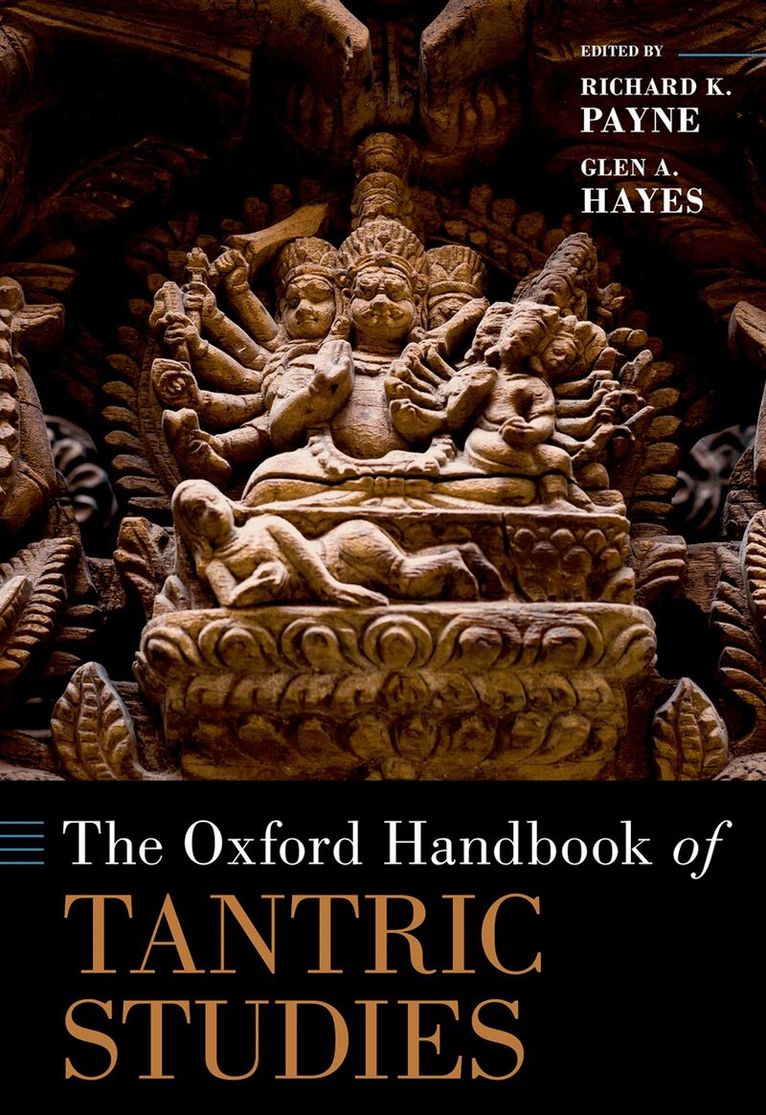
The Oxford Handbook of Tantric Studies
Av Richard K. Payne, Glen A. Hayes
Inbunden, 2025
2655 kr
Lägg i varukorg
Since the earliest encounters between tantric traditions and Western scholars of religion, tantra has posed a challenge. The representation of tantra, whether in Bengal, Tamil Nadu, Tibet, or Japan, has tended to emphasize the antinomian, decadent aspects, which, as attention-grabbing as they were …
Oxford Handbook of Tantric Studies
Av Glen A. Hayes, Richard K. Payne
E-bok, 2024
2365 kr
Lägg i varukorg
Since the earliest encounters between tantric traditions and Western scholars of religion, tantra has posed a challenge. The representation of tantra, whether in Bengal, Tamil Nadu, Tibet, or Japan, has tended to emphasize the antinomian, decadent aspects, which, as attention-grabbing as they were …
Oxford Handbook of Tantric Studies
Av Glen A. Hayes, Richard K. Payne
E-bok, 2024
2365 kr
Lägg i varukorg
Since the earliest encounters between tantric traditions and Western scholars of religion, tantra has posed a challenge. The representation of tantra, whether in Bengal, Tamil Nadu, Tibet, or Japan, has tended to emphasize the antinomian, decadent aspects, which, as attention-grabbing as they were …
Tantra Across the Buddhist Cosmopolis
E-bok, 2026
306 kr
Lägg i varukorg
Tantra Across the Buddhist Cosmopolis examines key aspects of the tantric Buddhist movement from its beginnings in early medieval India to the present day. Across its centuries-long history, tantric Buddhism has spread throughout the global community of Buddhist practitioners and institutions--the …
Homa Variations
The Study of Ritual Change across the Longue Durée
Av PAYNE, Richard K. Payne m. fl.
Inbunden, 2015
2627 kr
Lägg i varukorg
The practice of making votive offerings into fire dates from the earliest periods of human history, and is found in many different religious cultures. Throughout the tantric world, this kind of ritual offering practice is known as the homa. With roots in Vedic and Zoroastrian rituals, the tantric …
Homa Variations
The Study of Ritual Change across the Longue Durée
Av Richard K. Payne, Michael Witzel
Häftad, 2015
895 kr
Lägg i varukorg
The practice of making votive offerings into fire dates from the earliest periods of human history, and is found in many different religious cultures. Throughout the tantric world, this kind of ritual offering practice is known as the homa. With roots in Vedic and Zoroastrian rituals, the tantric …
Homa Variations
The Study of Ritual Change across the Longue Duree
Av Michael Witzel, Richard K. Payne
E-bok, 2015
620 kr
Lägg i varukorg
Found in many different religious cultures, the practice of making votive offerings into fire dates back to the earliest periods of human history. Throughout the tantric world, this kind of ritual offering practice is known as the homa. With roots in Vedic and Zoroastrian rituals, the tantric homa …
Tantra Across the Buddhist Cosmopolis
E-bok, 2025
306 kr
Lägg i varukorg
Tantra Across the Buddhist Cosmopolis examines key aspects of the tantric Buddhist movement from its beginnings in early medieval India to the present day. Across its centuries-long history, tantric Buddhism has spread throughout the global community of Buddhist practitioners and institutions--the …
Discourse and Ideology in Medieval Japanese Buddhism
Av Richard K. Payne, Taigen Dan Leighton
Inbunden, 2006
2526 kr
Lägg i varukorg
The medieval period of Japanese religious history is commonly known as one in which there was a radical transformation of the religious culture. This book suggests an alternate approach to understanding the dynamics of that transformation. One main topic of analysis focuses on what Buddhism - its …
Discourse and Ideology in Medieval Japanese Buddhism
Av Richard K. Payne, Taigen Dan Leighton
Häftad, 2009
915 kr
Lägg i varukorg
The medieval period of Japanese religious history is commonly known as one in which there was a radical transformation of the religious culture. This book suggests an alternate approach to understanding the dynamics of that transformation. One main topic of analysis focuses on what Buddhism - its …
Re-visioning Kamakura Buddhism
Häftad, 1998
217 kr
Lägg i varukorg
This collection of essays forms an historiographical examination of various aspects of Japanese Buddhism during the Kamakura era. Aspects such as religious practice, literature and institutional history help to illustrate the complexity and richness of Buddhism during this era and as a whole.
Demythologizing Pure Land Buddhism
Yasuda Rijin and the Shin Buddhist Tradition
Av Paul B. Watt, Richard K. Payne m. fl.
Inbunden, 2016
598 kr
Lägg i varukorg
The True Pure Land sect of Japanese Buddhism, or Shin Buddhism, grew out of the teachings of Shinran (1173–1262), a Tendai-trained monk who came to doubt the efficacy of that tradition in what he viewed as a degenerate age. Shinran held that even those unable to fulfill the requirements of the …
Luminous Bliss
A Religious History of Pure Land Literature in Tibet
Av Georgios T. Halkias, Richard K. Payne m. fl.
Häftad, 2017
303 kr
Lägg i varukorg
With an annotated English translation and critical analysis of the Orgyan-gling gold manuscript of the short Sukhavativyuha-sutraPure Land Buddhism as a whole has received comparatively little attention in Western studies on Buddhism despite the importance of “buddha-fields” (pure lands) for the …
Genshin's Ojoyoshu and the Construction of Pure Land Discourse in Heian Japan
Av Robert F. Rhodes, Richard K. Payne m. fl.
Häftad, 2018
345 kr
Lägg i varukorg
The Ojoyoshu, written by the monk Genshin (942–1017), is one of the most important texts in the history of Japanese religions. It is the first comprehensive guide to the doctrine and practice of Pure Land Buddhism written in Japan and so played a pivotal role in establishing this form of Buddhism …
Tracing the Itinerant Path
Jishū Nuns of Medieval Japan
Av Caitilin J. Griffiths, Richard K. Payne m. fl.
Häftad, 2018
303 kr
Lägg i varukorg
Women have long been active supporters and promoters of Buddhist rituals and functions, but their importance in the operations of Buddhist schools has often been minimized. Chin'ichibo (?–1344), a nun who taught male and female disciples and lived in her own temple, is therefore considered an …
Chinese Pure Land Buddhism
Understanding a Tradition of Practice
Av Charles B. Jones, Richard K. Payne
Inbunden, 2019
908 kr
Lägg i varukorg
Chinese Pure Land Buddhism: Understanding a Tradition of Practice is the first book in any western language to provide a comprehensive overview of Chinese Pure Land Buddhism. Even though Pure Land Buddhism was born in China and currently constitutes the dominant form of Buddhist practice there, it …
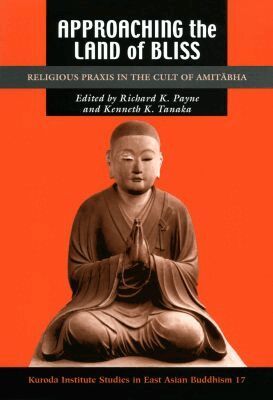
Approaching the Land of Bliss
Religious Praxis in the Cult of Amitābha
Av Richard K. Payne, Kenneth K. Tanaka
Häftad, 2019
217 kr
Lägg i varukorg
The discourse of Buddhist studies has traditionally been structured around texts and nations (the transmission of Buddhism from India to China to Japan). And yet, it is doubtful that these categories reflect in any significant way the organizing themes familiar to most Buddhists. It could be argued …
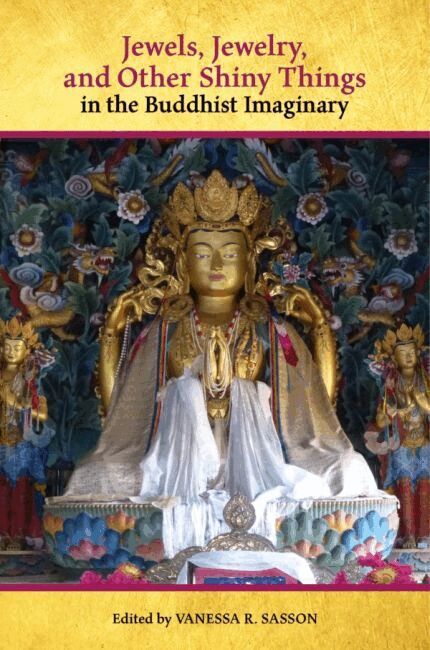
Jewels, Jewelry, and Other Shiny Things in the Buddhist Imaginary
Av Casey Collins, Wendy Doniger m. fl.
Häftad, 2022
345 kr
Lägg i varukorg
Renunciation is a core value in the Buddhist tradition, but Buddhism is not necessarily austere. Jewels—along with heavenly flowers, rays of rainbow light, and dazzling deities—shape the literature and the material reality of the tradition. They decorate temples, fill reliquaries, are used as …
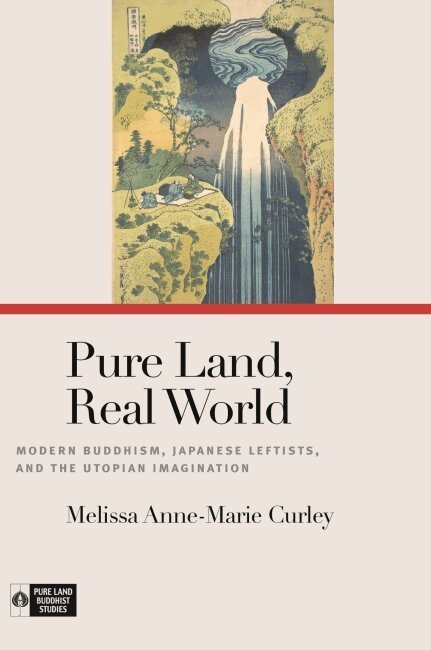
Pure Land, Real World
Modern Buddhism, Japanese Leftists, and the Utopian Imagination
Av Melissa Anne-Marie Curley, Richard K. Payne m. fl.
Häftad, 2022
285 kr
Lägg i varukorg
For close to a thousand years Amida’s Pure Land, a paradise of perfect ease and equality, was the most powerful image of shared happiness circulating in the Japanese imagination. In the late nineteenth century, some Buddhist thinkers sought to reinterpret the Pure Land in ways that would allow it …
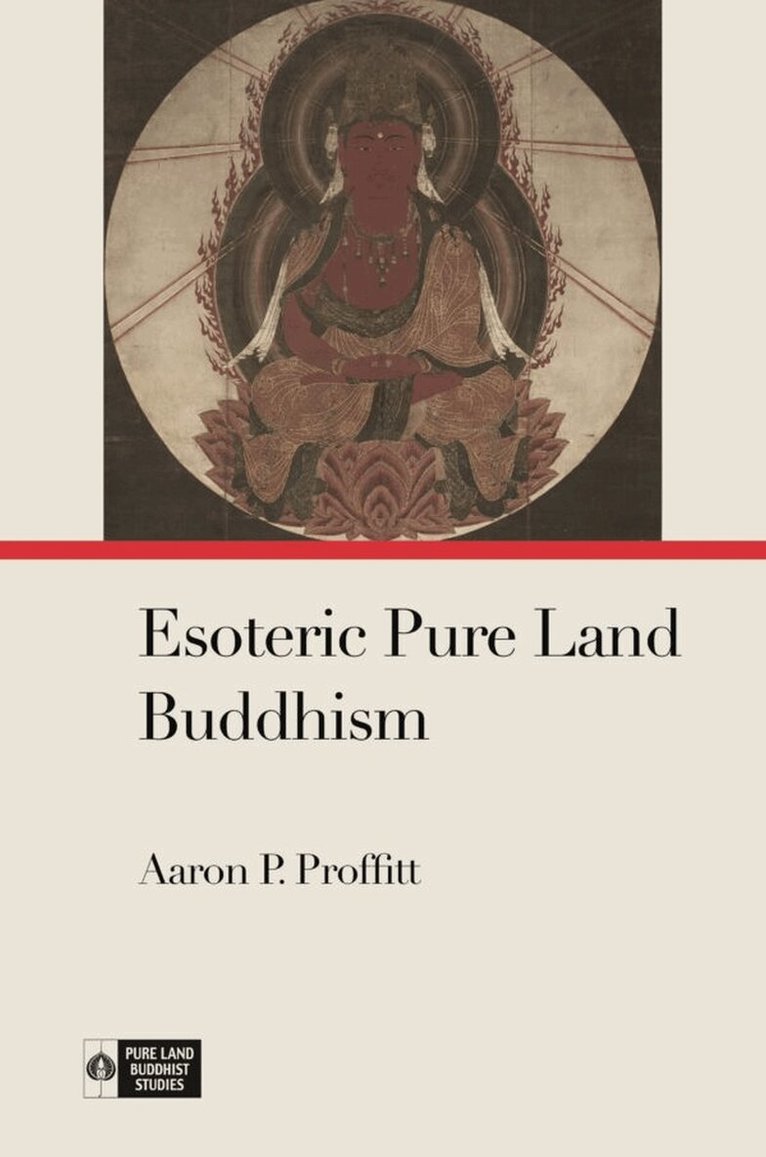
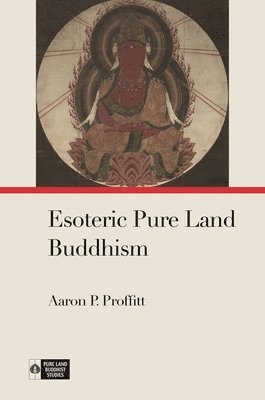
Esoteric Pure Land Buddhism
Av Aaron P. Proffitt, Richard K. Payne m. fl.
Inbunden, 2023
795 kr
Lägg i varukorg
What, if anything, is Esoteric Pure Land Buddhism? In 1224, the medieval Japanese scholar-monk Dōhan (1179–1252) composed The Compendium on Esoteric Mindfulness of Buddha (Himitsu nenbutsu shō), which begins with another seemingly simple question: Why is it that practitioners of mantra and …
Esoteric Pure Land Buddhism
Av Aaron P. Proffitt, Richard K. Payne m. fl.
Häftad, 2024
387 kr
Lägg i varukorg
What, if anything, is Esoteric Pure Land Buddhism? In 1224, the medieval Japanese scholar-monk Dōhan (1179–1252) composed The Compendium on Esoteric Mindfulness of Buddha (Himitsu nenbutsu shō), which begins with another seemingly simple question: Why is it that practitioners of mantra and …
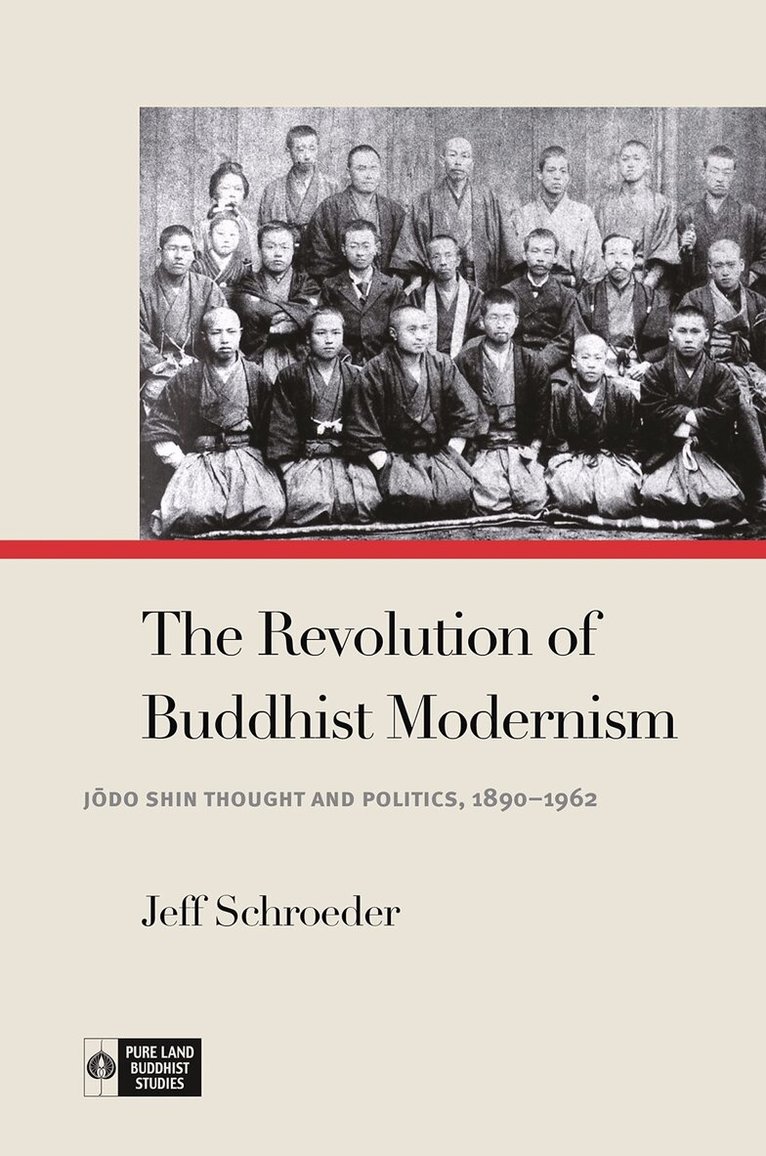
Revolution of Buddhist Modernism
Jōdo Shin Thought and Politics, 1890-1962
Av Jeff Schroeder, Richard K. Payne m. fl.
Inbunden, 2022
781 kr
Lägg i varukorg
Reacting to nineteenth-century forces of colonialism and globalization, Buddhist reformers across Asia strove to modernize Buddhist teachings, practices, and institutions. "Buddhist modernism" was typically characterized by disbelief in the supernatural, rejection of ritual, deinstitutionalization, …
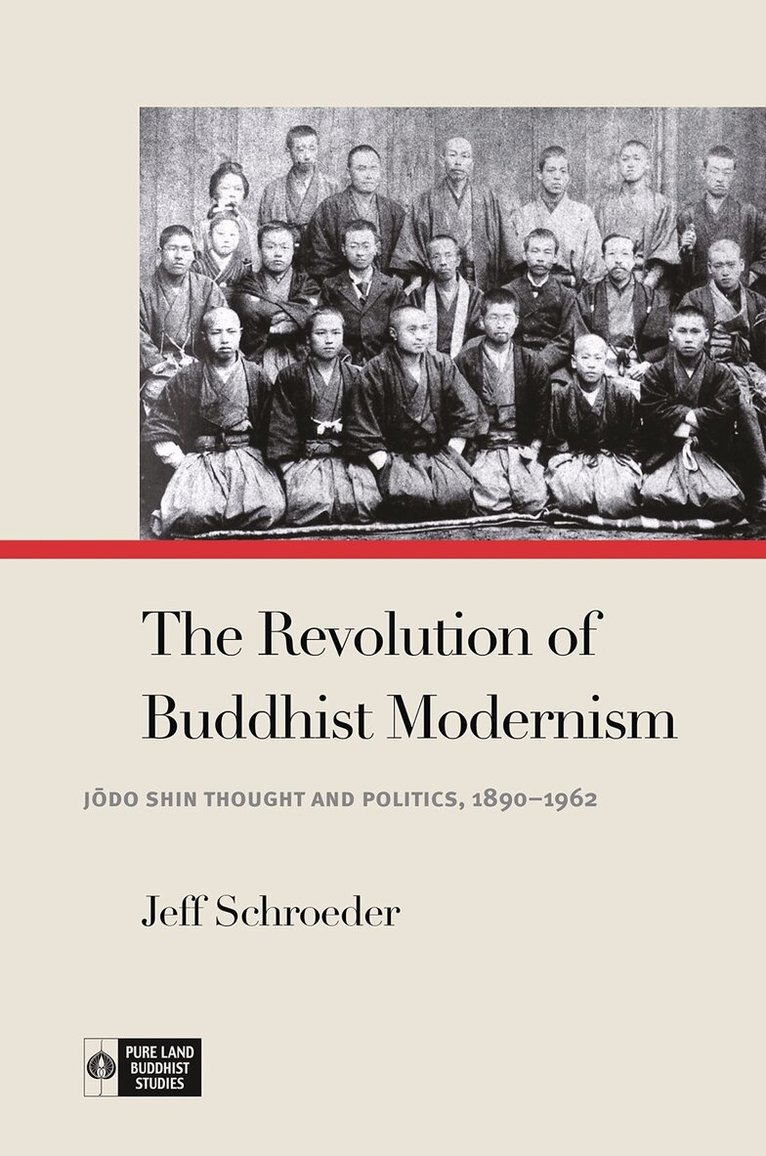
Revolution of Buddhist Modernism
Jōdo Shin Thought and Politics, 1890–1962
Av Jeff Schroeder, Richard K. Payne m. fl.
Häftad, 2023
331 kr
Lägg i varukorg
Reacting to nineteenth-century forces of colonialism and globalization, Buddhist reformers across Asia strove to modernize Buddhist teachings, practices, and institutions. "Buddhist modernism" was typically characterized by disbelief in the supernatural, rejection of ritual, deinstitutionalization, …
Aspiring to Enlightenment
Pure Land Buddhism in Silla Korea
Av Richard D. McBride II, Richard K. Payne m. fl.
Häftad, 2023
303 kr
Lägg i varukorg
Centered on the practice of seeking rebirth in the Pure Land paradise Sukhāvatī, the Amitābha cult has been the dominant form of Buddhism in Korea since the middle of the Silla period (ca. 300–935). In Aspiring to Enlightenment, Richard McBride combines analyses of scriptural, exegetical, …
How Much is Enough?
Buddhism, Consumerism, and the Human Environment
E-bok, 2010
173 kr
Lägg i varukorg
The massive outpouring of consumer products available today might alone lead one to ask "How much is enough?" But at the same time, if we allow ourselves to see the social, political, economic and environmental consequences of the system that produces such a mass of "goods," then the question is …
Discourse and Ideology in Medieval Japanese Buddhism
Av Taigen Dan Leighton, Richard K. Payne
E-bok, 2006
1051 kr
Lägg i varukorg
The medieval period of Japanese religious history is commonly known as one in which there was a radical transformation of the religious culture. This book suggests an alternate approach to understanding the dynamics of that transformation. One main topic of analysis focuses on what Buddhism - its …