Robert F. Rhodes – författare
Visar alla böcker från författaren Robert F. Rhodes. Handla med fri frakt och snabb leverans.
5 produkter
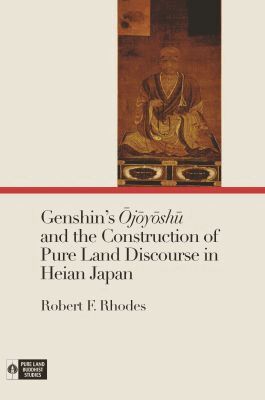
Genshin's Ojoyoshu and the Construction of Pure Land Discourse in Heian Japan
Av Robert F. Rhodes, Richard K. Payne m. fl.
Häftad, 2018
345 kr
Lägg i varukorg
The Ojoyoshu, written by the monk Genshin (942–1017), is one of the most important texts in the history of Japanese religions. It is the first comprehensive guide to the doctrine and practice of Pure Land Buddhism written in Japan and so played a pivotal role in establishing this form of Buddhism …
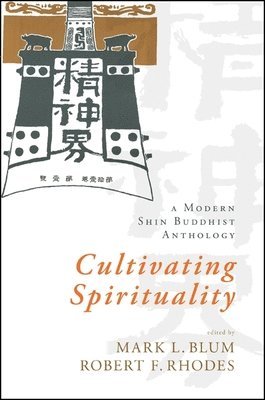
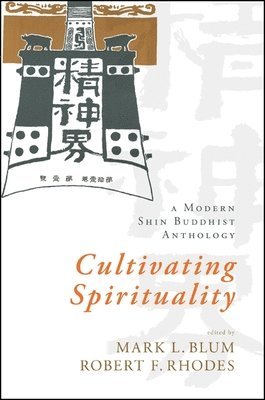
Cultivating Spirituality
A Modern Shin Buddhist Anthology
Av Mark L. Blum, Robert F. Rhodes
Häftad, 2013
487 kr
Lägg i varukorg
Four Shin Buddhist thinkers reflect on their tradition's encounter with modernity.Cultivating Spirituality is a seminal anthology of Shin Buddhist thought, one that reflects this tradition's encounter with modernity. Shin (or Jodō Shinshū) is a popular form of Pure Land Buddhism, the most widely …
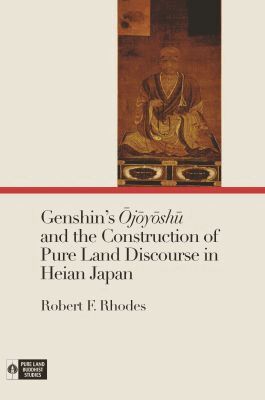
Genshin's Ojoyoshu and the Construction of Pure Land Discourse in Heian Japan
Av Robert F. Rhodes, Richard K. Payne m. fl.
Inbunden, 2017
908 kr
Tillfälligt slut
The Ojoyoshu, written by the monk Genshin (942–1017), is one of the most important texts in the history of Japanese religions. It is the first comprehensive guide to the doctrine and practice of Pure Land Buddhism written in Japan and so played a pivotal role in establishing this form of Buddhism …
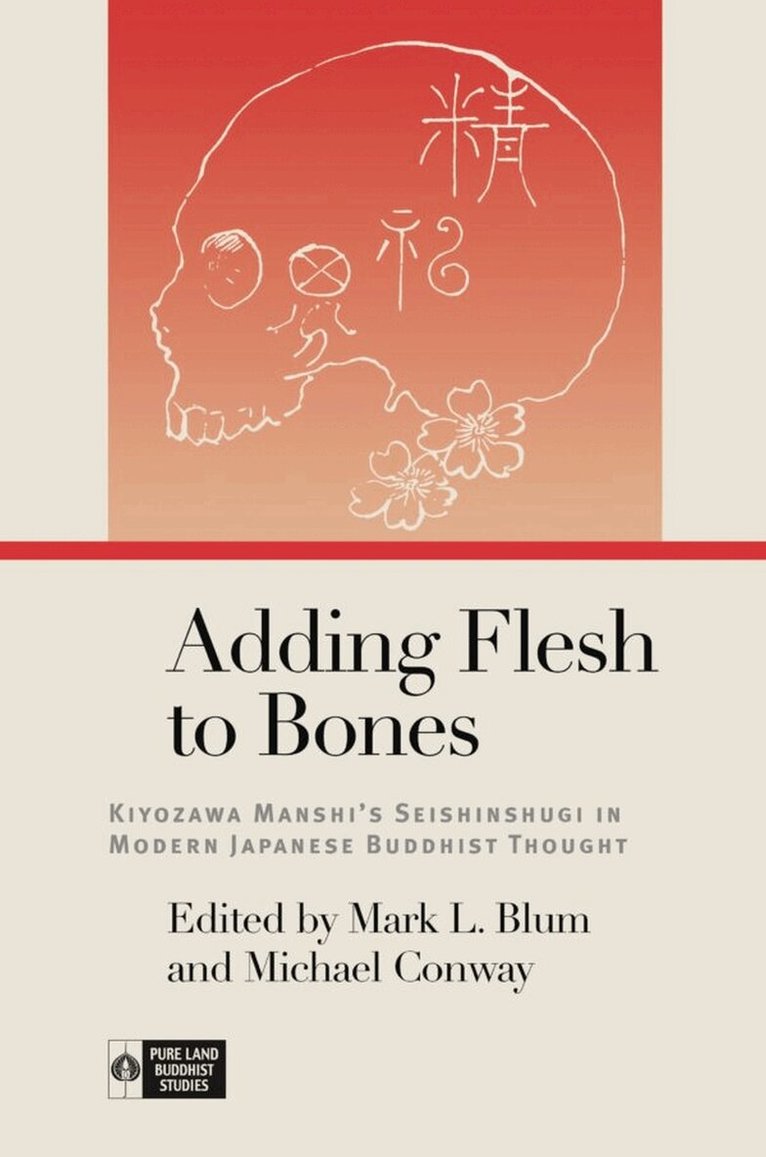
Adding Flesh to Bones
Kiyozawa Manshi’s Seishinshugi in Modern Japanese Buddhist Thought
Av Richard K. Payne, Mami Iwata m. fl.
Inbunden, 2022
823 kr
Tillfälligt slut
This collection of seventeen essays situates modern Shin Buddhist thinker Kiyozawa Manshi (1863–1903) and his new form of spirituality, Seishinshugi, in the broader context of Buddhism and religious thought in modern Japan. The work highlights several factors that led to the development of …
Cultivating Spirituality
A Modern Shin Buddhist Anthology
Av Mark L. Blum, Robert F. Rhodes
Inbunden, 2011
1111 kr
Tillfälligt slut
Four Shin Buddhist thinkers reflect on their tradition's encounter with modernity.Cultivating Spirituality is a seminal anthology of Shin Buddhist thought, one that reflects this tradition's encounter with modernity. Shin (or Jodō Shinshū) is a popular form of Pure Land Buddhism, the most widely …