Mark L. Blum – författare
Visar alla böcker från författaren Mark L. Blum. Handla med fri frakt och snabb leverans.
9 produkter
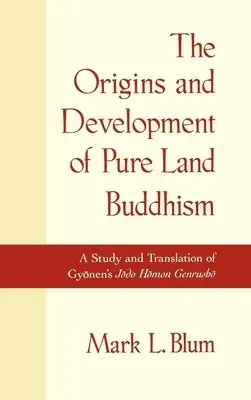
The Origins and Development of Pure Land Buddhism
A Study and Translation of Gyonen's Jodo Homon Genrusho
Inbunden, 2002
2994 kr
Lägg i varukorg
In this book, Mark Blum offers a critical look at the thought and impact of the late 13th-century Buddhist historian Gyonen (1240-1321) and the emergent Pure Land school of Buddhism founded by Honen (1133-1212). Blum also provides a clear and fully annotated translation of Gyonen's Jodo homon …
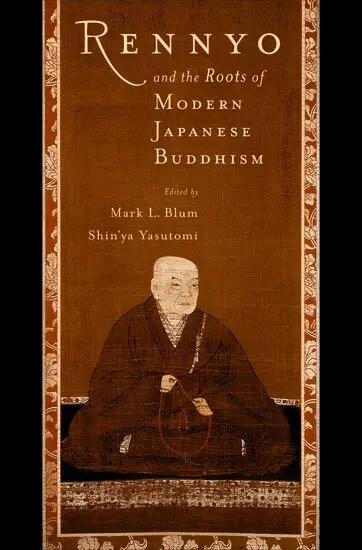
Rennyo and the Roots of Modern Japanese Buddhism
Av Mark L. Blum, Shinya Yasutomi
Inbunden, 2006
2260 kr
Lägg i varukorg
Rennyo is undeniably one of the most influential persons in the history of Japanese religion and yet his thought remains somewhat enigmatic from the standpoint of what is considered orthodox Shinshu doctrine today. This book, which collects ten unpublished essays by both Japanese and non-Japanese …
Rennyo and the Roots of Modern Japanese Buddhism
Av Shin'ya Yasutomi, Mark L. Blum
E-bok, 2005
1448 kr
Lägg i varukorg
Rennyo Shonin (1415-1499) is considered the "second founder" of Shin Buddhism. Under his leadership, the Honganji branch grew in size and power, becoming a national organization with great wealth and influence. Rennyo''s success lay in conveying an attractive spiritual message while exerting …
Origins and Development of Pure Land Buddhism
A Study and Translation of Gyonen''s Jodo Homon Genrusho
Av Mark L. Blum
E-bok, 2002
1940 kr
Lägg i varukorg
In this book, Mark Blum offers a critical look at the thought and impact of the late 13th-century Buddhist historian Gyonen (1240-1321) and the emergent Pure Land school of Buddhism founded by Honen (1133-1212). Blum also provides a clear and fully annotated translation of Gyonen''s Jodo homon …
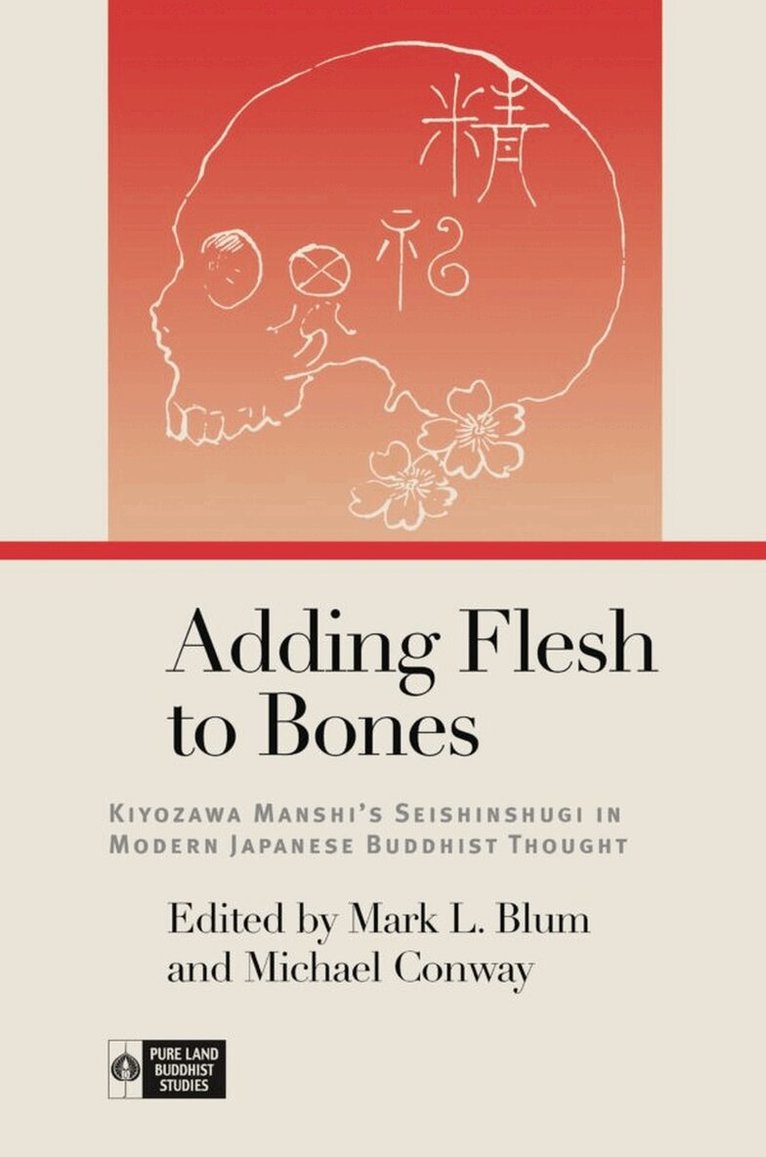
Adding Flesh to Bones
Kiyozawa Manshi’s Seishinshugi in Modern Japanese Buddhist Thought
Av Mark L. Blum, Michael Conway
Häftad, 2023
387 kr
Lägg i varukorg
This collection of seventeen essays situates modern Shin Buddhist thinker Kiyozawa Manshi (1863–1903) and his new form of spirituality, Seishinshugi, in the broader context of Buddhism and religious thought in modern Japan. The work highlights several factors that led to the development of …
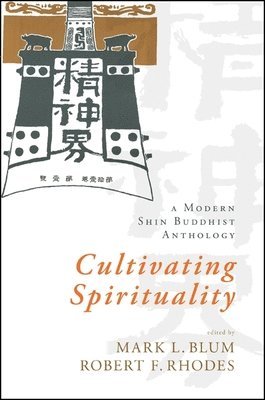
Cultivating Spirituality
A Modern Shin Buddhist Anthology
Av Mark L. Blum, Robert F. Rhodes
Häftad, 2013
487 kr
Lägg i varukorg
Four Shin Buddhist thinkers reflect on their tradition's encounter with modernity.Cultivating Spirituality is a seminal anthology of Shin Buddhist thought, one that reflects this tradition's encounter with modernity. Shin (or Jodō Shinshū) is a popular form of Pure Land Buddhism, the most widely …
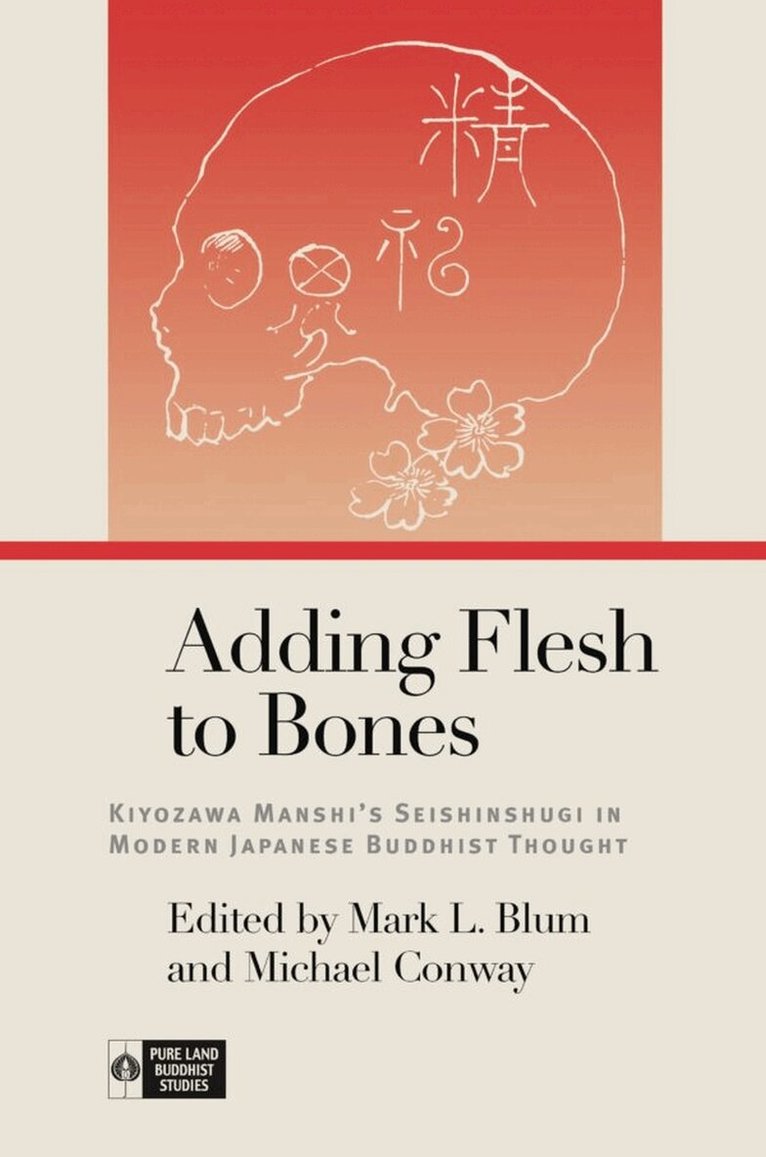
Adding Flesh to Bones
Kiyozawa Manshi’s Seishinshugi in Modern Japanese Buddhist Thought
Av Richard K. Payne, Mami Iwata m. fl.
Inbunden, 2022
823 kr
Tillfälligt slut
This collection of seventeen essays situates modern Shin Buddhist thinker Kiyozawa Manshi (1863–1903) and his new form of spirituality, Seishinshugi, in the broader context of Buddhism and religious thought in modern Japan. The work highlights several factors that led to the development of …
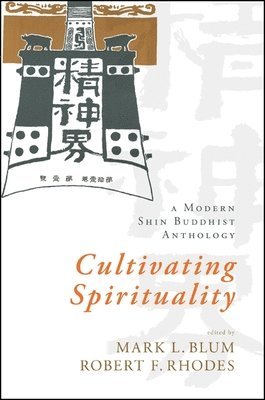
Cultivating Spirituality
A Modern Shin Buddhist Anthology
Av Mark L. Blum, Robert F. Rhodes
Inbunden, 2011
1111 kr
Tillfälligt slut
Four Shin Buddhist thinkers reflect on their tradition's encounter with modernity.Cultivating Spirituality is a seminal anthology of Shin Buddhist thought, one that reflects this tradition's encounter with modernity. Shin (or Jodō Shinshū) is a popular form of Pure Land Buddhism, the most widely …
Nirvana Sutra
Volume 1
Av Mark L. Blum
Inbunden, 2014
906 kr
Tillfälligt slut
This is a translation of the first of four volumes of the Mah?y?na version of the Mah?parinirv??a-s?tra, one of the most revered and influential Buddhist texts in East Asia. It is based on the Chinese translation by the Indian monk Dharmak?ema (385–433) from a Sanskrit text of which only fragments …