Shinya Yasutomi – författare
Visar alla böcker från författaren Shinya Yasutomi. Handla med fri frakt och snabb leverans.
2 produkter
2 produkter
Inbunden, Engelska, 2006
1 492 kr
Skickas inom 5-8 vardagar
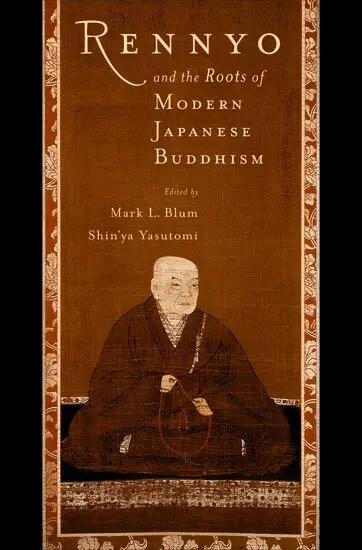
Rennyo is undeniably one of the most influential persons in the history of Japanese religion and yet his thought remains somewhat enigmatic from the standpoint of what is considered orthodox Shinshu doctrine today. This book, which collects ten unpublished essays by both Japanese and non-Japanese scholars, will be the first to confront many of the major questions surrounding the phenomenal growth of Honganji under Rennyo's leadership, such as the source of his charisma, the soteriological implications of his thought against the background of other movements in Pure Land Buddhism, and the relationship between his ideas and the growth of his church. The volume is intended as an important first step in expanding the field of Rennyo studies outside Japan, and to provide significant stimulus to the fields of Japanese religion, Japanese social history, comparative religion, and sociology of religion.
E-bok
PDF, Engelska, 20051 282 kr
Läs direkt efter köp
Rennyo Shonin (1415-1499) is considered the "second founder" of Shin Buddhism. Under his leadership, the Honganji branch grew in size and power, becoming a national organization with great wealth and influence. Rennyo''s success lay in conveying an attractive spiritual message while exerting effective administrative control. A savvy politician as well as religious leader, ennyo played a significant role in political, economic, and institutional developments. Though he is undeniably one of the most influential persons in the history of Japanese religion, his legacy remains enigmatic and largely overlooked by the West. This volume offers an assessment of Rennyo''s contribution to Buddhist thought and the Honganji religious organization. A collection of 16 previously unpublished essays by both Japanese and non-Japanese scholars in the areas of historical studies, Shinshu studies, and comparative religion, it is the first book to confront many of the major questions surrounding the phenomenal growth of Honganji under Rennyo''s leadership. The authors examine such topics as the source of Rennyo''s charisma, the soteriological implications of his thought against the background of other movements in Pure Land Buddhism, and the relationship between his ideas and the growth of his church. This collection is an important first step in bringing this important figure to an audience outside Japan. It will be of significant interest to scholars in the fields of Japanese religion, Japanese social history, comparative religion, and the sociology of religion.