
Richard D. Sonn – författare
Visar alla böcker från författaren Richard D. Sonn. Handla med fri frakt och snabb leverans.
2 produkter
2 produkter
517 kr
Skickas inom 5-8 vardagar
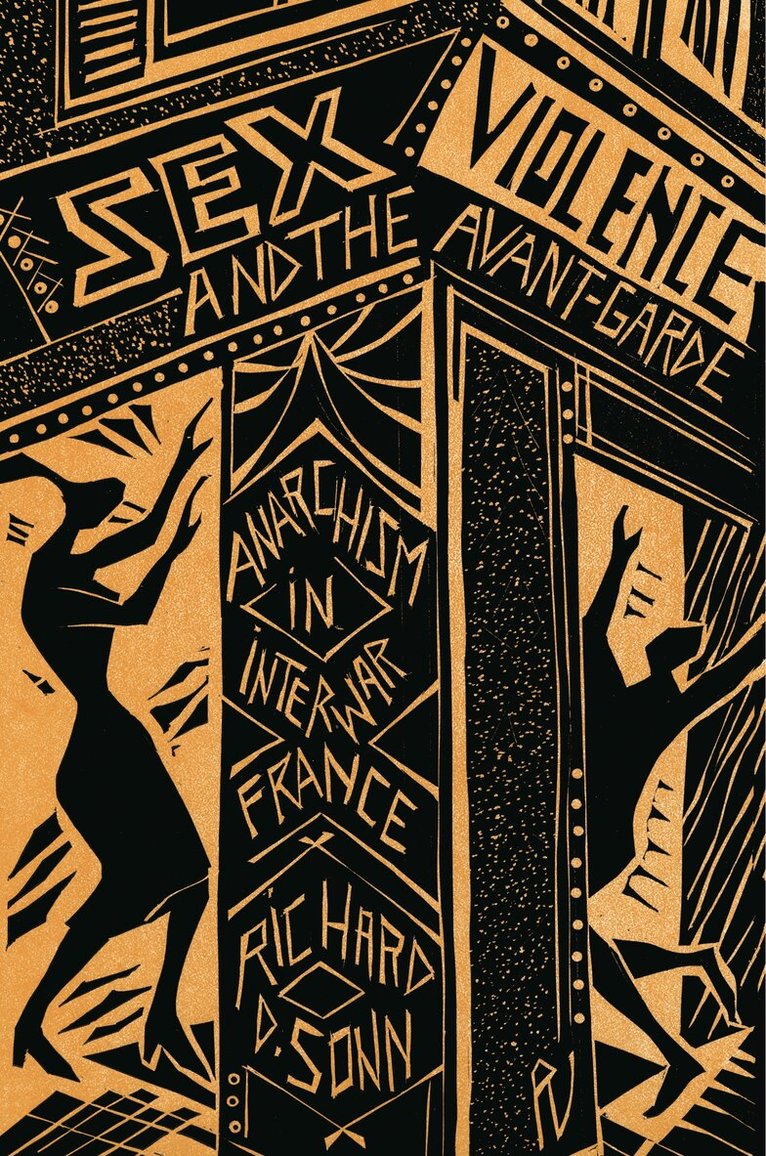
By the end of World War I, the conflict between anarchism and the state had largely been eclipsed by the competing forces of liberalism, fascism, and communism. To combat their slide into irrelevance, French anarchists, especially those called individualists, redirected their attentions from violent revolution and general strikes to ethical issues that focused on personal liberation. Chief among these issues was sexual freedom, sought not only for the sake of pleasure but also to undermine the authoritarian family, bulwark of the patriarchal state. In this revelatory book, Richard Sonn approaches the French anarchist movement during this period from a sociocultural perspective, considering the relationships among anarchism and the artistic avant-garde and surrealism, political violence and terrorism, sexuality and sexual politics, and gender roles. He shows that, contrary to popular belief, anarchism in theory and practice played a significant role in the culture of interwar France.
420 kr
Skickas inom 10-15 vardagar
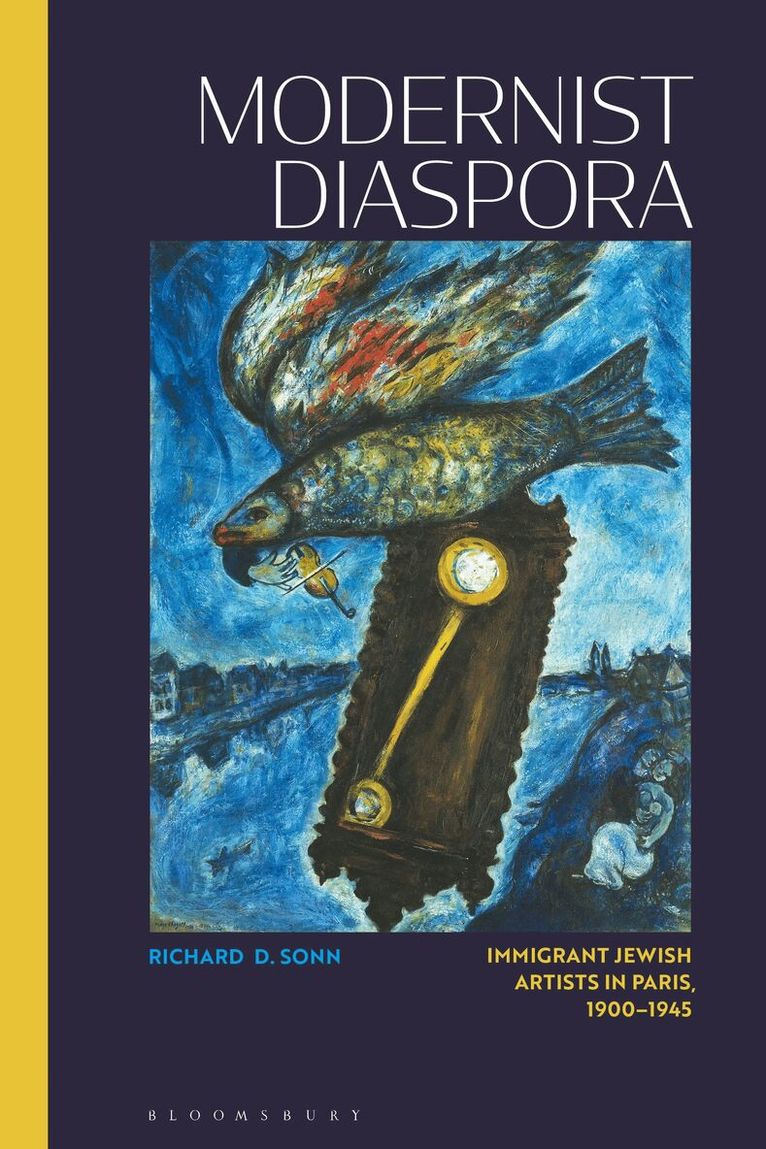
In the years before, during, and after the First World War, hundreds of young Jews flocked to Paris, artistic capital of the world and center of modernist experimentation. Some arrived with prior training from art academies in Kraków, Vilna, and Vitebsk; others came armed only with hope and a few memorized phrases in French. They had little Jewish tradition in painting and sculpture to draw on, yet despite these obstacles, these young Jews produced the greatest efflorescence of art in the long history of the Jewish people.The paintings of Marc Chagall, Amedeo Modigliani, Chaim Soutine, Sonia Delaunay-Terk, and Emmanuel Mané-Katz, the sculptures of Jacques Lipchitz, Ossip Zadkine, Chana Orloff, and works by many other artists now grace the world’s museums. As the École de Paris was the most cosmopolitan artistic movement the world had seen, the left-bank neighborhood of Montparnasse became a meeting place for diverse cultures.How did the tolerant, bohemian atmosphere of Montparnasse encourage an international style of art in an era of bellicose nationalism, not to mention racism and antisemitism? How did immigrants not only absorb but profoundly influence a culture? This book examines how the clash of cultures produced genius.