Richard E. Cytowic – författare
Visar alla böcker från författaren Richard E. Cytowic. Handla med fri frakt och snabb leverans.
13 produkter
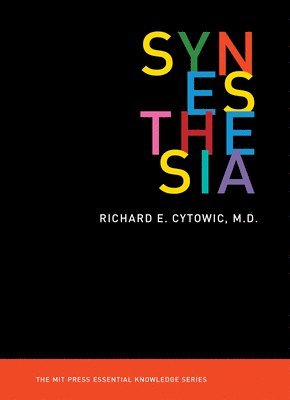
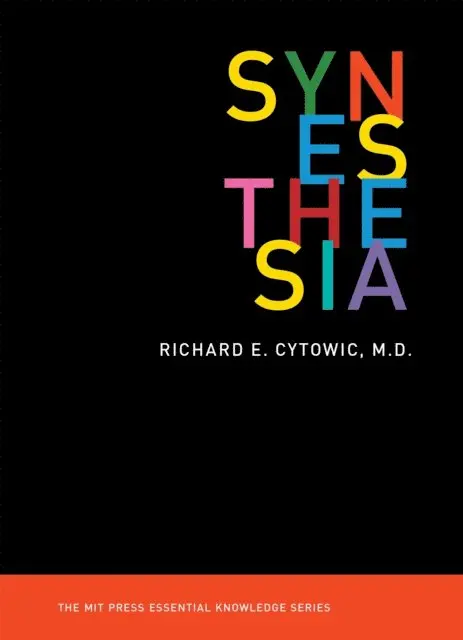
Synesthesia
Häftad, 2018
196 kr
Lägg i varukorg
An accessible, concise primer on the neurological trait of synesthesia—vividly felt sensory couplings—by a founder of the field.
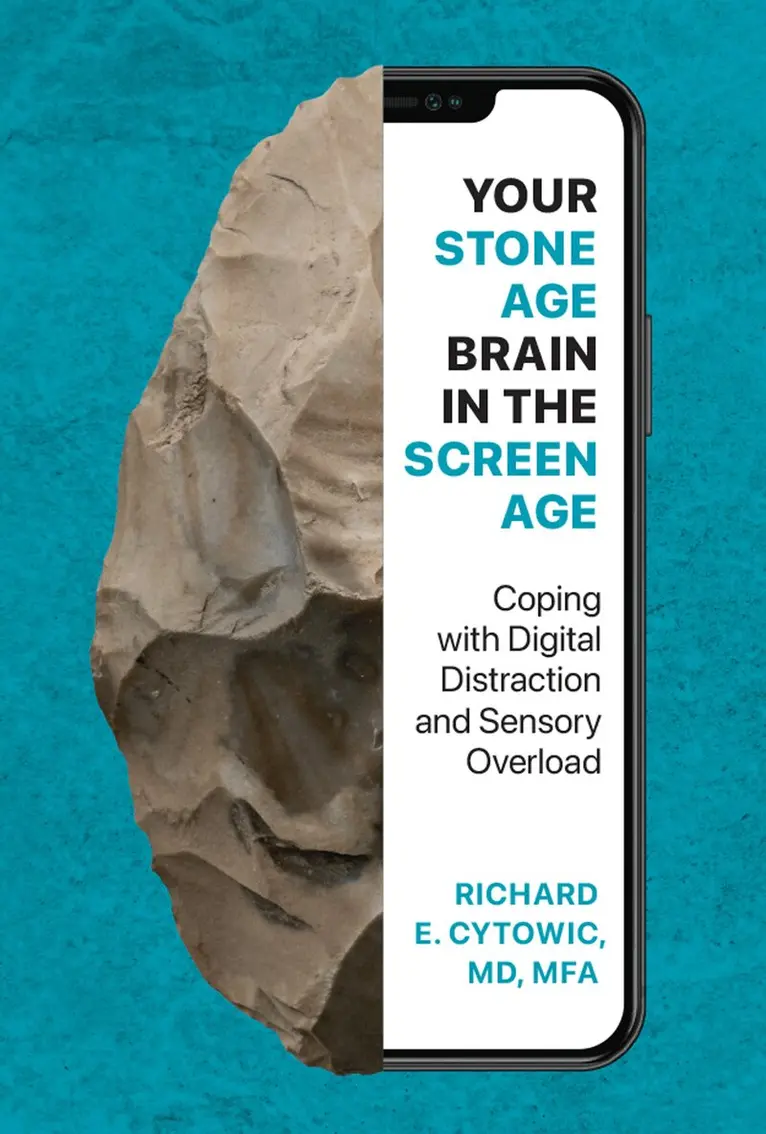
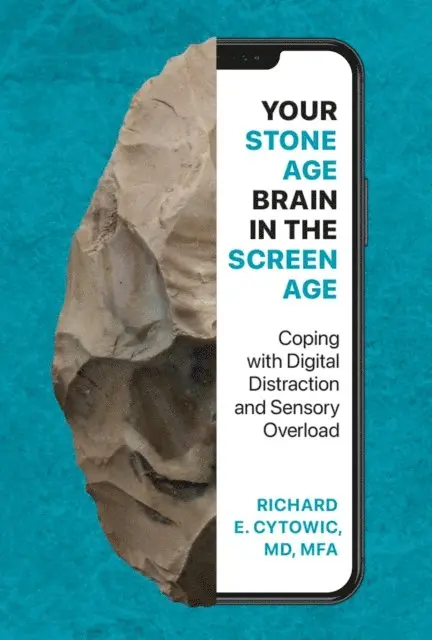
Your Stone Age Brain in the Screen Age
Inbunden, 2024
343 kr
Lägg i varukorg
An award-winning neurologist on the Stone-Age roots of our screen addictions, and what to do about them. The human brain hasn’t changed much since the Stone Age, let alone in the mere thirty years of the Screen Age. That’s why, according to neurologist Richard Cytowic—who, Oliver Sacks observed, …
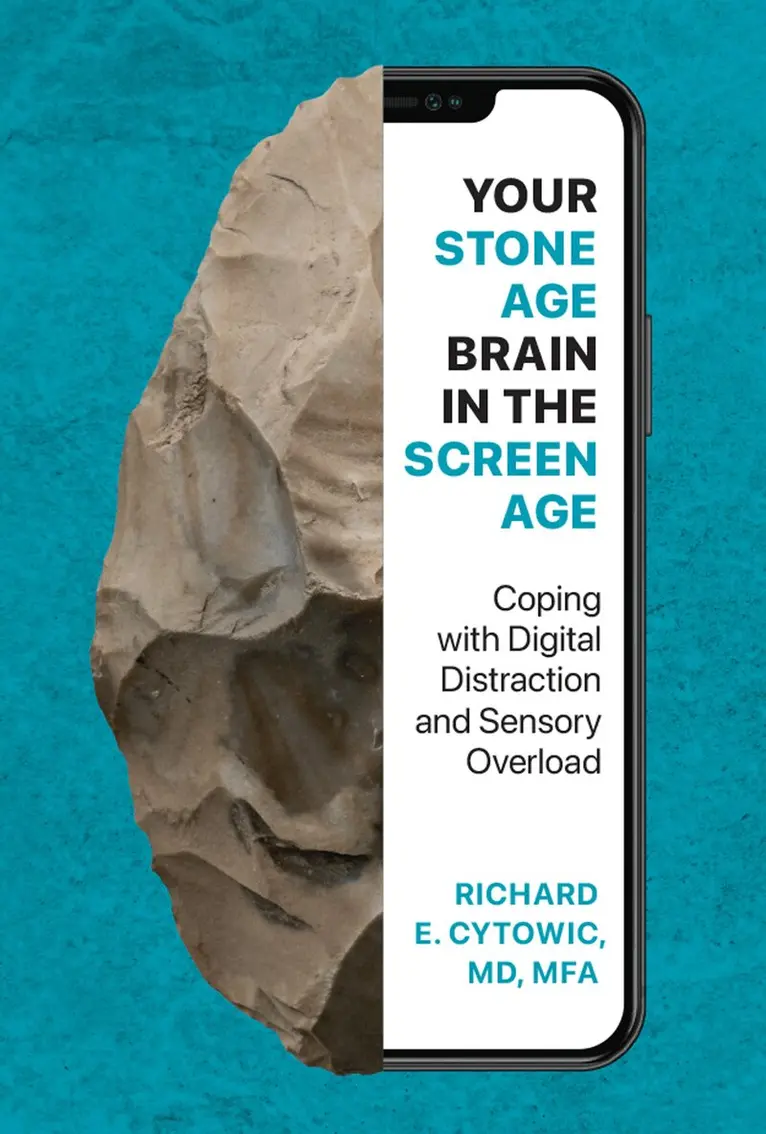
Your Stone Age Brain in the Screen Age
Coping with Digital Distraction and Sensory Overload
Häftad, 2026
299 kr
Lägg i varukorg
An award-winning neurologist on the Stone-Age roots of our screen addictions, and what to do about them. The human brain hasn’t changed much since the Stone Age, let alone in the mere thirty years of the Screen Age. That’s why, according to neurologist Richard Cytowic—who, Oliver Sacks observed, …
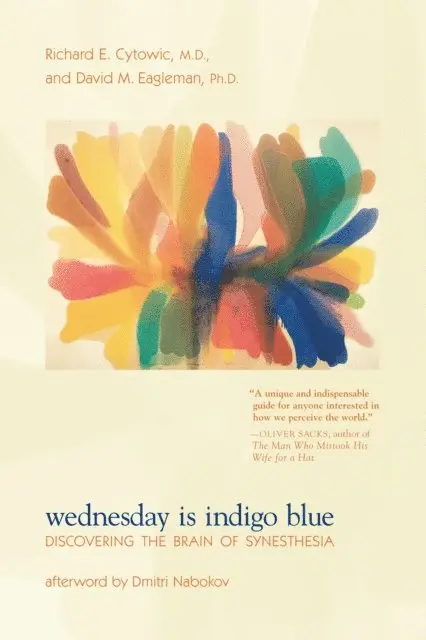
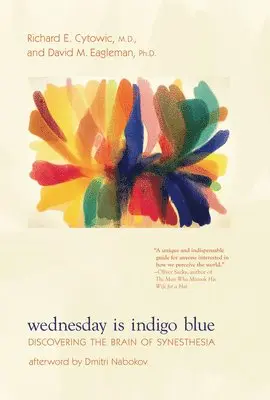
Wednesday Is Indigo Blue
Av David M. Eagleman, Richard E. Cytowic
E-bok, 2011
464 kr
Lägg i varukorg
How the extraordinary multisensory phenomenon of synesthesia has changed our traditional view of the brain. A person with synesthesia might feel the flavor of food on her fingertips, sense the letter “J” as shimmering magenta or the number “5” as emerald green, hear and taste her husband''s voice …
Synesthesia
E-bok, 2018
239 kr
Lägg i varukorg
An accessible, concise primer on the neurological trait of synesthesia—vividly felt sensory couplings—by a founder of the field. One in twenty-three people carry the genes for the synesthesia. Not a disorder but a neurological trait—like perfect pitch—synesthesia creates vividly felt cross-sensory …
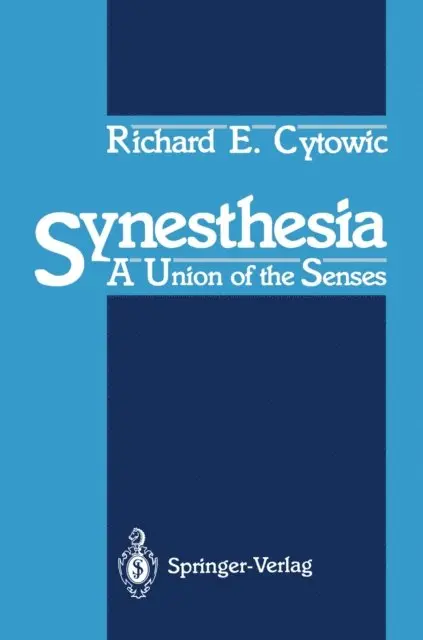
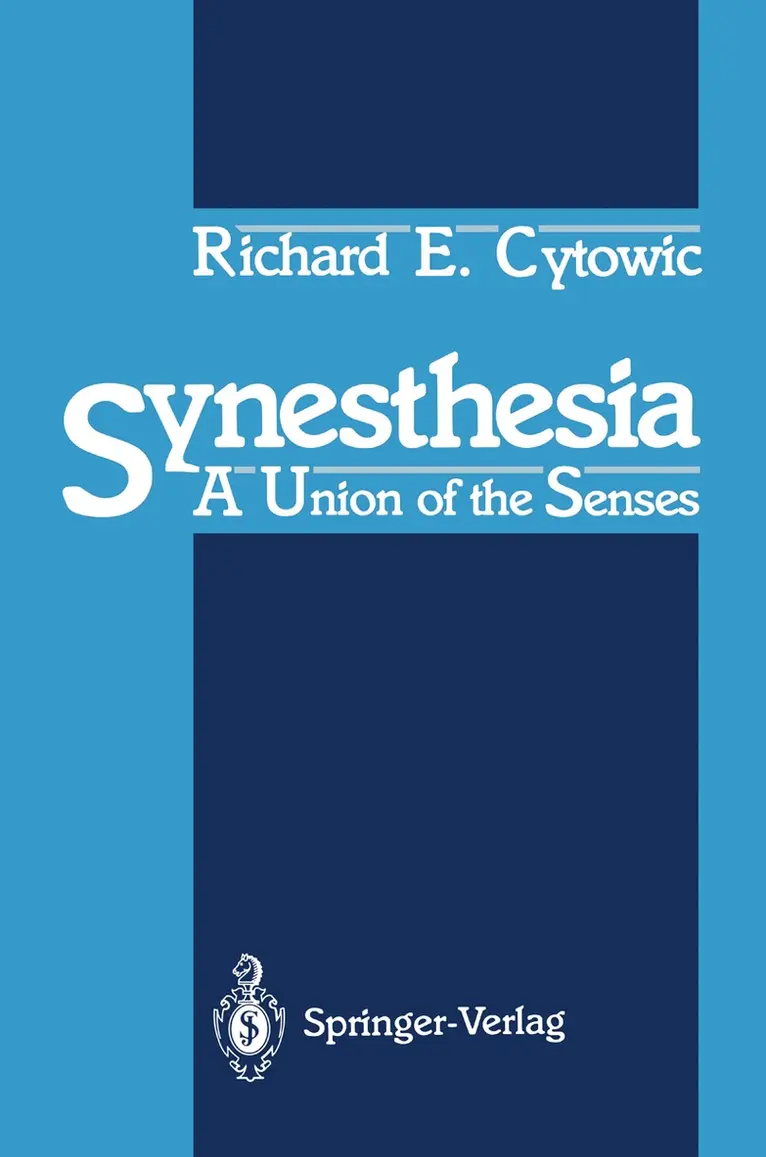
Synesthesia
A Union of the Senses
E-bok, 2012
755 kr
Lägg i varukorg
Synesthesia comes from the Greek syn (meaning union) and aisthesis (sensation), literally interpreted as a joining of the senses. Synesthesia is an involuntary joining in which the real information from one sense is joined or accompanies a perception in another. Dr. Cytowic reports extensive …
Synesthesia
A Union of the Senses
Häftad, 2011
566 kr
Lägg i varukorg
Synesthesia comes from the Greek syn (meaning union) and aisthesis (sensation), literally interpreted as a joining of the senses. Synesthesia is an involuntary joining in which the real information from one sense is joined or accompanies a perception in another. Dr. Cytowic reports extensive …
Wednesday Is Indigo Blue
Discovering the Brain of Synesthesia
Av Richard E. Cytowic, David M. Eagleman
Häftad, 2011
263 kr
Tillfälligt slut
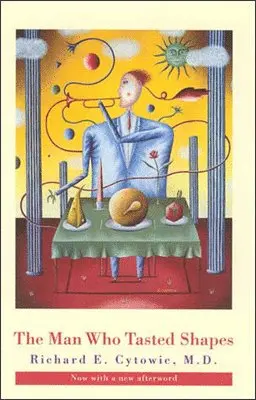
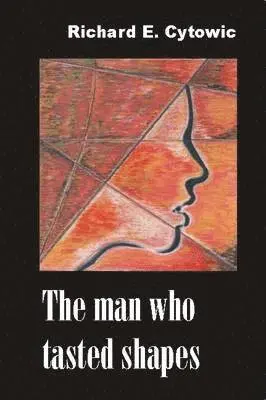
Man Who Tasted Shapes
Häftad, 2003
258 kr
Tillfälligt slut
The ten people in one million who are synaesthetes are born into a world where one sensation (e.g. sound) conjures up one or more others (e.g. taste or colour). Although scientists have known about synaesthesia for two hundred years, until recently the condition has remained a mystery. Extensive …