Richard Hughes Gibson – författare
Visar alla böcker från författaren . Handla med fri frakt och snabb leverans.
9 produkter
9 produkter
Häftad, Engelska, 2020
339 kr
Skickas inom 3-6 vardagar
E-bok
Engelska, 2020239 kr
Läs direkt efter köp
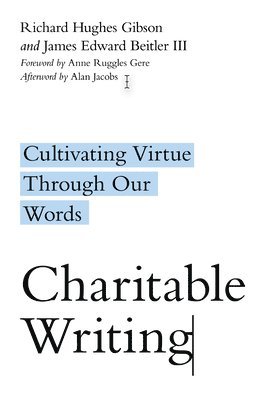
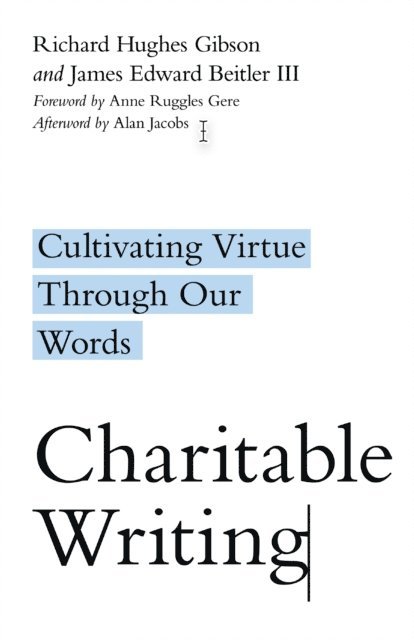
ECPA Top Shelf Book Cover AwardOur written words carry weight.Unfortunately, in today''s cultural climate, our writing is too often laced with harsh judgments and vitriol rather than careful consideration and generosity. But might the Christian faith transform how we approach the task of writing? How might we love God and our neighbors through our writing?This book is not a style guide that teaches you where to place the comma and how to cite your sources (as important as those things are). Rather, it offers a vision for expressing one''s faith through writing and for understanding writing itself as a spiritual practice that cultivates virtue.Under the guidance of two experienced Christian writers who draw on authors and artists throughout the church''s history, we learn how we might embrace writing as an act of discipleship for today—and how we might faithfully bear the weight of our written words.
Häftad, Engelska, 2016
634 kr
Skickas inom 10-15 vardagar
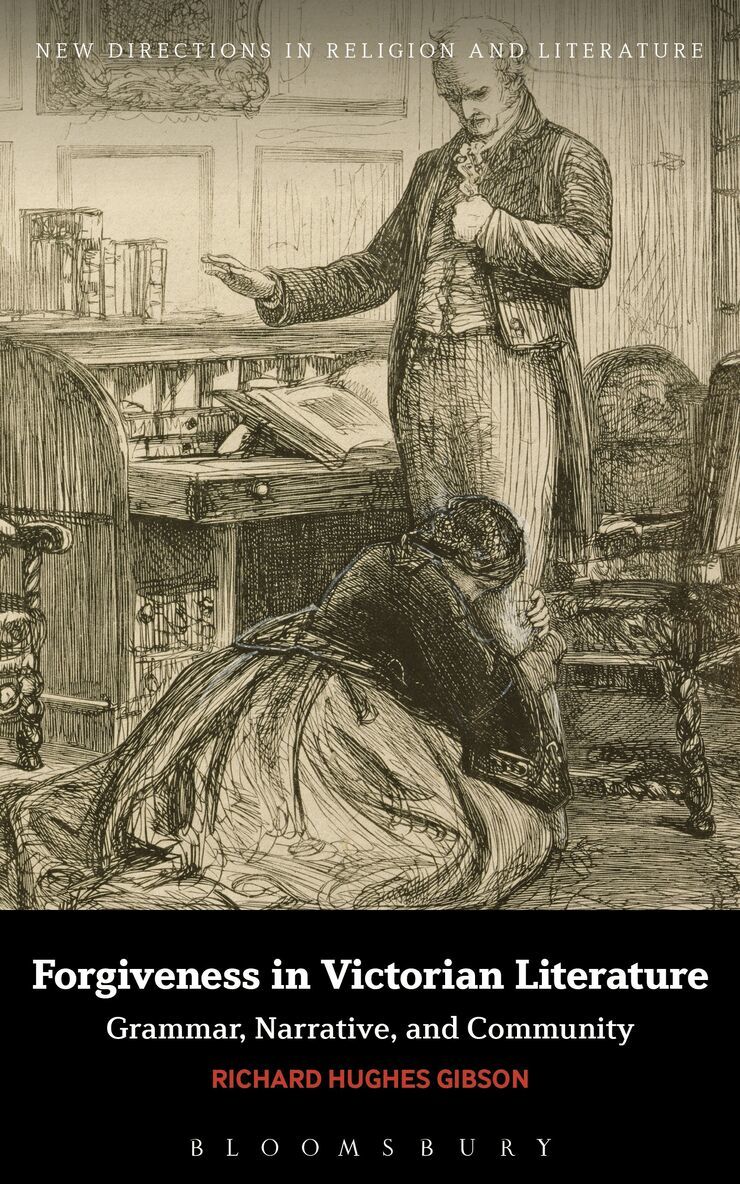
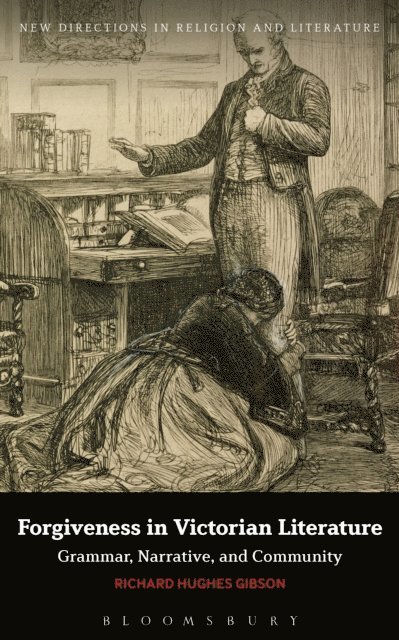
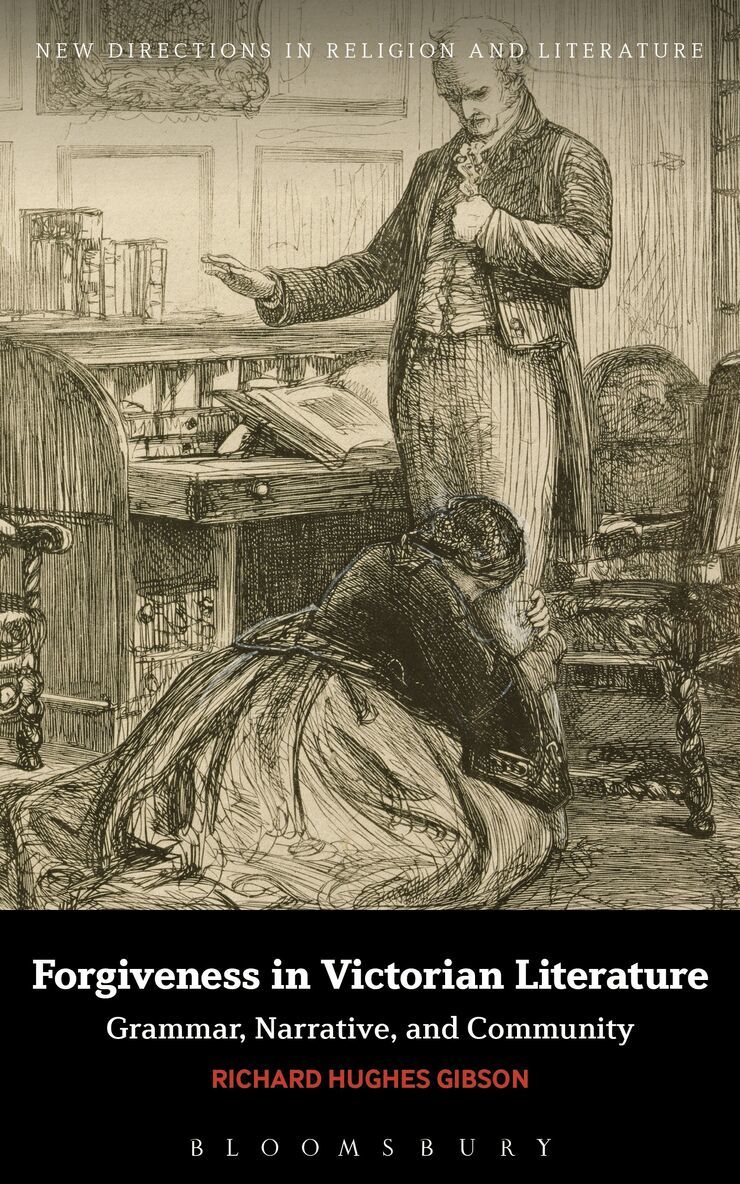
Forgiveness was a preoccupation of writers in the Victorian period, bridging literatures highbrow and low, sacred and secular. Yet if forgiveness represented a common value and language, literary scholarship has often ignored the diverse meanings and practices behind this apparently uncomplicated value in the Victorian period. Forgiveness in Victorian Literature examines how eminent writers such as Charles Dickens, George Eliot, Thomas Hardy, and Oscar Wilde wrestled with the religious and social meanings of forgiveness in an age of theological controversy and increasing pluralism in ethical matters. Richard Gibson discovers unorthodox uses of the language of forgiveness and delicate negotiations between rival ethical and religious frameworks, which complicated forgiveness's traditional powers to create or restore community and, within narratives, offered resolution and closure. Illuminated by contemporary philosophical and theological investigations of forgiveness, this study also suggests that Victorian literature offers new perspectives on the ongoing debate about the possibility and potency of forgiving.
E-bok
PDF, Engelska, 2015679 kr
Läs direkt efter köp
Forgiveness was a preoccupation of writers in the Victorian period, bridging literatures highbrow and low, sacred and secular. Yet if forgiveness represented a common value and language, literary scholarship has often ignored the diverse meanings and practices behind this apparently uncomplicated value in the Victorian period. Forgiveness in Victorian Literature examines how eminent writers such as Charles Dickens, George Eliot, Thomas Hardy, and Oscar Wilde wrestled with the religious and social meanings of forgiveness in an age of theological controversy and increasing pluralism in ethical matters. Richard Gibson discovers unorthodox uses of the language of forgiveness and delicate negotiations between rival ethical and religious frameworks, which complicated forgiveness''s traditional powers to create or restore community and, within narratives, offered resolution and closure. Illuminated by contemporary philosophical and theological investigations of forgiveness, this study also suggests that Victorian literature offers new perspectives on the ongoing debate about the possibility and potency of forgiving.
E-bok
Engelska, 2015679 kr
Läs direkt efter köp
Forgiveness was a preoccupation of writers in the Victorian period, bridging literatures highbrow and low, sacred and secular. Yet if forgiveness represented a common value and language, literary scholarship has often ignored the diverse meanings and practices behind this apparently uncomplicated value in the Victorian period. Forgiveness in Victorian Literature examines how eminent writers such as Charles Dickens, George Eliot, Thomas Hardy, and Oscar Wilde wrestled with the religious and social meanings of forgiveness in an age of theological controversy and increasing pluralism in ethical matters. Richard Gibson discovers unorthodox uses of the language of forgiveness and delicate negotiations between rival ethical and religious frameworks, which complicated forgiveness''s traditional powers to create or restore community and, within narratives, offered resolution and closure. Illuminated by contemporary philosophical and theological investigations of forgiveness, this study also suggests that Victorian literature offers new perspectives on the ongoing debate about the possibility and potency of forgiving.
Häftad, Engelska, 2025
278 kr
Skickas inom 5-8 vardagar
E-bok
Engelska, 2025264 kr
Läs direkt efter köp
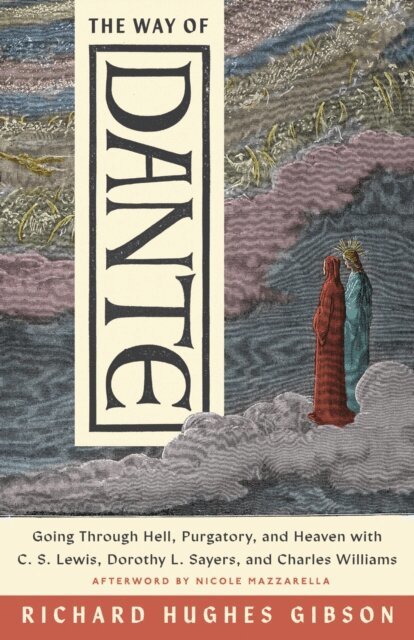
Rediscovering Dante with Lewis, Sayers, and WilliamsFor centuries, readers have marveled at the imaginative brilliance of authors like C. S. Lewis, Dorothy L. Sayers, and Charles Williams. But what inspired these literary giants? The Way of Dante takes you on a journey of discovering how the medieval poet Dante Alighieri and his masterwork, The Divine Comedy, shaped their thoughts, artistry, and faith. In The Way of Dante, Richard Hughes Gibson reveals the profound influence of The Divine Comedy on the writings of Sayers, Williams, and Lewis through- Following the authors as they read, reflect on, and debate Dante's allegorical journey through hell, purgatory, and heaven- Challenging common misconceptions about Dante's work- Exploring how Dante prompts reflection on sin, love, and glory- Revealing the psychological, social, and theological lessons learnedThe Way of Dante is ideal for readers, scholars, teachers, and students interested in The Divine Comedy; the works of Sayers, Lewis, and Williams; or the spiritual dimensions of storytelling. Step into the minds of three of the 20th century's most beloved writers and be inspired to view Dante through a new lens. About the SeriesThe Hansen Series celebrates the literary and spiritual contributions of seven British authors whose works have captivated readers across generations: Owen Barfield, G. K. Chesterton, C. S. Lewis, George MacDonald, Dorothy L. Sayers, J. R. R. Tolkien, and Charles Williams. These seven authors were all deeply involved in the friendships and intellectual exchanges that shaped the Inklings,a mid-twentieth-century group of Christian writers and thinkers in Oxford, England. This series invites readers to deepen their engagement with these timeless voices and their enduring influence on literature, faith, and the life of the imagination.
Inbunden, Engelska, 2021
1 148 kr
Skickas inom 5-8 vardagar
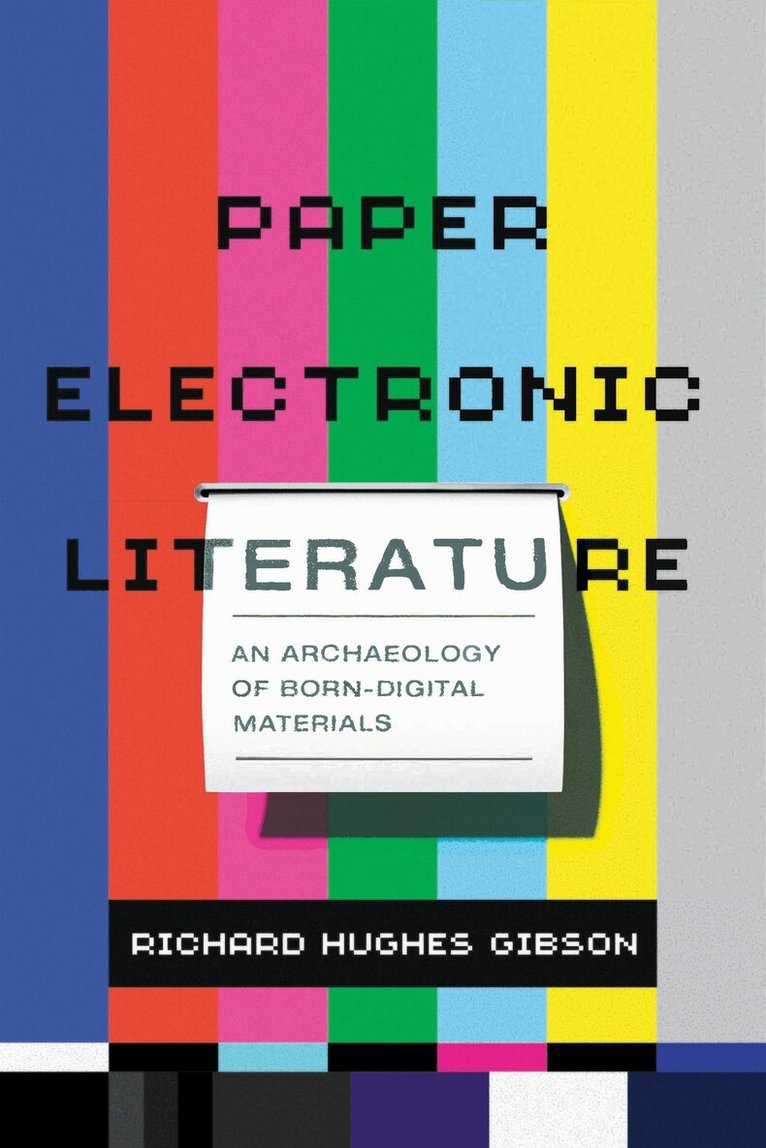
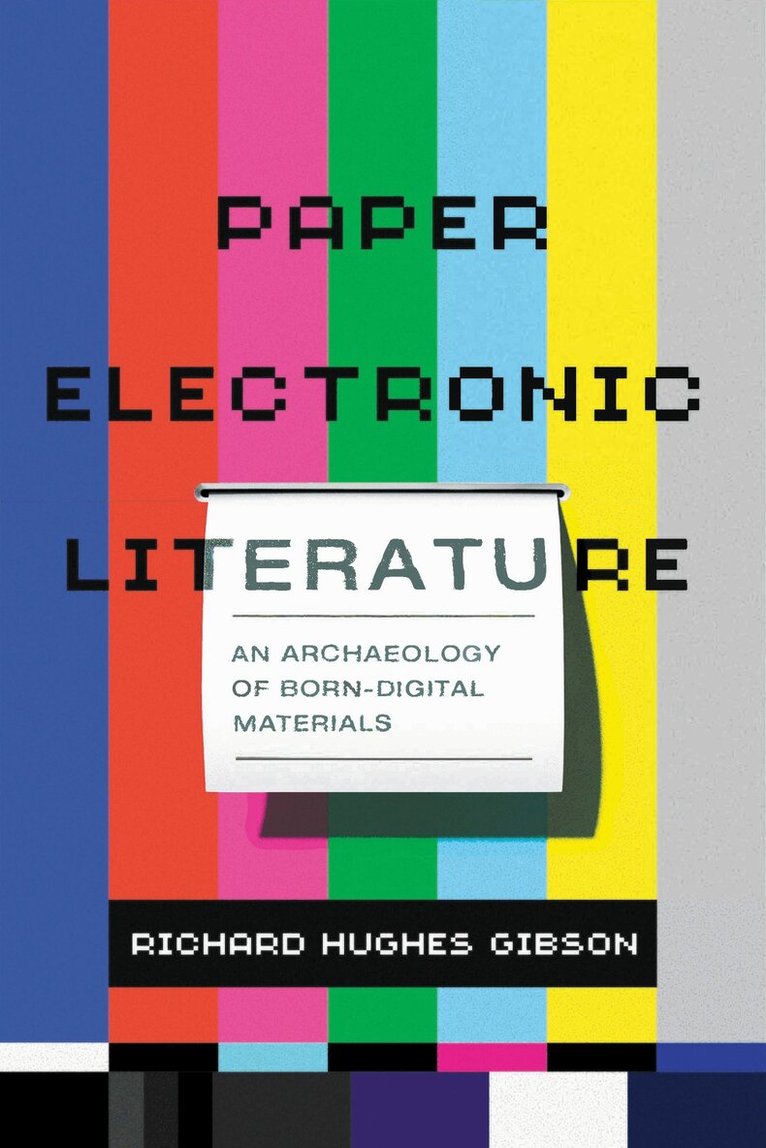
The field of electronic literature has a familiar catchphrase, "You can't do it on paper." But the field has in fact never gone paperless. Reaching back to early experiments with digital writing in the mainframe era and then moving through the personal computer and Internet revolutions, this book traces the changing forms of paper on which e-lit artists have drawn, including continuous paper, documentation, disk sleeves, packaging, and even artists' books.Paper Electronic Literature attests that digital literature's old media elements have much to teach us about the cultural and physical conditions in which we compute; the creativity that new media artists have shown in their dealings with old media; and the distinctively electronic issues that confront digital artists. Moving between avant-garde works and popular ones, fiction writing and poetry generation, Richard Hughes Gibson reveals the diverse ways in which paper has served as a component within electronic literature, particularly in facilitating interactive experiences for users. This important study develops a new critical paradigm for appreciating the multifaceted material innovation that has long marked digital literature.
Inbunden, Engelska, 2015
1 775 kr
Skickas inom 10-15 vardagar
Forgiveness was a preoccupation of writers in the Victorian period, bridging literatures highbrow and low, sacred and secular. Yet if forgiveness represented a common value and language, literary scholarship has often ignored the diverse meanings and practices behind this apparently uncomplicated value in the Victorian period. Forgiveness in Victorian Literature examines how eminent writers such as Charles Dickens, George Eliot, Thomas Hardy, and Oscar Wilde wrestled with the religious and social meanings of forgiveness in an age of theological controversy and increasing pluralism in ethical matters. Richard Gibson discovers unorthodox uses of the language of forgiveness and delicate negotiations between rival ethical and religious frameworks, which complicated forgiveness's traditional powers to create or restore community and, within narratives, offered resolution and closure. Illuminated by contemporary philosophical and theological investigations of forgiveness, this study also suggests that Victorian literature offers new perspectives on the ongoing debate about the possibility and potency of forgiving.