Richard J. Golsan – författare
Visar alla böcker från författaren Richard J. Golsan. Handla med fri frakt och snabb leverans.
13 produkter
French Writers and the Politics of Complicity
Crises of Democracy in the 1940s and 1990s
Inbunden, 2006
826 kr
Lägg i varukorg
Focusing on the political commitments of three French writers who collaborated with the Vichy Regime and Nazi Germany during World War II, and on those of three leading French intellectuals of the 1990s whose misplaced political idealism led them to support xenophobic, authoritarian regimes and …
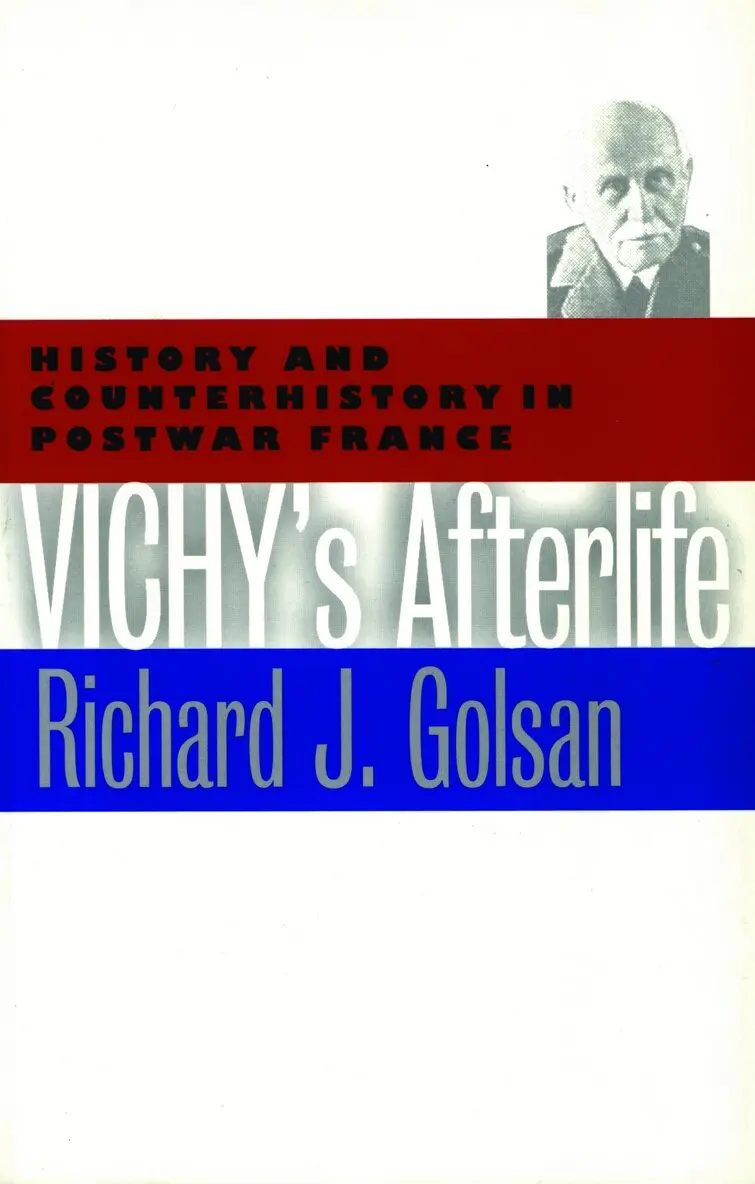
Vichy's Afterlife
History and Counterhistory in Postwar France
Häftad, 2000
415 kr
Lägg i varukorg
One of the distinctive features of the "Vichy Syndrome"—the persistence of the memory of the Vichy regime in French political and cultural life—is that it has been extremely difficult for an authoritative historical discourse to impose itself. Why does Vichy, and all that the name entails, …
Trial That Never Ends
Hannah Arendt's 'Eichmann in Jerusalem' in Retrospect
Av Richard J. Golsan, Sarah Misemer
Inbunden, 2017
657 kr
Lägg i varukorg
The fiftieth anniversary of the Adolf Eichmann trial may have come and gone but in many countries around the world there is a renewed focus on the trial, Eichmann himself, and the nature of his crimes. This increased attention also stimulates scrutiny of Hannah Arendt’s influential and …
Justice in Lyon
Klaus Barbie and France's First Trial for Crimes Against Humanity
Inbunden, 2022
859 kr
Lägg i varukorg
The trial of former SS lieutenant and Gestapo chief Klaus Barbie was France’s first trial for crimes against humanity. Known as the "Butcher of Lyon" during the Nazi occupation of that city from 1942 to 1944, Barbie tortured, deported, and murdered thousands of Jews and Resistance fighters. …
Trial That Never Ends
Hannah Arendt's 'Eichmann in Jerusalem' in Retrospect
Av Richard J. Golsan, Sarah Misemer
E-bok, 2017
839 kr
Lägg i varukorg
The fiftieth anniversary of the Adolf Eichmann trial may have come and gone but in many countries around the world there is a renewed focus on the trial, Eichmann himself, and the nature of his crimes. This increased attention also stimulates scrutiny of Hannah Arendt’s influential and …
Trial That Never Ends
Hannah Arendt's 'Eichmann in Jerusalem' in Retrospect
Av Richard J. Golsan, Sarah Misemer
E-bok, 2017
839 kr
Lägg i varukorg
The fiftieth anniversary of the Adolf Eichmann trial may have come and gone but in many countries around the world there is a renewed focus on the trial, Eichmann himself, and the nature of his crimes. This increased attention also stimulates scrutiny of Hannah Arendt’s influential and …
Justice in Lyon
Klaus Barbie and France's First Trial for Crimes Against Humanity
E-bok, 2022
444 kr
Lägg i varukorg
The trial of former SS lieutenant and Gestapo chief Klaus Barbie was France’s first trial for crimes against humanity. Known as the "Butcher of Lyon" during the Nazi occupation of that city from 1942 to 1944, Barbie tortured, deported, and murdered thousands of Jews and Resistance fighters. …
Justice in Lyon
Klaus Barbie and France's First Trial for Crimes Against Humanity
E-bok, 2022
444 kr
Lägg i varukorg
The trial of former SS lieutenant and Gestapo chief Klaus Barbie was France’s first trial for crimes against humanity. Known as the "Butcher of Lyon" during the Nazi occupation of that city from 1942 to 1944, Barbie tortured, deported, and murdered thousands of Jews and Resistance fighters. …
Justice in Lyon
Klaus Barbie and France's First Trial for Crimes Against Humanity
Häftad, 2022
367 kr
Lägg i varukorg
The trial of former SS lieutenant and Gestapo chief Klaus Barbie was France’s first trial for crimes against humanity. Known as the "Butcher of Lyon" during the Nazi occupation of that city from 1942 to 1944, Barbie tortured, deported, and murdered thousands of Jews and Resistance fighters. …
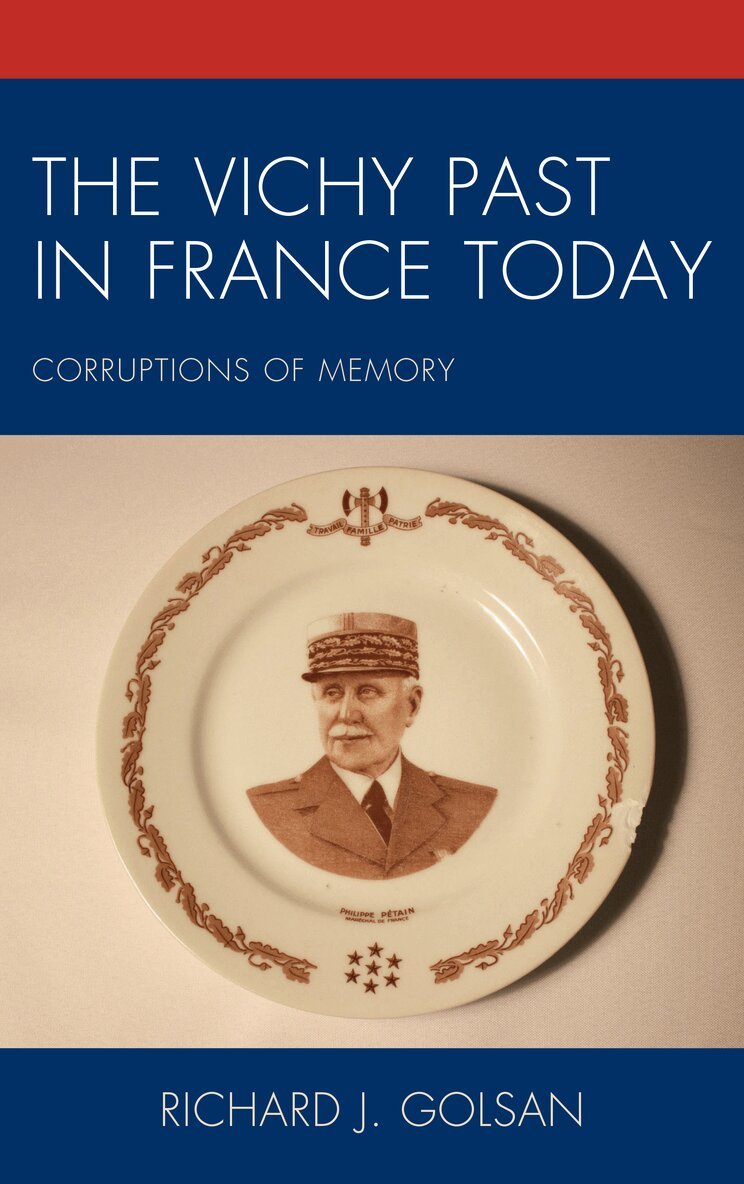
Vichy Past in France Today
Corruptions of Memory
Häftad, 2018
610 kr
Lägg i varukorg
The Vichy Past in France Today: Corruptions of Memory is an interdisciplinary study examining the continuing impact of the memory of Vichy and World War II in French politics, literature, intellectual discourse and debates, and the law. It argues that despite multiple efforts in all of these areas …
Yale French Studies, Number 121
Literature and History: Around "Suite Française" and "Les Bienveillantes"
Av Richard J. Golsan, Philip Watts
Häftad, 2012
382 kr
Tillfälligt slut
Irène Némirovsky's Suite Française and Jonathan Littell's Les Bienveillantes constitute the two most important literary publishing events in France in the new millennium. Both novels have enjoyed enormous commercial and critical success, and both have generated considerable controversy among …
Yale French Studies, Number 133
“Detecting” Patrick Modiano: New Perspectives
Av Richard J. Golsan, Lynn A. Higgins
Häftad, 2018
532 kr
Tillfälligt slut
Number 133 in Yale French Studies takes a new look at the themes in Nobel laureate Patrick Modiano's workThis volume of Yale French Studies offers new perspectives on the work of the 2014 Nobel laureate in literature, Patrick Modiano. Including critical reassessments of themes that have informed, …
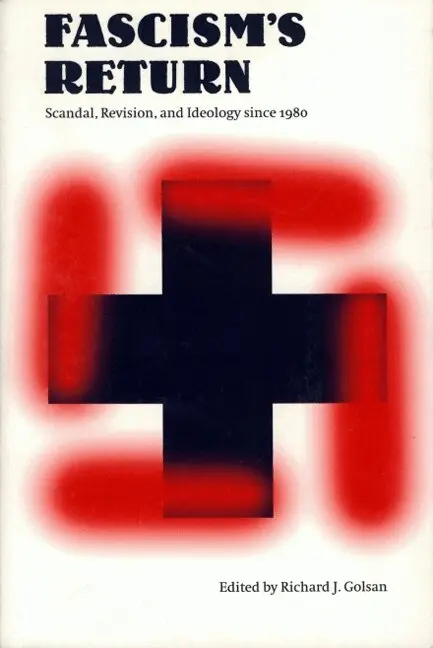
Fascism's Return
Scandal, Revision, and Ideology Since 1980
Häftad, 1998
329 kr
Tillfälligt slut
The past fifteen years have witnessed the renewed presence of fascism in European political and cultural life. In addition, there have been scandals surrounding the fascist pasts of numerous renowned intellectuals, including Martin Heidegger, Paul de Man, and Maurice Blanchot. In Fascism's Return, …