Richard J. M. Blackett - Böcker
Visar alla böcker från författaren Richard J. M. Blackett. Handla med fri frakt och snabb leverans.
5 produkter
5 produkter
377 kr
Skickas inom 10-15 vardagar
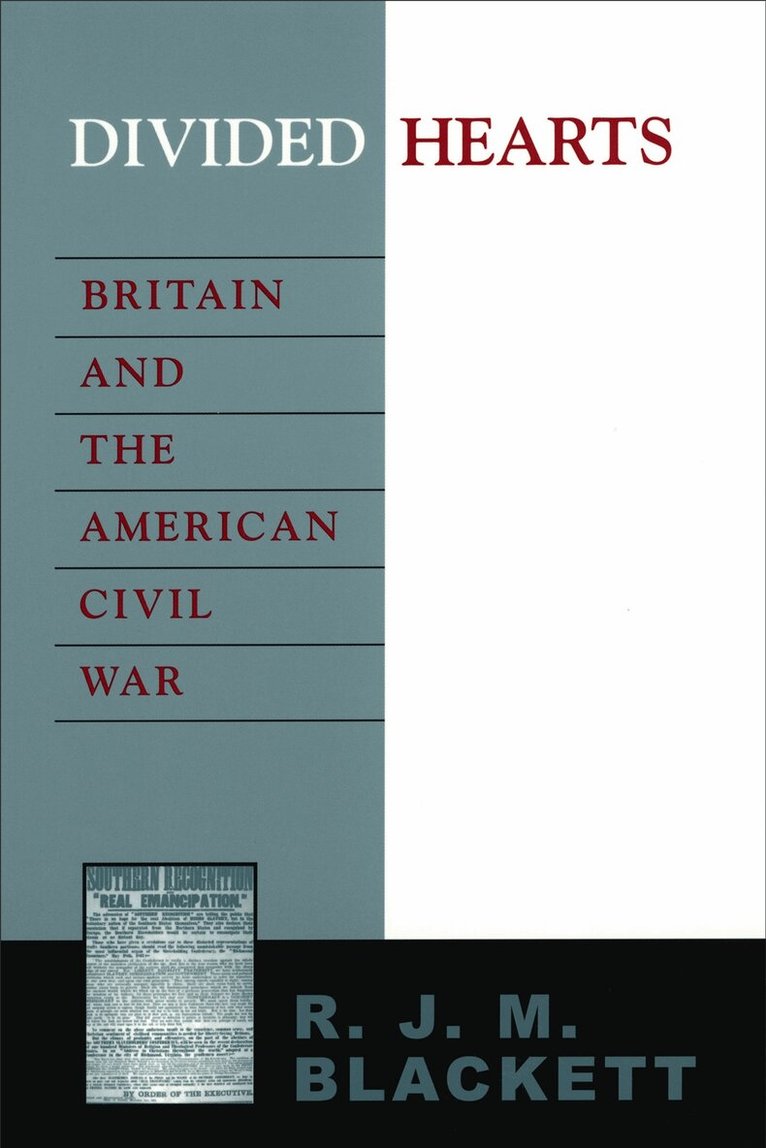
Divided Hearts explores the passionate political strife that raged in Britain as a result of the American Civil War. Moving beyond Mary Ellison's 1972 landmark regional study of Lancashire cotton workers' reactions, R. J. M. Blackett opens the subject to a new, wider transatlantic context of influence and undertakes a deftly researched and written sociological, intellectual, and political examination of who in Britain supported the Union, who the Confederacy, and why. The American Civil War had a profound effect on Britain's political culture; no other event during that period -- not in Poland, Hungary, Italy, or British colonies -- compared. Blackett argues that the traditional historiographical assessments of British partisanship along class and economic lines must be reevaluated in light of the nature and changing contours of transatlantic abolitionist connections, the ways in which nationalism framed the debate, and the effect that race -- among other issues -- exerted over the British public's perception of conditions in America. Divided Hearts presents a compelling and innovative thesis, one sure to engage scholars in many fields of history.
Building an Antislavery Wall
Black Americans in the Atlantic Abolitionist Movement, 1830-1860
Häftad, Engelska, 2002
322 kr
Skickas inom 10-15 vardagar
In Building an Antislavery Wall, R. J. M. Blackett examines the efforts of black Americans in England to advance the cause of their own freedom. Speaking to enthusiastic working-class crowds in the cities and lobbying in the salons of the wealthy and aristocratic, black Americans used England as a forum to tell the world of their cruel plight in the United States, to expose what they saw as an oppressive slave society masquerading as the seat of democracy and freedom. It was their goal to create a moral cordon around the United States so that, in the words of Frederick Douglass, ""wherever a slaveholder went, he might hear nothing but denunciation of slavery, that he might be looked upon as a man-stealing, cradle-robbing, woman-stripping monster, and that he might see reproof and detestation on every hand.""The American blacks who visited England between 1830 and 1860 came there for various specific reasons- some to raise funds for projects at home, some to receive the education that they had been denied by American colleges, many for refuge from slave-catchers. But every black saw himself, at least to some extent, as an emissary from his enslaved brethren in America, and he was treated as such by British society. Some- Frederick Douglass and Martin R. Delany, for example- were already famous; others, like Henry ""Box"" Brown and James Watkins, would gain fame through their lecturing while in England. Some of the blacks who came to England were ministers; others were doctors, journalists, and authors of slave narratives. Clearly gifted and articulate individuals, these black Americans stood as living proof of slavery's unfairness, flesh-and-blood refutations of America's boasted freedom.Tracing the impact of the black Americans, Blackett concludes that they were very effective spokesmen who significantly advanced the cause of the Atlantic abolitionist movement. British support had monetary as well as symbolic value, and the popularity of the blacks as lecturers gave them a special edge in both fund-raising and proselytizing. At the same time, while organized white abolitionist societies expended much of their energy on sectarian disputes, the blacks sought to bridge these differences in the hope of marshaling the full weight of British opinion in their favor. The blacks played an especially important role, Blackett finds, in discrediting the American Colonization Society- their adamant opposition made it difficult for colonizationists to convince the British that their plan was in the blacks' best interest. Chronicling the efforts of black Americans to win international support for their struggles at home, Building an Antislavery Wall illuminates an important chapter in the history of American reform and in the emergence of an articulate black leadership in the United States.
431 kr
Skickas inom 10-15 vardagar
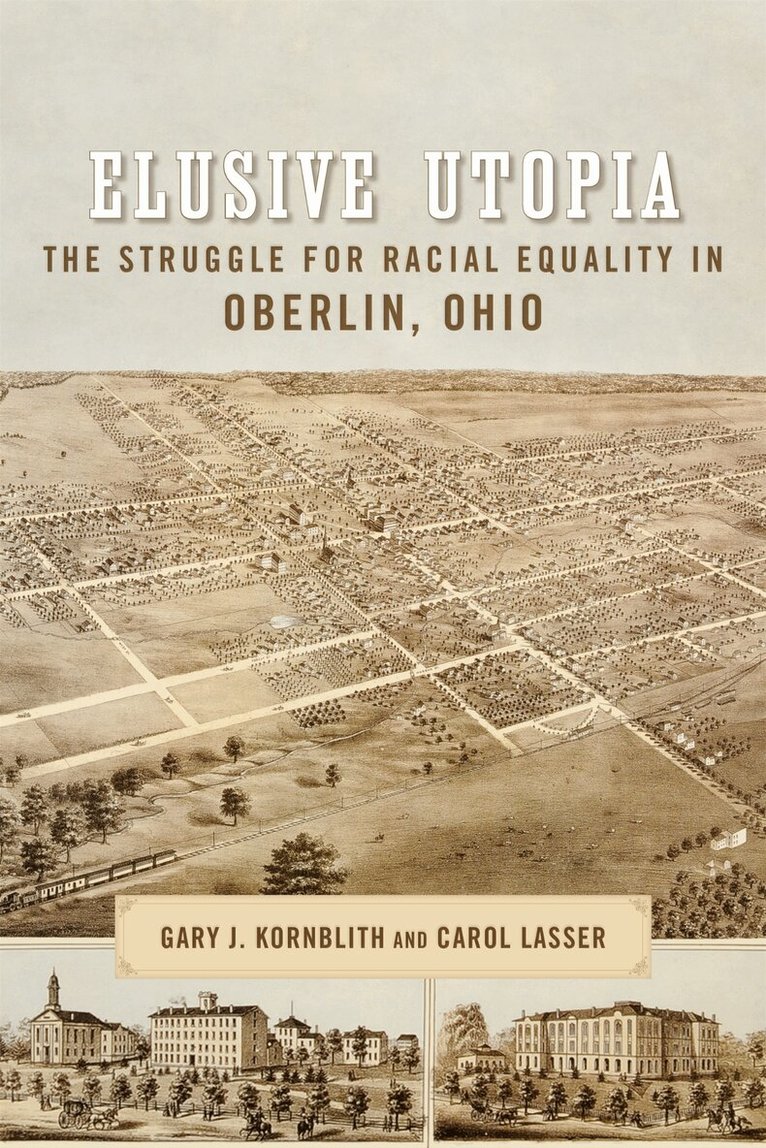
Before the Civil War, Oberlin, Ohio, stood in the vanguard of the abolition and black freedom movements. The community, including co-founded Oberlin College, strove to end slavery and establish full equality for all. Yet, in the half-century after the Union victory, Oberlin's resolute stand for racial justice eroded as race-based discrimination pressed down on its African American citizens. In Elusive Utopia, noted historians Gary J. Kornblith and Carol Lasser tell the story of how, in the nineteenth and early twentieth centuries, Oberlin residents, black and white, understood and acted upon their changing perceptions of race, ultimately resulting in the imposition of a color line.Founded as a utopian experiment in 1833, Oberlin embraced radical racial egalitarianism in its formative years. By the eve of the Civil War, when 20 percent of its local population was black, the community modeled progressive racial relations that, while imperfect, shone as strikingly more advanced than in either the American South or North. Emancipation and the passage of the Civil War amendments seemed to confirm Oberlin's egalitarian values. Yet, contrary to the expectations of its idealistic founders, Oberlin's residents of color fell increasingly behind their white peers economically in the years after the war. Moreover, leaders of the white-dominated temperance movement conflated class, color, and respectability, resulting in stigmatization of black residents. Over time, many white Oberlinians came to view black poverty as the result of personal failings, practiced residential segregation, endorsed racially differentiated education in public schools, and excluded people of color from local government. By 1920, Oberlin's racial utopian vision had dissipated, leaving the community to join the racist mainstream of American society.Drawing from newspapers, pamphlets, organizational records, memoirs, census materials and tax lists, Elusive Utopia traces the rise and fall of Oberlin's idealistic vision and commitment to racial equality in a pivotal era in American history.
555 kr
Skickas inom 10-15 vardagar
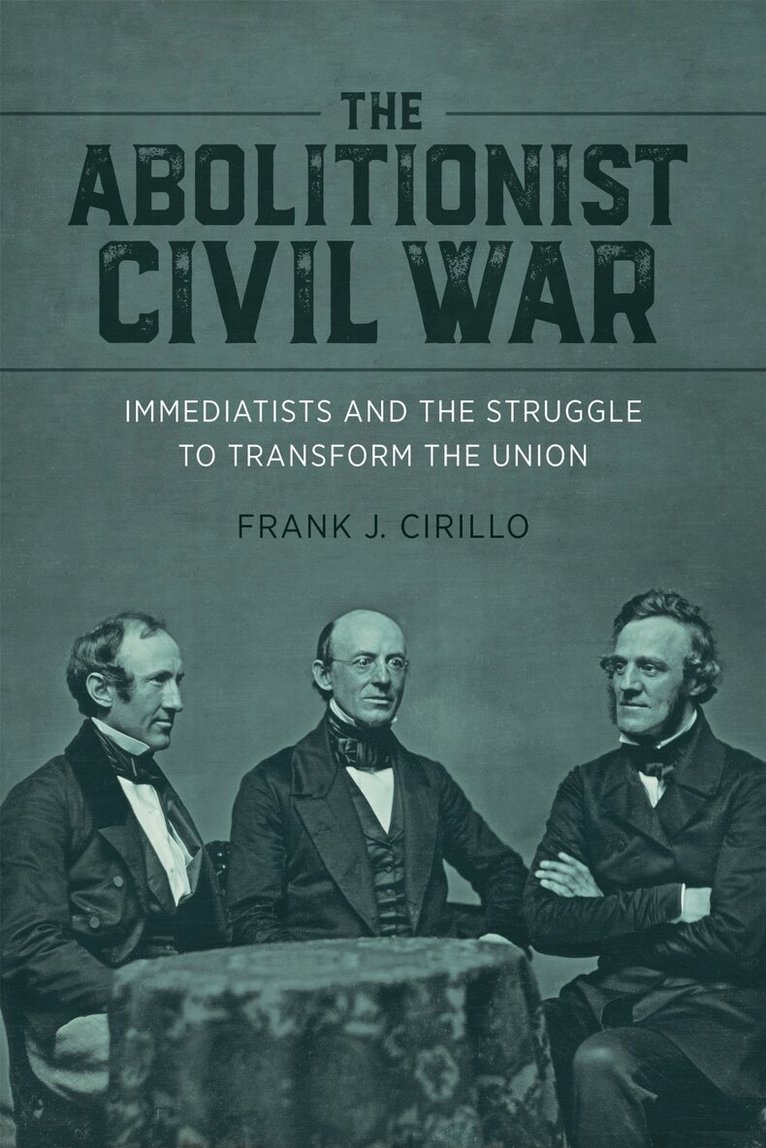
The astonishing transformation of the abolitionist movement during the Civil War proved enormously consequential both for the cause of abolitionism and for the nation at large. Drawing on a cast of famous and obscure figures from Frederick Douglass to Moncure Conway, Frank J. Cirillo's The Abolitionist Civil War explores how immediate abolitionists contorted their arguments and clashed with each other as they labored over the course of the conflict to create a more perfect Union. Cirillo reveals that immediatists' efforts to forge a morally transformed nation that enshrined emancipation and Black rights shaped contemporary debates surrounding the abolition of slavery but ultimately did little to achieve racial justice for African Americans beyond formal freedom.
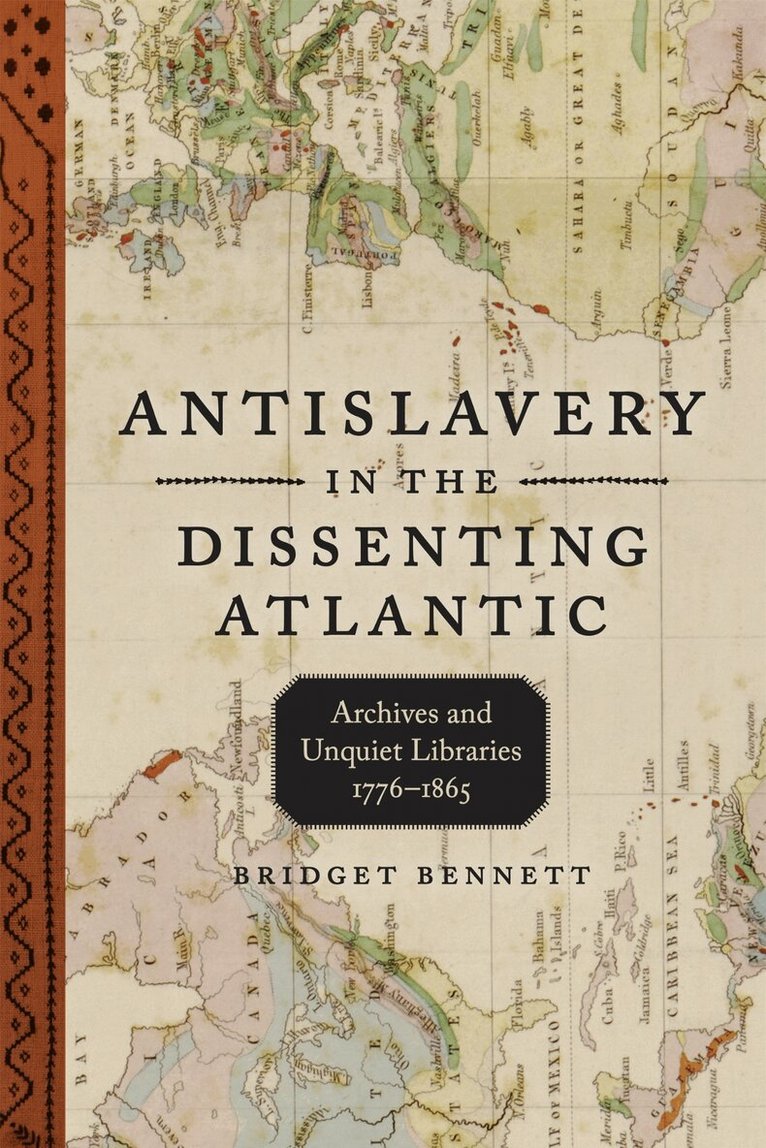
Antislavery in the Dissenting Atlantic
Archives and Unquiet Libraries, 1776-1865
Inbunden, Engelska, 2025
500 kr
Skickas inom 10-15 vardagar
Bridget Bennett's Antislavery in the Dissenting Atlantic explores the impact of a historically situated set of transatlantic networks, chiefly centered on prominent communities of religious nonconformists in England and Pennsylvania in the decades between the American Revolution and American Civil War. The study reveals the alliances forged out of progressive religious and political commitments to dissent that enabled expansive connections across the Atlantic world. These developments emerged from local proximities and combined an optimistic devotion to social justice and education with a global vision. Bennett's work offers an original and innovative reading of transatlantic partnerships, exploring obscure writings, overlooked individuals, and the cultures of the everyday, while also affording fresh understandings of familiar antislavery texts.