Richard K. Betts – författare
Visar alla böcker från författaren Richard K. Betts. Handla med fri frakt och snabb leverans.
16 produkter
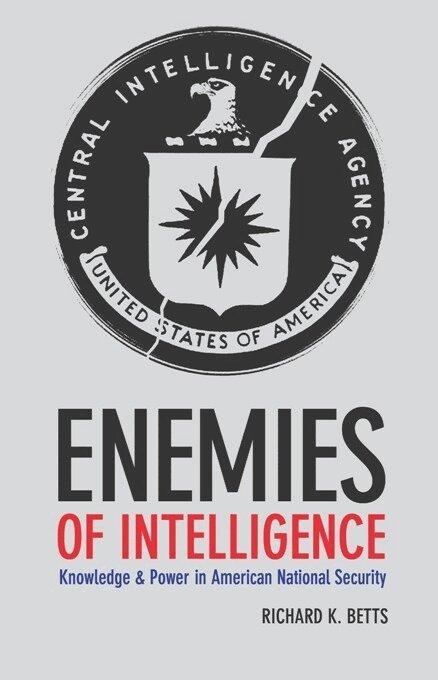
Enemies of Intelligence
Knowledge and Power in American National Security
Inbunden, 2007
2227 kr
Lägg i varukorg
The tragic events of September 11, 2001, and the false assessment of Saddam Hussein's weapons arsenal were terrible reminders that good information is essential to national security. These failures convinced the American public that their intelligence system was broken and prompted a radical …
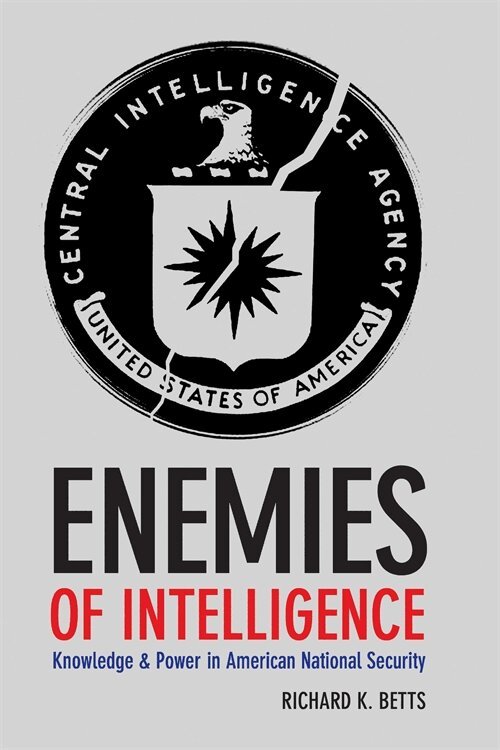
Enemies of Intelligence
Knowledge and Power in American National Security
Häftad, 2009
299 kr
Lägg i varukorg
The tragic events of September 11, 2001, and the false assessment of Saddam Hussein's weapons arsenal were terrible reminders that good information is essential to national security. These failures convinced the American public that their intelligence system was broken and prompted a radical …
Enemies of Intelligence
Knowledge and Power in American National Security
E-bok, 2007
450 kr
Lägg i varukorg
The tragic events of September 11, 2001, and the false assessment of Saddam Hussein's weapons arsenal were terrible reminders that good information is essential to national security. These failures convinced the American public that their intelligence system was broken and prompted a radical …
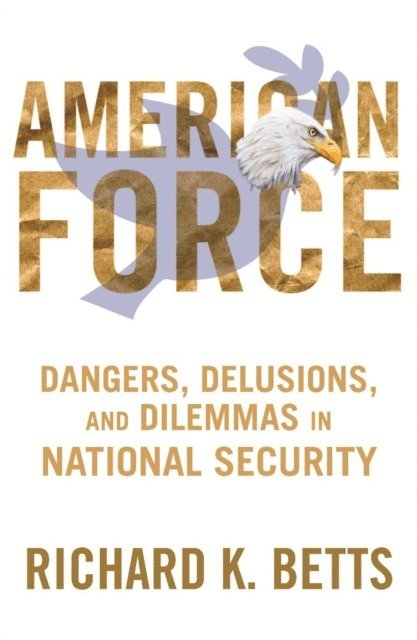
American Force
Dangers, Delusions, and Dilemmas in National Security
E-bok, 2011
530 kr
Lägg i varukorg
While American national security policy has grown more interventionist since the Cold War, Washington has also hoped to shape the world on the cheap. Misled by the stunning success against Iraq in 1991, administrations of both parties have pursued ambitious aims with limited force, committing the …
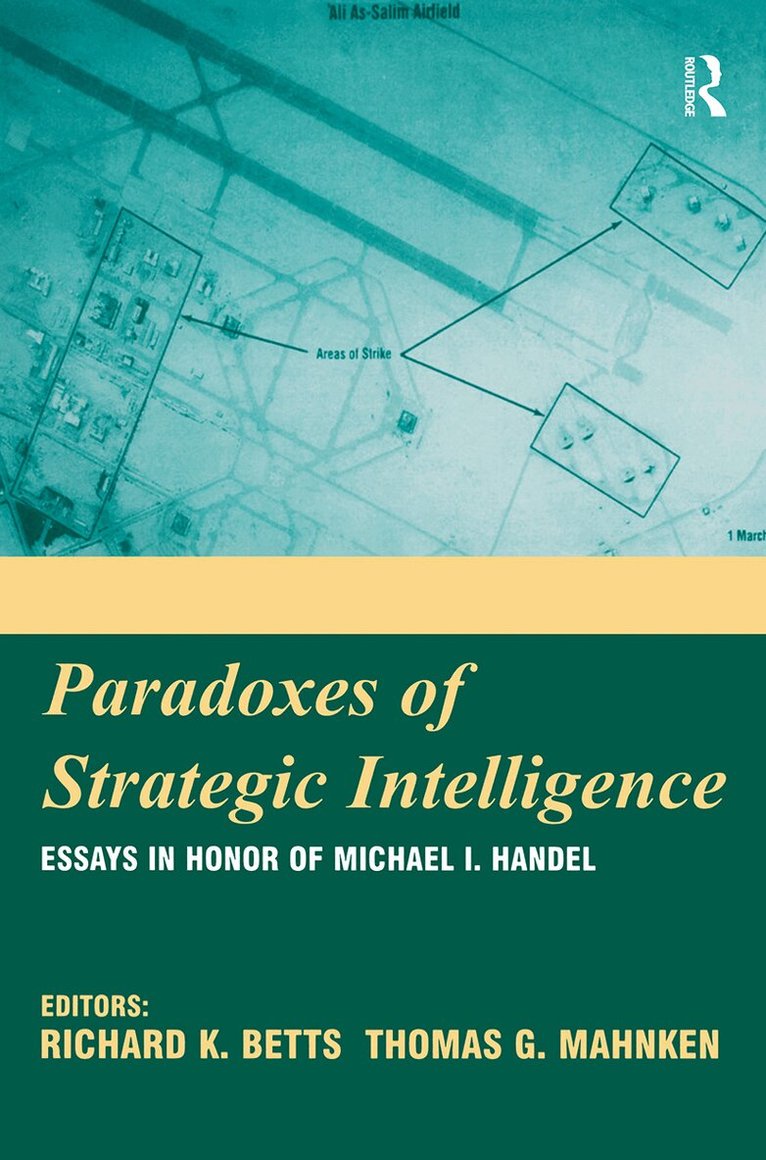
Paradoxes of Strategic Intelligence
Essays in Honor of Michael I. Handel
Av Richard K. Betts, Thomas Mahnken
Häftad, 2003
1042 kr
Lägg i varukorg
Part of a three part collection in honour of the teachings of Michael I. Handel, one of the foremost strategists of the late 20th century, this collection explores the paradoxes of intelligence analysis, surprise and deception from both historical and theoretical perspectives.
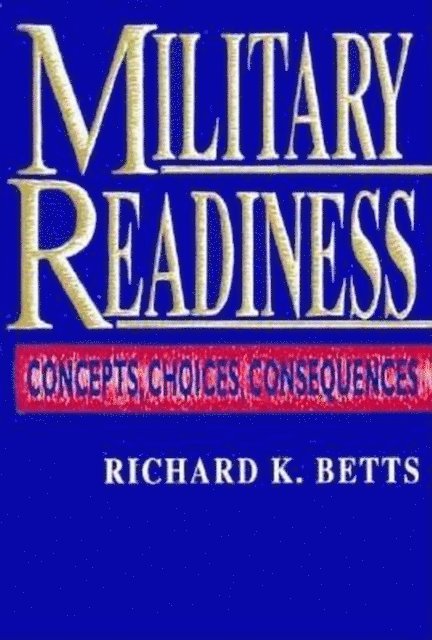
Military Readiness
Concepts, Choices, Consequences
Häftad, 1995
261 kr
Lägg i varukorg
Throughout most of American history, U.S. military forces proved unready for the wars that were thrust upon them and suffered costly reverses in early battles. During the Cold War, for the first time, U.S. defense policy tried to maintain high readiness in peacetime. But now, with the Cold War over …
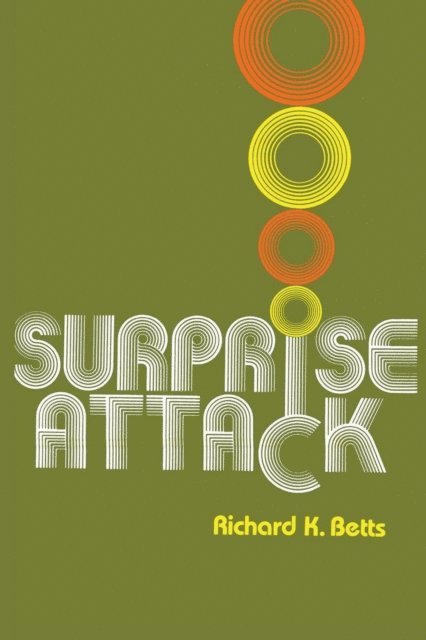
Surprise Attack
Lessons for Defense Planning
Häftad, 1982
304 kr
Lägg i varukorg
Long before Germany's blitzkrieg swept the West, European leaders had received many signals of its imminence. Stalin, too, had abundant warning of German designs on Russia but believed that by avoiding ""provocative"" defensive measures he could avert the attack that finally came in June 1941. And …
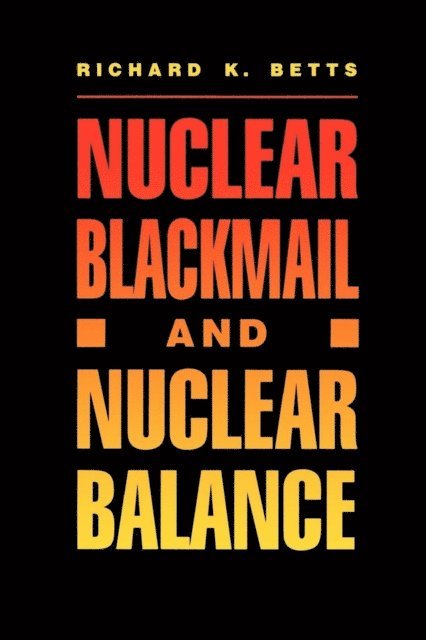
Nuclear Blackmail and Nuclear Balance
Häftad, 1987
304 kr
Lägg i varukorg
In numerous crises after World War IIBerlin, Korea, the Taiwan Straits, and the Middle Eastthe United States resorted to vague threats to use nuclear weapons in order to deter Soviet or Chinese military action. On a few occasions the Soviet Union also engaged in nuclear saber-ratling. Using …
Military Readiness
Concepts, Choices, Consequences
E-bok, 2012
272 kr
Lägg i varukorg
Throughout most of American history, U.S. military forces proved unready for the wars that were thrust upon them and suffered costly reverses in early battles. During the Cold War, for the first time, U.S. defense policy tried to maintain high readiness in peacetime. But now, with the Cold War over …
Nuclear Blackmail and Nuclear Balance
E-bok, 2010
328 kr
Lägg i varukorg
In numerous crises after World War IIBerlin, Korea, the Taiwan Straits, and the Middle Eastthe United States resorted to vague threats to use nuclear weapons in order to deter Soviet or Chinese military action. On a few occasions the Soviet Union also engaged in nuclear saber-ratling. Using …
Surprise Attack
Lessons for Defense Planning
E-bok, 2010
317 kr
Lägg i varukorg
Long before Germany's blitzkrieg swept the West, European leaders had received many signals of its imminence. Stalin, too, had abundant warning of German designs on Russia but believed that by avoiding ""provocative"" defensive measures he could avert the attack that finally came in June 1941. And …
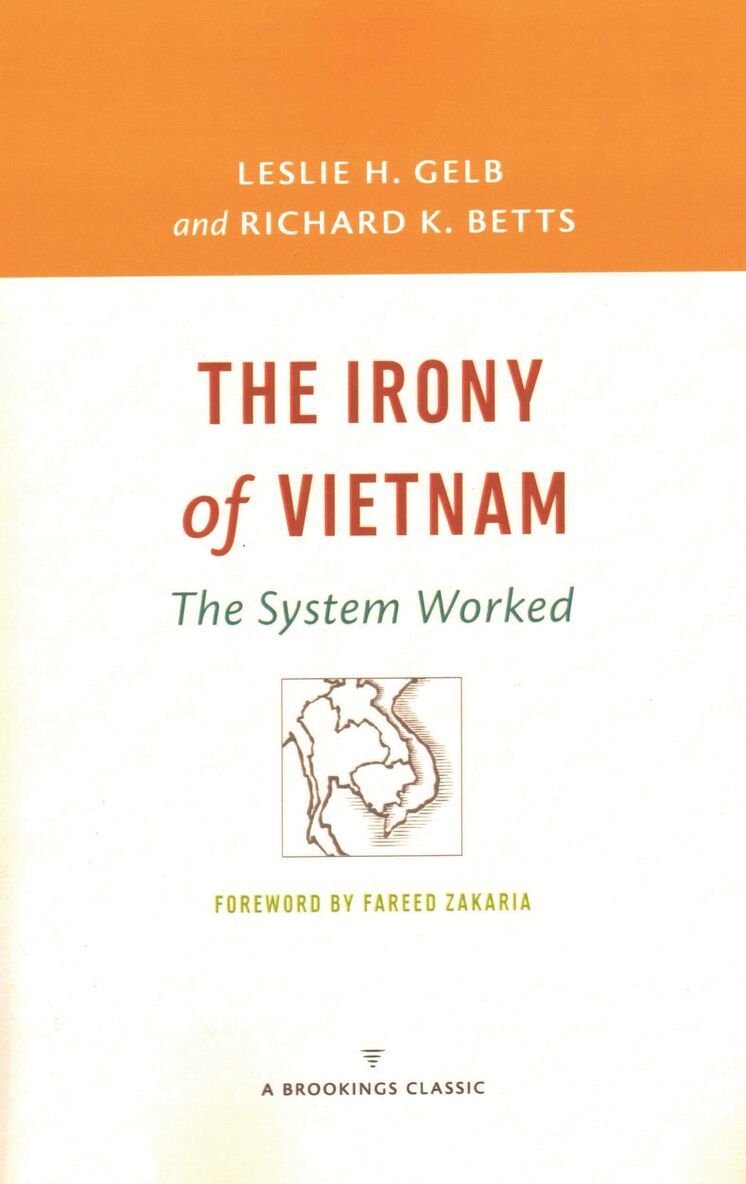
Irony of Vietnam
The System Worked
Av Leslie H. Gelb, Richard K. Betts
Häftad, 2016
327 kr
Lägg i varukorg
""If a historian were allowed but one book on the American involvement in Vietnam, this would be it."" Foreign Affairs When first published in 1979, four years after the end of one of the most divisive conflicts in the United States, The Irony of Vietnam raised eyebrows. Most students of the war …
Irony of Vietnam
The System Worked
Av Leslie H. Gelb, Richard K. Betts
E-bok, 2016
353 kr
Lägg i varukorg
""If a historian were allowed but one book on the American involvement in Vietnam, this would be it."" Foreign Affairs When first published in 1979, four years after the end of one of the most divisive conflicts in the United States, The Irony of Vietnam raised eyebrows. Most students of the war …
Irony of Vietnam
The System Worked
Av Richard K. Betts, Leslie H. Gelb
E-bok, 2016
302 kr
Lägg i varukorg
"If a historian were allowed but one book on the American involvement in Vietnam, this would be it." — Foreign Affairs When first published in 1979, four years after the end of one of the most divisive conflicts in the United States, The Irony of Vietnam raised eyebrows. Most students of the war …
Paradoxes of Strategic Intelligence
Essays in Honor of Michael I. Handel
Av Thomas Mahnken, Richard K. Betts
E-bok, 2004
1195 kr
Lägg i varukorg
Part of a three part collection in honour of the teachings of Michael I. Handel, one of the foremost strategists of the late 20th century, this collection explores the paradoxes of intelligence analysis, surprise and deception from both historical and theoretical perspectives.
Paradoxes of Strategic Intelligence
Essays in Honor of Michael I. Handel
Av Thomas Mahnken, Richard K. Betts
E-bok, 2004
1169 kr
Lägg i varukorg
Part of a three part collection in honour of the teachings of Michael I. Handel, one of the foremost strategists of the late 20th century, this collection explores the paradoxes of intelligence analysis, surprise and deception from both historical and theoretical perspectives.