Richard N. Haass – författare
Visar alla böcker från författaren Richard N. Haass. Handla med fri frakt och snabb leverans.
14 produkter
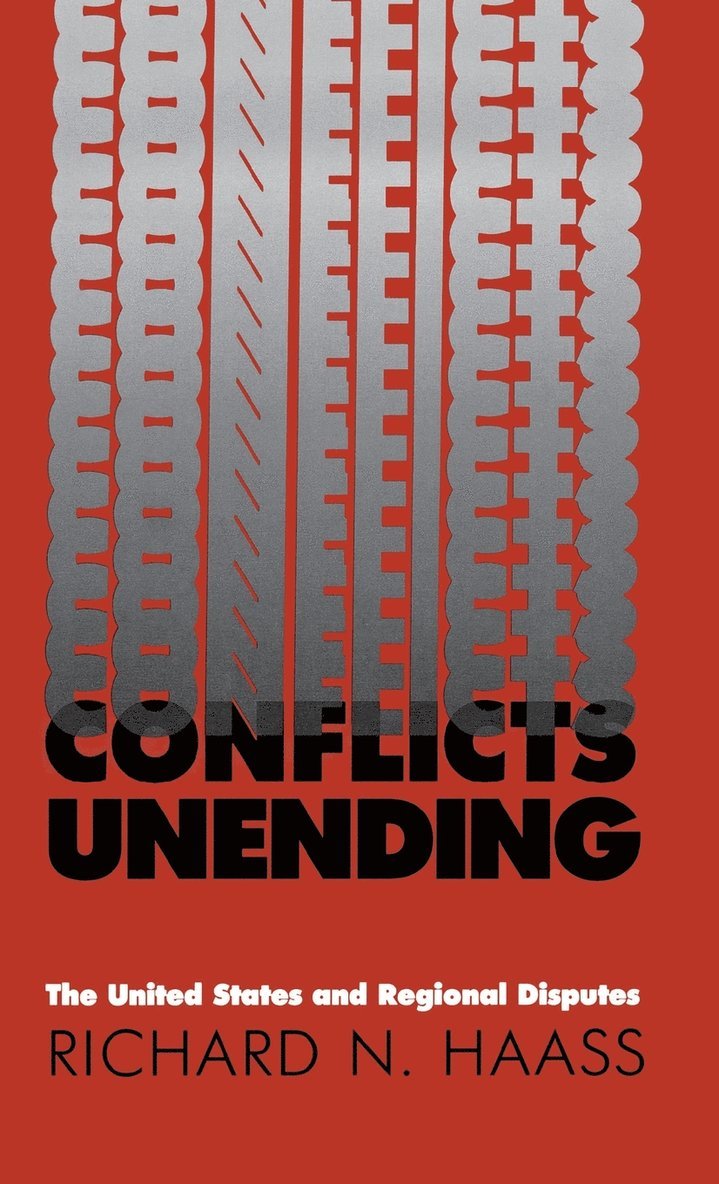
Conflicts Unending
The United States and Regional Disputes
Inbunden, 1990
931 kr
Lägg i varukorg
Some international conflicts can be solved while others defy solution. Haass argues that for diplomatic efforts to succeed, conditions must be ripe for diplomacy. He studies conflicts in the Middle East, Cyprus and the Aegean, the Indian subcontinent, South Africa and Northern Ireland.
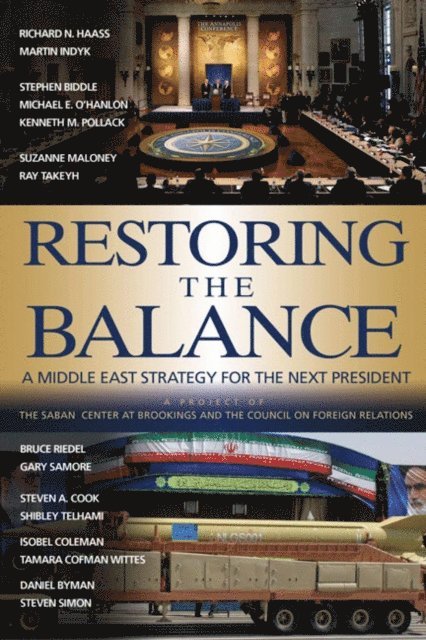
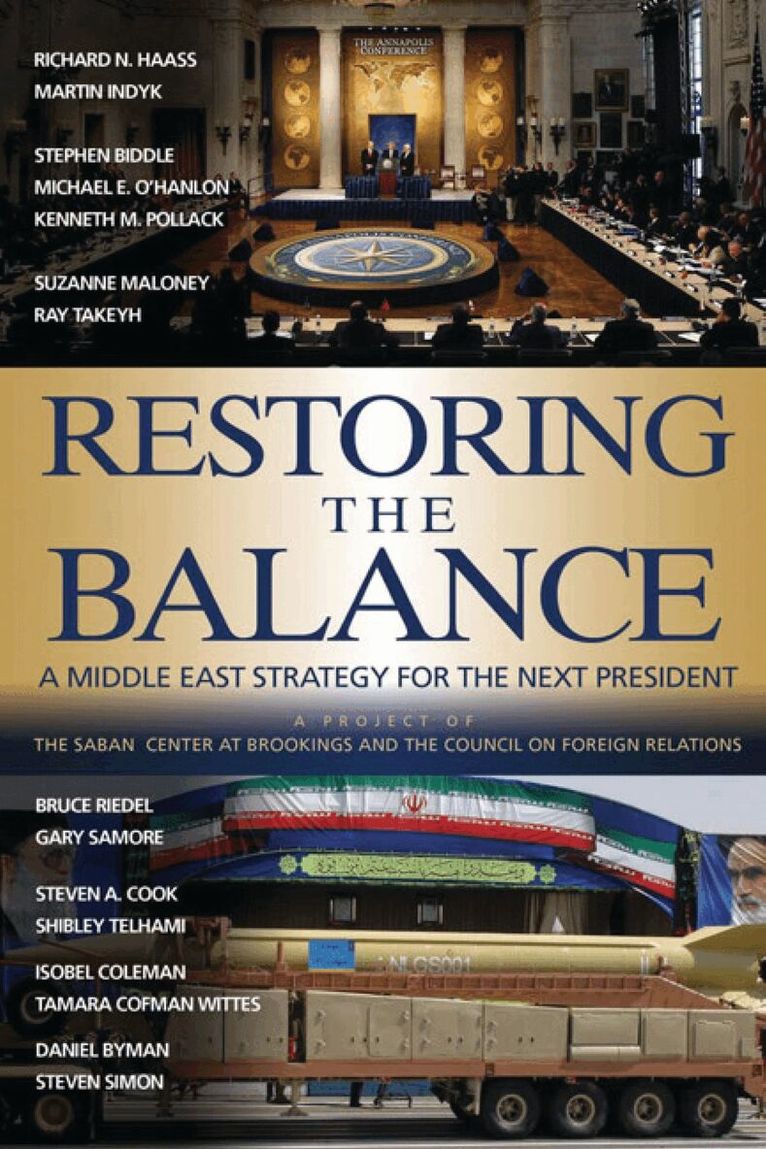
Restoring the Balance
A Middle East Strategy for the Next President
Av Richard N. Haass, Martin S. Indyk
E-bok, 2009
405 kr
Lägg i varukorg
The next U.S. president will need to pursue a new strategic framework for advancing American interests in the Middle East. The mounting challenges include sectarian conflict in Iraq, Iran's pursuit of nuclear capabilities, failing Palestinian and Lebanese governments, a dormant peace process, and …
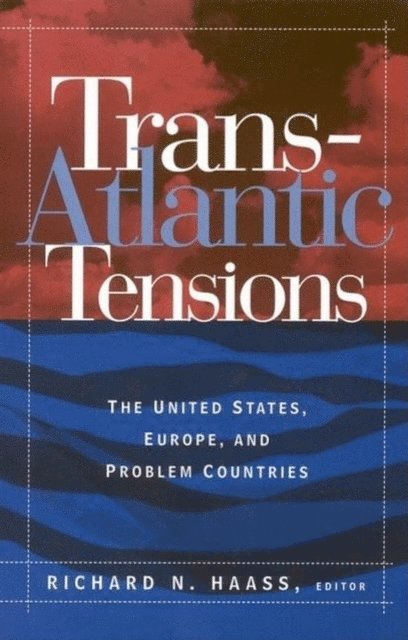
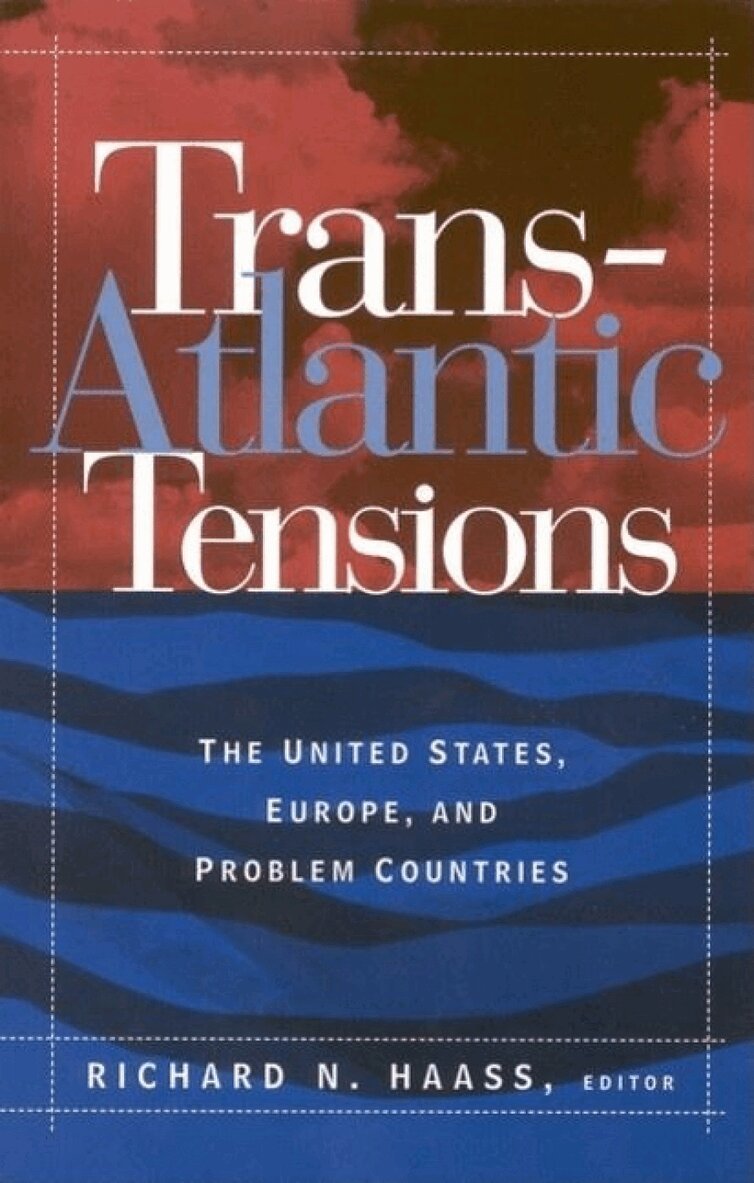
Trans-Atlantic Tensions
The United States, Europe, and Problem Countries
E-bok, 2010
302 kr
Lägg i varukorg
Americans and Europeans are divided by more than an ocean when it comes to designing and carrying out policies toward countries that repress human rights, develop weapons of mass destruction, and/or support terrorism and subversion. Accounting for this divide are distinct interests, domestic …
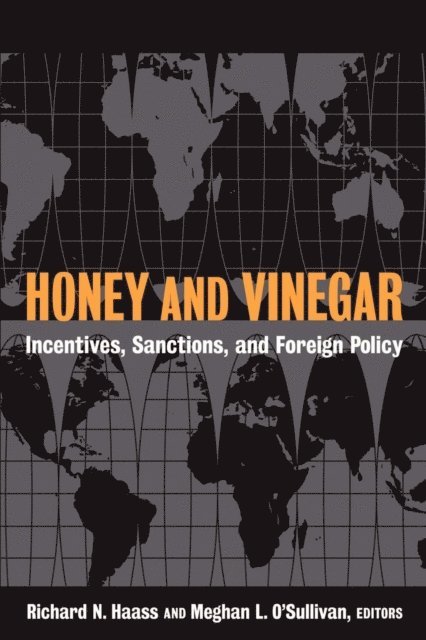
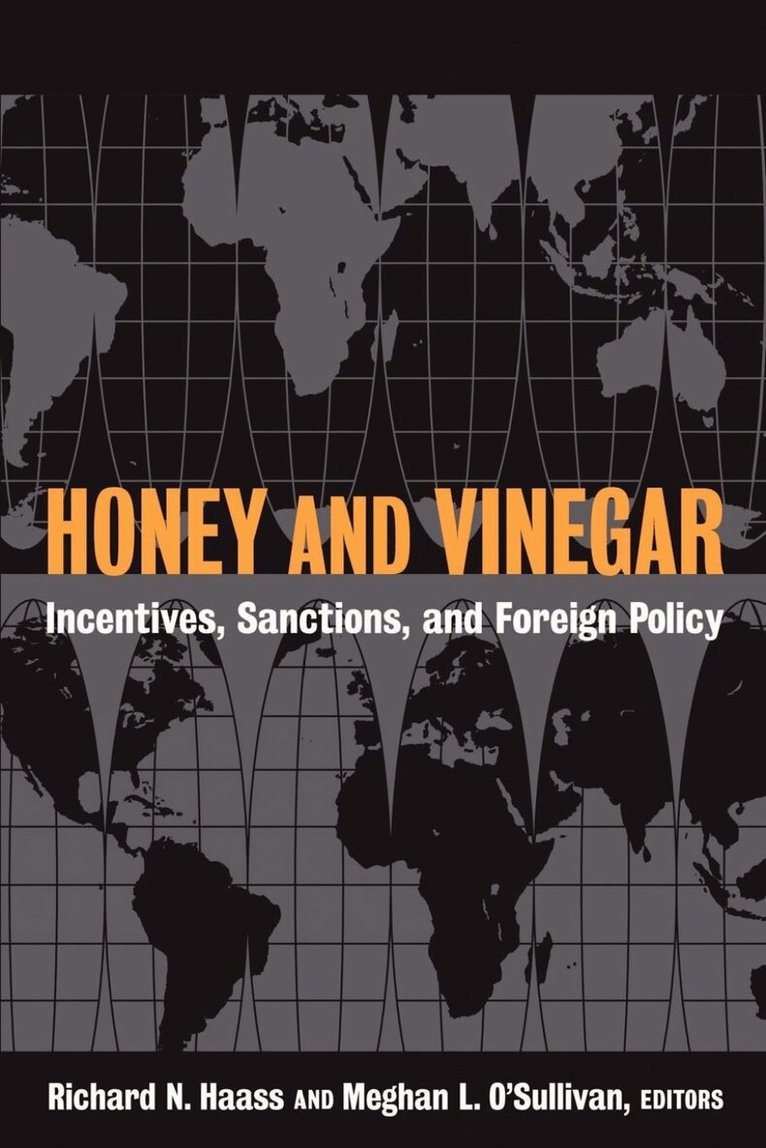
Honey and Vinegar
Incentives, Sanctions, and Foreign Policy
Av Richard N. Haass, Meghan L. O'Sullivan
E-bok, 2001
312 kr
Lägg i varukorg
Buttressed by input from scholars, diplomats, and observers with an intimate knowledge of U.S. foreign policy, Honey and Vinegar examines ""engagement""strategies that primarily involve the use of positive incentives. The book contends that although engagement has received little scrutiny relative …
Trans-Atlantic Tensions
The United States, Europe, and Problem Countries
Häftad, 1999
289 kr
Lägg i varukorg
Americans and Europeans are divided by more than an ocean when it comes to designing and carrying out policies toward countries that repress human rights, develop weapons of mass destruction, and/or support terrorism and subversion. Accounting for this divide are distinct interests, domestic …
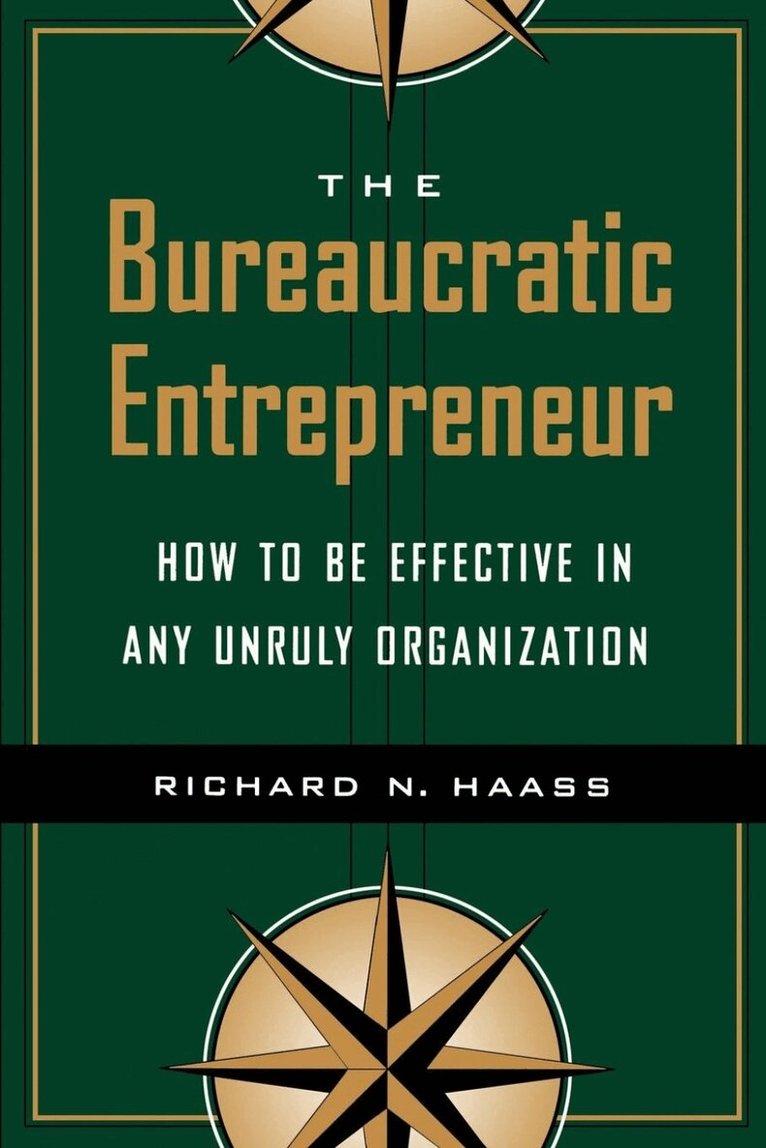
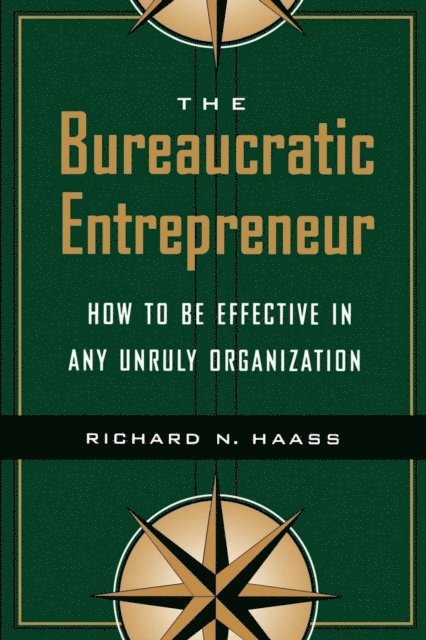
Bureaucratic Entrepreneur
How to Be Effective in Any Unruly Organization
Häftad, 1999
312 kr
Lägg i varukorg
How do you figure out what to do in a job? How do you get it done? How should you deal with demanding bosses? How can you get the most out of subordinates? What should you do to get along with difficult colleagues and handle powerful interest groups and the media? Just how can you succeed in a …
Honey and Vinegar
Incentives, Sanctions, and Foreign Policy
Av Richard N. Haass, Meghan L. O'Sullivan
Häftad, 2000
289 kr
Lägg i varukorg
Buttressed by input from scholars, diplomats, and observers with an intimate knowledge of U.S. foreign policy, Honey and Vinegar examines ""engagement""strategies that primarily involve the use of positive incentives. The book contends that although engagement has received little scrutiny relative …
Restoring the Balance
A Middle East Strategy for the Next President
Av Richard N. Haass, Martin S. Indyk
Häftad, 2008
374 kr
Lägg i varukorg
The next U.S. president will need to pursue a new strategic framework for advancing American interests in the Middle East. The mounting challenges include sectarian conflict in Iraq, Iran's pursuit of nuclear capabilities, failing Palestinian and Lebanese governments, a dormant peace process, and …
Bureaucratic Entrepreneur
How to be Effective in Any Unruly Organization
E-bok, 1999
337 kr
Lägg i varukorg
How do you figure out what to do in a job? How do you get it done? How should you deal with demanding bosses? How can you get the most out of subordinates? What should you do to get along with difficult colleagues and handle powerful interest groups and the media? Just how can you succeed in a …
Intervention
The Use of American Military Force in the Post-Cold War World
Häftad, 2022
285 kr
Lägg i varukorg
Economic Sanctions and American Diplomacy
Av Richard N. Haass, Richard N. Haass
Häftad, 1998
244 kr
Lägg i varukorg
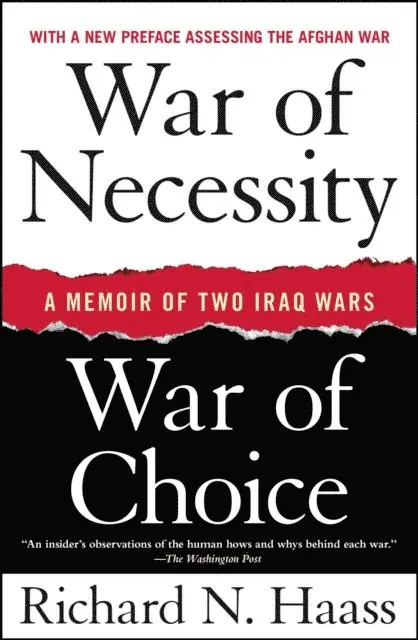
War of Necessity, War of Choice
A Memoir of Two Iraq Wars
Häftad, 2010
242 kr
Lägg i varukorg
Richard Haass, a member of the National Security Council staff in the George H. W. Bush administration and the State Department director of policy planning for George W. Bush, reviews the causes and strategies of the first and second Iraq wars while providing a thoughtful examination of the means …
War of Necessity, War of Choice
A Memoir of Two Iraq Wars
E-bok, 2009
213 kr
Lägg i varukorg
Richard Haass, a member of the National Security Council staff in the George H. W. Bush administration and the State Department director of policy planning for George W. Bush, reviews the causes and strategies of the first and second Iraq wars while providing a thoughtful examination of the means …
Beyond the INF Treaty
Arms, Arms Control and the Atlantic Alliance
Inbunden, 1988
406 kr
Tillfälligt slut
With the signing of the intermediate-range nuclear forces (INF) treaty in December 1987, a chapter in NATO history came to an end. This agreement eliminated an entire class of nuclear weapons from Europe. This volume analyzes the possible repercussions of the INF treaty in the context of NATO's …