
Richard O. Clemmer – författare
Visar alla böcker från författaren Richard O. Clemmer. Handla med fri frakt och snabb leverans.
3 produkter
3 produkter
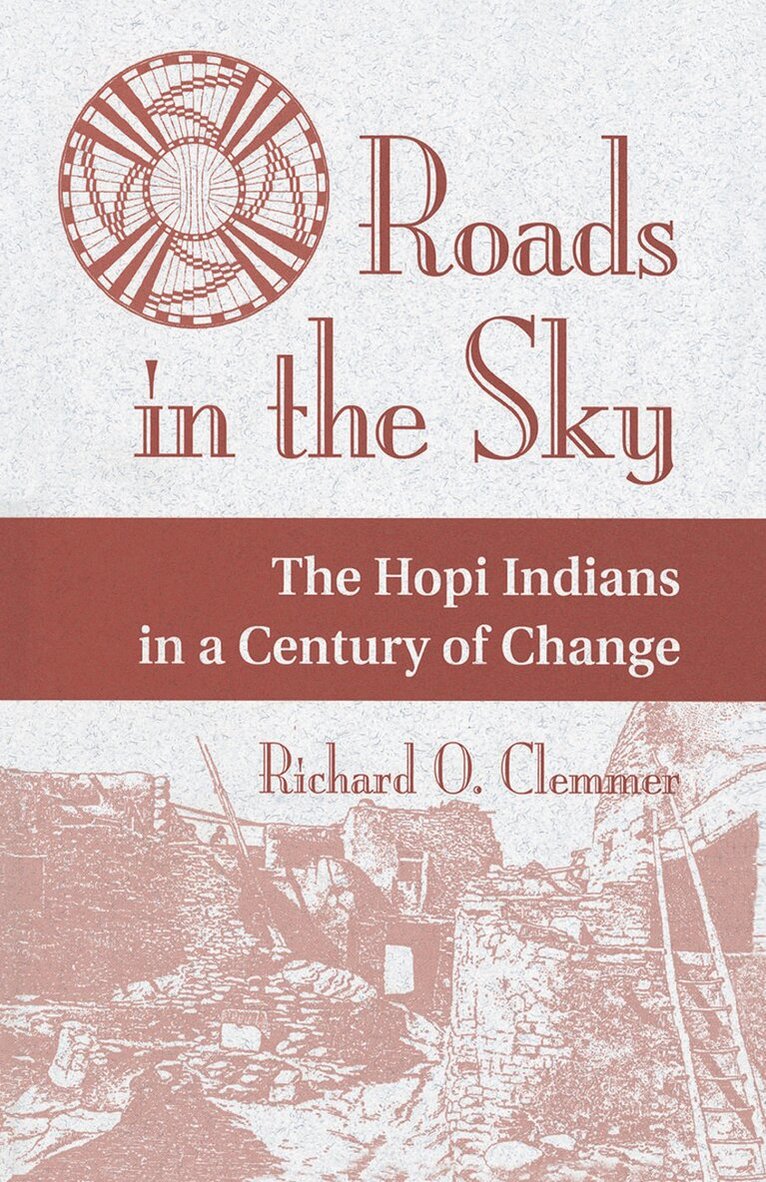
2 133 kr
Skickas inom 10-15 vardagar
Despite 100 years with the dominant American culture, Hopi culture today maintains continuity with its aboriginal roots while reflecting the impact of the 20th century.A compelling study of ?fourth worlders? coping with a powerful nation-state, this book depicts Hopi social organization, economy, religion, and politics as well as key events in the
777 kr
Skickas inom 10-15 vardagar
Despite 100 years with the dominant American culture, Hopi culture today maintains continuity with its aboriginal roots while reflecting the impact of the 20th century.A compelling study of ?fourth worlders? coping with a powerful nation-state, this book depicts Hopi social organization, economy, religion, and politics as well as key events in the history of Hopi-U.S. relations.Hopis have used their culture and their sociopolitical structures to deal with change. Clemmer focuses on six major events in Hopi history: a factionalist schism that split the largest Hopi village, Oraibi, into 3 villages; the impact of the federal Indian Reorganization Act of 1934; the rise of a political movement known as ?traditionalism''; the story behind far-reaching oil and coal leases of the 1960s; the Hopi-Navajo land dispute; and the disappearance of ceremonial objects into private collections and museums.
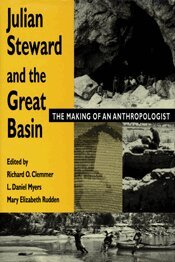
262 kr
Skickas inom 5-8 vardagar
Julian Steward and the Great Basin is a critical assessment of Steward’s work, the factors that influenced him, and his deep effect on American anthropology. Steward (1902–1972) was one of the foremost American exponents of cultural ecology, the idea that societies evolve in adaptation to their human and natural environments. He was also central in shaping basic anthropological constructs such as "hunter-gatherer" and "adaptation." But his fieldwork took place almost entirely in the Great Basin.In one sense, the phases of Steward’s career epitomize the successive schools of anthropological theory and practice. Each chapter explores a different aspect of his work ranging from early efforts at documenting trait distributions to his later role in the development of social transformation theory, area studies, and applied anthropology.Julian Steward and the Great Basin also corrects long-standing misperceptions that originated with Steward about lifeways of the Indians living between the Great Plains and California. It charts new directions for research, demanding a more exacting study of environmental conditions, material adaptations, and organizational responses, as well as an appreciation of the ideological and humanistic dimensions of Basin Life.