Richard S. Kay – författare
Visar alla böcker från författaren Richard S. Kay. Handla med fri frakt och snabb leverans.
4 produkter
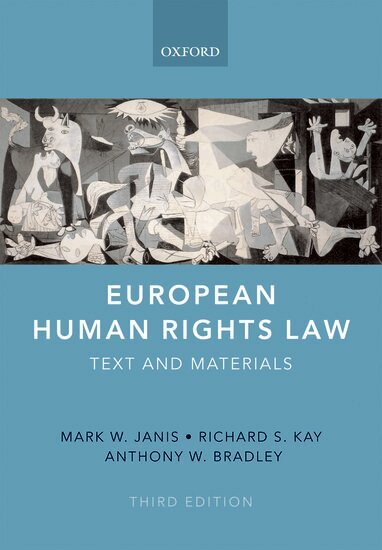
European Human Rights Law
Text and Materials
Av Mark W. Janis, Richard S. Kay m. fl.
Häftad, 2008
5,0 utav 5 stjärnor. Totalt antal röster: (1)
879 kr
Lägg i varukorg
The third edition of European Human Rights Law: Text and Materials has been substantially expanded to provide a complete review of the wide range of rights the Convention protects, with new chapters on the right to life, property, discrimination, religious freedom, and education. The book …
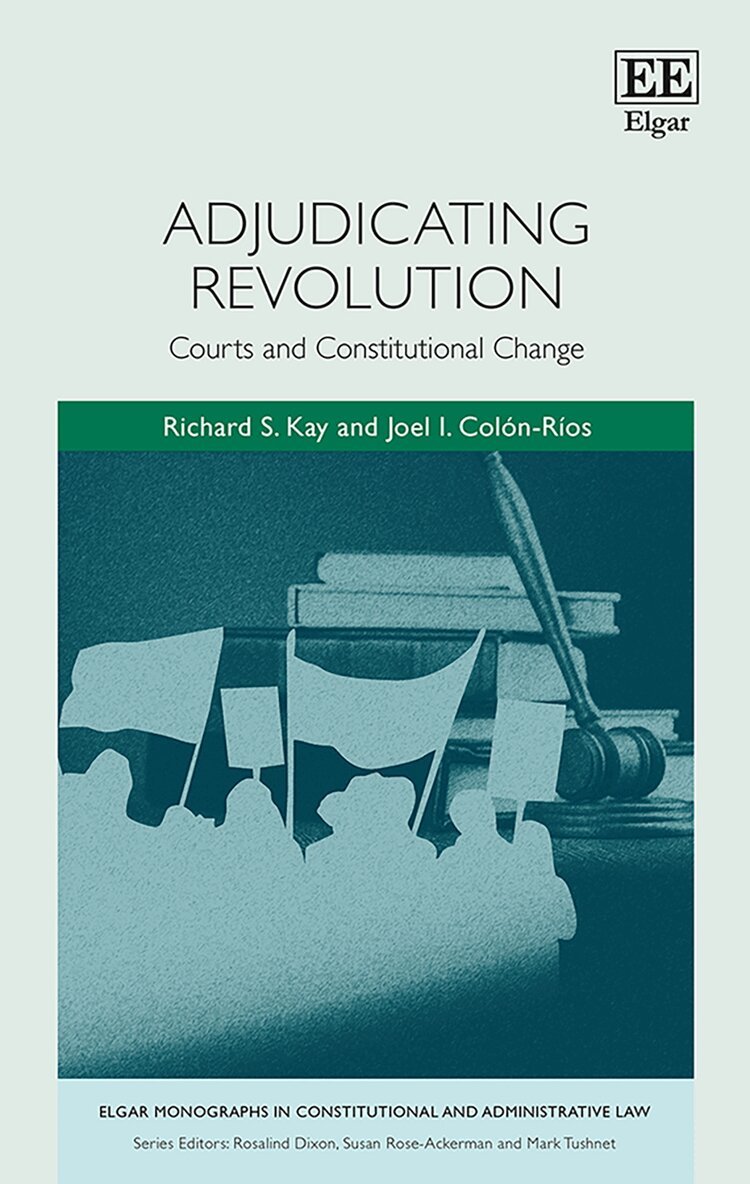
Adjudicating Revolution
Courts and Constitutional Change
Av Richard S. Kay, Joel I. Colón-Ríos
Inbunden, 2022
1654 kr
Lägg i varukorg
Lawyers usually describe a revolution as a change in a constitutional order not authorized by law. From this perspective, to speak of a ‘lawful’ or an ‘unlawful’ revolution would seem to involve a category mistake. However, since at least the 19th century, courts in many jurisdictions have had to …
Adjudicating Revolution
Courts and Constitutional Change
Av Joel I. Colon-Rios, Richard S. Kay
E-bok, 2022
422 kr
Lägg i varukorg
Lawyers usually describe a revolution as a change in a constitutional order not authorized by law. From this perspective, to speak of a ‘lawful’ or an ‘unlawful’ revolution would seem to involve a category mistake. However, since at least the 19th century, courts in many jurisdictions have had to …