Richard Stott – författare
Visar alla böcker från författaren Richard Stott. Handla med fri frakt och snabb leverans.
4 produkter
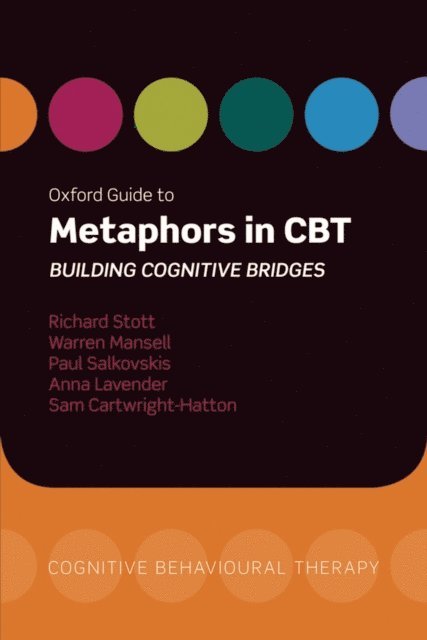
Oxford Guide to Metaphors in CBT
Building Cognitive Bridges
Av Sam Cartwright-Hatton, Anna Lavender m. fl.
E-bok, 2010
655 kr
Lägg i varukorg
The business of cognitive therapy is to transform meanings. What better way to achieve this than through a metaphor? Metaphors straddle two different domains at once, providing a conceptual bridge from a problematic interpretation to a fresh new perspective that can cast one''s experiences in a new …
Oxford Guide to Metaphors in CBT
Building Cognitive Bridges
Av Sam Cartwright-Hatton, Anna Lavender m. fl.
E-bok, 2010
655 kr
Lägg i varukorg
The business of cognitive therapy is to transform meanings. What better way to achieve this than through a metaphor? Metaphors straddle two different domains at once, providing a conceptual bridge from a problematic interpretation to a fresh new perspective that can cast one''s experiences in a new …
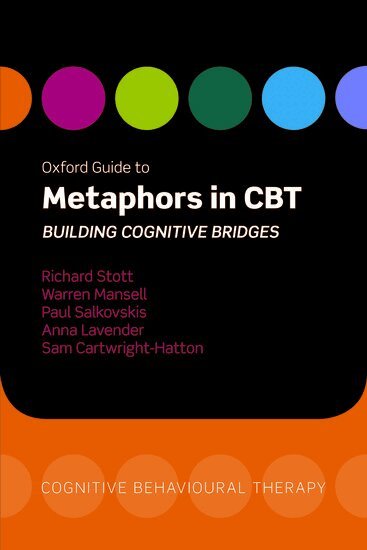
Oxford Guide to Metaphors in CBT
Building Cognitive Bridges
Av Richard Stott, Warren Mansell m. fl.
Häftad, 2010
983 kr
Lägg i varukorg
The business of cognitive therapy is to transform meanings. What better way to achieve this than through a metaphor? Metaphors straddle two different domains at once, providing a conceptual bridge from a problematic interpretation to a fresh new perspective that can cast one's experiences in a new …
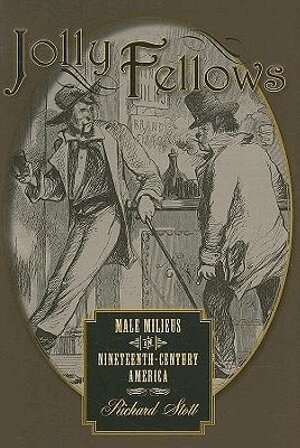
Jolly Fellows
Male Milieus in Nineteenth-Century America
Inbunden, 2009
604 kr
Tillfälligt slut
"Jolly fellows," a term that gained currency in the nineteenth century, referred to those men whose more colorful antics included brawling, heavy drinking, gambling, and playing pranks. Reforms, especially the temperance movement, stigmatized such behavior, but pockets of jolly fellowship continued …