Richard van Oort - Böcker
Visar alla böcker från författaren Richard van Oort. Handla med fri frakt och snabb leverans.
4 produkter
4 produkter
2 410 kr
Skickas inom 10-15 vardagar
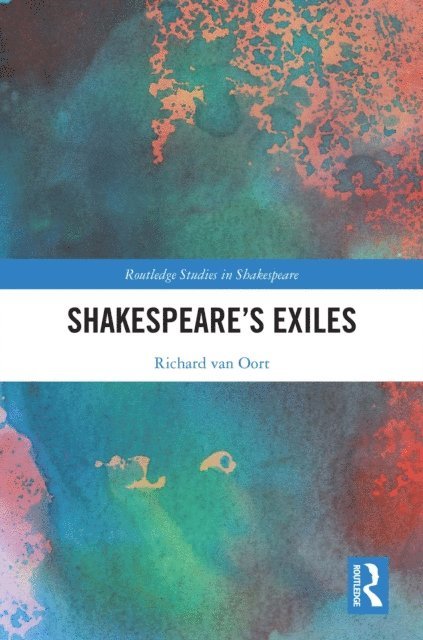
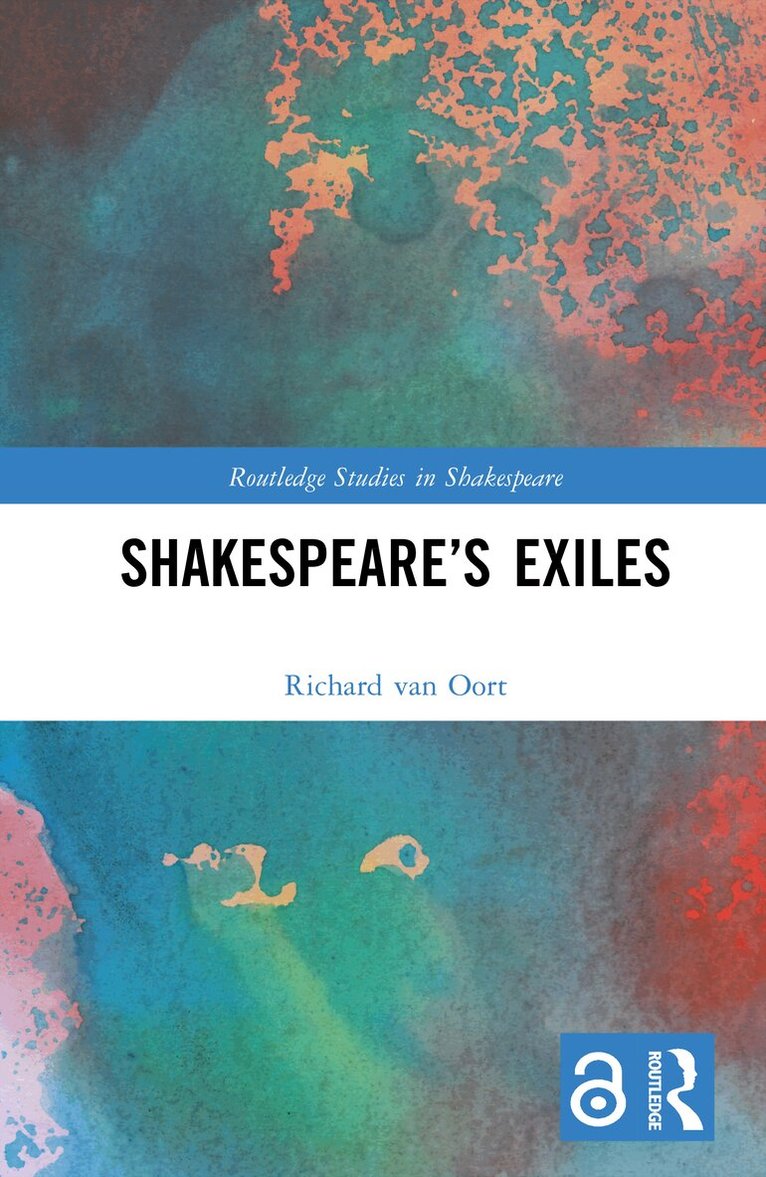
Why are human societies hierarchical? How did centralized political authority originate? Anthropologists tell us that foraging societies are egalitarian compared to their agrarian and industrial successors. So what prompted our foraging ancestors to submit to the authority of big men, chiefs, and kings? And how did the big man once installed in the center maintain his authority in the face of the resentment mobilized against him? Shakespeare’s Exiles addresses these fundamental ethical, political, and anthropological questions by looking at two of Shakespeare’s most eccentric big men. Why does Timon, the once-legendary host of Athens, refuse to return to his beloved city? And why does Prospero, the exiled Duke of Milan, promise to break his staff and throw his books into the deep blue sea? In this highly original and provocative book, Richard van Oort shows that Shakespeare is not just a dramatist but a philosopher, political scientist, and anthropologist too.
745 kr
Skickas inom 7-10 vardagar
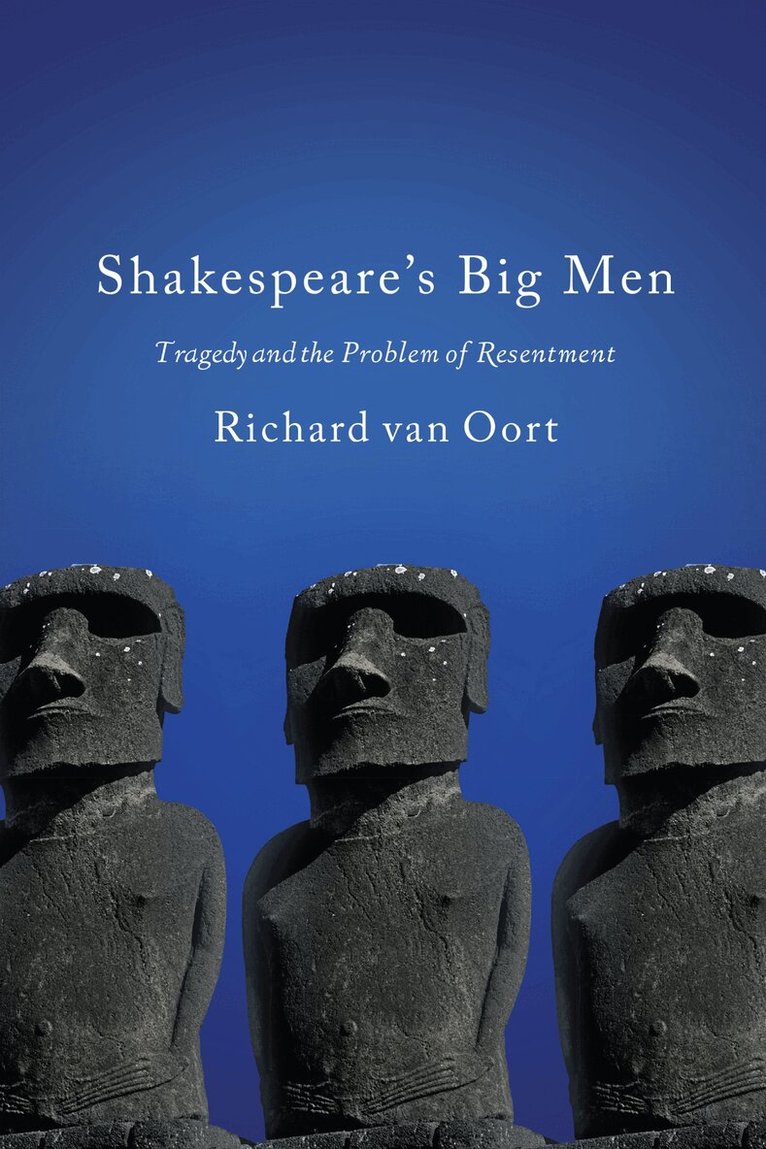
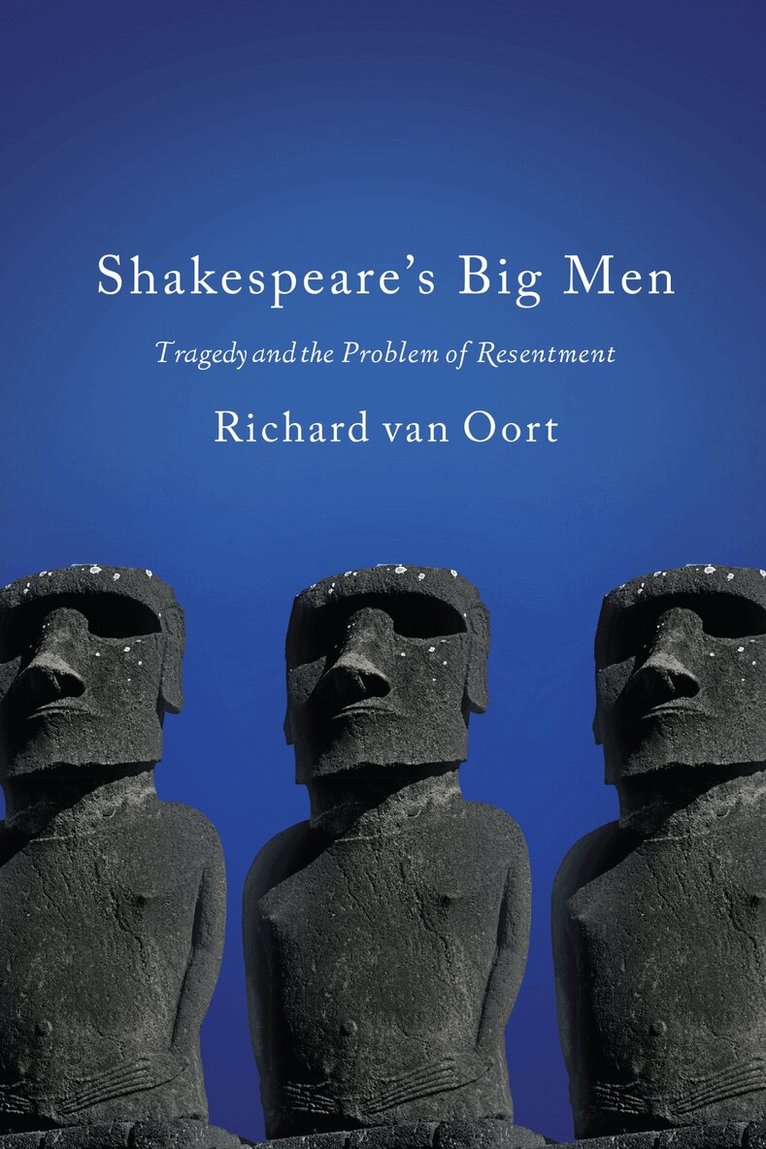
Shakespeare’s Big Men examines five Shakespearean tragedies – Julius Caesar, Hamlet, Othello, Macbeth, and Coriolanus – through the lens of generative anthropology and the insights of its founder, Eric Gans. Generative anthropology’s theory of the origins of human society explains the social function of tragedy: to defer our resentment against the “big men” who dominate society by letting us first identify with the tragic protagonist and his resentment, then allowing us to repudiate the protagonist’s resentful rage and achieve theatrical catharsis.Drawing on this hypothesis, Richard van Oort offers inspired readings of Shakespeare’s plays and their representations of desire, resentment, guilt, and evil. His analysis revives the universal spirit in Shakespearean criticism, illustrating how the plays can serve as a way to understand the ethical dilemma of resentment and discover within ourselves the nature of the human experience.
1 452 kr
Skickas inom 7-10 vardagar
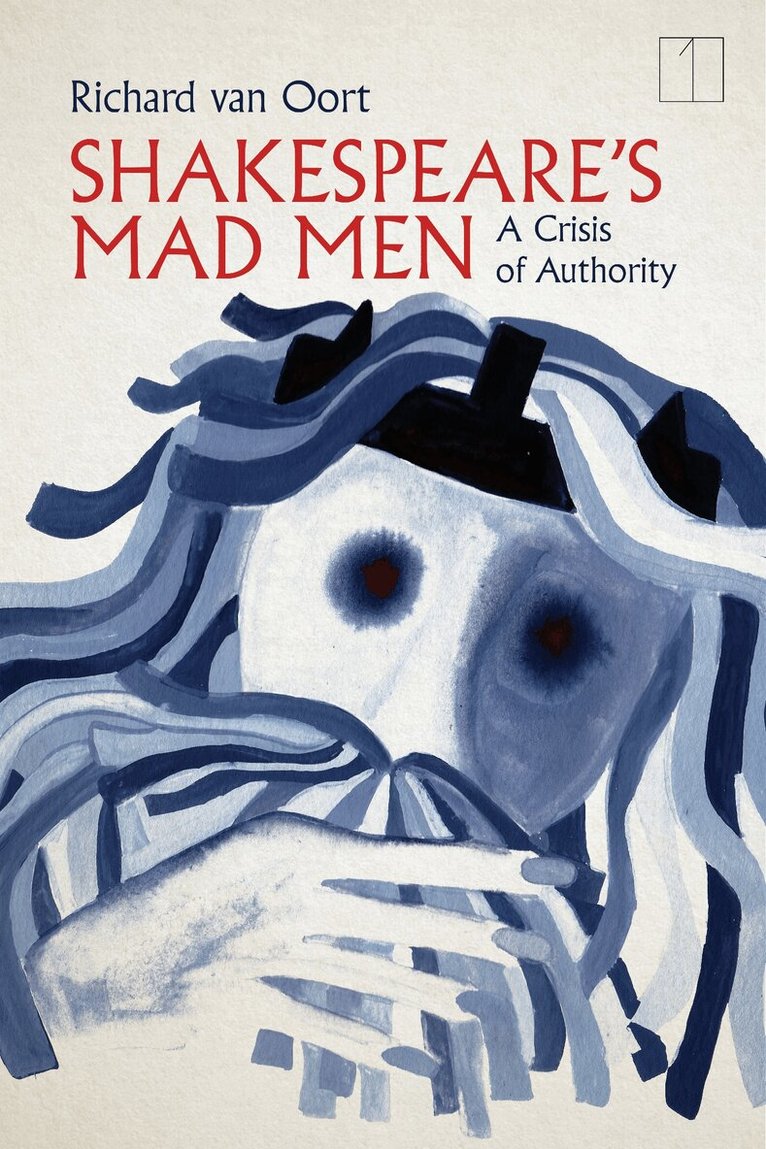
This book is about a mad king and a mad duke. With original and iconoclastic readings, Richard van Oort pioneers the reading of Shakespeare as an ethical thinker of the "originary scene," the scene in which humans became conscious of themselves as symbol-using moral and narrative beings. Taking King Lear and Measure for Measure as case studies, van Oort shows how the minimal concept of an anthropological scene of origin—the "originary hypothesis"—provides the basis for a new understanding of every aspect of the plays, from the psychology of the characters to the ethical and dialogical conflicts upon which the drama is based. The result is a gripping commentary on the plays. Why does Lear abdicate and go mad? Why does Edgar torture his father with non-recognition? Why does Lucio accuse the Duke in Measure for Measure of madness and lechery, and why does Isabella remain silent at the end? In approaching these and other questions from the perspective of the originary hypothesis, van Oort helps us to see the ethical predicament of the plays, and, in the process, makes Shakespeare new again.
354 kr
Skickas inom 7-10 vardagar
This book is about a mad king and a mad duke. With original and iconoclastic readings, Richard van Oort pioneers the reading of Shakespeare as an ethical thinker of the "originary scene," the scene in which humans became conscious of themselves as symbol-using moral and narrative beings. Taking King Lear and Measure for Measure as case studies, van Oort shows how the minimal concept of an anthropological scene of origin—the "originary hypothesis"—provides the basis for a new understanding of every aspect of the plays, from the psychology of the characters to the ethical and dialogical conflicts upon which the drama is based. The result is a gripping commentary on the plays. Why does Lear abdicate and go mad? Why does Edgar torture his father with non-recognition? Why does Lucio accuse the Duke in Measure for Measure of madness and lechery, and why does Isabella remain silent at the end? In approaching these and other questions from the perspective of the originary hypothesis, van Oort helps us to see the ethical predicament of the plays, and, in the process, makes Shakespeare new again.