Richard Wrangham – författare
Visar alla böcker från författaren Richard Wrangham. Handla med fri frakt och snabb leverans.
13 produkter
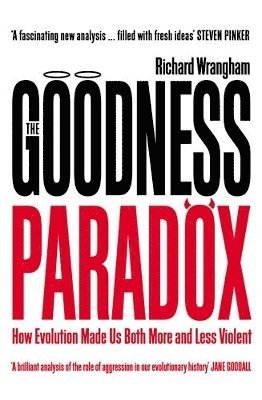
Goodness Paradox
How Evolution Made Us Both More and Less Violent
Häftad, 2020
178 kr
Lägg i varukorg
'A fascinating new analysis of human violence, filled with fresh ideas and gripping evidence from our primate cousins, historical forebears, and contemporary neighbors' Steven Pinker'A brilliant analysis of the role of aggression in our evolutionary history' Jane GoodallIt may not always seem so, …
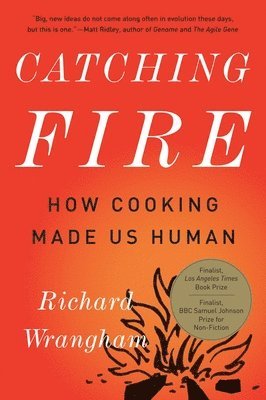
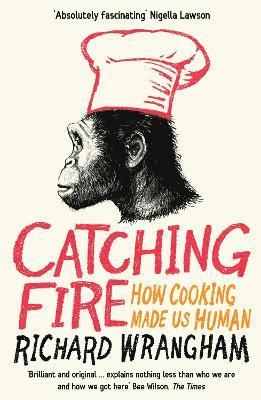
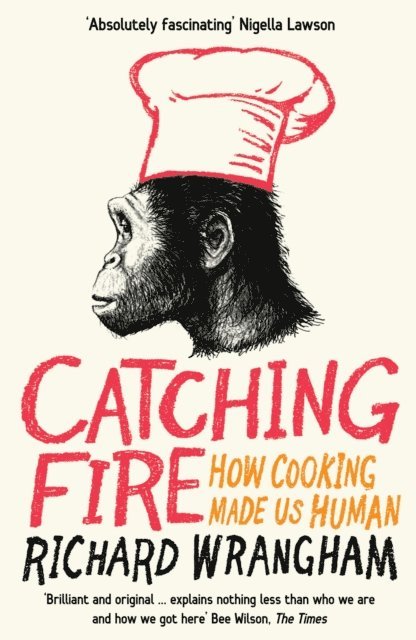
Catching Fire: How Cooking Made Us Human
Häftad, 2010
5,0 utav 5 stjärnor. Totalt antal röster: (1)
353 kr
Lägg i varukorg
On political order and the future of democracy
Av Ali Ansari, Gerard Baker m. fl.
Inbunden, 2027
218 kr
Kommande
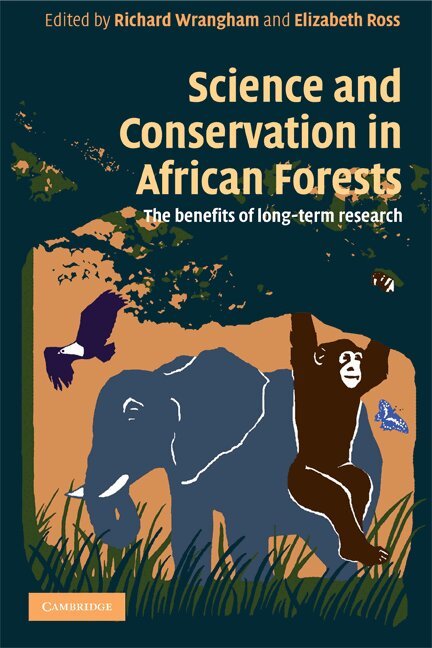
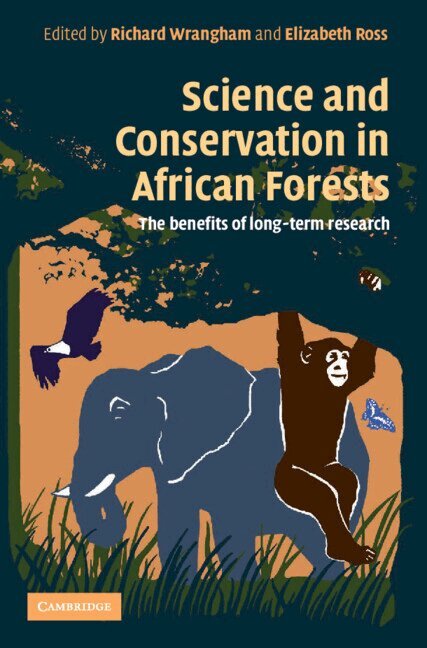
Science and Conservation in African Forests
The Benefits of Longterm Research
Av Richard Wrangham, Elizabeth Ross
Häftad, 2008
878 kr
Lägg i varukorg
Forests need apes as much as the apes need the forests. They are the gardeners of the forest - keystone species in the ecology of African and Southeast Asian forests, dispersing seeds, creating light gaps and pruning branch-tips whilst feeding. Their habitat comprises two of the planet's three …
Science and Conservation in African Forests
The Benefits of Longterm Research
Av Richard Wrangham, Elizabeth Ross
Inbunden, 2008
1563 kr
Lägg i varukorg
Forests need apes as much as the apes need the forests. They are the gardeners of the forest - keystone species in the ecology of African and Southeast Asian forests, dispersing seeds, creating light gaps and pruning branch-tips whilst feeding. Their habitat comprises two of the planet's three …
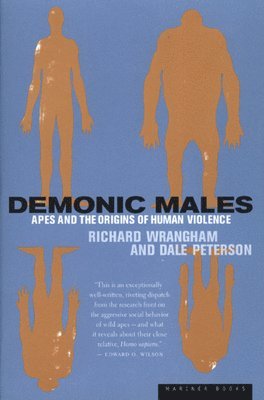
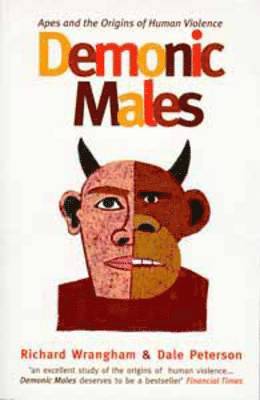
Demonic Males
Av Richard Wrangham, Dale Peterson
Häftad, 1997
203 kr
Lägg i varukorg
This study is an analysis of the roots of human savagery, dealing with the fundamental questions of why the majority of violence is perpetrated by men, whether this is a matter of nature or nurture and whether anything can be done about it. The book provides some surprising answers, based on …
Goodness Paradox
The Strange Relationship Between Virtue and Violence in Human Evolution
E-bok, 2019
173 kr
Lägg i varukorg
“A fascinating new analysis of human violence, filled with fresh ideas and gripping evidence from our primate cousins, historical forebears, and contemporary neighbors.” —Steven Pinker, author of The Better Angels of Our Nature We Homo sapiens can be the nicest of species and also the nastiest. …
Catching Fire
How Cooking Made Us Human
Häftad, 2010
145 kr
Lägg i varukorg
In this stunningly original book, Richard Wrangham argues that it was cooking that caused the extraordinary transformation of our ancestors from apelike beings to Homo erectus. At the heart of Catching Fire lies an explosive new idea: the habit of eating cooked rather than raw food permitted the …
Catching Fire
How Cooking Made Us Human
E-bok, 2010
154 kr
Lägg i varukorg
In this stunningly original book, Richard Wrangham argues that it was cooking that caused the extraordinary transformation of our ancestors from apelike beings to Homo erectus. At the heart of Catching Fire lies an explosive new idea: the habit of eating cooked rather than raw food permitted the …
Goodness Paradox
How Evolution Made Us Both More and Less Violent
E-bok, 2019
157 kr
Lägg i varukorg
''A fascinating new analysis of human violence, filled with fresh ideas and gripping evidence from our primate cousins, historical forebears, and contemporary neighbors'' Steven Pinker''A brilliant analysis of the role of aggression in our evolutionary history'' Jane GoodallIt may not always seem …
Paradoxul Bunatatii
E-bok, 2021
79 kr
Lägg i varukorg
„O nouă analiză fascinantă a violenței umane, plină de idei noi și de dovezi palpitante de la verii noștri primate, strămoșii istorici și vecinii contemporani.“ Steven Pinker, autor al The Better Angels of Our Nature Noi, Homo sapiens, putem fi cea mai bună, dar și cea mai rea dintre specii. Ce s-a …
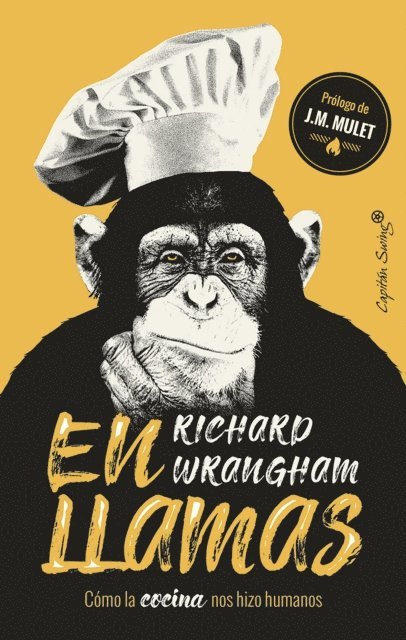
En llamas
E-bok, 2019
126 kr
Lägg i varukorg
Desde Darwin la evolución humana se ha atribuido a nuestra inteligencia y adaptabilidad. Pero en "En llamas", el renombrado primatólogo Richard Wrangham presenta una alternativa sorprendente: nuestro éxito evolutivo es el resultado de la cocina. El cambio de alimentos crudos a alimentos cocidos fue …