Ricia Anne Chansky - Böcker
Visar alla böcker från författaren Ricia Anne Chansky. Handla med fri frakt och snabb leverans.
3 produkter
3 produkter
496 kr
Skickas inom 10-15 vardagar
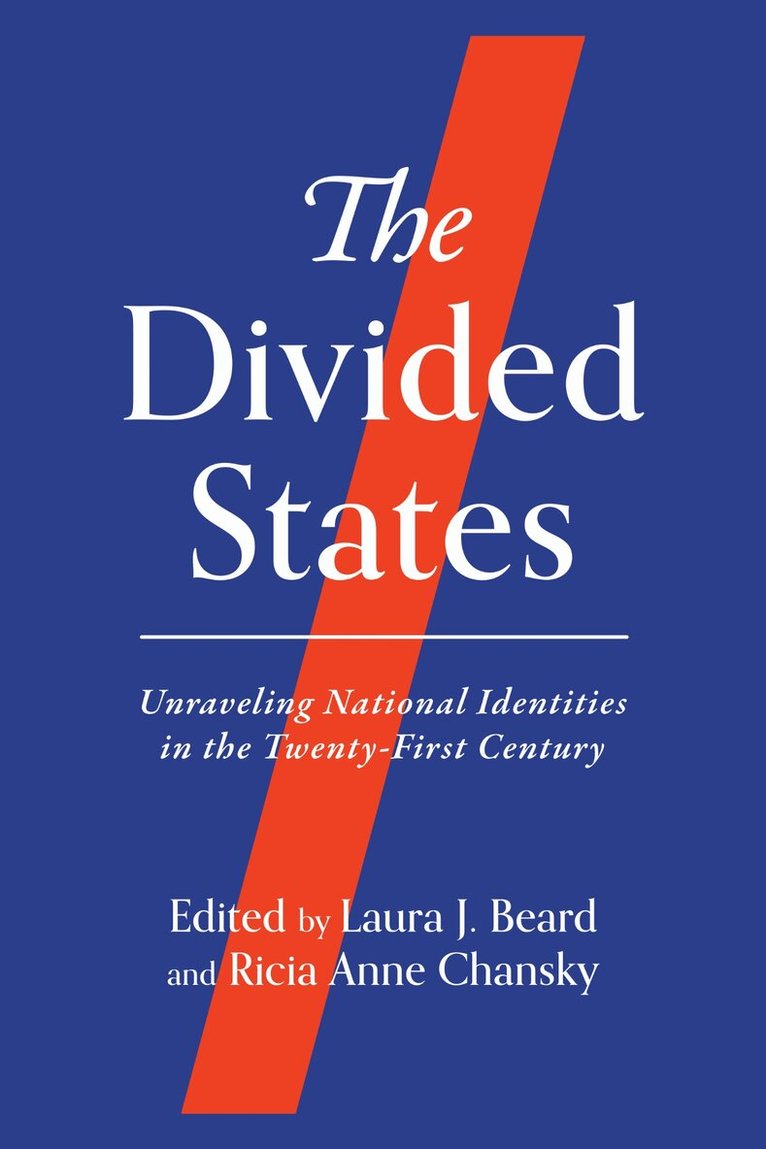
What is an “American” identity? The tension between populism and pluralism, between homogeneity and heterogeneity, has marked the United States since its inception. In The Divided States, leading scholars and critics argue that the US is, and has always been, a site where multiple national identities intersect in productive and challenging ways. Scrutinizing conflicting nationalisms and national identities, the authors ask, Whose stories get told and whose do not? Who or what promotes the idea of a unified national identity in the United States? How is the notion of a unified national identity disrupted? What myths and stories bind the US together? How representative are these stories? What are the counternarratives? And, if the idea of national homogeneity is a fallacy, what does tie us together as a nation?Working across auto/biography studies, American studies, and human geography—all of which deal with the current interest in competing narratives, “alternative facts,” and accountability—the essays engage in and contribute to critical conversations in classrooms, scholarship, and the public sphere. The authors draw from a variety of fields, including anthropology; class analysis; critical race theory; diasporic, refugee, and immigration studies; disability studies; gender studies; graphic and comix studies; Indigenous studies; linguistics; literary studies; sociology; and visual culture. And the genres under scrutiny include diary, epistolary communication, digital narratives, graphic narratives, literary narratives, medical narratives, memoir, oral history, and testimony.This fresh and theoretically engaged volume will be relevant to anyone interested in the multiplicity of voices that make up the US national narrative.
202 kr
Skickas inom 5-8 vardagar
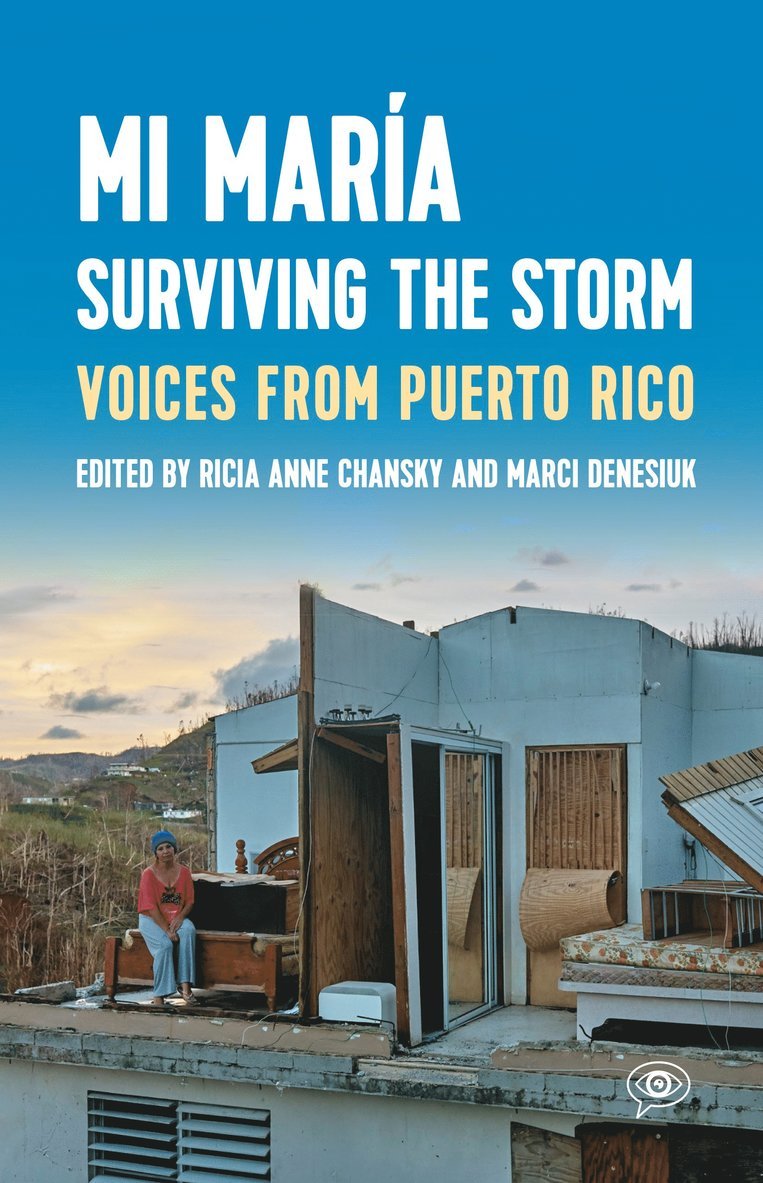
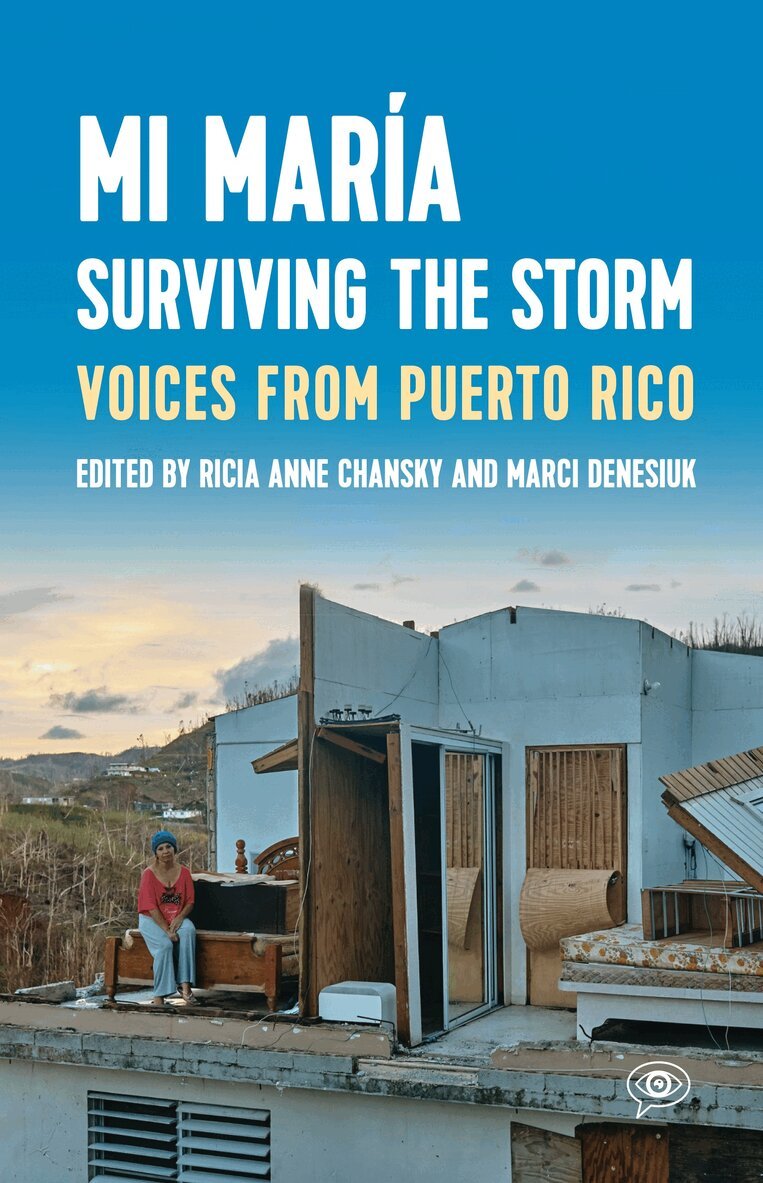
When Hurricane María made landfall in Puerto Rico in September 2017, it left no part of the archipelago unscathed. The hurricane triggered floods and mudslides, washed out roads, destroyed tens of thousands of homes, farms, and businesses, caused the largest blackout in US history, knocked out communications, led to widespread food, drinking water, and gasoline shortages, and caused thousands of deaths. The seventeen oral histories collected in Mi María: Surviving the Storm share stories of surviving the storm and its long aftermath as people waited for relief and aid that rarely arrived. Zaira and her husband floated on a patched air mattress for sixteen hours while floodwaters rose around them. The road washed out in front of Emmanuel as he desperately tried to drive his pregnant wife who had begun labor to the hospital. Luis and his father anxiously counted the days that the dialysis clinic remained closed and lifesaving treatment was unavailable, while Miliana’s mother was sent home from the hospital —undiagnosed— only to fall critically ill in her own home. Weaving together long-form oral histories and shorter testimonios, the book offers a multivocal peoples’ history of disaster that fosters a greater understanding of the failures of governmental disaster response and the correlating perseverance of the people impacted by these failures, highlighting the colonial relationship between Puerto Rico and the United States. Ultimately, the ways in which these oral histories demonstrate the strength of community response to disaster in Puerto Rico are pertinent to other parts of the world that are being impacted by our current climate emergency. Download the corresponding lesson plans on the Voice of Witness website.
368 kr
Skickas inom 5-8 vardagar
When Hurricane María made landfall in Puerto Rico in September 2017, it left no part of the archipelago unscathed. The hurricane triggered floods and mudslides, washed out roads, destroyed tens of thousands of homes, farms, and businesses, caused the largest blackout in US history, knocked out communications, led to widespread food, drinking water, and gasoline shortages, and caused thousands of deaths. The seventeen oral histories collected in Mi María: Surviving the Storm share stories of surviving the storm and its long aftermath as people waited for relief and aid that rarely arrived. Zaira and her husband floated on a patched air mattress for sixteen hours while floodwaters rose around them. The road washed out in front of Emmanuel as he desperately tried to drive his pregnant wife who had begun labor to the hospital. Luis and his father anxiously counted the days that the dialysis clinic remained closed and lifesaving treatment was unavailable, while Miliana’s mother was sent home from the hospital —undiagnosed— only to fall critically ill in her own home. Weaving together long-form oral histories and shorter testimonios, the book offers a multivocal peoples’ history of disaster that fosters a greater understanding of the failures of governmental disaster response and the correlating perseverance of the people impacted by these failures, highlighting the colonial relationship between Puerto Rico and the United States. Ultimately, the ways in which these oral histories demonstrate the strength of community response to disaster in Puerto Rico are pertinent to other parts of the world that are being impacted by our current climate emergency. Download the corresponding lesson plans on the Voice of Witness website.