Rick Bonus - Böcker
Visar alla böcker från författaren Rick Bonus. Handla med fri frakt och snabb leverans.
8 produkter
8 produkter
418 kr
Skickas inom 7-10 vardagar
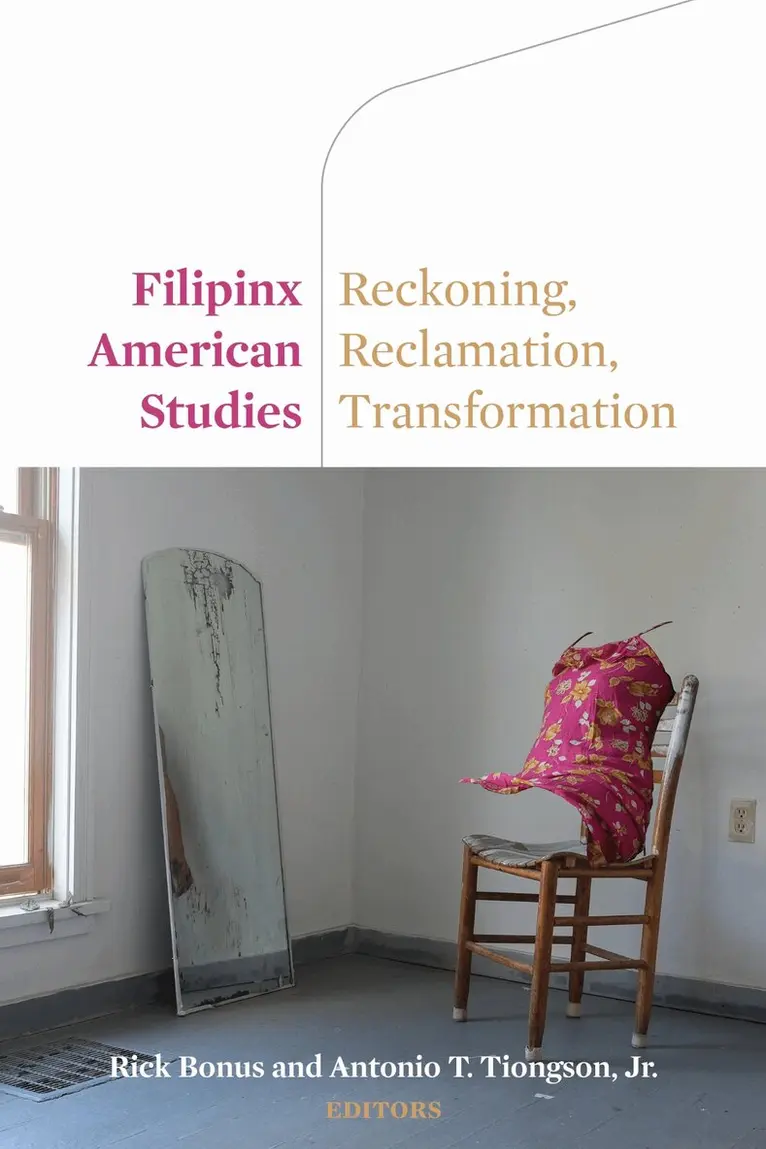
This volume spotlights the unique suitability and situatedness of Filipinx American studies both as a site for reckoning with the work of historicizing U.S. empire in all of its entanglements, as well as a location for reclaiming and theorizing the interlocking histories and contemporary trajectories of global capitalism, racism, sexism, and heteronormativity. It encompasses an interrogation of the foundational status of empire in the interdiscipline; modes of labor analysis and other forms of knowledge production; meaning-making in relation to language, identities, time, and space; the critical contours of Filipinx American schooling and political activism; the indispensability of relational thinking in Filipinx American studies; and the disruptive possibilities of Filipinx American formations. A catalogue of key resources and a selected list of scholarship are also provided. Filipinx American Studies constitutes a coming-to-terms with not only the potentials and possibilities but also the disavowals, silences, and omissions that mark Filipinx American studies. It provides a reflective and critical space for thinking through the ways Filipinx American studies is uniquely and especially suited to the interrogation of the ongoing legacies of U.S. imperialism and the urgencies of the current period.Contributors: Karin Aguilar-San Juan, Angelica J. Allen, Gina Apostol, Nerissa S. Balce, Joi Barrios-Leblanc, Victor Bascara, Jody Blanco, Alana Bock, Sony Coráñez Bolton, Lucy Mae San Pablo Burns, Richard T. Chu, Gary A. Colemnar, Kim Compoc, Denise Cruz, Reuben B. Deleon, Josen Masangkay Diaz, Robert Diaz, Kale Bantigue Fajardo, Theodore S. Gonzalves, Vernadette Vicuña Gonzalez, Anna Romina Guevara, Allan Punzalan Isaac, Martin F. Manalansan IV, Dina C. Maramba, Cynthia Marasigan, Edward Nadurata, JoAnna Poblete, Anthony Bayani Rodriguez, Dylan Rodríguez, Evelyn Ibatan Rodriguez, Robyn Magalit Rodriguez, J. A. Ruanto-Ramirez, Jeffrey Santa Ana, Dean Itsuji Saranillio, Michael Schulze-Oechtering, Sarita Echavez See, Roy B. Taggueg Jr.
1 549 kr
Skickas inom 10-15 vardagar
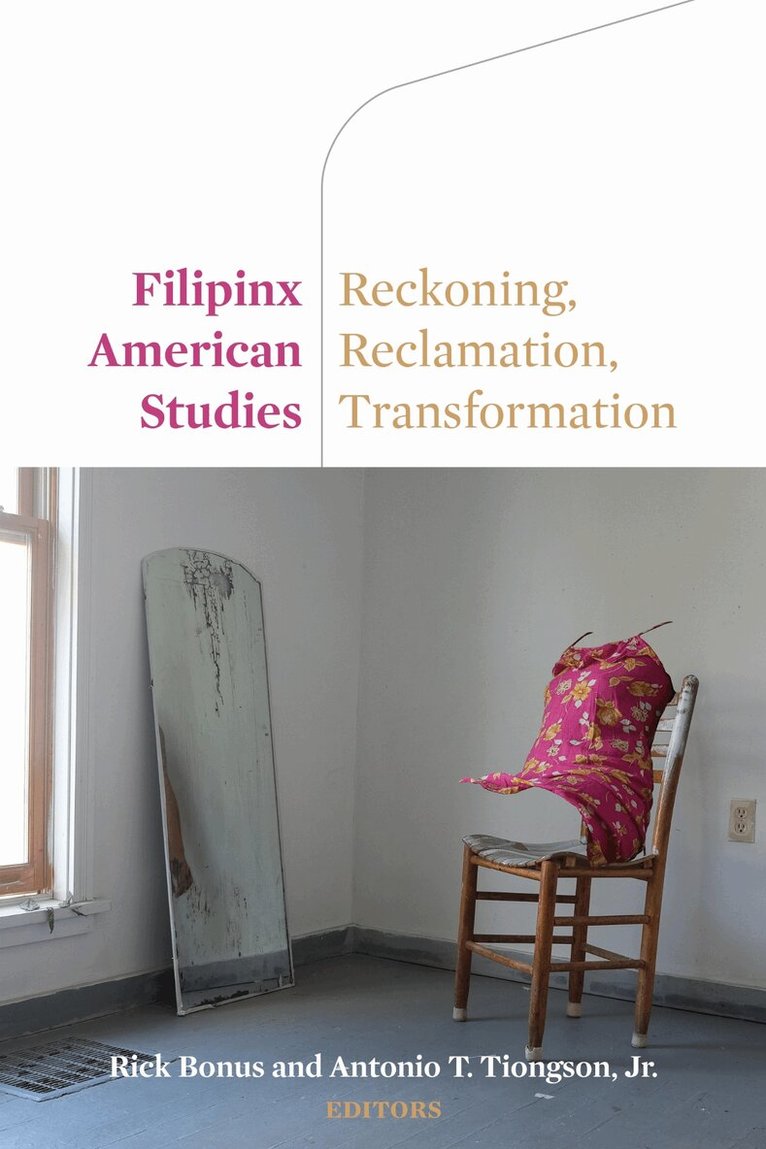
This volume spotlights the unique suitability and situatedness of Filipinx American studies both as a site for reckoning with the work of historicizing U.S. empire in all of its entanglements, as well as a location for reclaiming and theorizing the interlocking histories and contemporary trajectories of global capitalism, racism, sexism, and heteronormativity. It encompasses an interrogation of the foundational status of empire in the interdiscipline; modes of labor analysis and other forms of knowledge production; meaning-making in relation to language, identities, time, and space; the critical contours of Filipinx American schooling and political activism; the indispensability of relational thinking in Filipinx American studies; and the disruptive possibilities of Filipinx American formations. A catalogue of key resources and a selected list of scholarship are also provided. Filipinx American Studies constitutes a coming-to-terms with not only the potentials and possibilities but also the disavowals, silences, and omissions that mark Filipinx American studies. It provides a reflective and critical space for thinking through the ways Filipinx American studies is uniquely and especially suited to the interrogation of the ongoing legacies of U.S. imperialism and the urgencies of the current period.Contributors: Karin Aguilar-San Juan, Angelica J. Allen, Gina Apostol, Nerissa S. Balce, Joi Barrios-Leblanc, Victor Bascara, Jody Blanco, Alana Bock, Sony Coráñez Bolton, Lucy Mae San Pablo Burns, Richard T. Chu, Gary A. Colemnar, Kim Compoc, Denise Cruz, Reuben B. Deleon, Josen Masangkay Diaz, Robert Diaz, Kale Bantigue Fajardo, Theodore S. Gonzalves, Vernadette Vicuña Gonzalez, Anna Romina Guevara, Allan Punzalan Isaac, Martin F. Manalansan IV, Dina C. Maramba, Cynthia Marasigan, Edward Nadurata, JoAnna Poblete, Anthony Bayani Rodriguez, Dylan Rodríguez, Evelyn Ibatan Rodriguez, Robyn Magalit Rodriguez, J. A. Ruanto-Ramirez, Jeffrey Santa Ana, Dean Itsuji Saranillio, Michael Schulze-Oechtering, Sarita Echavez See, Roy B. Taggueg Jr.
1 123 kr
Skickas inom 7-10 vardagar
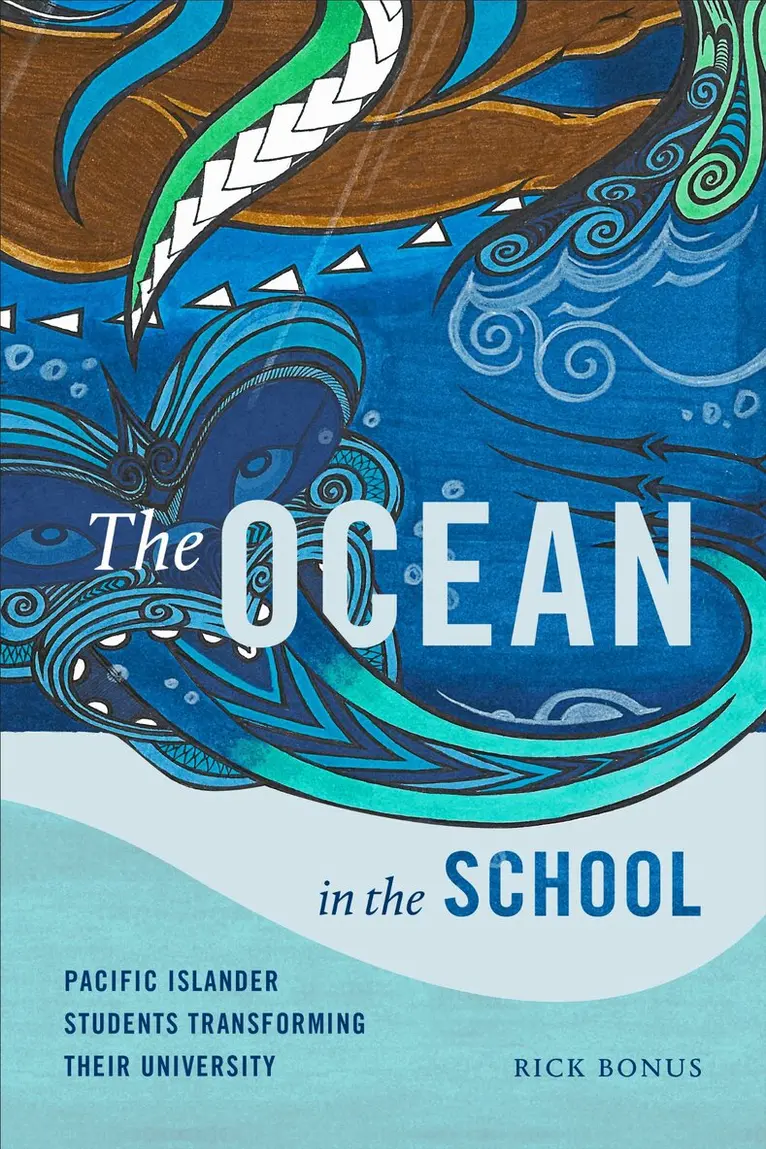
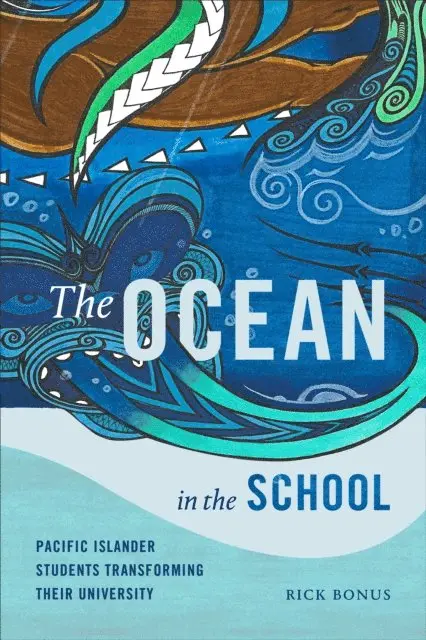
In The Ocean in the School Rick Bonus tells the stories of Pacific Islander students as they and their allies struggled to transform a university they believed did not value their presence. Drawing on dozens of interviews with students he taught, advised, and mentored between 2004 and 2018 at the University of Washington, Bonus outlines how, despite the university's promotion of diversity and student success programs, these students often did not find their education to be meaningful, leading some to leave the university. As these students note, they weren't failing school; the school was failing them. Bonus shows how students employed the ocean as a metaphor as a way to foster community and to transform the university into a space that valued meaningfulness, respect, and critical thinking. In sharing these students' insights and experiences, Bonus opens up questions about measuring student success, the centrality of antiracism and social justice to structurally reshaping universities, and the purpose of higher education.
293 kr
Skickas inom 7-10 vardagar
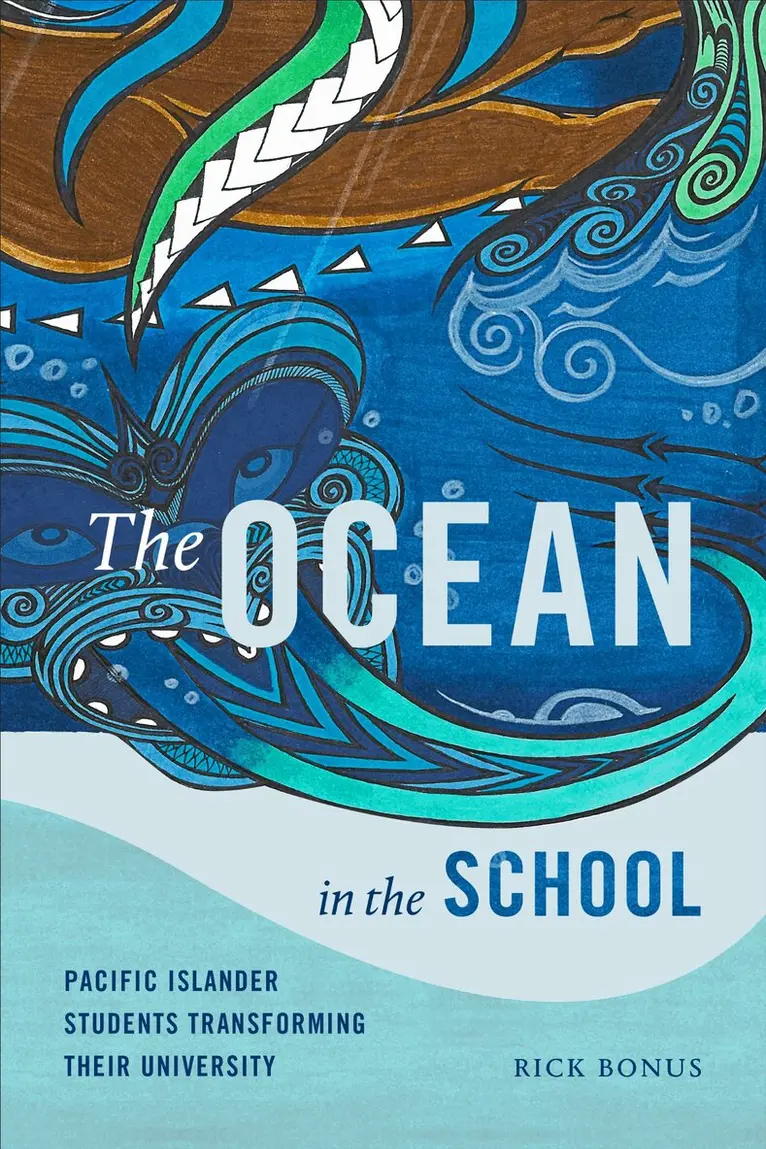
In The Ocean in the School Rick Bonus tells the stories of Pacific Islander students as they and their allies struggled to transform a university they believed did not value their presence. Drawing on dozens of interviews with students he taught, advised, and mentored between 2004 and 2018 at the University of Washington, Bonus outlines how, despite the university's promotion of diversity and student success programs, these students often did not find their education to be meaningful, leading some to leave the university. As these students note, they weren't failing school; the school was failing them. Bonus shows how students employed the ocean as a metaphor as a way to foster community and to transform the university into a space that valued meaningfulness, respect, and critical thinking. In sharing these students' insights and experiences, Bonus opens up questions about measuring student success, the centrality of antiracism and social justice to structurally reshaping universities, and the purpose of higher education.
859 kr
Skickas inom 11-20 vardagar
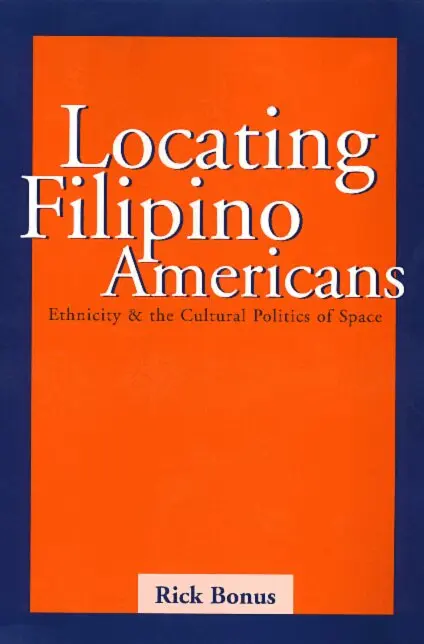
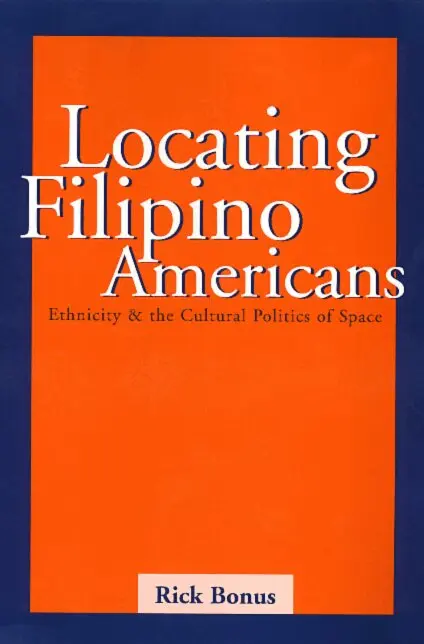
The Filipino American population in the U.S. is expected to reach more than two million by the next century. Yet many Filipino Americans contend that years of formal and covert exclusion from mainstream political, social, and economic institutions on the basis of their race have perpetuated racist stereotypes about them, ignored their colonial and immigration history, and prevented them from becoming fully recognized citizens of the nation. Locating Filipino Americans shows how Filipino Americans counter exclusion by actively engaging in alternative practices of community building. Locating Filipino Americans, an ethnographic study of Filipino American communities in Los Angeles and San Diego, present a multi-disciplinary cultural analysis of the relationship between ethnic identity and social space. Author Rick Bonus argues that alternative community spaces enable Filipino Americans to respond to and resist the ways in which the larger society has historically and institutionally rendered them invisible, silenced, and racialized.Bonus focuses on the \u0022Oriental\u0022 stores, the social halls and community centers, and the community newspapers to demonstrate how ethnic identities are publicly constituted and communities are transformed. Delineating the spaces formed by diasporic consciousness, Bonus shows how community members appropriate elements from their former homeland and from their new settlements in ways defined by their critical stances against racism, homogenization, complete assimilation, and exclusionary citizenship. Locating Filipino Americans is one of the few books that offers a grounded approach to theoretical analyses of ethnicity and contemporary culture in the U.S.
334 kr
Skickas inom 7-10 vardagar
The Filipino American population in the U.S. is expected to reach more than two million by the next century. Yet many Filipino Americans contend that years of formal and covert exclusion from mainstream political, social, and economic institutions on the basis of their race have perpetuated racist stereotypes about them, ignored their colonial and immigration history, and prevented them from becoming fully recognized citizens of the nation. Locating Filipino Americans shows how Filipino Americans counter exclusion by actively engaging in alternative practices of community building. Locating Filipino Americans, an ethnographic study of Filipino American communities in Los Angeles and San Diego, present a multi-disciplinary cultural analysis of the relationship between ethnic identity and social space. Author Rick Bonus argues that alternative community spaces enable Filipino Americans to respond to and resist the ways in which the larger society has historically and institutionally rendered them invisible, silenced, and racialized.Bonus focuses on the \u0022Oriental\u0022 stores, the social halls and community centers, and the community newspapers to demonstrate how ethnic identities are publicly constituted and communities are transformed. Delineating the spaces formed by diasporic consciousness, Bonus shows how community members appropriate elements from their former homeland and from their new settlements in ways defined by their critical stances against racism, homogenization, complete assimilation, and exclusionary citizenship. Locating Filipino Americans is one of the few books that offers a grounded approach to theoretical analyses of ethnicity and contemporary culture in the U.S.
649 kr
Skickas inom 7-10 vardagar
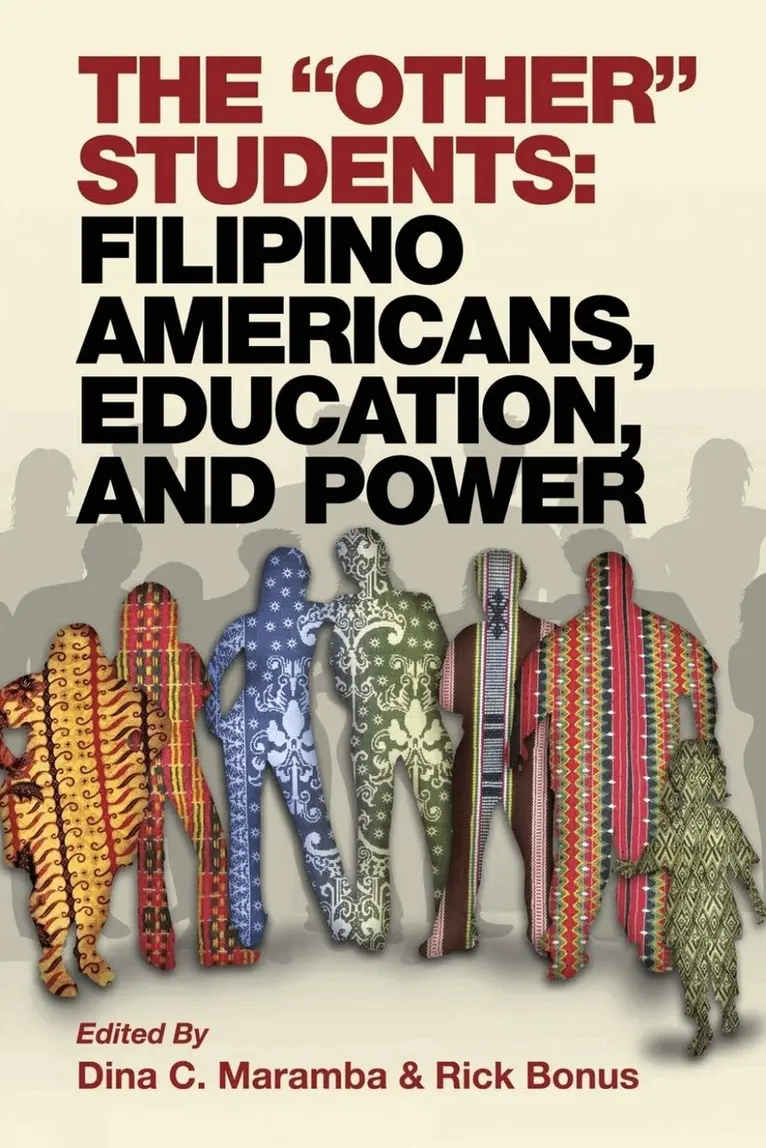
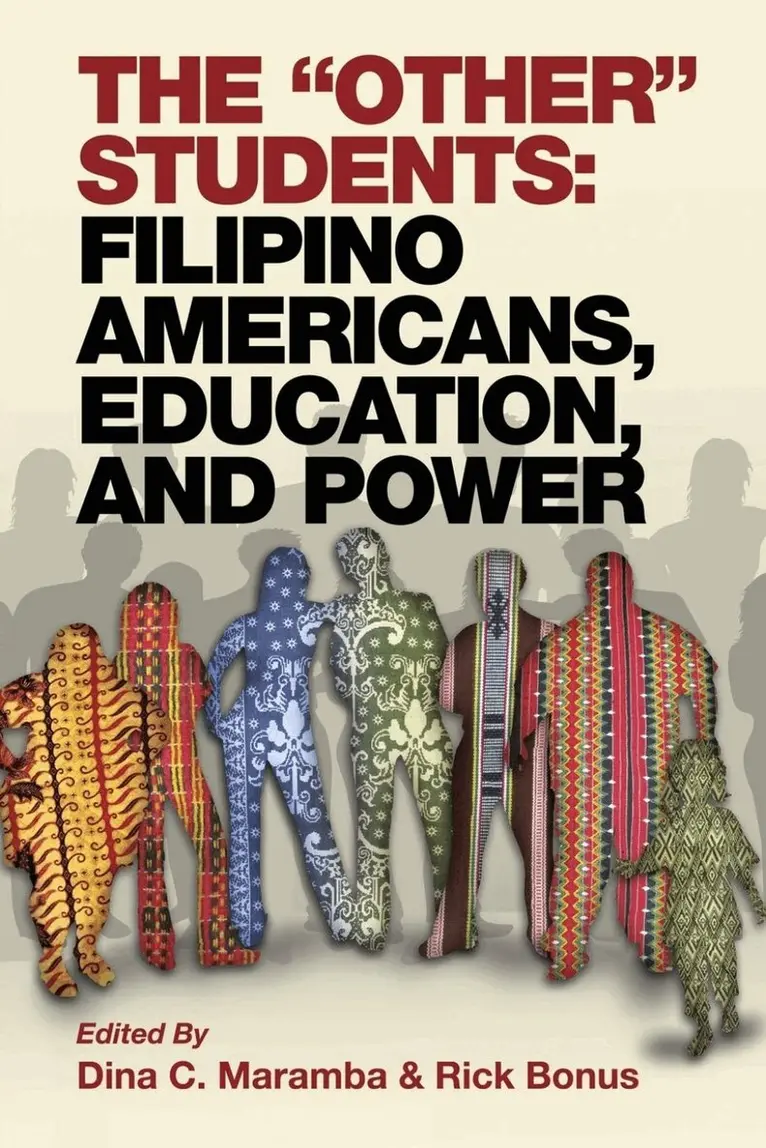
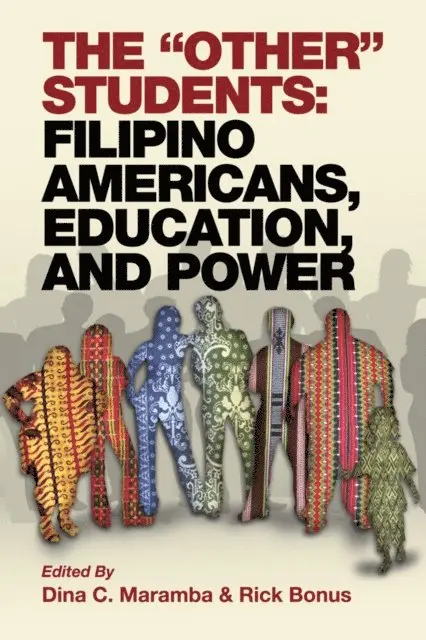
Though the Filipino American population has increased numerically in many areas of the United States, especially since the influx of professional immigrants in the wake of the 1965 Immigration Act, their impact on schools and related educational institutions has rarely been documented and examined. The Other Students: Filipino Americans, Education, and Power is the first book of its kind to focus specifically on Filipino Americans in education. Through a collection of historical and contemporary perspectives, we fill a profound gap in the scholarship as we analyze the emerging presence of Filipino Americans both as subjects and objects of study in education research and practice. We highlight the argument that one cannot adequately and appropriately understand the complex histories, cultures, and contemporary conditions faced by Filipino Americans in education unless one grapples with the specificities of their colonial pasts and presents, their unique migration and immigration patterns, their differing racialization and processes of identity formations, the connections between diaspora and community belonging, and the various perspectives offered by ethnic group-centered analysis to multicultural projects. The historical, methodological, and theoretical approaches in this anthology will be of interest to scholars, researchers, and students in disciplines which include Education, Ethnic Studies, Asian American and Pacific Islander Studies, Anthropology, Sociology, Political Science, Urban Studies, Public Policy, and Public Health.
1 098 kr
Skickas inom 7-10 vardagar
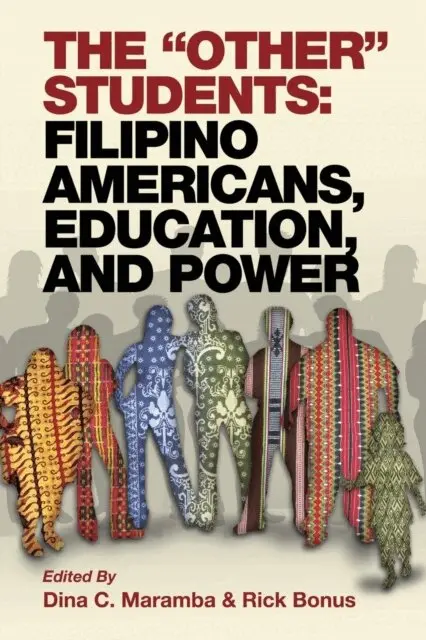
Though the Filipino American population has increased numerically in many areas of the United States, especially since the influx of professional immigrants in the wake of the 1965 Immigration Act, their impact on schools and related educational institutions has rarely been documented and examined. The Other Students: Filipino Americans, Education, and Power is the first book of its kind to focus specifically on Filipino Americans in education. Through a collection of historical and contemporary perspectives, we fill a profound gap in the scholarship as we analyze the emerging presence of Filipino Americans both as subjects and objects of study in education research and practice. We highlight the argument that one cannot adequately and appropriately understand the complex histories, cultures, and contemporary conditions faced by Filipino Americans in education unless one grapples with the specificities of their colonial pasts and presents, their unique migration and immigration patterns, their differing racialization and processes of identity formations, the connections between diaspora and community belonging, and the various perspectives offered by ethnic group-centered analysis to multicultural projects. The historical, methodological, and theoretical approaches in this anthology will be of interest to scholars, researchers, and students in disciplines which include Education, Ethnic Studies, Asian American and Pacific Islander Studies, Anthropology, Sociology, Political Science, Urban Studies, Public Policy, and Public Health.