
Ricky Robertson – författare
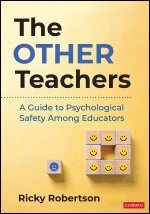
397 kr
Tillfälligt slut
Sometimes the hardest thing about teaching isn't the students—it's the other teachers
Even educators who love what they do may find that their colleagues add stress to their already demanding jobs. Workplace bullying, cliques, fear-based leadership, and collective burnout are just some of the workplace dynamics that can make our jobs harder and diminish our ability to support students.
Psychological safety is the belief that you will not be humiliated, punished, or retaliated against for asking questions, expressing concerns, or trying new strategies—and it is essential for building teacher self and collective efficacy. The Other Teachers provides strategies to nurture psychologically safe relationships at work and create a more inclusive, supportive environment for all. Inside, you'll find:
Strategies, tools, and reflection questions to help you identify the challenges at your schoolEye-opening stories based on the experiences of real educators in a variety of roles and settingsThe stages of psychological safety and insights into the ways our relationships, teams, and school cultures can foster belonging and trustResearch supporting the need for psychologically safe workplaces—not just for our benefit, but for our students’How we treat one another at work impacts our well-being as well as our career satisfaction and performance. Whether you work in a school with a toxic workplace culture or one that is highly supportive, all schools can benefit from intentionally cultivating psychological safety among staff.
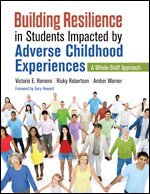
Building Resilience in Students Impacted by Adverse Childhood Experiences
A Whole-Staff Approach
500 kr
Skickas inom 3-6 vardagar
Use trauma-informed strategies to give students the skills and support they need to succeed in school and life Nearly half of all children have been exposed to at least one adverse childhood experience (ACE), such as poverty, divorce, neglect, homelessness, substance abuse, domestic violence, or parent incarceration. These students often enter school with behaviors that don’t blend well with the typical school environment. How can a school community come together and work as a whole to establish a healthy social-emotional climate for students and the staff who support them? This workbook-style resource shows K-12 educators how to make a whole-school change, where strategies are integrated from curb to classroom. Readers will learn how to integrate trauma-informed strategies into daily instructional practice through expanded focus on:
The different experiences and unique challenges of students impacted by ACEs in urban, suburban, and rural schools, including suicidal tendencies, cyberbullying, and drugs Behavior as a form of communication and how to explicitly teach new behaviors How to mitigate trauma and build innate resiliency through a read, reflect, and respond modelLet this book be the tool that helps your teams move students away from the school-to-prison pipeline and toward a life rich with educational and career choices.
“I cannot think of a book more needed than this one. It gives us the tools to support our students who have the most need while practicing the self-care necessary to continue to serve them.” —Lydia Adegbola, Chair of English Department New Rochelle High School, NY “This book highlights the impact of trauma on children and the adults who work with them, while providing relevant and practical strategies to understand and address it through reflective practices.” —Marine Avagyan, Director, Curriculum and Instruction Saugus Union School District, Sunland, CA