Rigoberto Gonzalez - Böcker
Visar alla böcker från författaren Rigoberto Gonzalez. Handla med fri frakt och snabb leverans.
14 produkter
14 produkter
220 kr
Skickas inom 10-15 vardagar
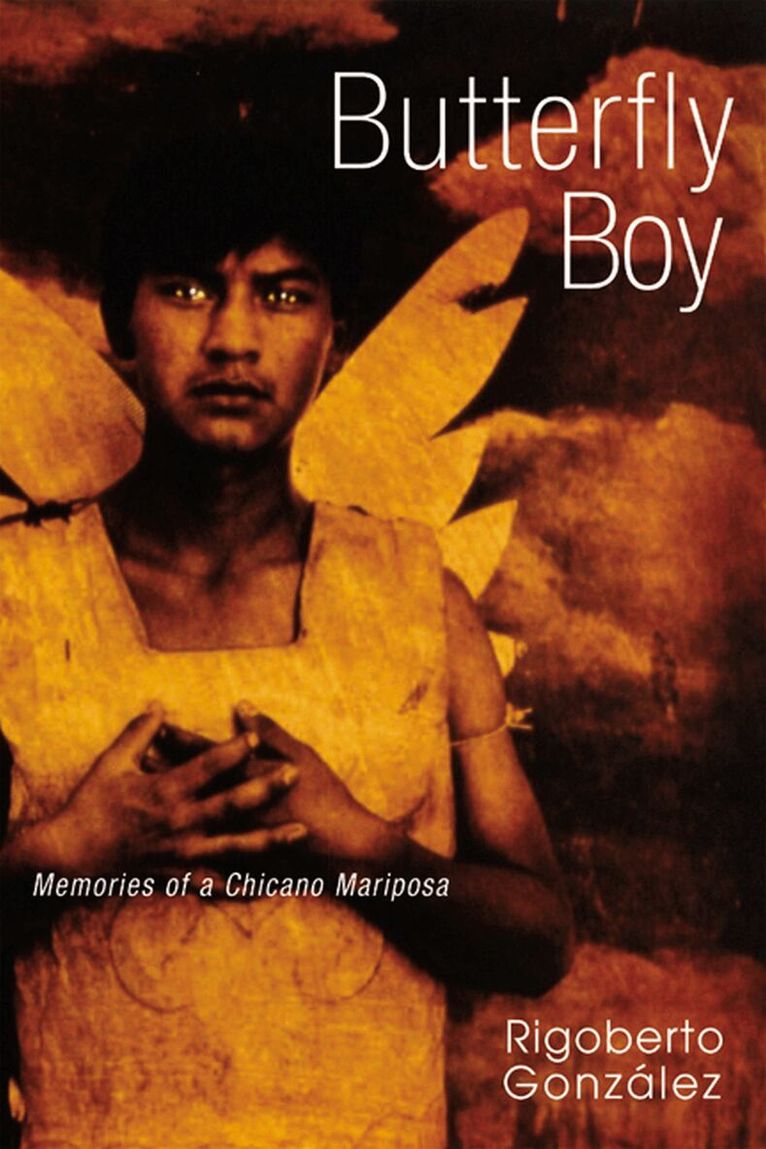
Heartbreaking, poetic, and intensely personal, Butterfly Boy is a unique coming out and coming-of-age story of a first-generation Chicano who trades one life for another, only to discover that history and memory are not exchangeable or forgettable. Growing up among poor migrant Mexican farmworkers, Rigoberto González also faces the pressure of coming-of-age as a gay man in a culture that prizes machismo.
253 kr
Skickas inom 10-15 vardagar
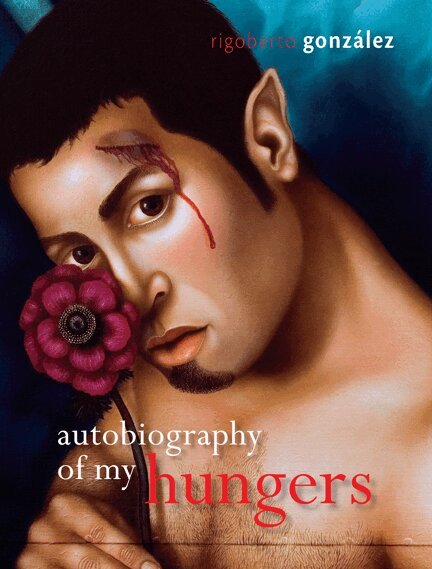
Rigoberto González, author of the critically acclaimed memoir Butterfly Boy: Memories of a Chicano Mariposa, takes a second piercing look at his past through a startling new lens: hunger.The need for sustenance originating in childhood poverty, the adolescent emotional need for solace and comfort, the adult desire for a larger world, another lover, a different body—all are explored by González in a series of heartbreaking and poetic vignettes.Each vignette is a defining moment of self-awareness, every moment an important step in a lifelong journey toward clarity, knowledge, and the nourishment that comes in various forms—even ""the smallest biggest joys"" help piece together a complex portrait of a gay man of colour who at last defines himself by what he learns, not by what he yearns for.
191 kr
Skickas inom 10-15 vardagar
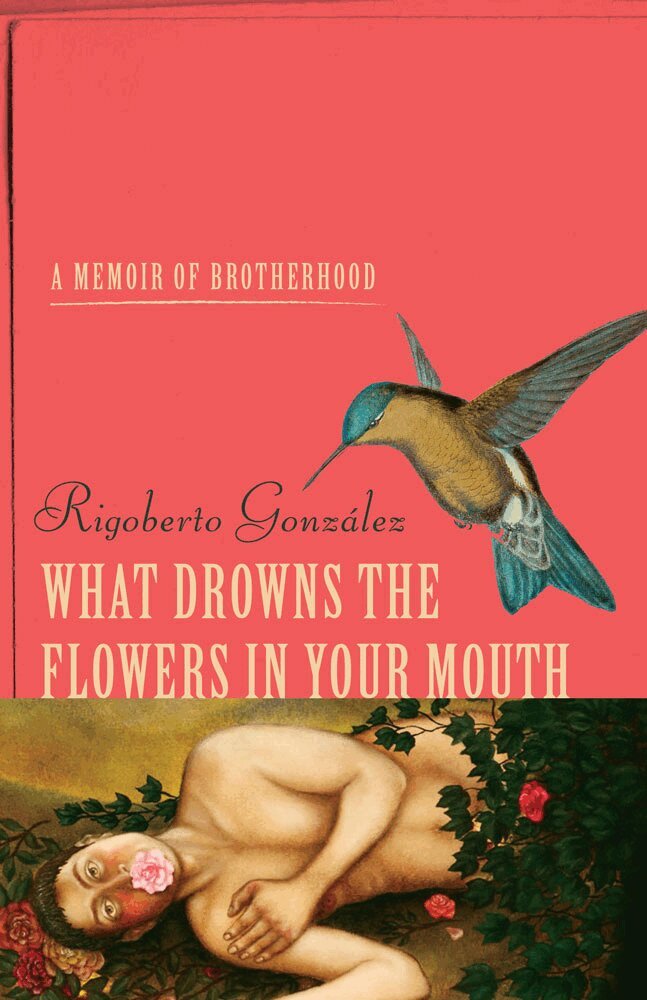
In the second of his trio of acclaimed memoirs, Rigoberto González looks at his past through a startling lens: hunger. A childhood of neglect, adolescent yearnings, and adult desire for a larger world, another lover, a different body—all are explored by González in a series of heartbreaking and poetic vignettes.
290 kr
Skickas inom 10-15 vardagar
Burdened by poverty, illiteracy, and vulnerability as Mexican immigrants to California's Coachella Valley, three generations of González men turn to vices or withdraw into depression. As brothers Rigoberto and Alex grow to manhood, they are haunted by the traumas of their mother's early death, their lonely youth, their father's desertion, and their grandfather's invective. Rigoberto's success in escaping—first to college and then by becoming a writer—is blighted by his struggles with alcohol and abusive relationships, while Alex contends with difficult family relations, his own rocky marriage, and fatherhood.Descending into a dark emotional space that compromises their mental and physical health, the brothers eventually find hope in aiding each other. This is an honest and revealing window into the complexities of Latino masculinity, the private lives of men, and the ways they build strength under the weight of grief, loss, and despair.
248 kr
Skickas inom 10-15 vardagar
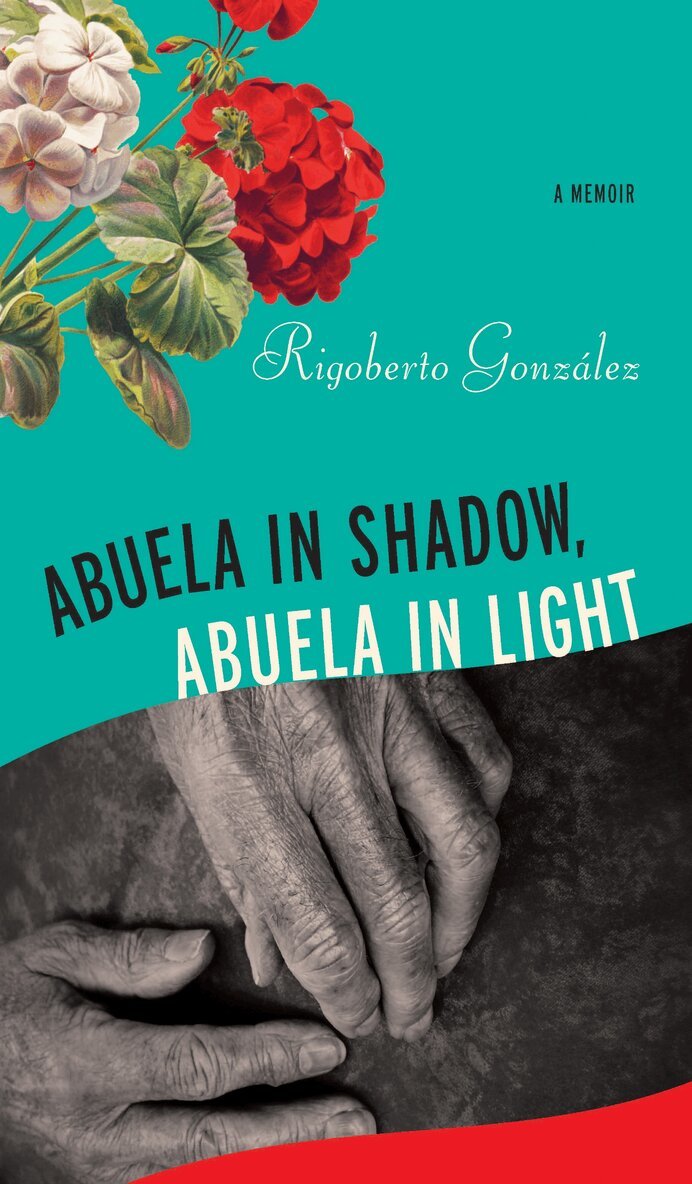
Standing over two graves, Rigoberto GonzÁlez studies the names “Ramon” and “MarÍa” under the family name “GonzÁlez.” “She was MarÍa Carrillo, not MarÍa GonzÁlez,” he thinks. His grandmother is missing. So begins GonzÁlez’s memoir, a journey to recover a more complete picture of his grandmother, who raised him following his mother’s death. GonzÁlez travels to his abuela’s birthplace, MichoacÁn, Mexico, and along the way recovers his memories of a past he had tried to leave behind. A complex woman who was forced to take on maternal roles and suffered years of abuse, his grandmother simultaneously resisted traditional gender roles; she was kind yet unaffectionate, and she kept many secrets in a crowded household with little personal space. Sifting through family histories and anecdotes, GonzÁlez pieces together the puzzling life story of a woman who was present in her grandson’s life yet absent during his emotional journey as a young man discovering his sexuality and planning his escape from a toxic and abusive environment. From fragments of memory and story, GonzÁlez ultimately creates a portrait of an unconventional yet memorable grandmother, a hard-working Indigenous Mexican woman who remained an enigma while she was alive. A grandmother, he shows, is more than what her descendants remember; she is also all that has been forgotten or never known. Through this candid exploration of his own family, GonzÁlez explores how we learn to remember and honor those we’ve lost.
479 kr
Skickas inom 7-10 vardagar
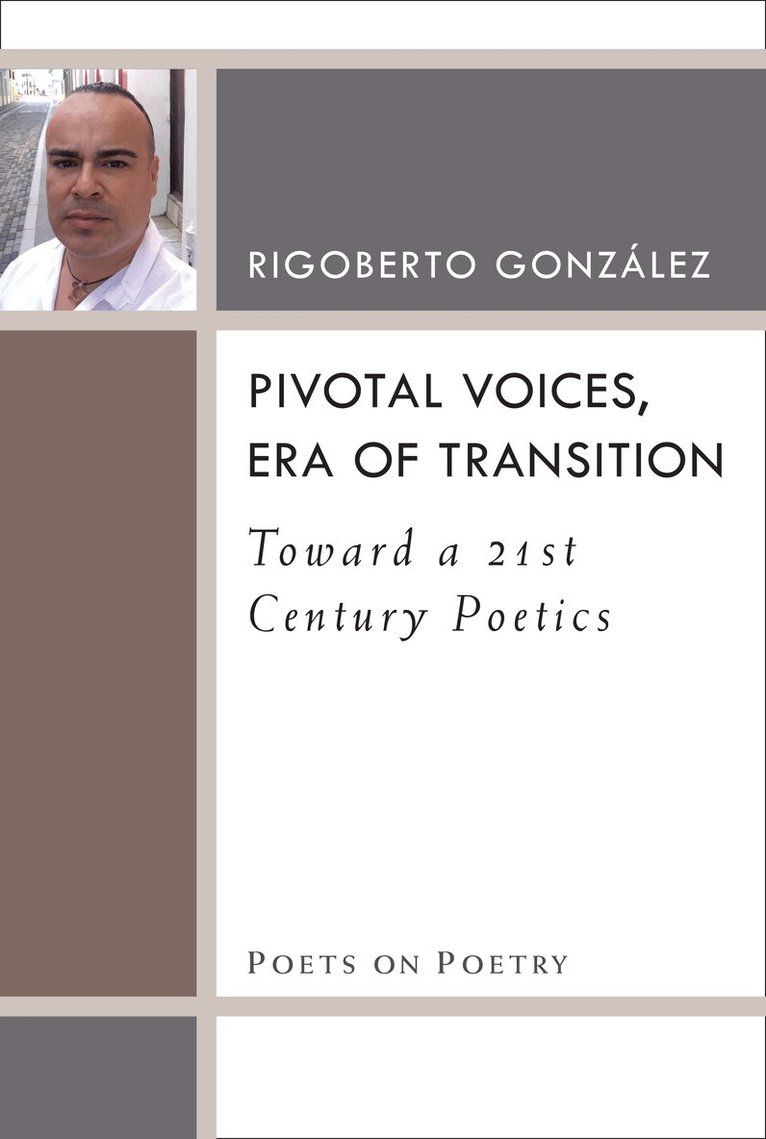
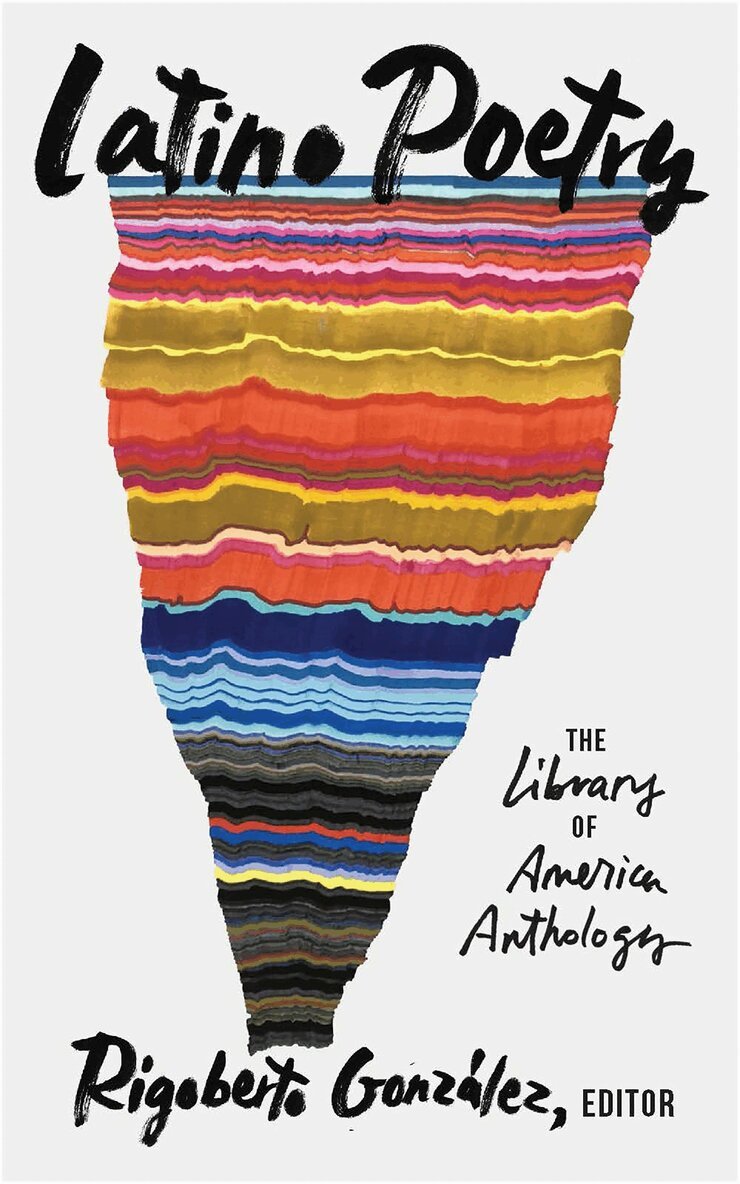
Pivotal Voices, Era of Transition gathers Rigoberto González’s most important essays and book reviews, many of which consider the work of emerging poets whose identities and political positions are transforming what readers expect from contemporary poetry. A number of these voices represent intersectional communities, such as queer writers of color like Natalie Díaz, Danez Smith, Ocean Vuong, and Eduardo C. Corral, and many writers, such as Carmen Giménez Smith and David Tomás Martínez, have deep connections to their Latino communities. Collectively, these writers are enriching American poetry to reflect a more diverse, panoramic, and socially conscious literary landscape. Also featured are essays on the poets’ literary ancestors—including Juan Felipe Herrera, Alurista, and Francisco X. Alarcón—and speeches that address the need to leverage poetry as agency.This book fills a glaring gap in existing poetry scholarship by focusing exclusively on writers of color, and particularly on Latino poetry. González makes important observations about the relevance, urgency, and exquisite craft of the work coming from writers who represent marginalized communities. His insightful connections between the Latino, African American, Asian American, and Native American literatures persuasively position them as a collective movement critiquing, challenging, and reorienting the direction of American poetry with their nuanced and politicized verse. González’s inclusive vision covers a wide landscape of writers, opening literary doors for sexual and ethnic minorities.
330 kr
Skickas inom 10-15 vardagar
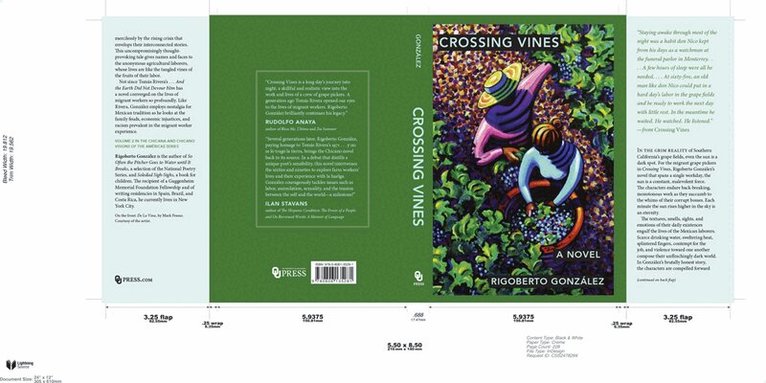
In the grim reality of Southern California's grape fields, even the sun is a dark spot. For the migrant grape pickers in Crossing Vines, Rigoberto González's novel that spans a single workday, the sun is a constant, malevolent force. The characters endure back-breaking, monotonous work as they succumb to the whims of their corrupt bosses. Each minute the sun rises higher in the sky is an eternity.The textures, smells, sights, and emotions of their daily existences engulf the lives of the Mexican laborers. Scarce drinking water, sweltering heat, splintered fingers, contempt for the job, and violence toward one another compose their unflinchingly dark world. In González's brutally honest story, the characters are compelled forward mercilessly by the rising crisis that envelops their interconnected stories. This uncompromisingly thought-provoking tale gives names and faces to the anonymous agricultural laborers, whose lives are like the tangled vines of the fruits of their labor.Not since Tomás Rivera's . . . And the Earth Did Not Devour Him has a novel converged on the lives of migrant workers so profoundly. Like Rivera, González employs nostalgia for Mexican tradition as he looks at the family feuds, economic injustices, and racism prevalent in the migrant worker experience.
315 kr
Skickas inom 10-15 vardagar
In cities and fields, Mexican American men are leading lives of quiet desperation. In this collection of thirteen startling stories, Rigoberto González weaves complex portraits of Latinos leading ordinary, practically invisible lives while navigating the dark waters of suppressed emotion - true-to-life characters who face emotional hurt, socioeconomic injustice, indignities in the workplace, or sexual repression. But because their culture expects men to symbolize power and control, they dare not risk succumbing to displays of weakness.González shines an empathetic light into the shadows of Mexican culture to portray characters who suffer in silence - men both straight and gay who must come to terms with their grief, loneliness, and pain. By exploring the private moments of men trapped inside unforgiving stereotypes, he critiques long-held assumptions of Latino behavior. He shows us individuals who must break out of various closets to become fully realized adults, and makes us feel the emotional pain of men in a culture that recognizes only the pain and hardship of women.Men without Bliss conveys the silent suffering of all men, not just Latinos. It will open readers' eyes to unexpected facets of Latino culture, and perhaps of their own lives.
232 kr
Skickas inom 5-8 vardagar
In the grim reality of Southern California's grape fields, even the sun is a dark spot. For the migrant grape pickers in Crossing Vines, Rigoberto González's novel that spans a single workday, the sun is a constant, malevolent force. The characters endure back-breaking, monotonous work as they succumb to the whims of their corrupt bosses. Each minute the sun rises higher in the sky is an eternity.The textures, smells, sights, and emotions of their daily existences engulf the lives of the Mexican laborers. Scarce drinking water, sweltering heat, splintered fingers, contempt for the job, and violence toward one another compose their unflinchingly dark world. In González's brutally honest story, the characters are compelled forward mercilessly by the rising crisis that envelops their interconnected stories. This uncompromisingly thought-provoking tale gives names and faces to the anonymous agricultural laborers, whose lives are like the tangled vines of the fruits of their labor.Not since Tomás Rivera's . . . And the Earth Did Not Devour Him has a novel converged on the lives of migrant workers so profoundly. Like Rivera, González employs nostalgia for Mexican tradition as he looks at the family feuds, economic injustices, and racism prevalent in the migrant worker experience.
238 kr
Skickas inom 10-15 vardagar
In cities and fields, Mexican American men are leading lives of quiet desperation. In this collection of thirteen startling stories, Rigoberto GonzÁlez weaves complex portraits of Latinos leading ordinary, practically invisible lives while navigating the dark waters of suppressed emotion—true-to-life characters who face emotional hurt, socioeconomic injustice, indignities in the workplace, or sexual repression. But because their culture expects men to symbolize power and control, they dare not risk succumbing to displays of weakness.GonzÁlez shines an empathetic light into the shadows of Mexican culture to portray characters who suffer in silence—men both straight and gay who must come to terms with their grief, loneliness, and pain. By exploring the private moments of men trapped inside unforgiving stereotypes, he critiques long-held assumptions of Latino behavior. He shows us individuals who must break out of various closets to become fully realized adults, and makes us feel the emotional pain of men in a culture that recognizes only the pain and hardship of women.Men without Bliss conveys the silent suffering of all men, not just Latinos. It will open readers’ eyes to unexpected facets of Latino culture, and perhaps of their own lives.
356 kr
Skickas inom 7-10 vardagar
An innovative roadmap to facing our past and present selvesHonest, aching, and intimate, self-elegies are unique poems focusing on loss rather than death, mourning versions of the self that are forgotten or that never existed. Within their lyrical frame, multiple selves can coexist—wise and naïve, angry and resigned—along with multiple timelines, each possible path stemming from one small choice that both creates new selves and negates potential selves. Giving voice to pain while complicating personal truths, self-elegies are an ideal poetic form for our time, compelling us to question our close-minded certainties, heal divides, and rethink our relation to others. In Writing the Self-Elegy, poet Kara Dorris introduces us to this prismatic tradition and its potential to forge new worlds. The self-elegies she includes in this anthology mix autobiography and poetics, blending craft with race, gender, sexuality, ability and disability, and place—all of the private and public elements that build individual and social identity. These poems reflect our complicated present while connecting us to our past, acting as lenses for understanding, and defining the self while facilitating reinvention. The twenty-eight poets included in this volume each practice self-elegy differently, realizing the full range of the form. In addition to a short essay that encapsulates the core value of the genre and its structural power, each poet’s contribution concludes with writing prompts that will be an inspiration inside the classroom and out. This is an anthology readers will keep close and share, exemplifying a style of writing that is as playful as it is interrogative and that restores the self in its confrontation with grief.
217 kr
Skickas inom 7-10 vardagar
356 kr
Skickas inom 7-10 vardagar
430 kr
Skickas inom 7-10 vardagar