Rita Pemberton - Böcker
Visar alla böcker från författaren Rita Pemberton. Handla med fri frakt och snabb leverans.
3 produkter
3 produkter
1 491 kr
Skickas inom 10-15 vardagar
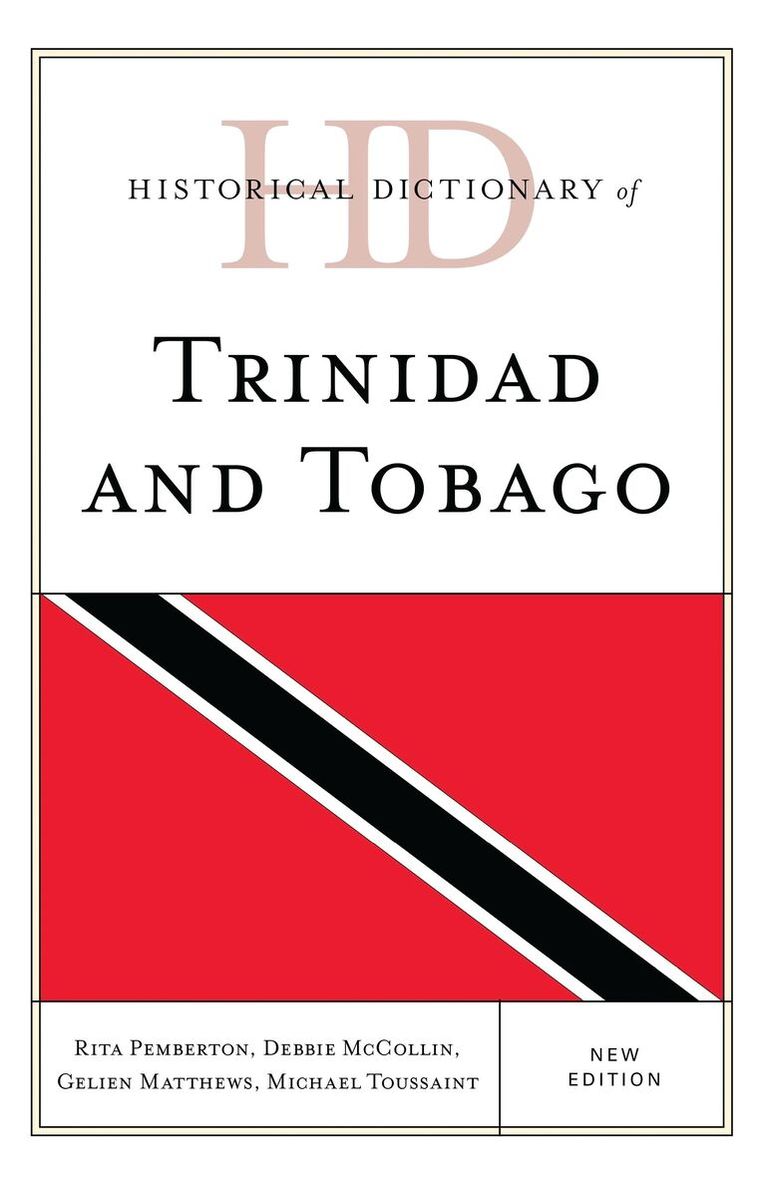
As separate entities and later a unified state, the Caribbean islands of Trinidad and Tobago boast very unique histories. Initially claimed by the Spanish in 1498, these territories were affected by the imperialist thrusts of various European nations including the French, British and Dutch. The mercantilist infiltrations of these groups, particularly in the 18th century, led to the islands’ belated development as sugar producers and, particularly Trinidad, as a cradle of migration. World War II and the development of the oil and tourism industries in the 20th century transformed the economies, culture and society of these islands. The country has been one of the most important in the region in relation to economic and political leadership and as a centre of cultural development.Historical Dictionary of Trinidad and Tobago contains a chronology, an introduction, appendixes, and an extensive bibliography. The dictionary section has over 500 cross-referenced entries on important personalities, politics, economy, foreign relations, religion, and culture. This book is an excellent resource for students, researchers, and anyone wanting to know more about Trinidad and Tobago.
331 kr
Skickas inom 5-8 vardagar
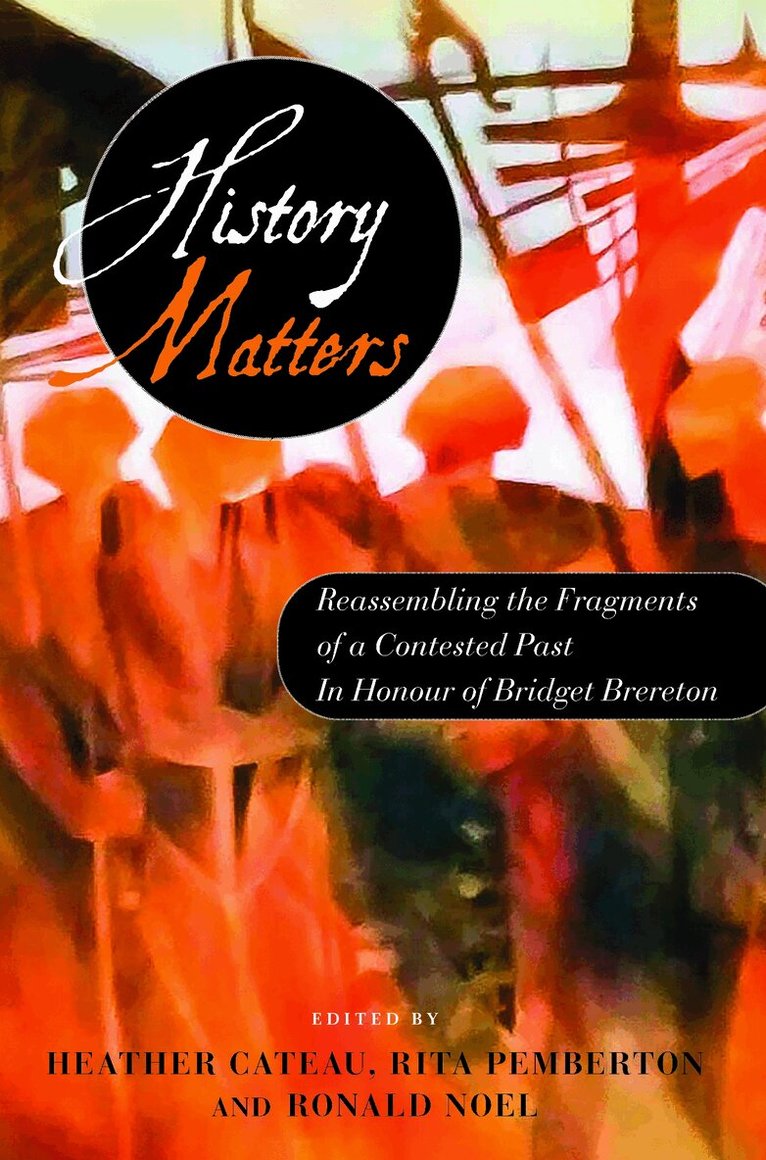
History Matters
Reassembling the Fragments of a Contested Past - in Honour of Bridget Brereton
Häftad, Engelska, 2025
488 kr
Skickas inom 10-15 vardagar
The most consequential Caribbean historian of her generation, Bridget Brereton has produced a string of innovative and path-breaking studies that have had a profound influence on the ways we have come to understand many of the major events in the area's history. This Work tips its hat to her contributions, as well as suggests ways to expand on the research agenda she has set.Taking its cue from Brereton, the essays are generally reader friendly in their exploration of the economic, social, economic, political and cultural history of the area. Brereton's work is always "balanced." So too are the contributions to this anthology. Complex societies, Brereton insists, demand complex histories. These essays do exactly that. Like her work, this collection also breaks through old historiographical boundaries. To its credit, the geographical and thematic coverage is comprehensive although, not surprisingly, Trinidad and Tobago attracts a plurality of interest. Its range and mix make this work one of a kind. There are other anthologies that cover aspects of the area's history, but nothing as comprehensive in its historical and thematic reach. It brings to mind Gordon Lewis’s, The Growth of the Modern West Indies (1968) which for years was basic fare of graduate seminars. Lewis identified what he called Caribbean "characteristics." It was a house divided against itself in which parochial governing elites butted heads against outside liberal influences before and after emancipation, a place where status was symbolized by skin colour and an area, which with the collapse of King Sugar and emancipation, became a back water until World War II. This work expands on many of the same themes reaching beyond Lewis to cover all language areas.