Debbie McCollin - Böcker
Visar alla böcker från författaren Debbie McCollin. Handla med fri frakt och snabb leverans.
2 produkter
2 produkter
1 491 kr
Skickas inom 10-15 vardagar
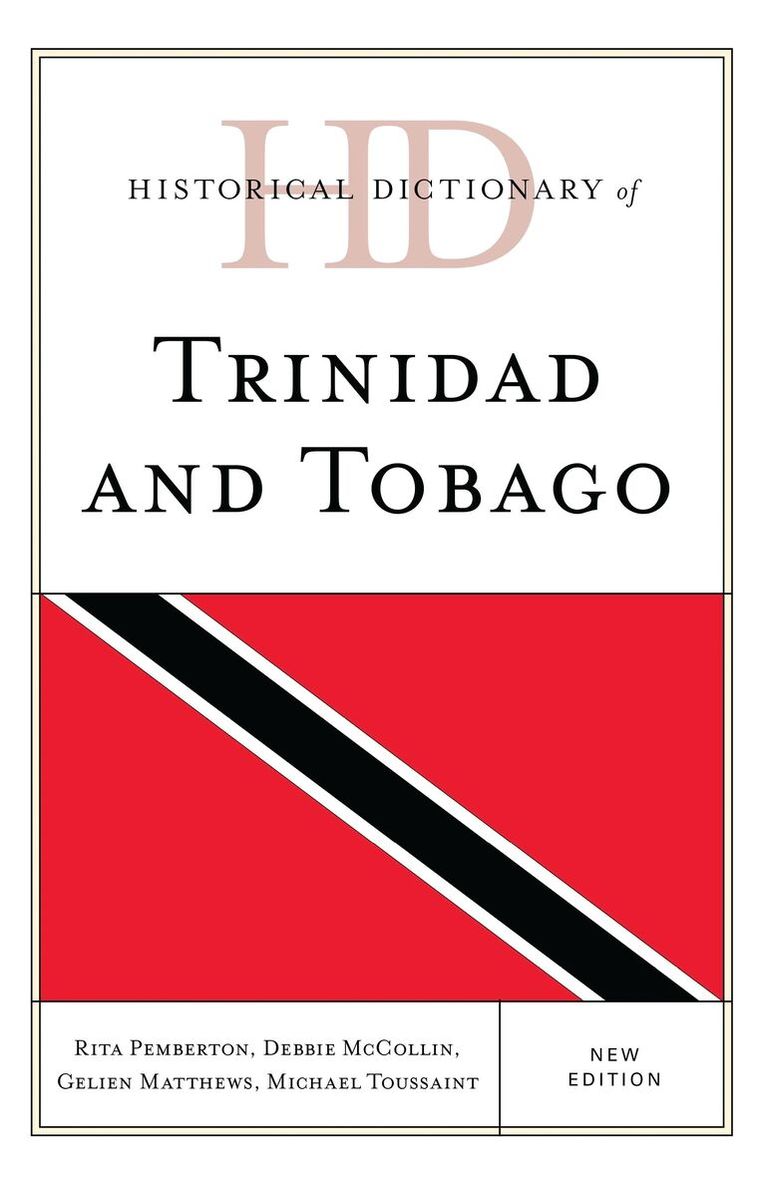
As separate entities and later a unified state, the Caribbean islands of Trinidad and Tobago boast very unique histories. Initially claimed by the Spanish in 1498, these territories were affected by the imperialist thrusts of various European nations including the French, British and Dutch. The mercantilist infiltrations of these groups, particularly in the 18th century, led to the islands’ belated development as sugar producers and, particularly Trinidad, as a cradle of migration. World War II and the development of the oil and tourism industries in the 20th century transformed the economies, culture and society of these islands. The country has been one of the most important in the region in relation to economic and political leadership and as a centre of cultural development.Historical Dictionary of Trinidad and Tobago contains a chronology, an introduction, appendixes, and an extensive bibliography. The dictionary section has over 500 cross-referenced entries on important personalities, politics, economy, foreign relations, religion, and culture. This book is an excellent resource for students, researchers, and anyone wanting to know more about Trinidad and Tobago.
490 kr
Skickas inom 10-15 vardagar
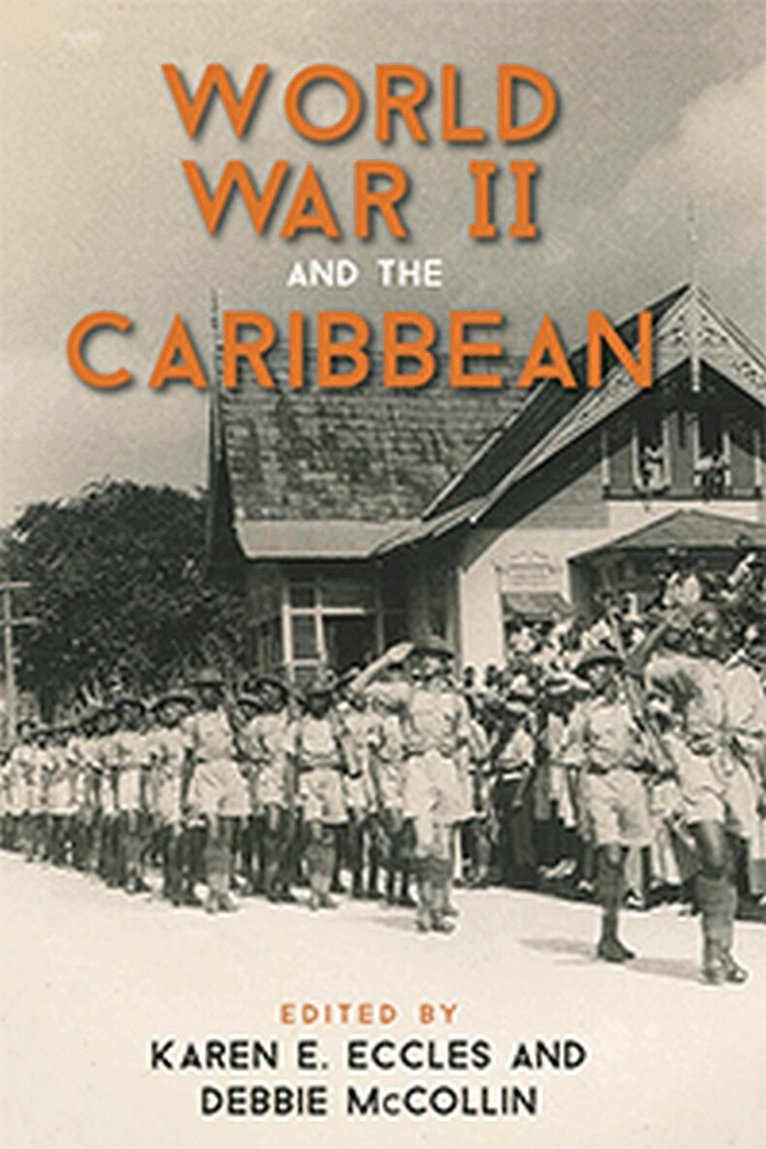
World War II and the Caribbean focuses on one of the most exciting periods in the history of the region as the Caribbean territories faced incredible upheaval and opportunity during the war years. Local operations, cultural mores and the region’s international image were forever changed by its pivotal role in the war effort. The chapters in this volume respond to the need for information and analysis on the wide-ranging impact of the war on territories in the region (English, French, Spanish and Dutch). The contributors cover topics such as the economic consequences of wartime activity (the food crisis and the decline of the agricultural sector), while highlighting the opportunities that arose for industry and enterprise in the Caribbean; the accommodations made by the European imperial nations and their attempts to tighten control over their Caribbean territories during the war; the intervention of the Americans in the region; the social impact of the war (the migration of German-speaking refugees and other groups) and the effects on Caribbean societies of this contact; and the impact of the war on public health and the broad spectrum experiences of women (as volunteers, nurses and sex-workers).This well-researched volume will be of great interest to students and scholars of military and conflict history, twentieth-century Caribbean history, and the general reader.