Robert B. Archibald - Böcker
Visar alla böcker från författaren Robert B. Archibald. Handla med fri frakt och snabb leverans.
4 produkter
4 produkter
395 kr
Skickas inom 5-8 vardagar
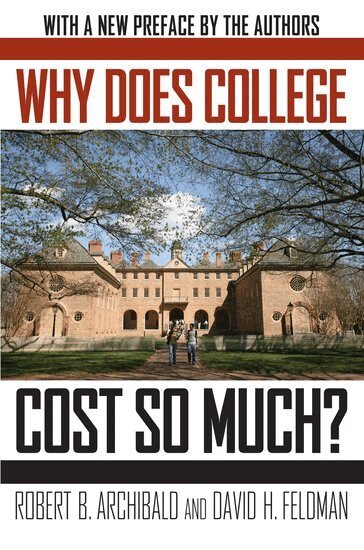
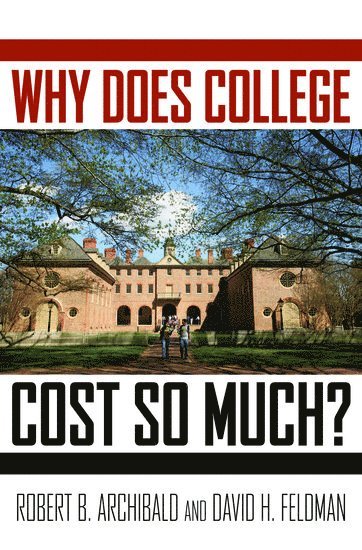
Much of what is written about colleges and universities ties rapidly rising tuition to dysfunctional behavior in the academy. Common targets of dysfunction include prestige games among universities, gold plated amenities, and bloated administration. This book offers a different view. To explain rising college cost, the authors place the higher education industry firmly within the larger economic history of the United States. The trajectory of college cost is similar to cost behavior in many other industries, and this is no coincidence. Higher education is a personal service that relies on highly educated labor. A technological trio of broad economic forces has come together in the last thirty years to cause higher education costs, and costs in many other industries, to rise much more rapidly than the inflation rate. The main culprit is economic growth itself.This finding does not mean that all is well in American higher education. A college education has become less reachable to a broad swathe of the American public at the same time that the market demand for highly educated people has soared. This affordability problem has deep roots. The authors explore how cost pressure, the changing wage structure of the US economy, and the complexity of financial aid policy combine to reduce access to higher education below what we need in the 21st century labor market. This book is a call to calm the rhetoric of blame and to instead find policies that will increase access to higher education while preserving the quality of our colleges and universities.
437 kr
Skickas inom 5-8 vardagar
The US higher education system is on the verge of a revolution, so some observers claim. Archibald and Feldman, leading analysts, provide an incisive overview of the challenges facing and possibilities for America's universities and colleges in their training future generations. And they demonstrate that our higher education system is resilient and adaptable enough to weather the internal, external, and technological threats without changing campuses beyond recognition.The Road Ahead examines the threats posed to the current health of higher education by rising tuition and falling government support, as well as from new digital technologies rippling through the entire economy. Some predict disaster, pointing to high costs, exploding debt, and a digital tsunami that supposedly will combine to disrupt and sweep away many of the nation's higher education institutions, or change them beyond recognition. Archibald and Feldman provide a more nuanced view. They argue that the bundle of services that four-year colleges and universities provide will retain its value for the traditional age range of college students. Less certain, Archibald and Feldman argue, is whether the system will continue to be a force for social and economic opportunity. The threats are most dire at schools that disproportionately serve America's most underprivileged students. At the same time, growing income inequality reduces the ability of many students and their families to pay for higher education. Archibald and Feldman suggest a range of policy options at the state and federal level that will help America's higher education system continue to fulfill its promise.
607 kr
Skickas inom 5-8 vardagar
College tuition has risen more rapidly than the overall inflation rate for much of the past century. Over the last thirty years, tuition growth has accelerated. The rhetoric of crisis now permeates public discussion of the cost of attendance. Much of what is written about colleges and universities ties rapidly rising tuition to dysfunctional behavior in the academy. Common targets of dysfunction include prestige games among universities, gold plated amenities, and bloated administration. This book offers a different view. To explain rising college cost, the authors place the higher education industry firmly within the larger economic history of the United States. The trajectory of college cost is similar to cost behavior in many other industries, and this is no coincidence. Higher education is a personal service that relies on highly educated labor. A technological trio of broad economic forces has come together in the last thirty years to cause higher education costs, and costs in many other industries, to rise much more rapidly than the inflation rate. The main culprit is economic growth itself. This finding does not mean that all is well in American higher education. A college education has become less reachable to a broad swathe of the American public at the same time that the market demand for highly educated people has soared. This affordability problem has deep roots. The authors explore how cost pressure, the changing wage structure of the US economy, and the complexity of financial aid policy combine to reduce access to higher education below what we need in the 21st century labor market. This book is a call to calm the rhetoric of blame and to find instead policies that will increase access to higher education while preserving the quality of our colleges and universities.
Redesigning the Financial Aid System
Why Colleges and Universities Should Switch Roles with the Federal Government
Inbunden, Engelska, 2003
567 kr
Skickas
As the cost of higher education continues to rise, students and their families find it increasingly difficult to navigate the financial aid maze. In Redesigning the Financial Aid System, economist Robert Archibald examines the history of the system and its current flaws, and he makes a radical proposal for changing the structure of the system. Archibald argues that one of the problems with the current model-in which universities are responsible for the majority of grants while the federal government provides student loans-is that a student cannot know the final price of attending a given institution until after he or she has applied, been accepted, and received a financial aid offer. As a result, students remain largely uninformed about the cost of their college educations until very late in the decision-making process and so have difficulty making a timely choice. In addition, financial aid information is kept private, creating confusion over the price of a college education and the role of financial aid.Under Archibald's proposed reforms, the federal government would assess a student's financial need and provide need-based grants, while institutions would be responsible for guaranteeing student loans. Not only would this new system demystify financial aid and allow students to be better informed about the cost of college earlier in the process, but it would greatly simplify the application procedure and prevent financial aid allocation from contributing to the problem of rising tuition costs. Archibald's clear explanation of the current system-its impact, strengths, and weaknesses-as well as his plans for reform, will be of interest to educators, administrators, students, and parents.