Robert Blackmore - Böcker
Visar alla böcker från författaren Robert Blackmore. Handla med fri frakt och snabb leverans.
3 produkter
3 produkter
1 075 kr
Skickas inom 7-10 vardagar
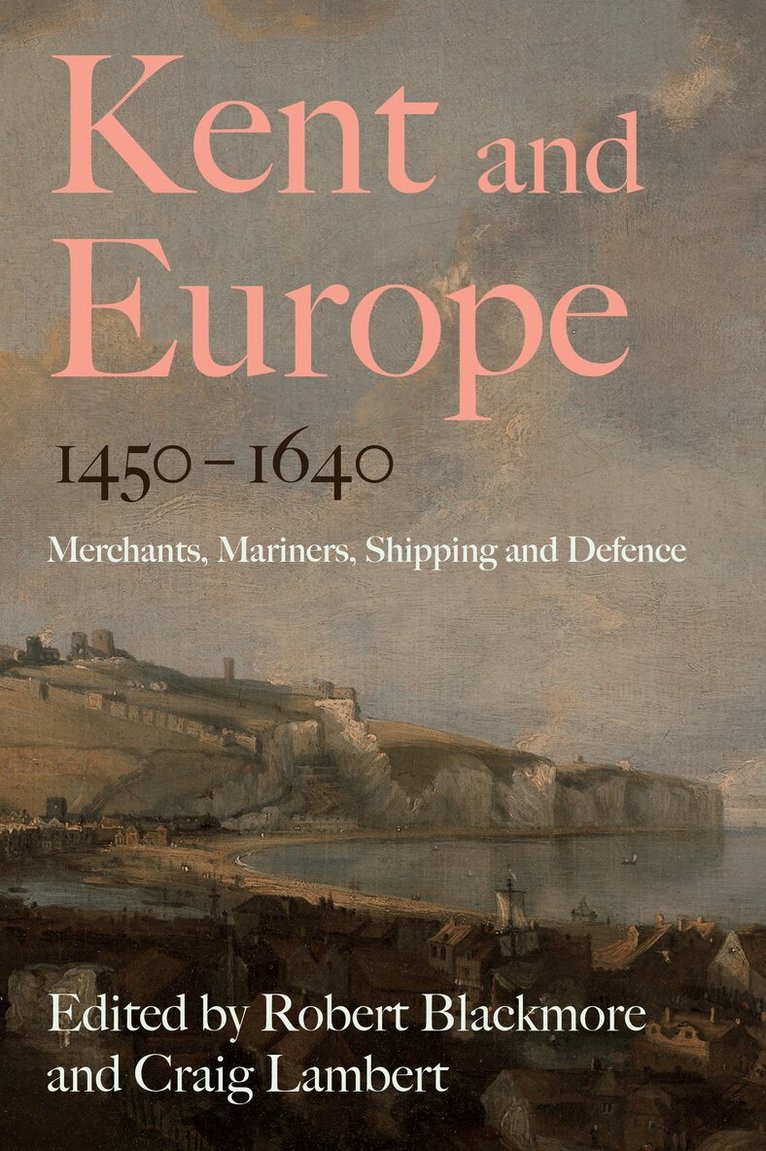
An in-depth overview of Kent's economy, society and politics, and their relationship with Kent's environs over two centuries.Kent is surrounded by water on three sides, close to both the European continent and London: geography that has influenced those who have lived there in countless ways. This book explores their history in this setting from the mid-fifteenth to mid-seventeenth centuries, emphasising Kent's deep connection with Europe. Its chapters, which draw on a wide range of local and national sources, primarily centre on maritime affairs, reflecting the historical and ongoing significance of the sea to the region's inhabitants. These include a bold new description of Kent at the end of the Middle Ages and a reconstruction of the county's early modern maritime trade, including its merchants, both native and foreign, the commodities traded, as well as the impact of migration. An in-depth study also provides quantitative analyses of shipping and of the lives and careers of the shipboard community. Furthermore, there is a detailed examination of the military community of Kent, with a particular focus on the county's coastal fortifications and a chapter on predatory maritime activities in adjacent waters. Overall, the book puts forward the findings of deep research that connects Kent's economy, society and politics with its environs over a long period. As such, it exemplifies how future county studies might be composed.
1 319 kr
Skickas inom 10-15 vardagar
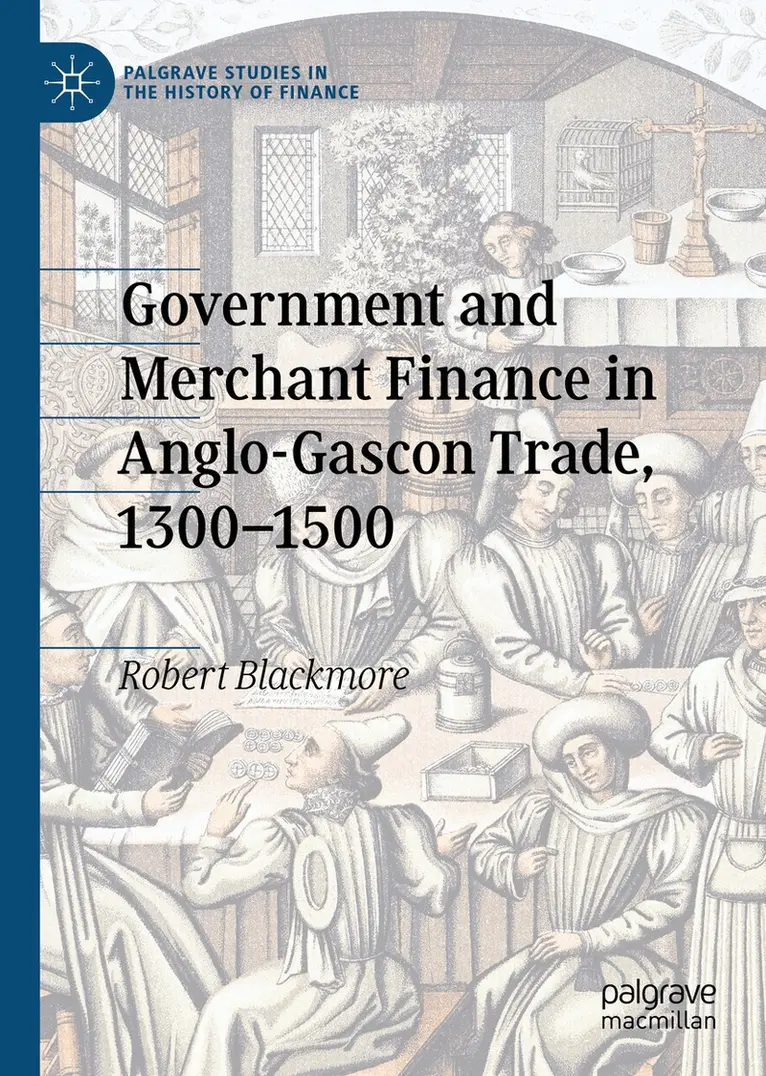
The Late Middle Ages (c.1300–c.1500) saw the development of many of the key economic institutions of the modern unitary nation-state in Europe. After the ‘commercial revolution’ of the thirteenth century, taxes on trade became increasingly significant contributors to government finances, and as such there were ever greater efforts to control the flow of goods and money.This book presents a case study of the commercial and financial links between the kingdom of England and the duchy of Aquitaine across the late-medieval period, with a special emphasis on the role of the English Plantagenet government that had ruled both in a political union since 1154. It establishes a strong connection between fluctuations in commodity markets, large monetary flows and unstable financial markets, most notably in trade credit and equity partnerships.It shows how the economic relationship deteriorated under the many exogenous shocks of the period, the wars, plagues and famines, as well as politically motivated regulatory intervention. Despite frequent efforts to innovate in response, both merchants and governments experienced a series of protracted financial crises that presaged the break-up of the union of kingdom and duchy in 1453, with the latter’s conquest by the French crown. Of particular interest to scholars of the late-medieval European economy, this book will also appeal to those researching wider economic or financial history.
1 319 kr
Skickas inom 10-15 vardagar
The Late Middle Ages (c.1300–c.1500) saw the development of many of the key economic institutions of the modern unitary nation-state in Europe. After the ‘commercial revolution’ of the thirteenth century, taxes on trade became increasingly significant contributors to government finances, and as such there were ever greater efforts to control the flow of goods and money.This book presents a case study of the commercial and financial links between the kingdom of England and the duchy of Aquitaine across the late-medieval period, with a special emphasis on the role of the English Plantagenet government that had ruled both in a political union since 1154. It establishes a strong connection between fluctuations in commodity markets, large monetary flows and unstable financial markets, most notably in trade credit and equity partnerships.It shows how the economic relationship deteriorated under the many exogenous shocks of the period, the wars, plagues and famines, as well as politically motivated regulatory intervention. Despite frequent efforts to innovate in response, both merchants and governments experienced a series of protracted financial crises that presaged the break-up of the union of kingdom and duchy in 1453, with the latter’s conquest by the French crown. Of particular interest to scholars of the late-medieval European economy, this book will also appeal to those researching wider economic or financial history.