Robert C. Doyle - Böcker
Visar alla böcker från författaren Robert C. Doyle. Handla med fri frakt och snabb leverans.
3 produkter
3 produkter
750 kr
Skickas inom 10-15 vardagar
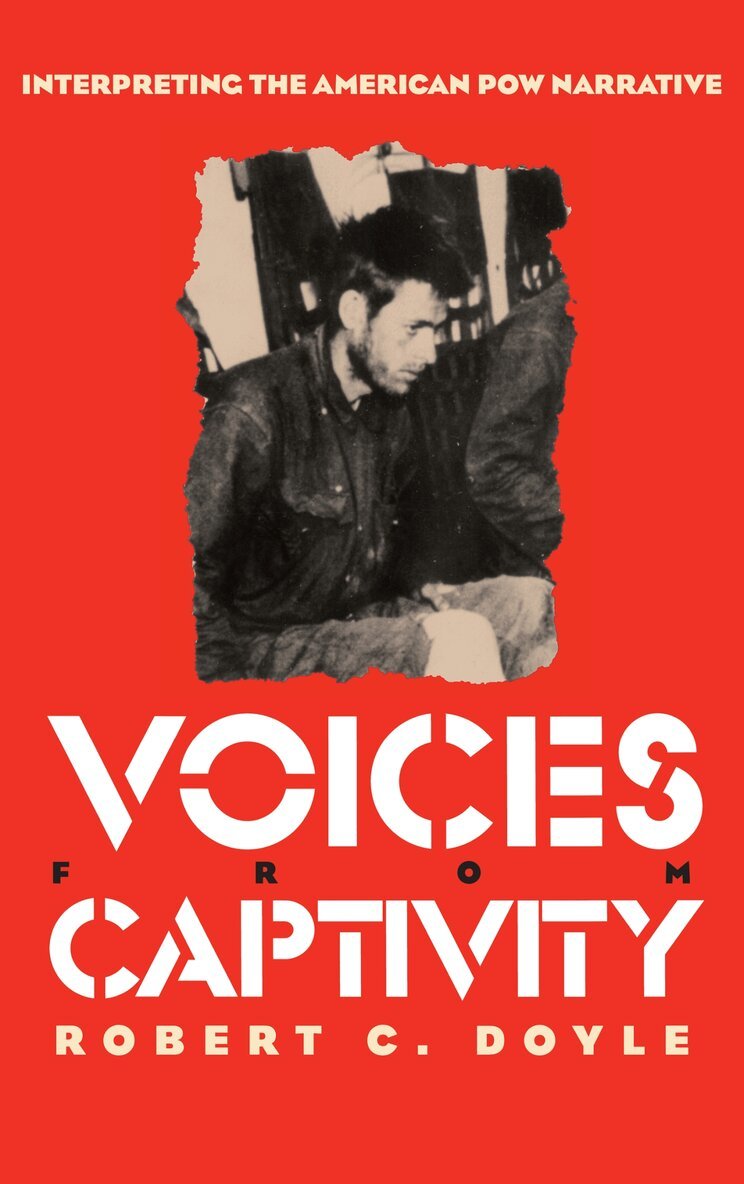
Drawing from a wide range of sources, including official documents, first-person accounts, histories and personal letters, in addition to folklore and fiction, this book examines the common structure and themes of American prisoner-of-war narratives.
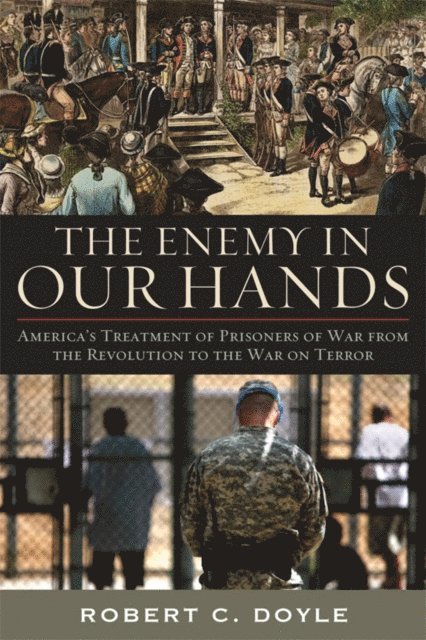
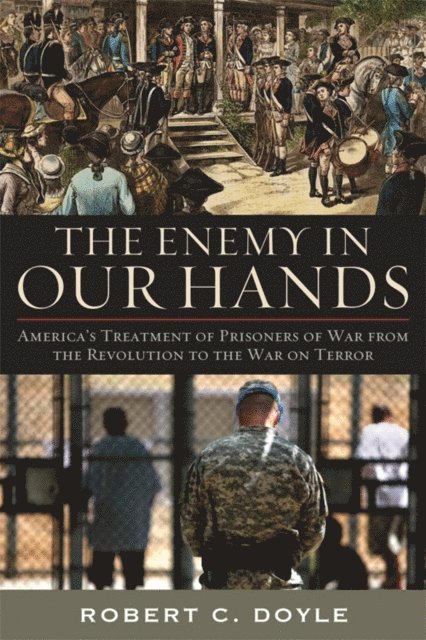
Enemy in Our Hands
America's Treatment of Prisoners of War from the Revolution to the War on Terror
Inbunden, Engelska, 2010
567 kr
Skickas inom 3-6 vardagar
Revelations of abuse at Baghdad's Abu Ghraib prison and the U.S. detention camp at Guantánamo Bay had repercussions extending beyond the worldwide media scandal that ensued. The controversy surrounding photos and descriptions of inhumane treatment of enemy prisoners of war, or EPWs, from the war on terror marked a watershed momentin the study of modern warfare and the treatment of prisoners of war. Amid allegations of human rights violations and war crimes, one question stands out among the rest: Was the treatment of America's most recent prisoners of war an isolated event or part of a troubling and complex issue that is deeply rooted in our nation's military history?Military expert Robert C. Doyle's The Enemy in Our Hands: America's Treatment of Prisoners of War from the Revolution to the War on Terror draws from diverse sources to answer this question. Historical as well as timely in its content, this work examines America's major wars and past conflicts -- among them, the American Revolution, the Civil War, World Wars I and II, and Vietnam -- to provide understanding of the UnitedStates' treatment of military and civilian prisoners. The Enemy in Our Hands offers a new perspective of U.S. military history on the subject of EPWs and suggests that the tactics employed to manage prisoners of war are unique and disparate from one conflict tothe next. In addition to other vital information, Doyle provides a cultural analysis and exploration of U.S. adherence to international standards of conduct, including the 1929 Geneva Convention in each war. Although wars are not won or lost on the basis of how EPWs are treated, the treatment of prisoners is one of the measures by which history's conquerors are judged.
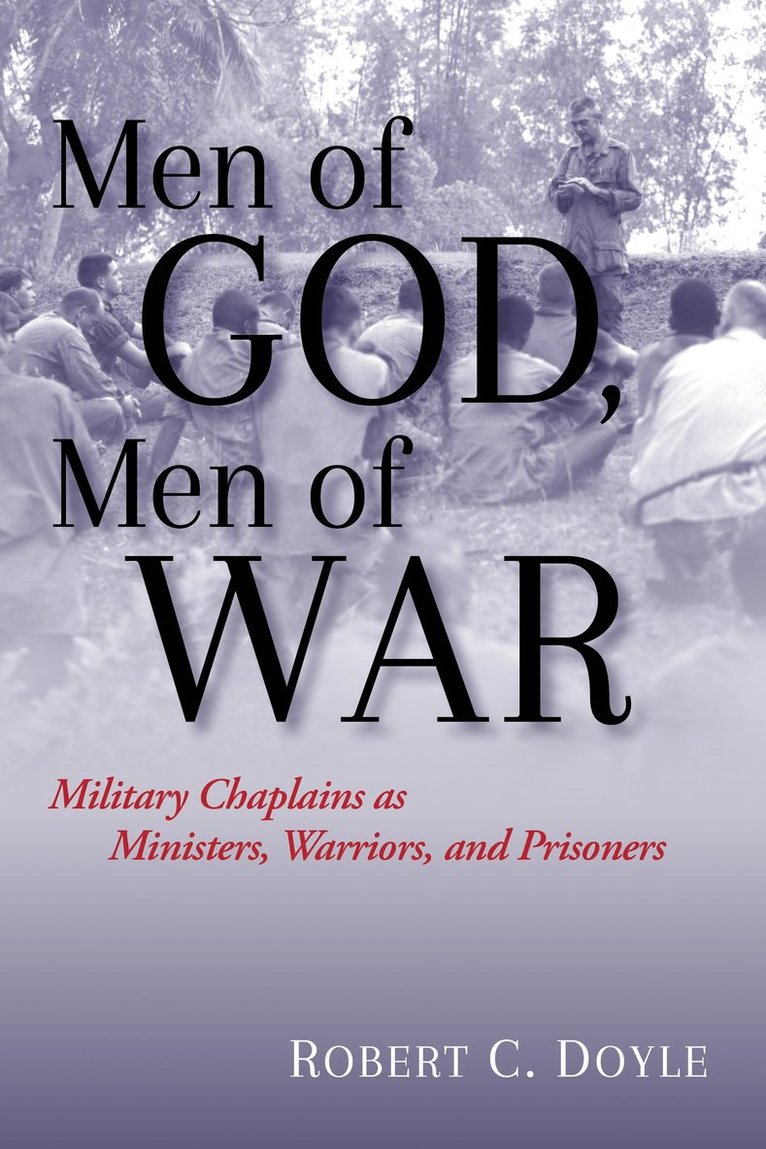
Men of God, Men of War
Military Chaplains as Ministers, Warriors, and Prisoners
Inbunden, Engelska, 2024
377 kr
Skickas inom 3-6 vardagar
Men of God, Men of War tells the stories of chaplains who have served in America’s wars. In his exploration of military chaplaincy, author Robert Doyle poses questions about their brand of service to the United States. He examines the complexities of the chaplains’ vocation—the types of services they performed, the roles they assumed in combat and as prisoners of war, and how they interacted with the military personnel they served and supported. Doyle explores the high price many paid for their commitment to their unique type of service.Doyle illuminates the histories of chaplains who did their duty selflessly to God, to their country, to the soldiers, sailors, Marines, and airmen with whom they found themselves in very dire circumstances over the past three hundred years. Chaplains throughout American history have served bravely and selflessly at home and in the field, both under fire and “behind the wire.” Chaplains served as sources of motivation, inspiration, and peace for military personnel in times of hardship, especially in captivity. Doyle illustrates that while they are now treated as non-combatants, chaplains’ vital role as leaders cannot be underestimated or understated.Men of God, Men of War examines how chaplains performed under fire in hostile environments, beginning with the Revolutionary War through the war on terror in Iraq and Afghanistan. The chaplains of the Revolution were patriots first, soldiers second, and men of God third. From the Civil War to modern times, these men gave hope to the hopeless, absolution to those soldiers who stood before their Maker before battles, and faith in themselves and their comrades so necessary for men in combat. Doyle’s research shows that military chaplains have always remained necessary to men at war, even in a modern secular military.