Robert C. Dunnell – författare
Visar alla böcker från författaren Robert C. Dunnell. Handla med fri frakt och snabb leverans.
10 produkter
Rise and Fall of Culture History
Av R. Lee Lyman, Michael J. O'Brien m. fl.
Inbunden, 1997
1126 kr
Lägg i varukorg
VJver forty years ago Gordon R. Willey (1953b:361) stated that "[t]he objectives of archeology ...are approached by the study and manipulation of three basic factors: form, space, and time. " A few years later, Albert C. Spaulding (1960b:439) repeated this thought using different words: …
Rise and Fall of Culture History
Av R. Lee Lyman, Michael J. O'Brien m. fl.
Häftad, 1997
1126 kr
Lägg i varukorg
VJver forty years ago Gordon R. Willey (1953b:361) stated that "[t]he objectives of archeology ...are approached by the study and manipulation of three basic factors: form, space, and time. " A few years later, Albert C. Spaulding (1960b:439) repeated this thought using different words: …
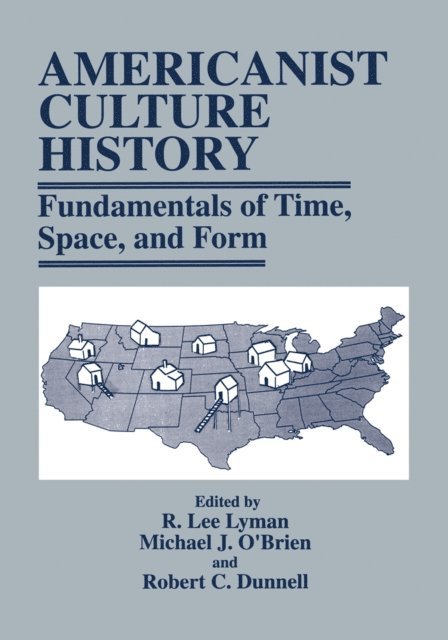
Americanist Culture History
Fundamentals of Time, Space, and Form
Av R. Lee Lyman, Michael J. O'Brien m. fl.
Häftad, 1997
566 kr
Lägg i varukorg
Americanist Culture History reprints thirty-nine classic works of Americanist archaeological literature published between 1907 and 1971. The articles, in which the key concepts and analytical techniques of culture history were first defined and discussed, are reprinted, with original pagination and …
Rise and Fall of Culture History
Av Robert C. Dunnell, Michael J. O'Brien m. fl.
E-bok, 2007
1502 kr
Lägg i varukorg
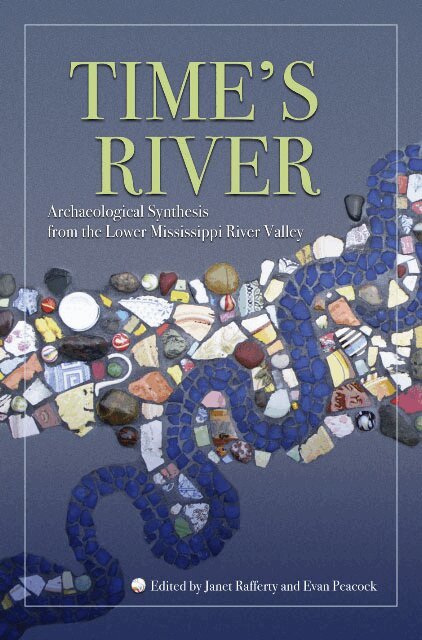
Time's River
Archaeological Syntheses from the Lower Mississippi River Valley
Av Robert C. Dunnell, Janet Rafferty m. fl.
Häftad, 2008
556 kr
Lägg i varukorg
This volume stands as a key general resource for archaeologists working in the region extending from Louisiana through Mississippi north to Missouri and Kentucky, and it represents an opportunity to influence for decades a large part of the archaeological work to take place in the Southeast.The …
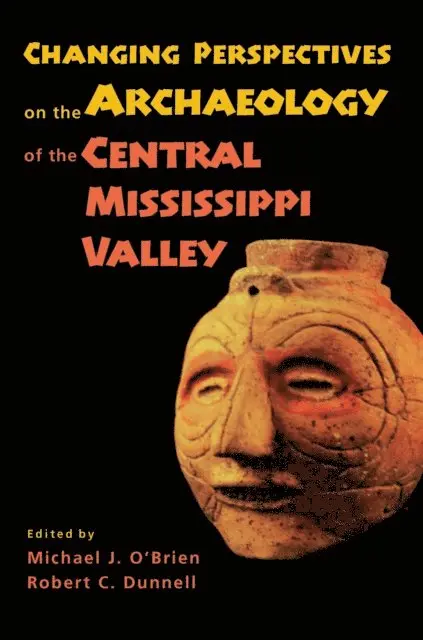
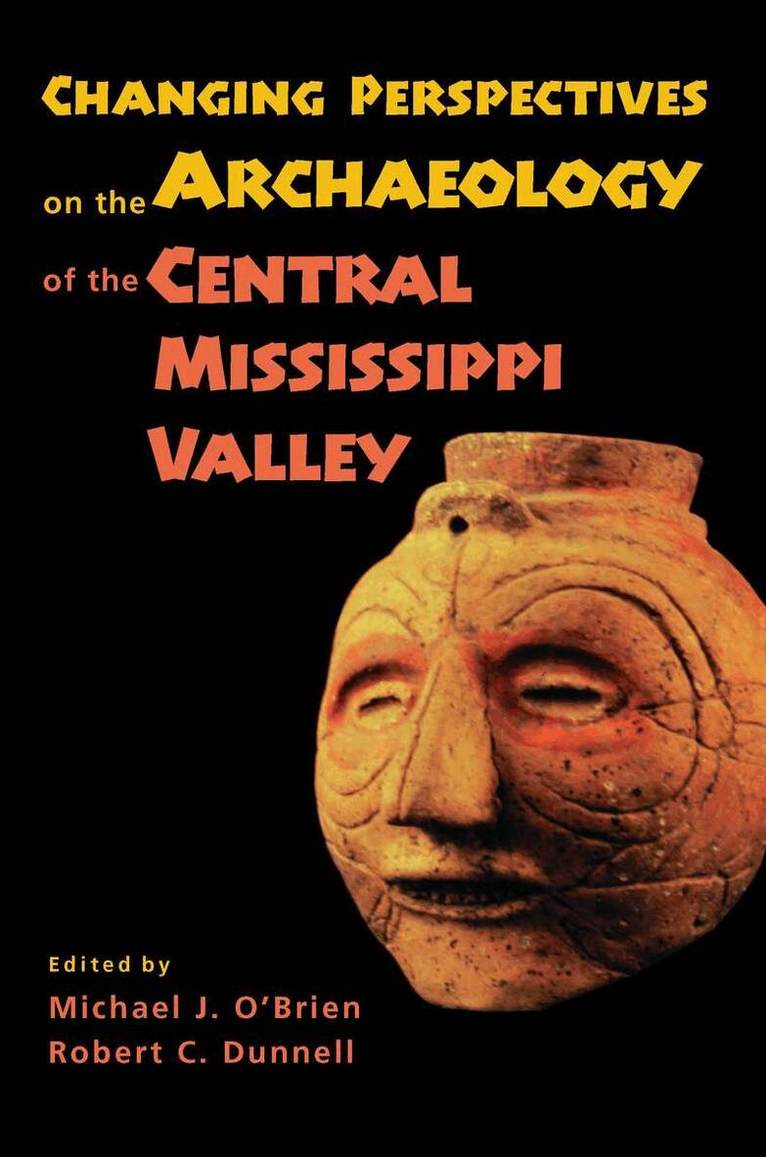
Changing Perspectives on the Archaeology of the Central Mississippi Valley
Av Robert C. Dunnell, Michael J. O'Brien
E-bok, 2011
975 kr
Lägg i varukorg
Fourteen experts examine the current state of Central Valley prehistoric research and provide an important touchstone for future archaeological study of the region The Mississippi Valley region has long played a critical role in the development of American archaeology and continues to be widely …
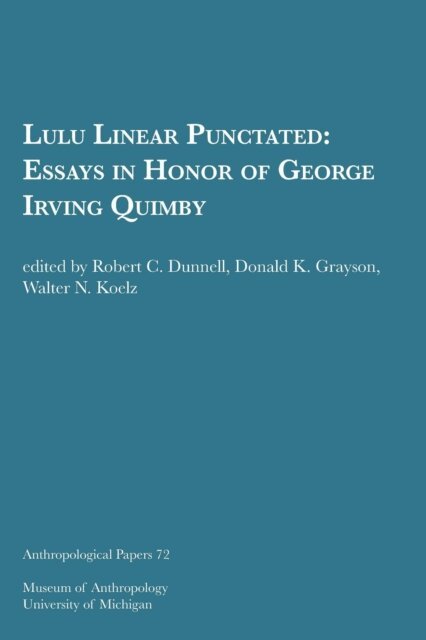
Lulu Linear Punctated
Essays in Honor of George Irving Quimby
Av Robert C. Dunnell, Donald K. Grayson m. fl.
Häftad, 1983
208 kr
Lägg i varukorg
Many archaeologists and anthropologists of note contributed chapters to this collection, which pays tribute to archaeologist George Irving Quimby on his 1983 retirement from the University of Washington. James Griffin, Albert Spaulding, Lewis Binford, David Brose, and many more write here about …
Americanist Culture History
Fundamentals of Time, Space, and Form
Av Robert C. Dunnell, Michael J. O'Brien m. fl.
E-bok, 2013
755 kr
Lägg i varukorg
Americanist Culture History reprints thirty-nine classic works of Americanist archaeological literature published between 1907 and 1971. The articles, in which the key concepts and analytical techniques of culture history were first defined and discussed, are reprinted, with original pagination and …
Lulu Linear Punctated
Essays in Honor of George Irving Quimby
Av Walter N. Koelz, Donald K. Grayson m. fl.
E-bok, 2020
287 kr
Lägg i varukorg
Many archaeologists and anthropologists of note contributed chapters to this collection, which pays tribute to archaeologist George Irving Quimby on his 1983 retirement from the University of Washington. James Griffin, Albert Spaulding, Lewis Binford, David Brose, and many more write here about …
Changing Perspectives on the Archaeology of the Central Mississippi Valley
Av Robert C. Dunnell, Michael J. O'Brien
Häftad, 1998
556 kr
Tillfälligt slut
In this volume, 14 scholars examine the current state of Central Valley prehistoric research addressing diverse topics including the distribution of artefacts across the landscape, internal configurations of large fortified settlements, human-bone chemistry and ceramic technology.